
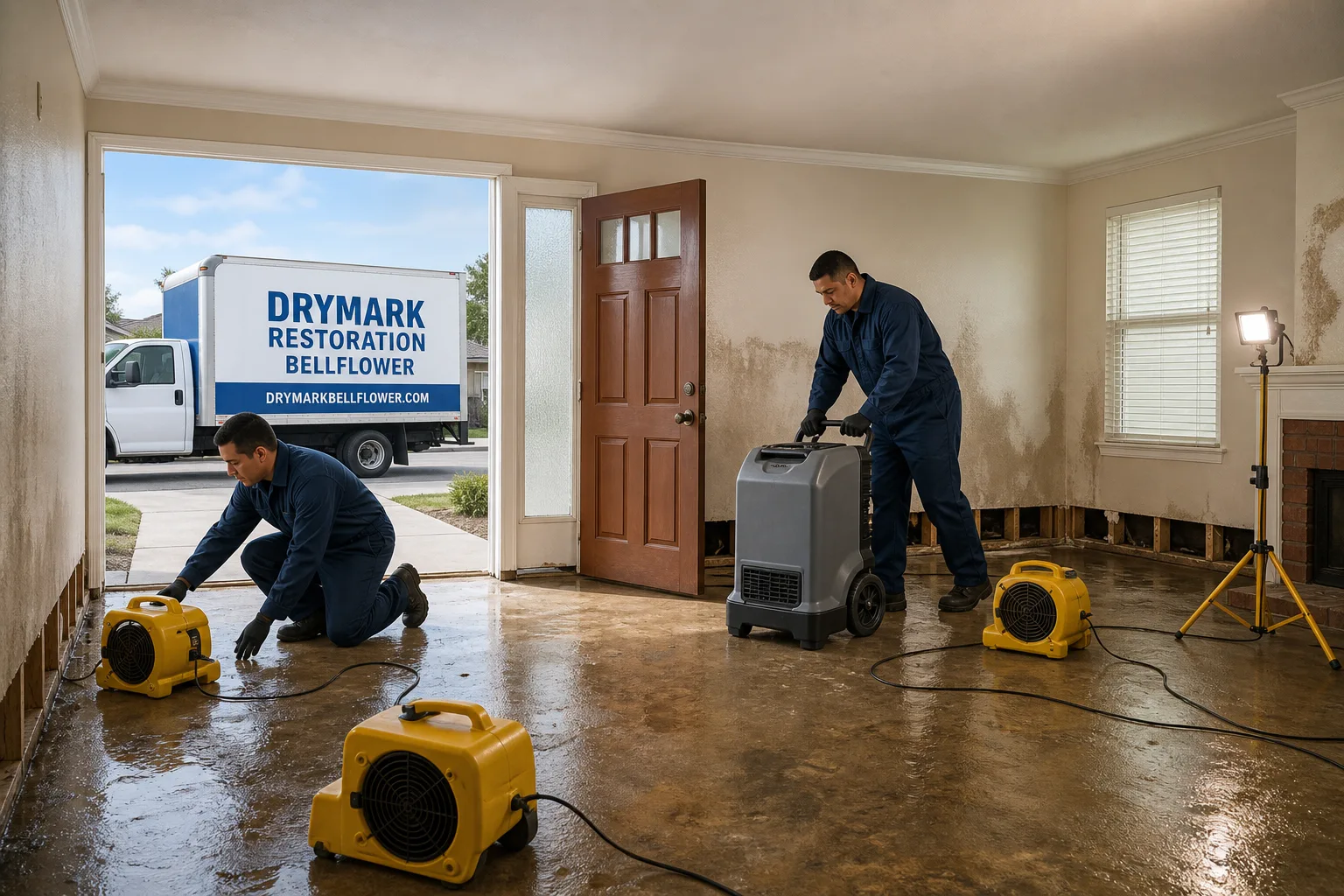
Free visual inspection and a written scope of work before any mitigation begins - photos, moisture readings, and drying logs go in your claim file
The scope we write is the scope we bill. Anything new gets shown to you, in writing, before we touch it.
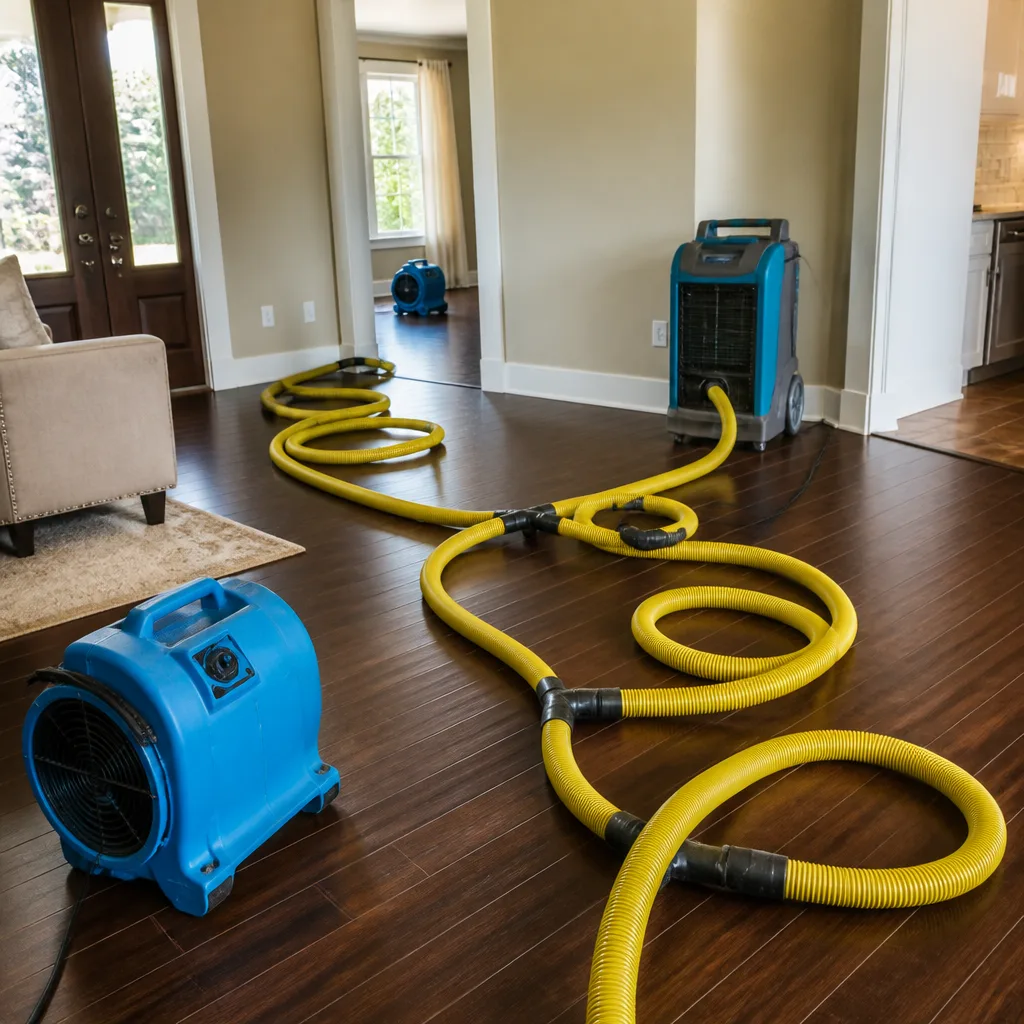
 Before
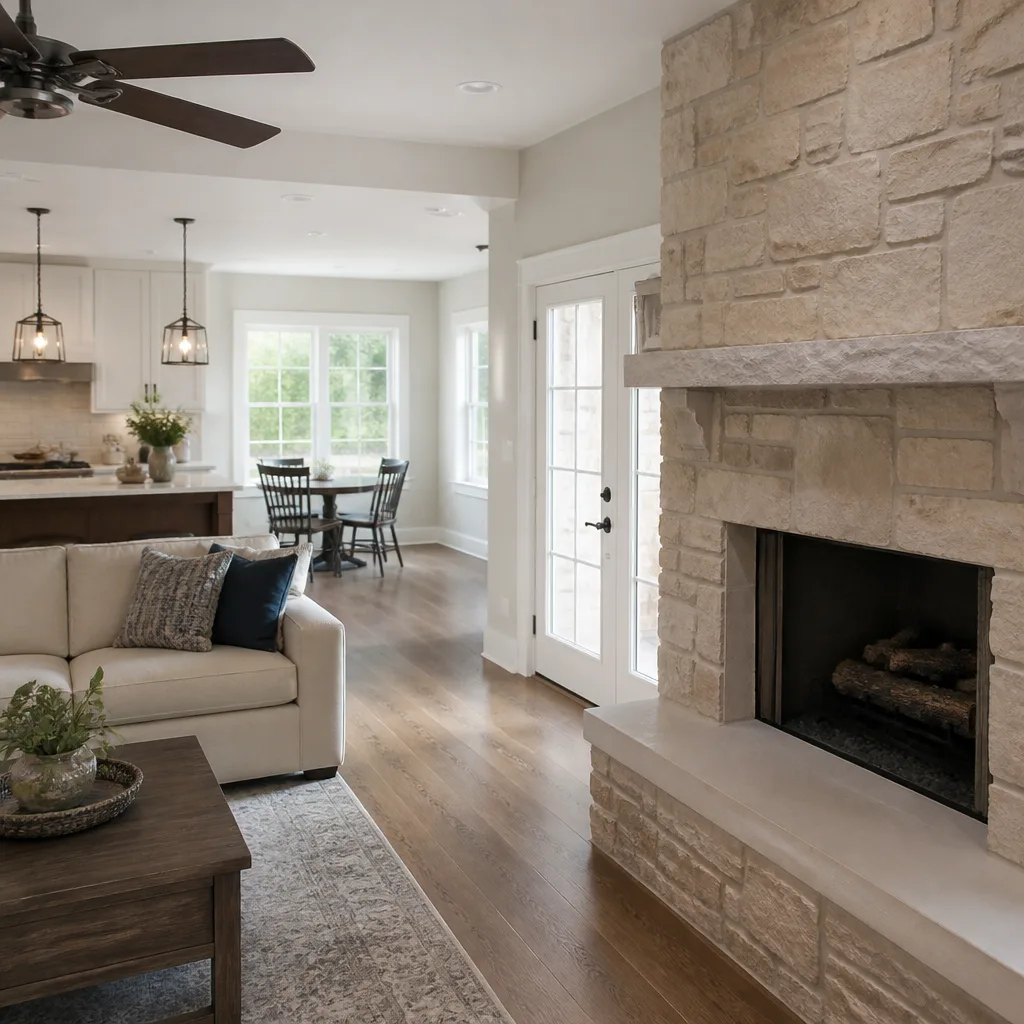
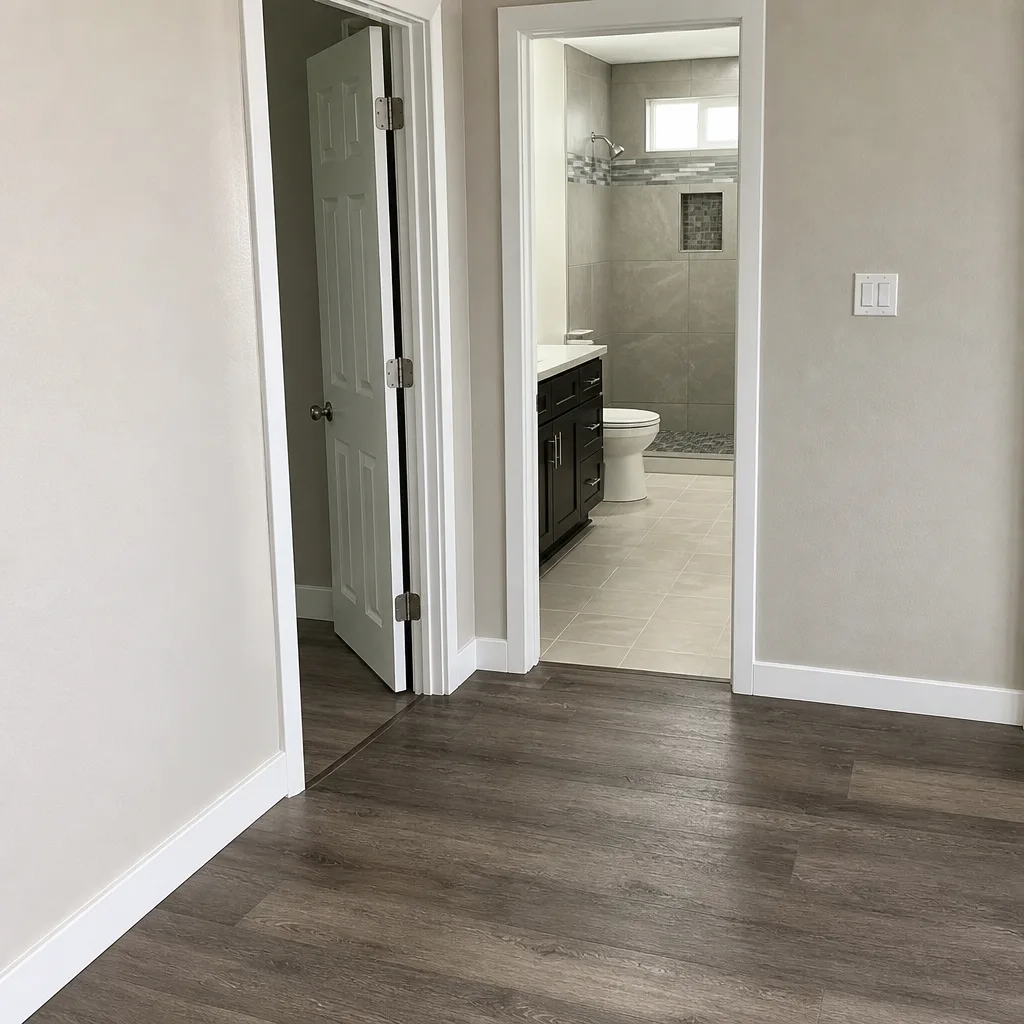 After
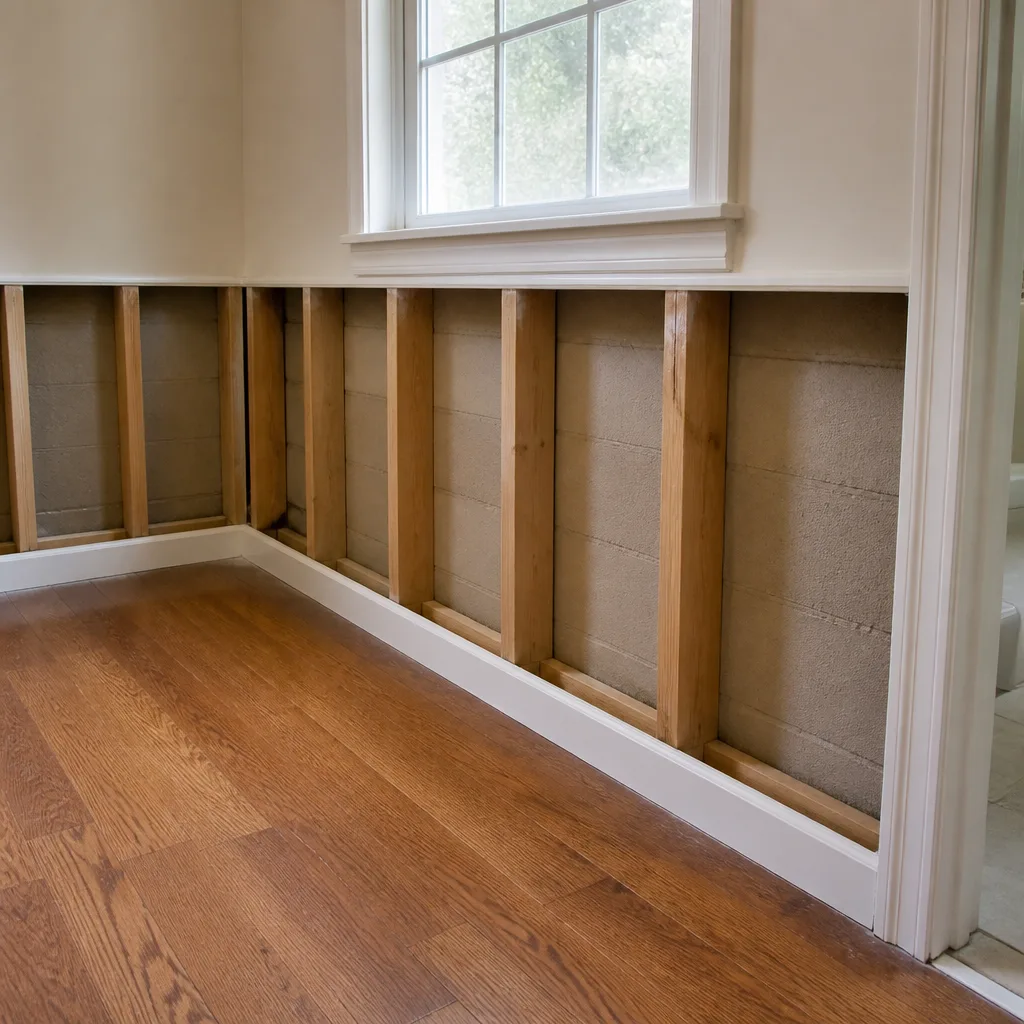
After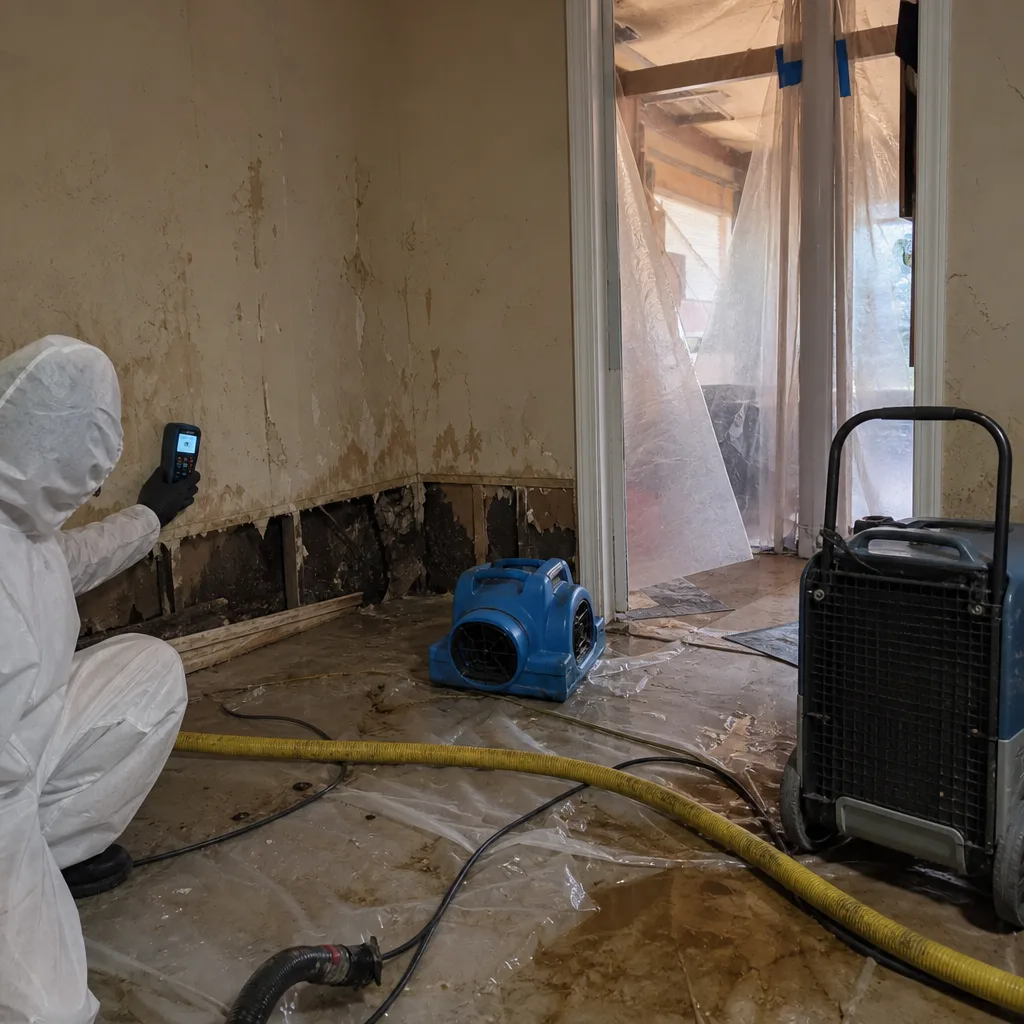 Before
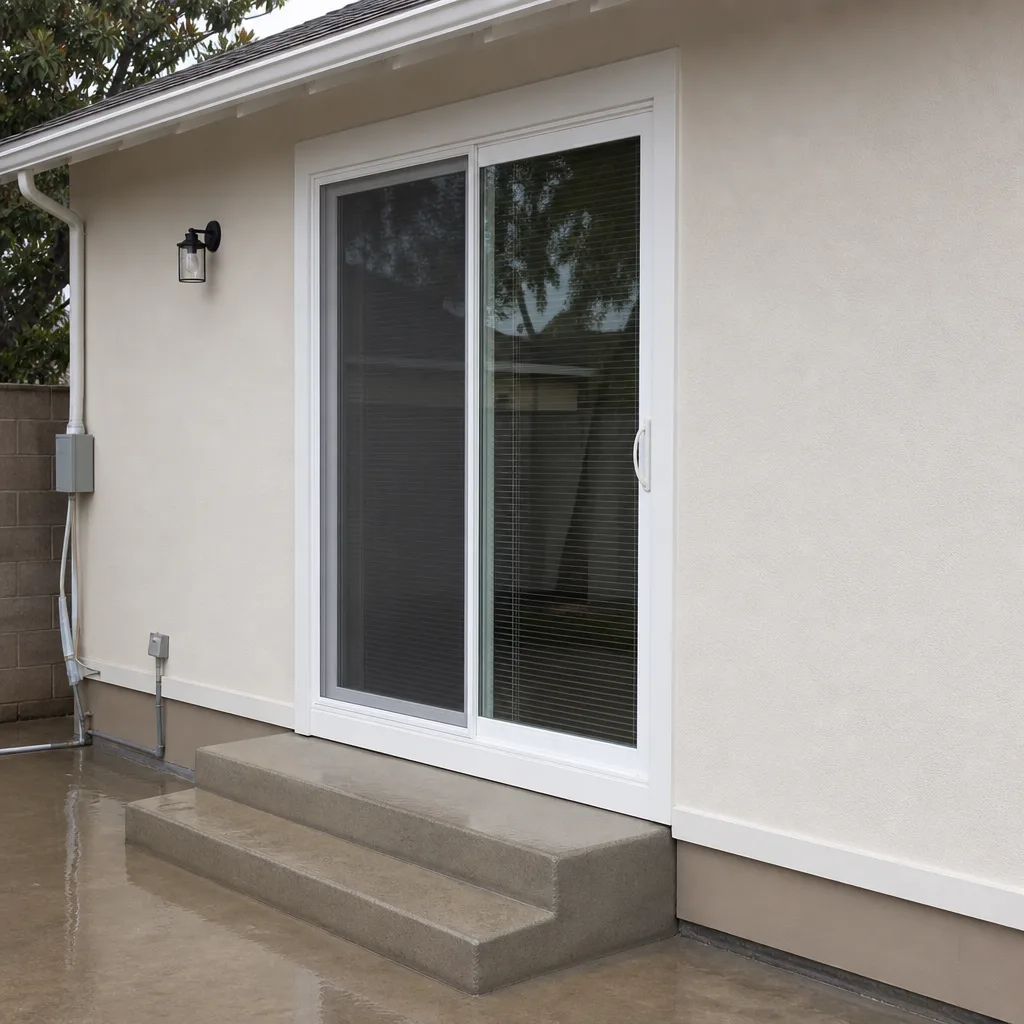 After
After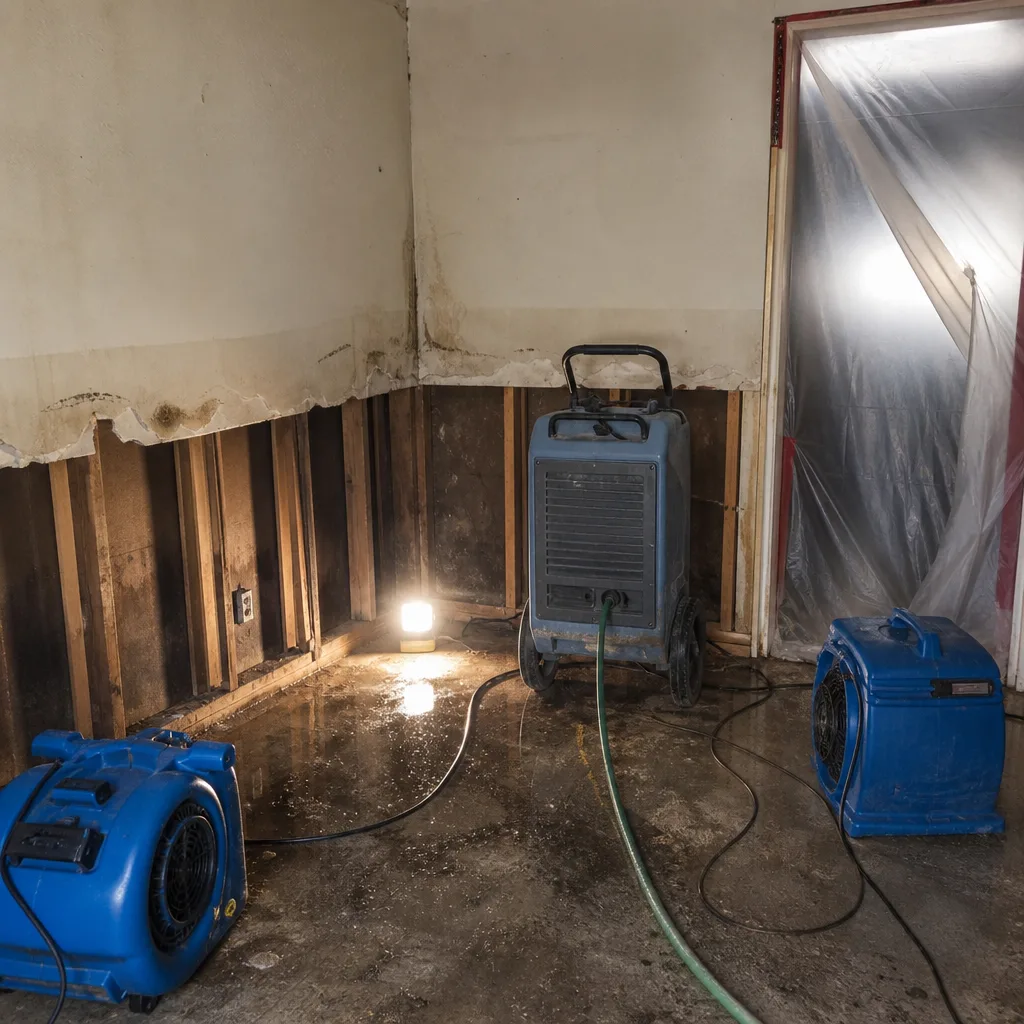 Before
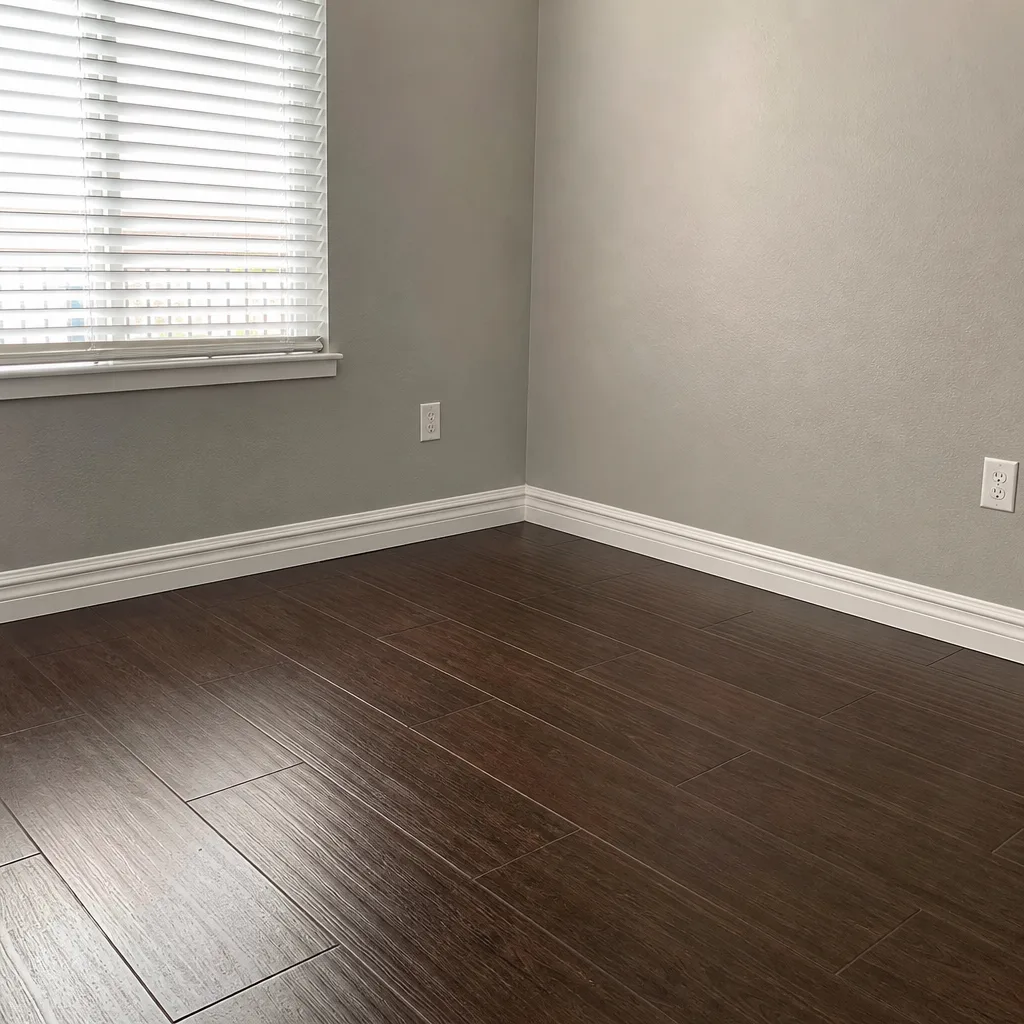 After
AfterFast, Reliable Mold Remediation Across Signal Hill
Professional mold remediation in Signal Hill, CA typically runs $1,800-$4,500 for contained residential jobs, with full-structure treatments reaching $6,000-$12,000 depending on square footage and whether the methane overlay district’s sub-slab systems require preservation. Most Signal Hill inspections can be scheduled within 24 hours, and our crews carry HEPA containment, air scrubbers, and moisture mapping equipment from our Los Angeles office to reach hillside homes and condo developments across the city.
We’re familiar with the split personality of Signal Hill’s housing stock: the mid-century single-families off Temple Avenue and Cherry Avenue that were built around or between working oil derricks, and the post-2000 condos and townhomes that rose on redeveloped oil lots near Signal Hill Boulevard. Each carries different mold risks, different construction assemblies, and critically, different code requirements once you open a floor or wall. Our Mold Remediation team documents every moisture reading, every photo, and every city notification so your claim file holds up to scrutiny.
Call (424) 347-8338 for a written estimate before any work begins. Haven Standard, Clause 1.
Why DryMark Restoration Bellflower Is Signal Hill’s Preferred Mold Remediation Company
Signal Hill homeowners measure contractors by what they can show, not what they claim. We’ve restored homes in this city since our founding in 2011, and our file on every job includes dated photos, psychrometric drying logs, and a written scope signed before the first piece of equipment is plugged in. Alicia Brennan built this company after years as a claims adjuster watching homeowners lose coverage because documentation was sloppy or incomplete. That origin shapes how we work in Signal Hill.
Our crews know the local terrain: the 365-foot elevation that concentrates stormwater against retaining walls, the Santa Ana winds that dry surface materials while cavities stay wet, and the methane overlay district that can halt a remediation mid-job if an out-of-area contractor cuts a slab without city notification. We carry gas monitors on every Signal Hill truck. We’ve worked with the city’s building department enough to know the permit trigger points by address range.
Live phone coverage runs 24 hours a day, 7 days a week - no voicemail trees, no next-business-day callbacks while moisture is still moving through your wall assembly. When you call (424) 347-8338, a person answers.
Our Mold Remediation Services in Signal Hill
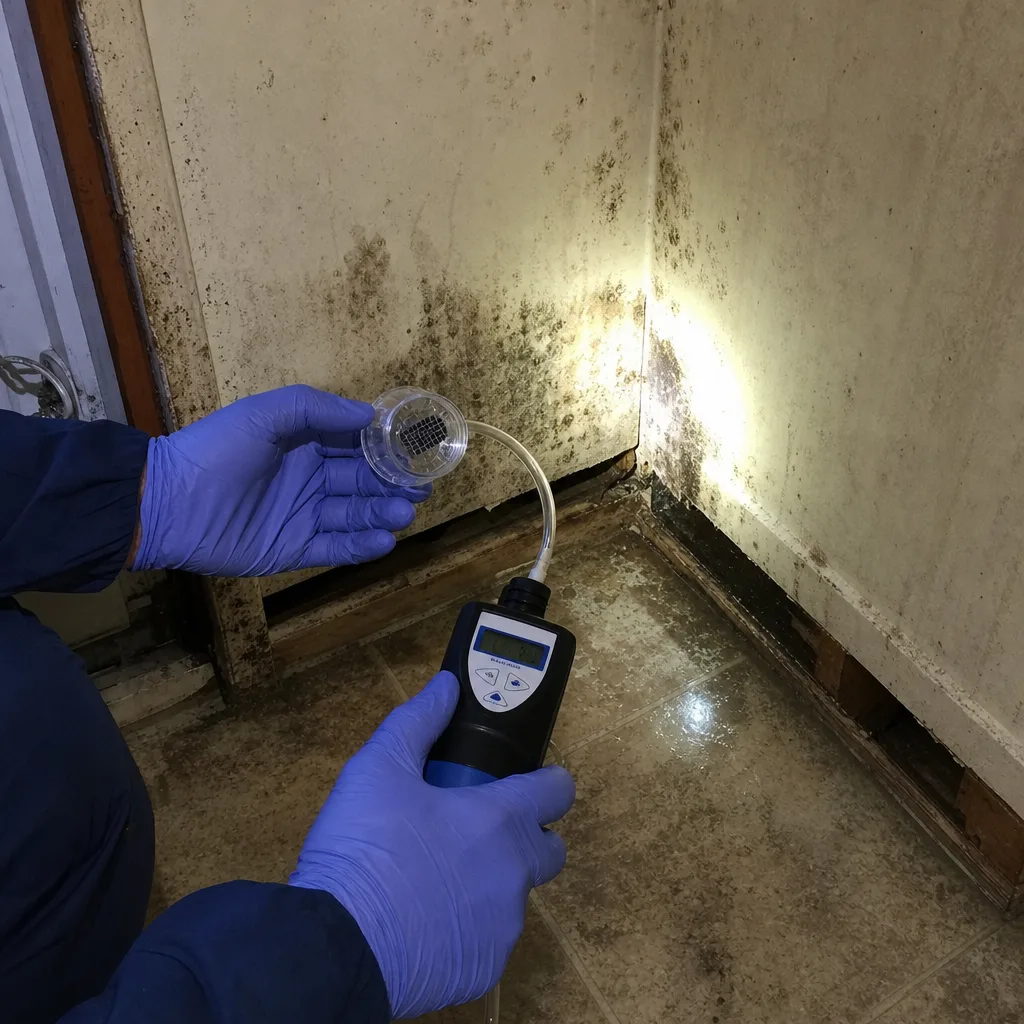
Mold Inspection & Testing
Every Signal Hill inspection starts with moisture mapping, not guesswork. We use thermal imaging and penetrating moisture meters to find the water source that feeds the mold, because killing visible growth without drying the assembly guarantees recurrence. In Signal Hill’s methane overlay district, we also check for sub-slab vapor intrusion that can elevate humidity readings independent of plumbing leaks or weather events. A typical residential mold inspection in Signal Hill runs $350-$650, with third-party lab testing of air or surface samples adding $150-$400 per sample depending on turnaround time.
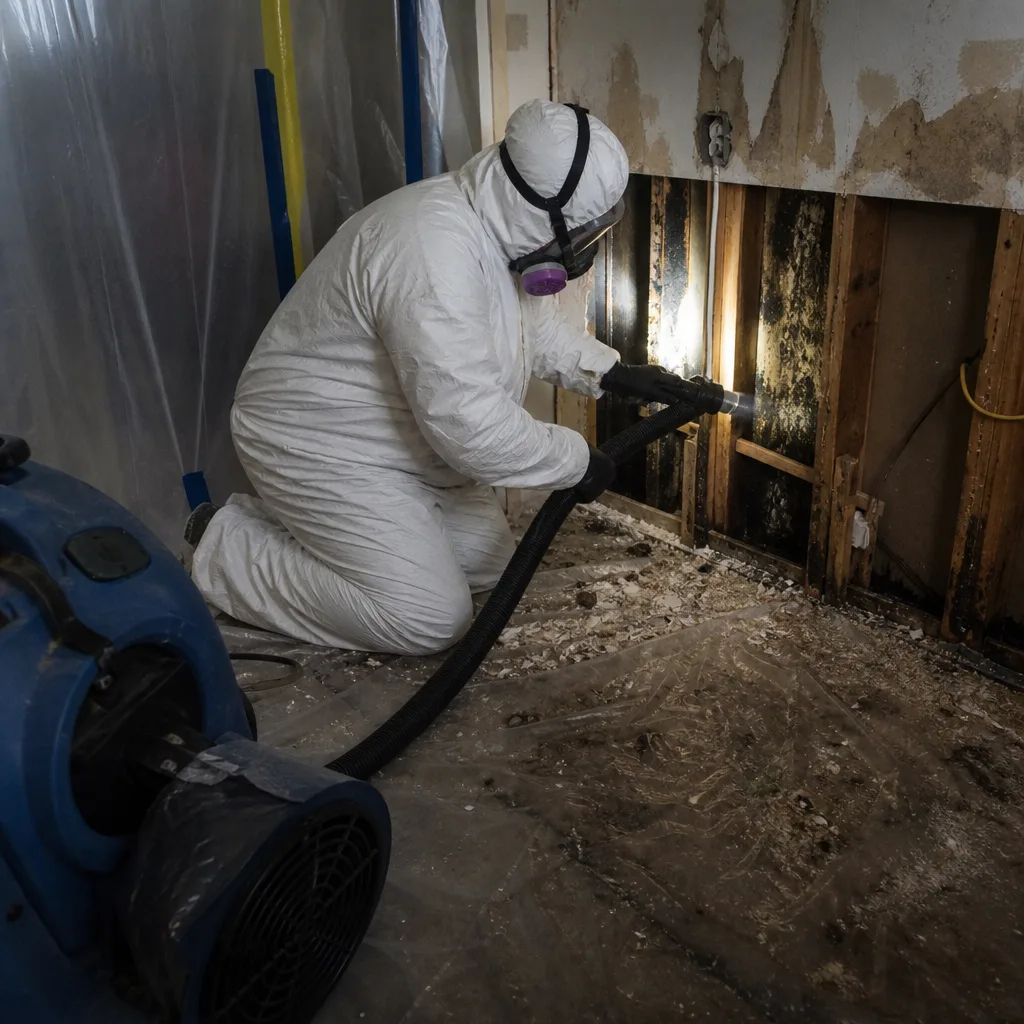
Mold Removal
Removal follows IICRC S520 standards for containment, negative air pressure, and HEPA filtration. In Signal Hill’s older homes near Cherry Avenue, we frequently find organic growth behind lath-and-plaster or early drywall that has been wet multiple times over decades. The newer condo stock near Signal Hill Boulevard presents different challenges: tighter building envelopes, shared wall assemblies, and methane barriers that must remain intact during any subfloor work. We write the scope before we cut anything.
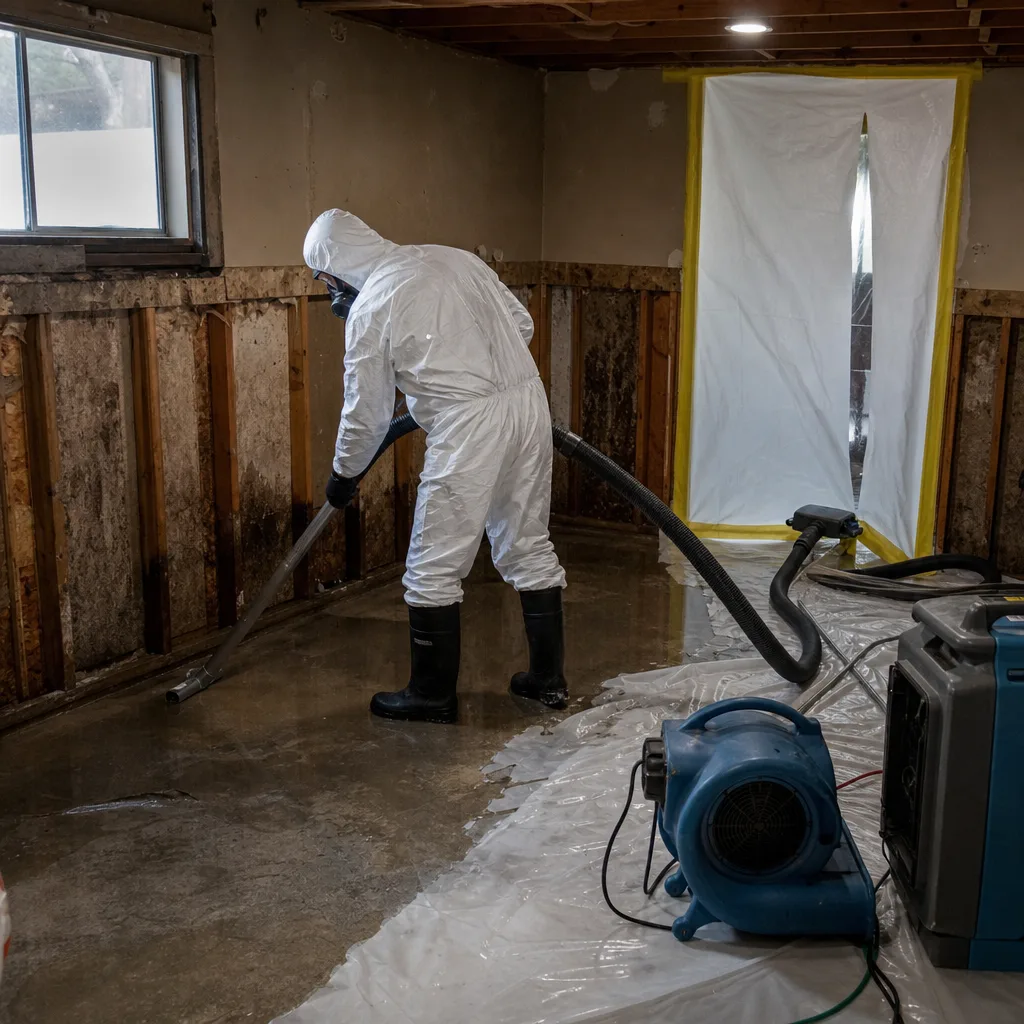
Black Mold Remediation
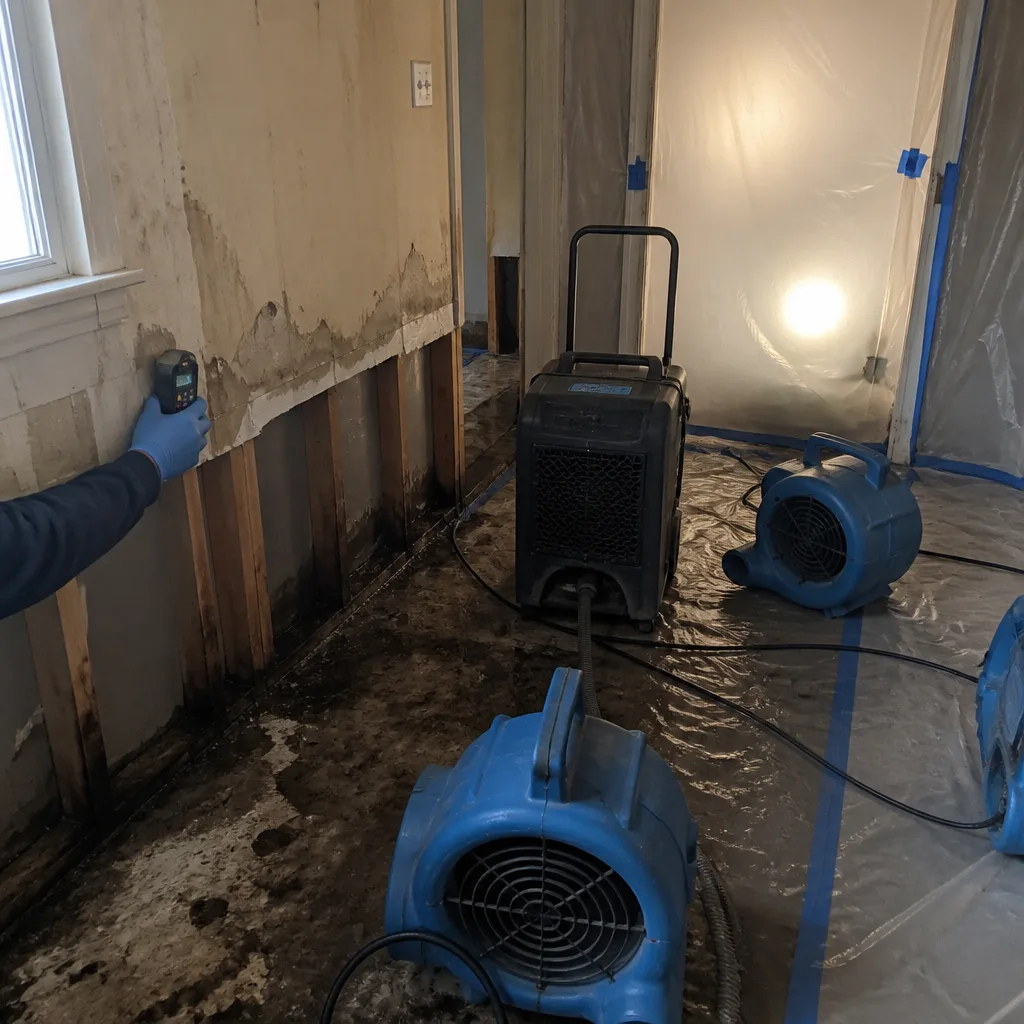
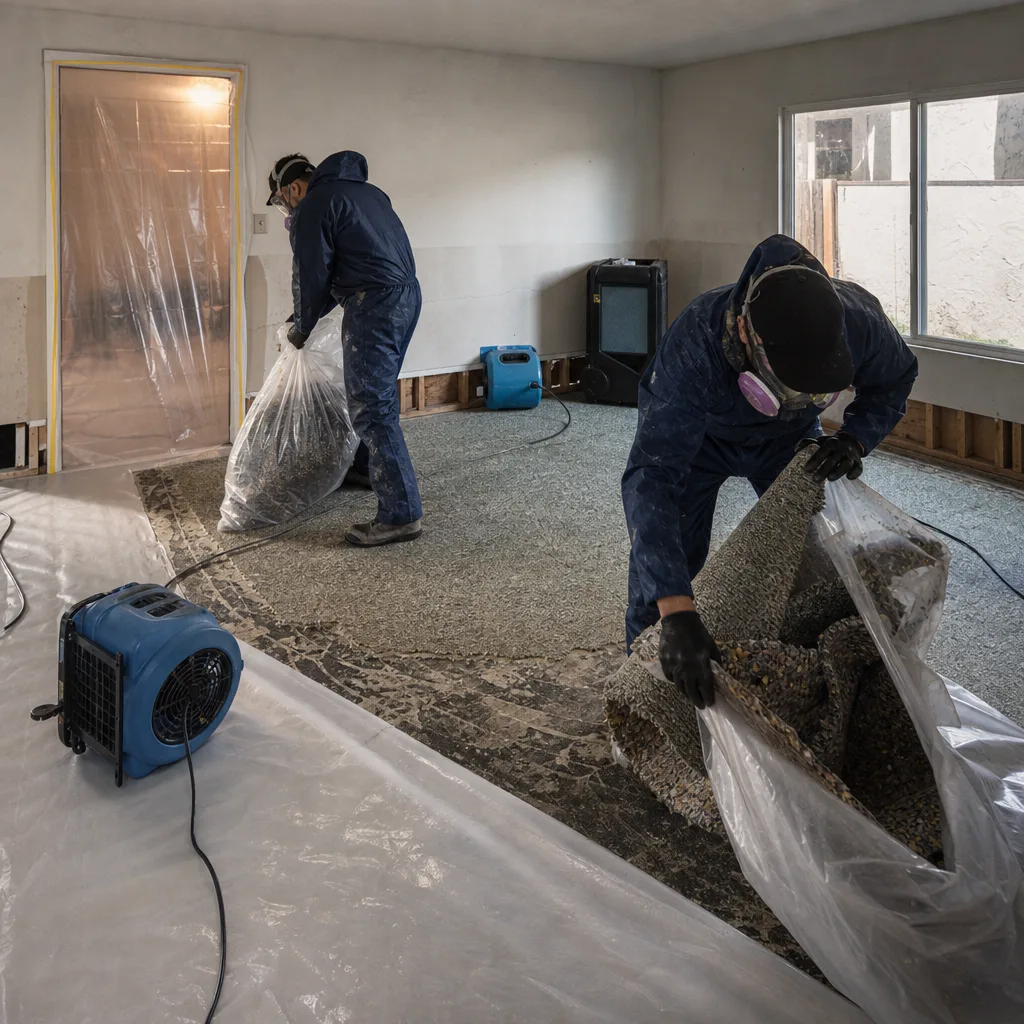
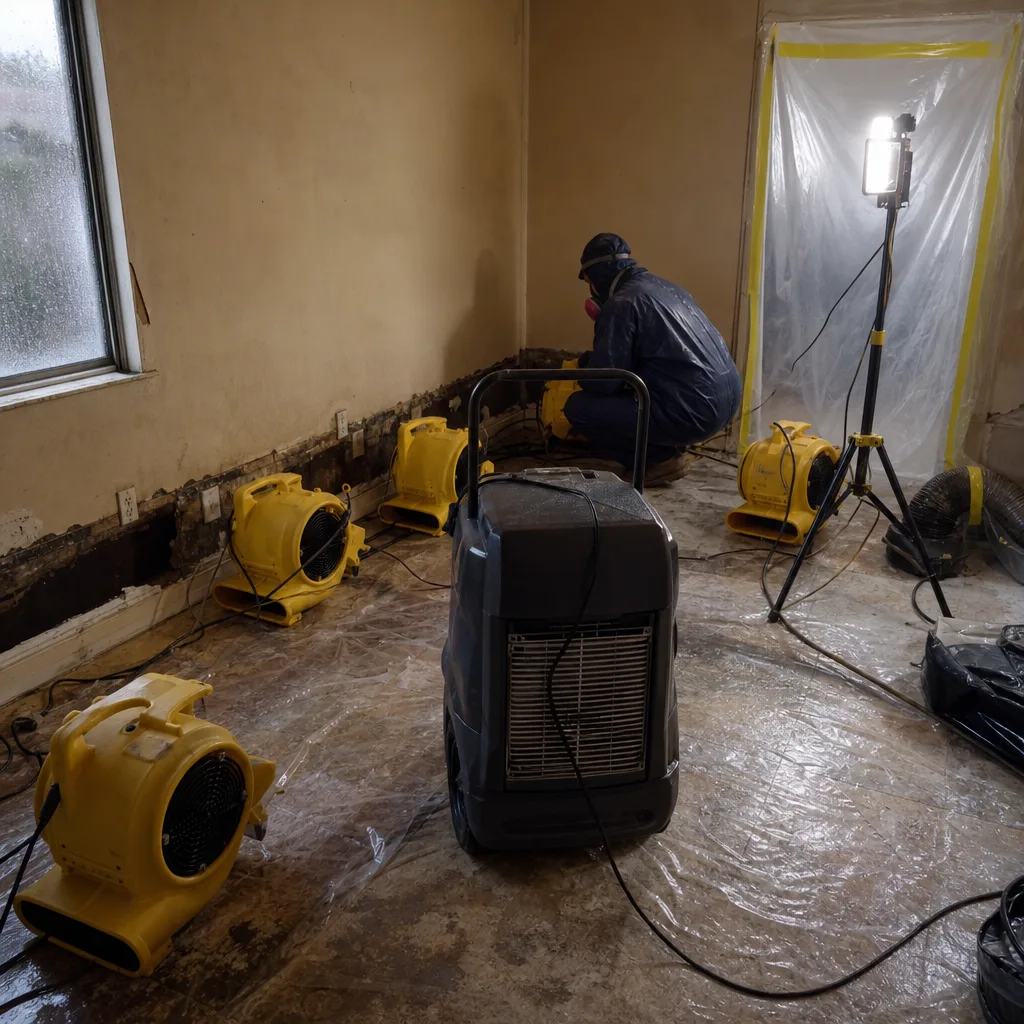
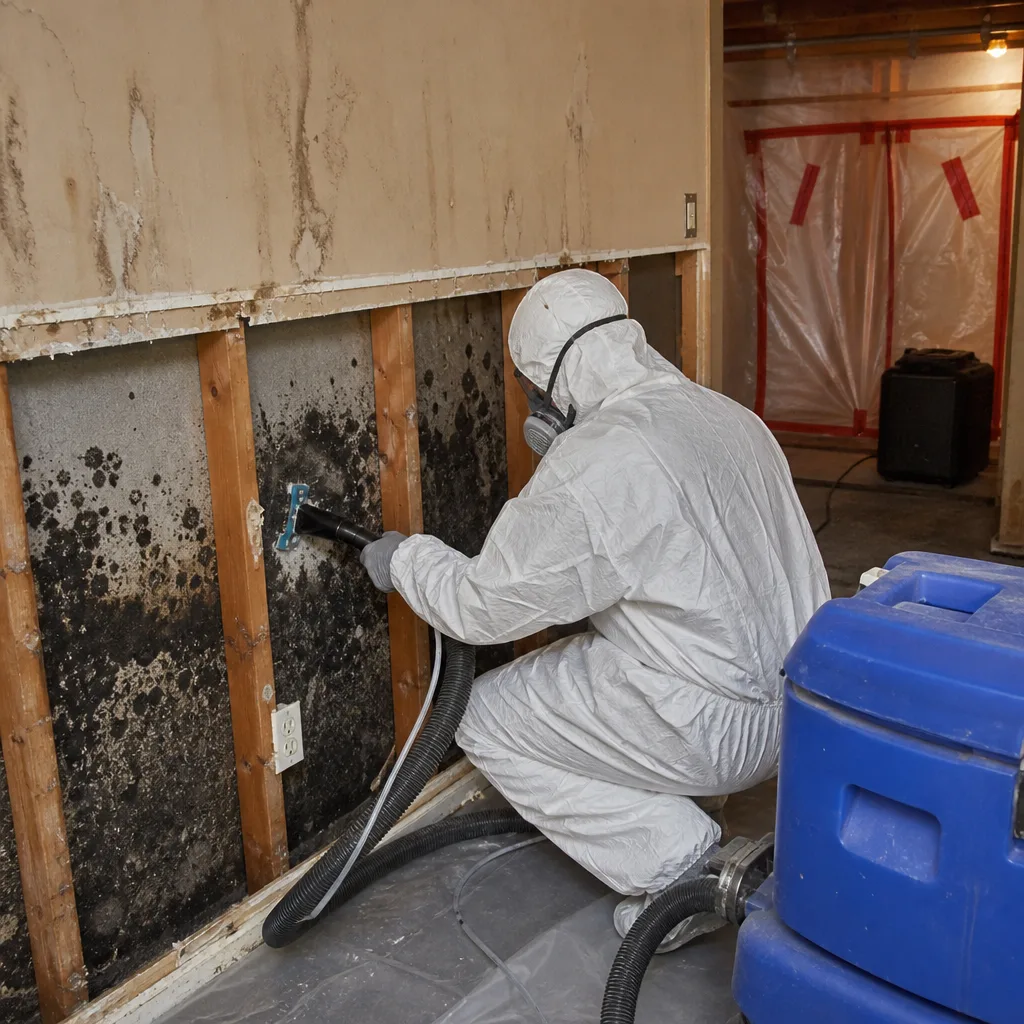
Stachybotrys and other toxigenic species require the same containment rigor as any mold job, with additional attention to spore load and cross-contamination pathways. Signal Hill’s hillside runoff pattern pushes water into below-grade garages and utility rooms where cardboard, paper-faced drywall, and cellulose insulation sit wet for days before anyone notices. Our crew was called to a 1960s single-family home off Temple Avenue in Signal Hill where heavy rain had pushed water through a failing retaining wall into the below-grade garage, saturating the slab edge and the wall framing above it. After water extraction and moisture mapping showed elevated readings across the lower wall cavity, we set containment with HEPA filtration and air movers, ran dehumidification for three days with drying logs to document progress, and pulled the baseboard and lower drywall because the material tested as Category 2 and had been wet past the 48-hour mark. Before we cut anything into the slab, we notified the city because the home sat inside the methane zone - the original barrier was intact, so we preserved the existing vent risers and flagged the assembly for re-inspection once the structural drying was complete.
Air Quality Restoration
Post-remediation air sampling verifies that spore counts have returned to background levels before we release containment. In Signal Hill, background levels can vary seasonally with Santa Ana wind events that import desert particulates and coastal marine layers that spike humidity. We establish baseline readings from outdoor samples taken the same day, not from generic tables, so the clearance documentation reflects actual local conditions.
Moisture & Humidity Control
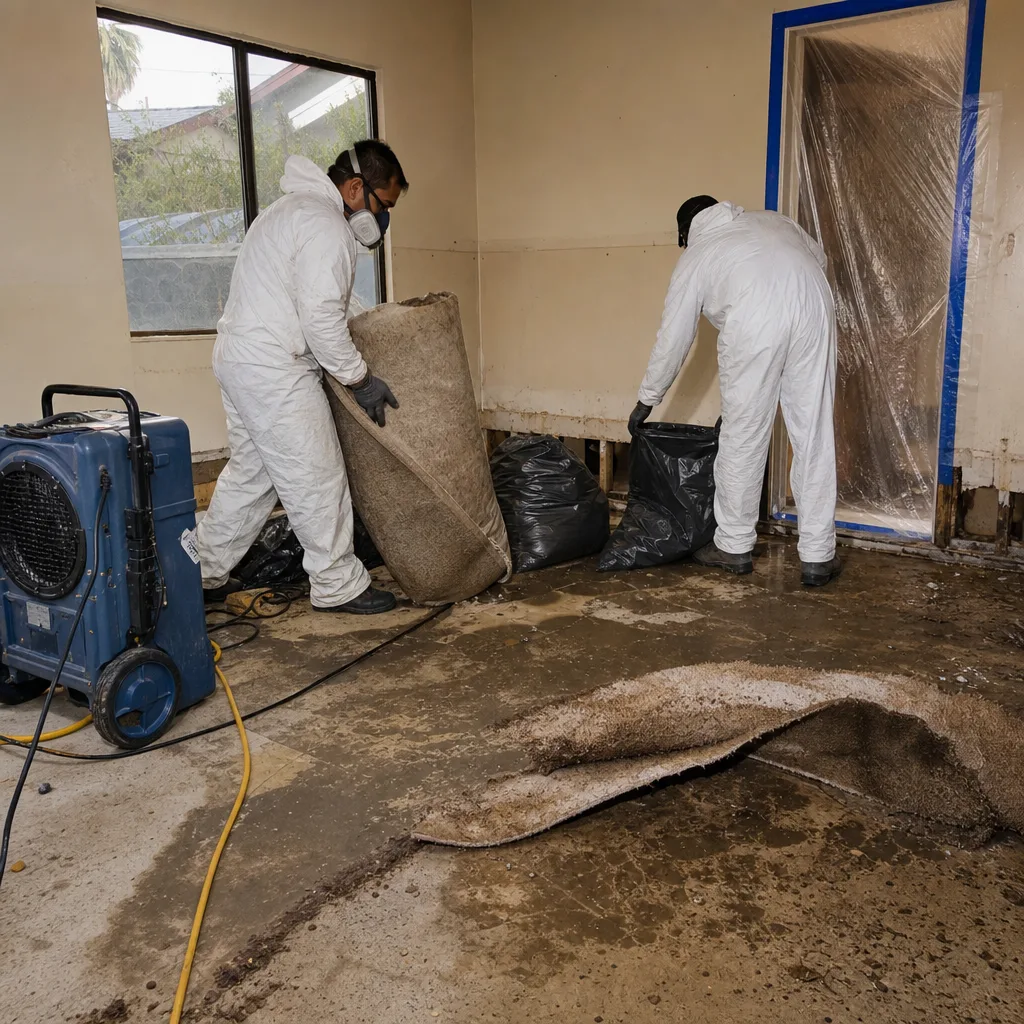
Long-term mold prevention requires controlling the water, not just the organism. In Signal Hill’s post-2000 condos, we frequently recommend supplemental dehumidification for below-grade parking-adjacent storage rooms where the methane barrier blocks natural ground vapor but the space lacks mechanical ventilation. For mid-century homes on the hillside, we address grading, gutter discharge, and retaining-wall drainage as part of the remediation scope.
Crawl Space Treatment
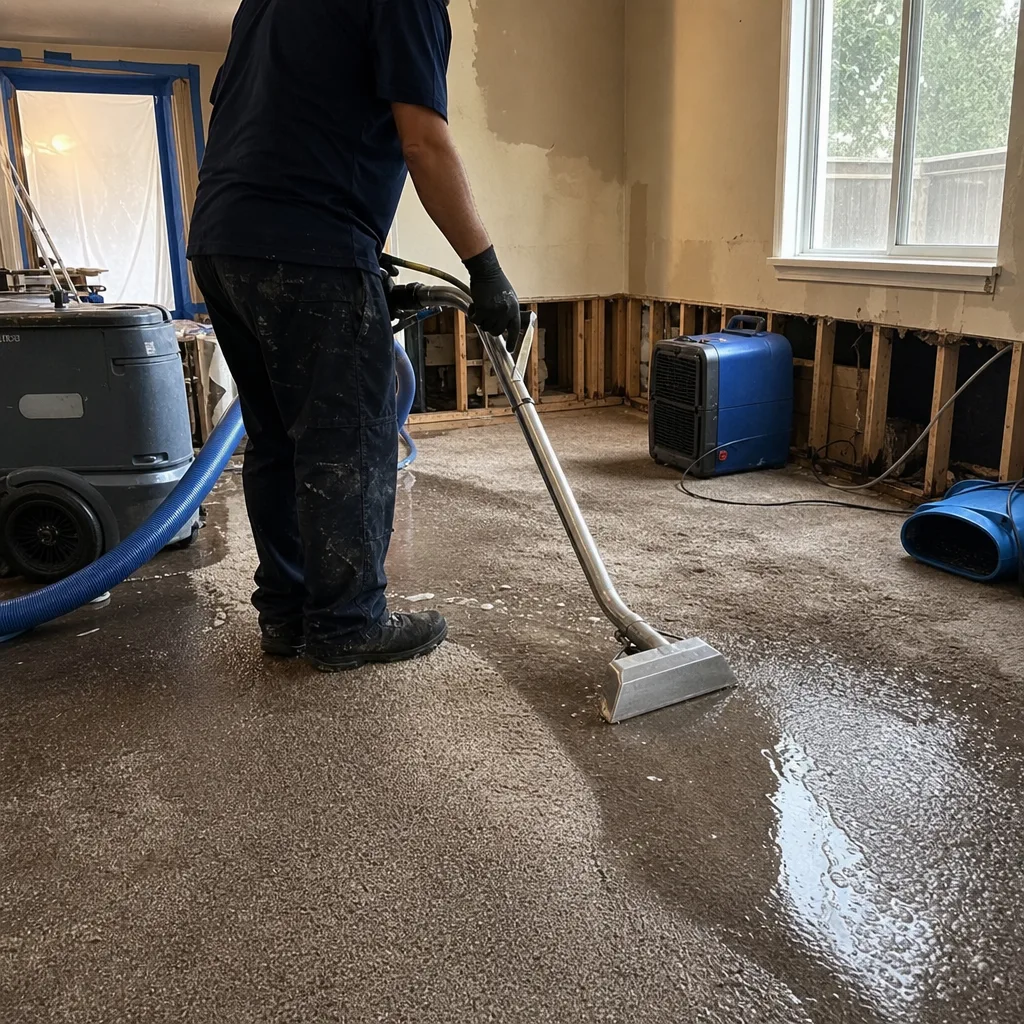
Signal Hill’s older homes sometimes have partial crawl spaces or excavated areas beneath additions where the original oil-field terrain was leveled. These spaces concentrate humidity and can harbor growth on floor joists and subflooring that goes undetected until odors travel upward. We treat with vapor barriers, dehumidification, and targeted fungicidal application, with photo documentation at each stage.
What happens when you call
- 1
A real person answersNo phone trees - you reach a local pro.
- 2
You get an upfront price rangeHonest numbers before anyone is dispatched.
- 3
A background-checked tech heads outLicensed & insured, dispatched right away.
- 4
You approve before work beginsNothing starts until you say go.
 Before
 After
AfterTrusted Brands We Service in Signal Hill
Our equipment inventory includes professional-grade drying systems from Dri-Eaz, Phoenix, and XPOWER, with Injectidry cavity-drying systems for wall and ceiling assemblies where opening the cavity would disturb finished surfaces or methane barriers. We stock HEPA air scrubbers and dehumidifiers sized for Signal Hill’s condo units and single-family homes, so we’re not renting equipment or waiting for delivery while your moisture readings climb. Every machine is logged by serial number and run-time hour for your drying documentation.
Common Mold Remediation Problems We See in Signal Hill Homes
- Methane zone violations stop jobs mid-remediation. Out-of-area crews cut or drill into a slab in the methane overlay zone without notifying the city first, disturbing a permitted methane venting system and getting the job halted. We verify zone status before any slab penetration and file notifications as standard practice.
- Hillside runoff overwhelms below-grade spaces. Signal Hill’s 365-foot elevation pushes water into below-grade garages and retaining-wall footings faster than flatland crews expect, so moisture readings inside the wall get missed and mold establishes behind finished surfaces. We map moisture at multiple depths, not just surface readings.
- Santa Ana winds mask hidden moisture. These events dry out surface materials in hours while the wall cavity stays wet, so crews relying on touch and appearance rather than moisture mapping and drying logs sign off on a job that still has active growth inside the assembly. Our drying logs run until psychrometric targets are met, not until things feel dry.
- Post-2000 condo barriers get punctured. The newer condo stock frequently has code-mandated methane barriers beneath slabs that can be compromised during water-damage remediation, requiring careful coordination with city inspectors. We locate and protect these systems before any floor work begins.
Pricing for Mold Remediation in Signal Hill, CA
Signal Hill mold remediation pricing reflects the additional code compliance requirements that don’t exist in neighboring cities. Here’s what homeowners typically see:
| Service | Typical Range in Signal Hill |
|---|---|
| Residential mold inspection & moisture mapping | $350 - $650 |
| Lab testing (air or surface samples) | $150 - $400 per sample |
| Contained room remediation (under 150 sq ft) | $1,800 - $3,200 |
| Multi-room or whole-floor remediation | $4,500 - $8,500 |
| Full-structure treatment with HVAC cleaning | $6,000 - $12,000 |
| Crawl space treatment with vapor barrier | $2,500 - $5,000 |
| Methane barrier preservation & re-certification | $800 - $2,000 additional |
Factors that push costs higher: active methane zone requiring city notification and re-inspection; Category 3 water damage with sewage intrusion; asbestos-containing materials in pre-1980 homes requiring abatement coordination; and hidden growth behind tile, cabinetry, or HVAC ductwork that expands the containment area. We deliver a written price before work begins, every time, with no scope-creep additions once the crew is inside. Haven Standard, Clause 1. Bring a competitor’s written estimate and we’ll review it at no charge.
Call (424) 347-8338 for a written estimate - estimates are free.
We Also Serve Cities Near Signal Hill
Our crews respond throughout the coastal Los Angeles Basin, including Mold Remediation in Signal Hill and surrounding cities: Long Beach, Seal Beach, Carson, and Bellflower. Dispatch and scheduling are coordinated from our Los Angeles office, with local crews serving each area. The methane overlay requirements are specific to Signal Hill, so jobs in Long Beach or Seal Beach follow standard remediation protocols without the sub-slab gas monitoring component.
Serving Signal Hill, CA - Our Local Coverage Area
We’re based in the Signal Hill area and know this community well. Use the map below to see our service coverage - if you’re nearby, we can almost certainly help.
FAQs - Mold Remediation in Signal Hill
Yes. Any remediation that opens a slab, cuts flooring, or penetrates the foundation in the methane overlay zone requires city notification and preservation of the existing methane barrier and venting system. We verify zone status before starting work and coordinate with Signal Hill building inspectors to prevent job stoppages. This requirement does not exist in neighboring Long Beach. Call (424) 347-8338 for a written estimate - estimates are free.
Signal Hill’s 365-foot elevation concentrates stormwater runoff against retaining walls and below-grade foundations, pushing water into wall cavities and slab edges within hours. Santa Ana winds that follow can dry surfaces while cavities stay wet past the 48-hour threshold where mold colonization accelerates. We use moisture mapping, not visual inspection, to find the water that fuels growth. Call (424) 347-8338 for a written estimate - estimates are free.
Yes. Post-2000 condos in Signal Hill have code-mandated methane barriers beneath slabs that we locate and protect before any floor work. Our scopes specify non-invasive or minimally invasive access methods where possible, and we coordinate re-inspection with the city when barrier integrity must be verified. The barrier stays intact, the remediation proceeds, and the documentation supports your claim. Call (424) 347-8338 for a written estimate - estimates are free.
1950s homes near Temple Avenue or Cherry Avenue often have lath-and-plaster, unconditioned crawl spaces, and decades of layered repairs that conceal water paths. Newer condos have tighter envelopes, shared assemblies, and methane barriers that restrict how we access subfloor areas. The documentation requirements differ too: older homes need more extensive moisture mapping to trace hidden pathways, while condos need coordination with HOAs and city inspectors for barrier preservation. Call (424) 347-8338 for a written estimate - estimates are free.
We use psychrometric data - temperature, relative humidity, and vapor pressure differential readings - taken daily with calibrated meters until the assembly reaches established dry standards. Drying logs document every reading by date, time, and location. Santa Ana winds can fool touch-based assessments by drying surfaces while cavities hold moisture; our logs don’t lie. The 365-Day Done Right Promise, backed by The Haven Standard, covers any recurrence due to incomplete drying. Call (424) 347-8338 for a written estimate - estimates are free.
Back to Dry Restoration serves Signal Hill with mold remediation that meets the city’s unique code requirements, documents every step for your insurance claim, and delivers a written price before any work begins. Alicia Brennan founded this company in 2011 after years as a claims adjuster watching homeowners lose coverage over missing documentation. We don’t repeat that mistake. Live phone coverage is available 24 hours a day, 7 days a week. Call (424) 347-8338 for your written estimate.
Written by Alicia Brennan, Owner at Back to Dry Restoration, serving Signal Hill since 2011.