
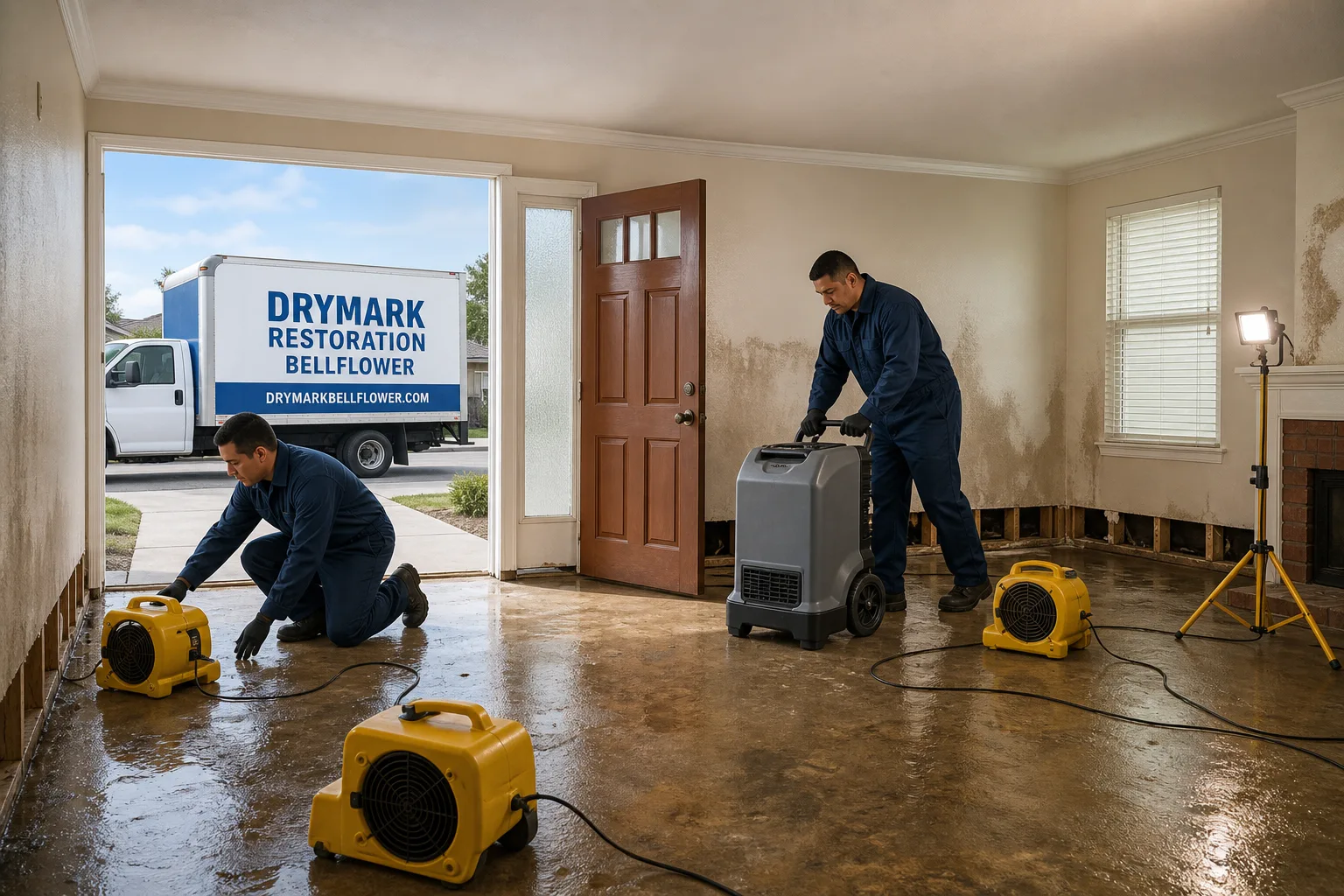
Free visual inspection and a written scope of work before any mitigation begins - photos, moisture readings, and drying logs go in your claim file
The scope we write is the scope we bill. Anything new gets shown to you, in writing, before we touch it.
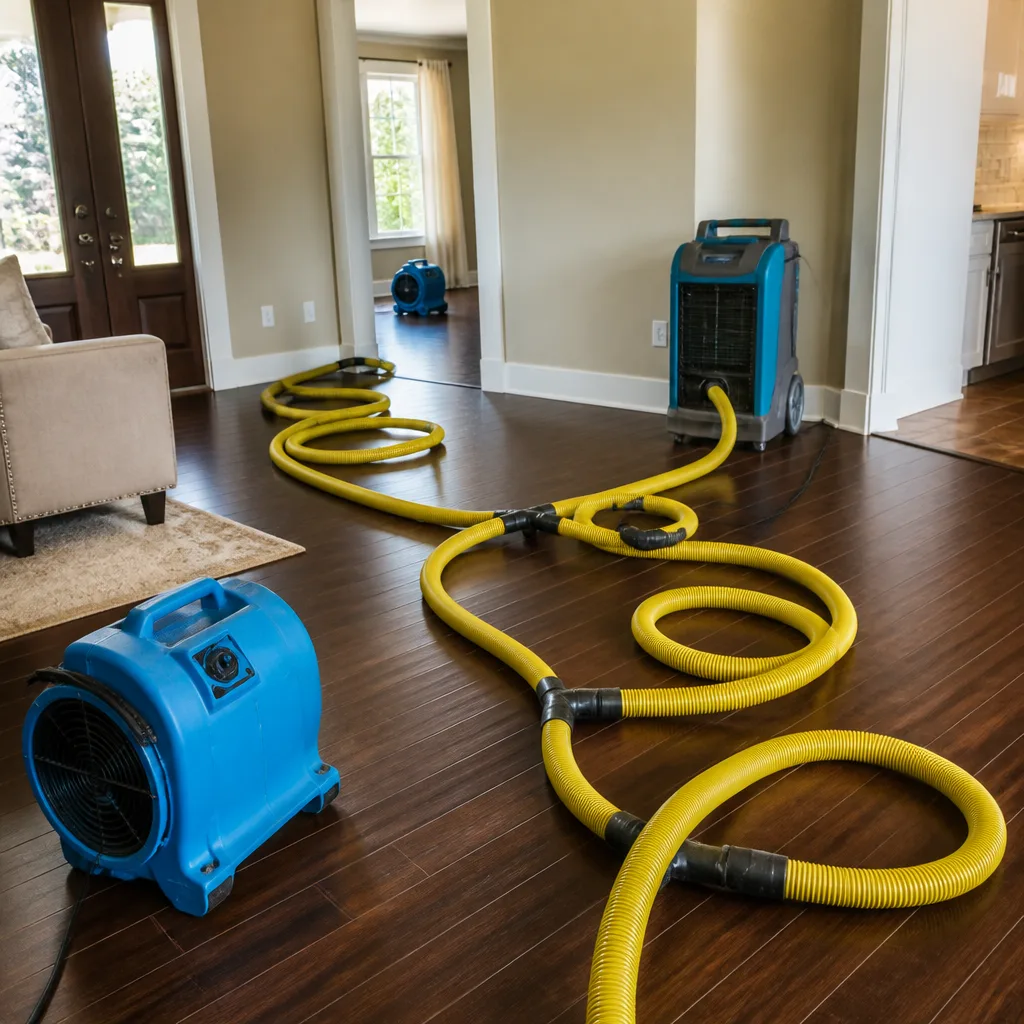
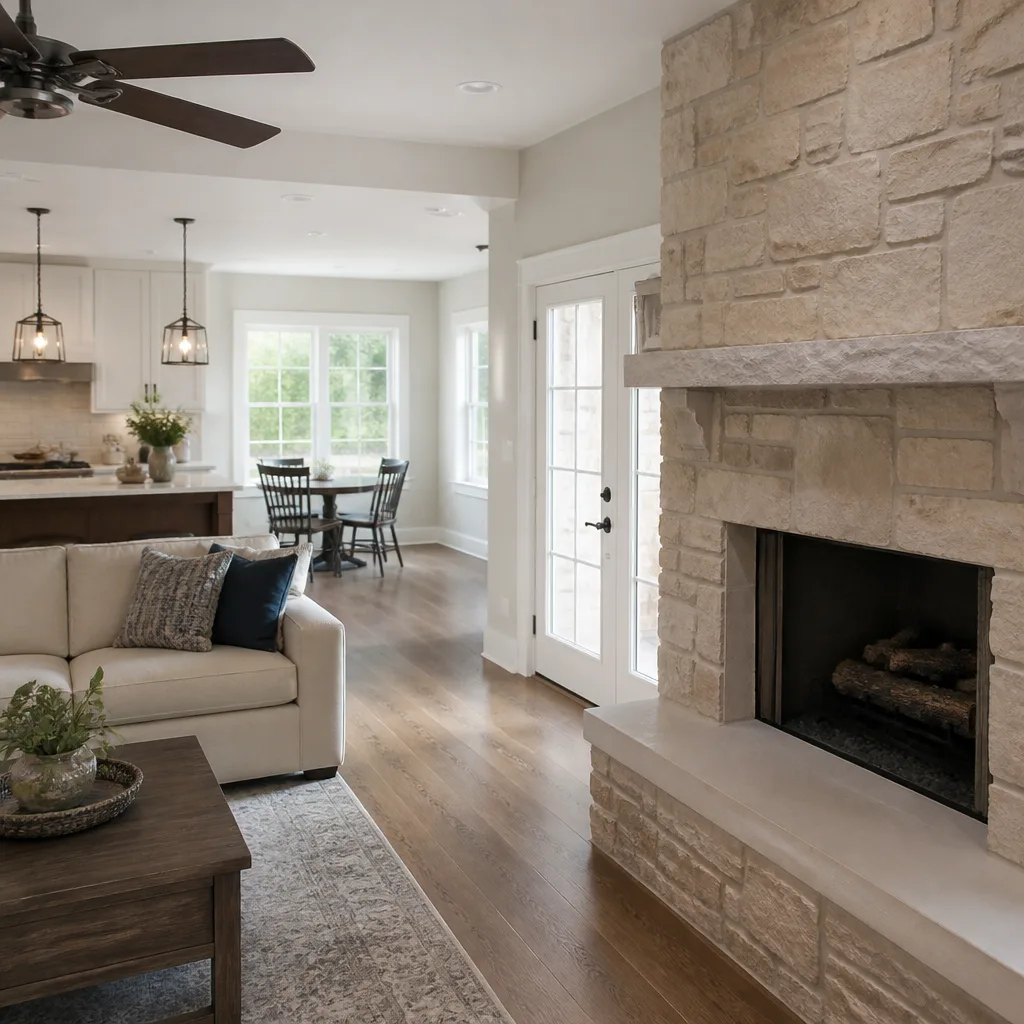
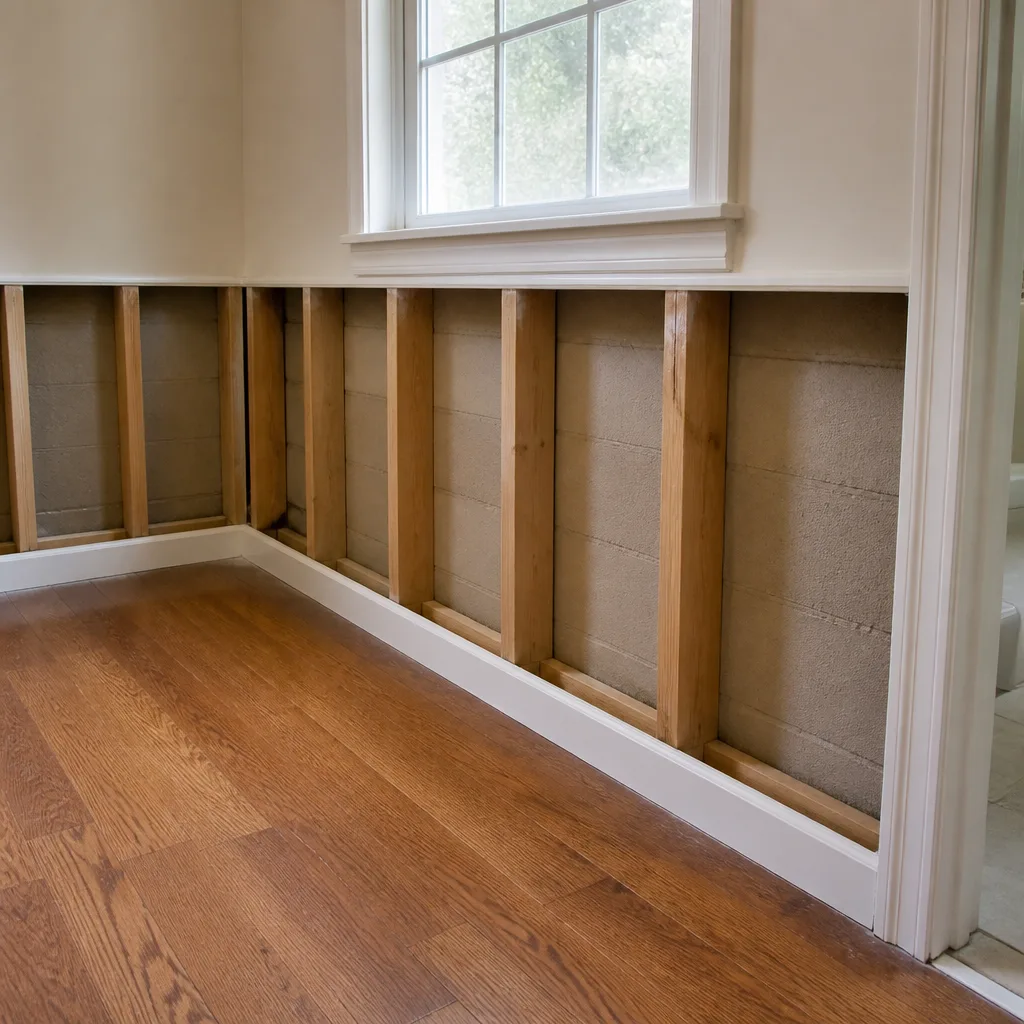
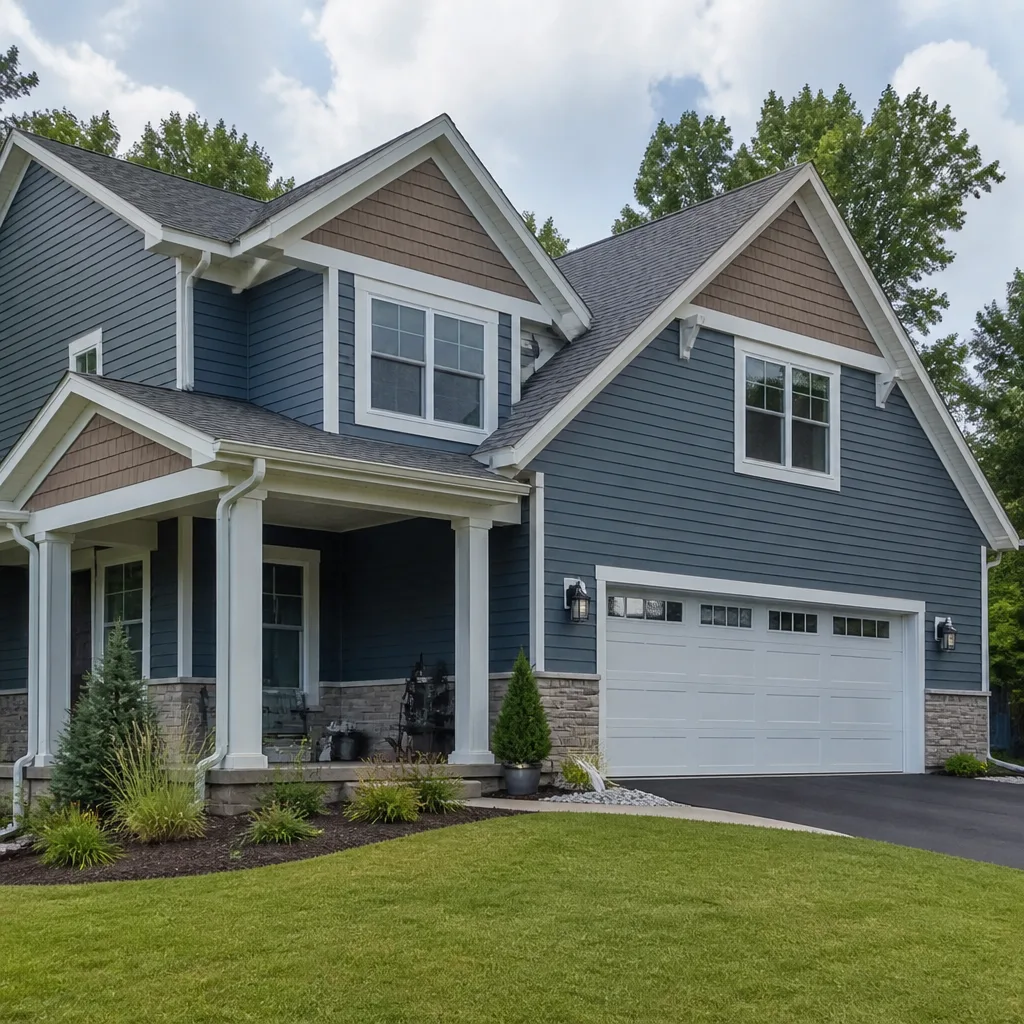
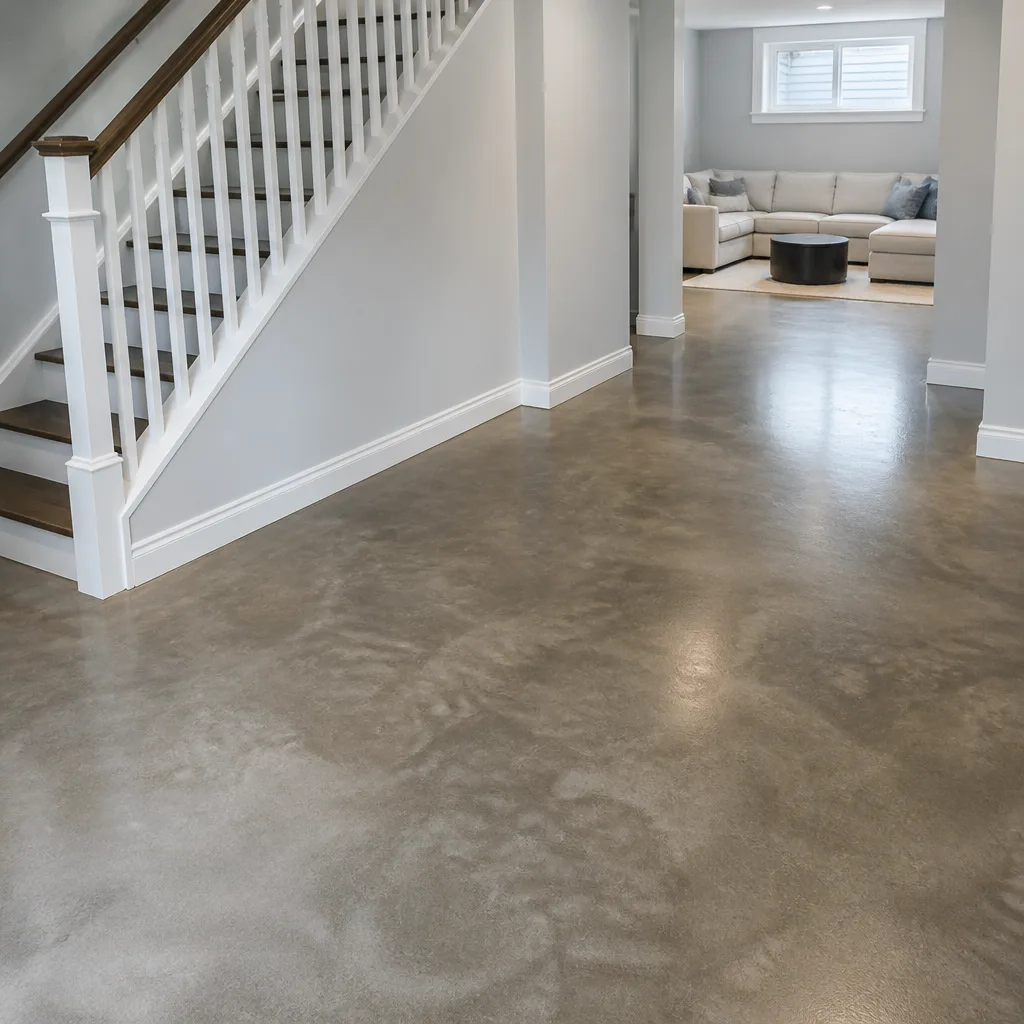
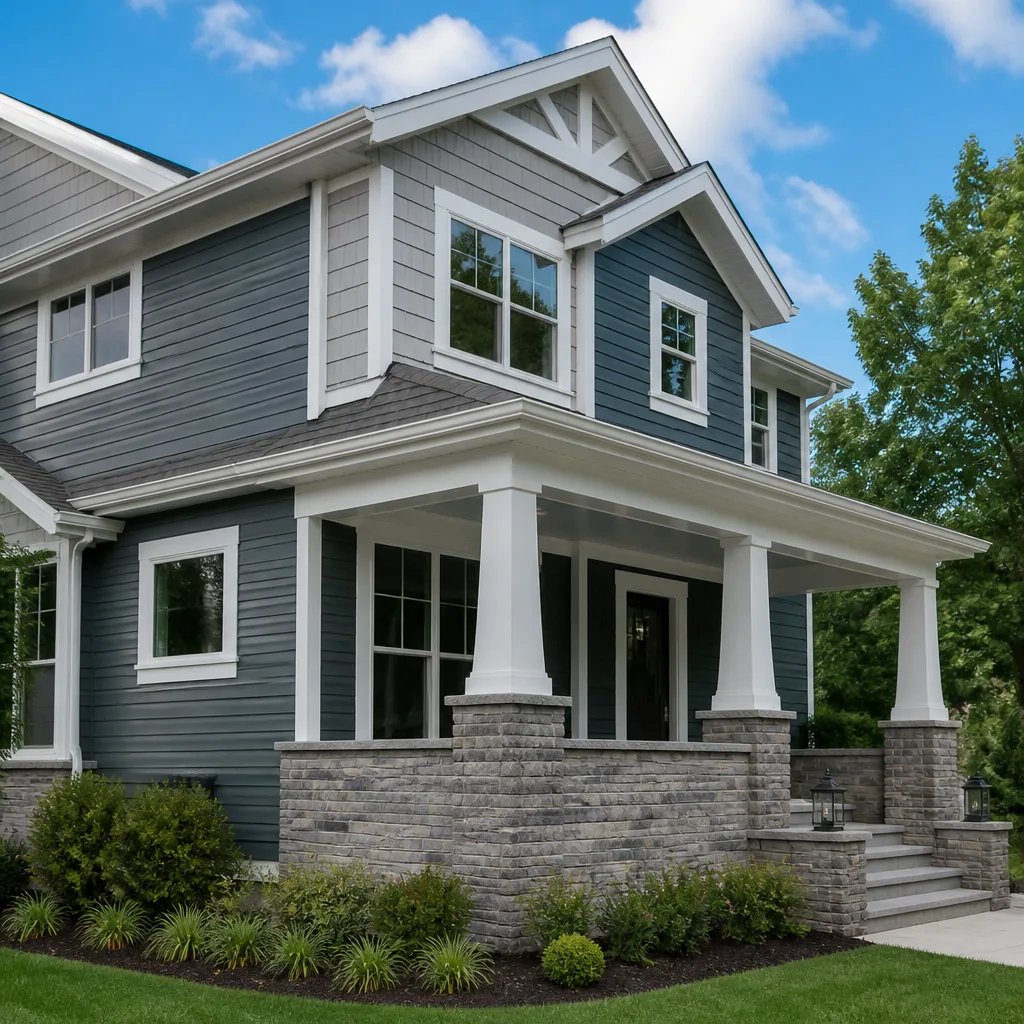
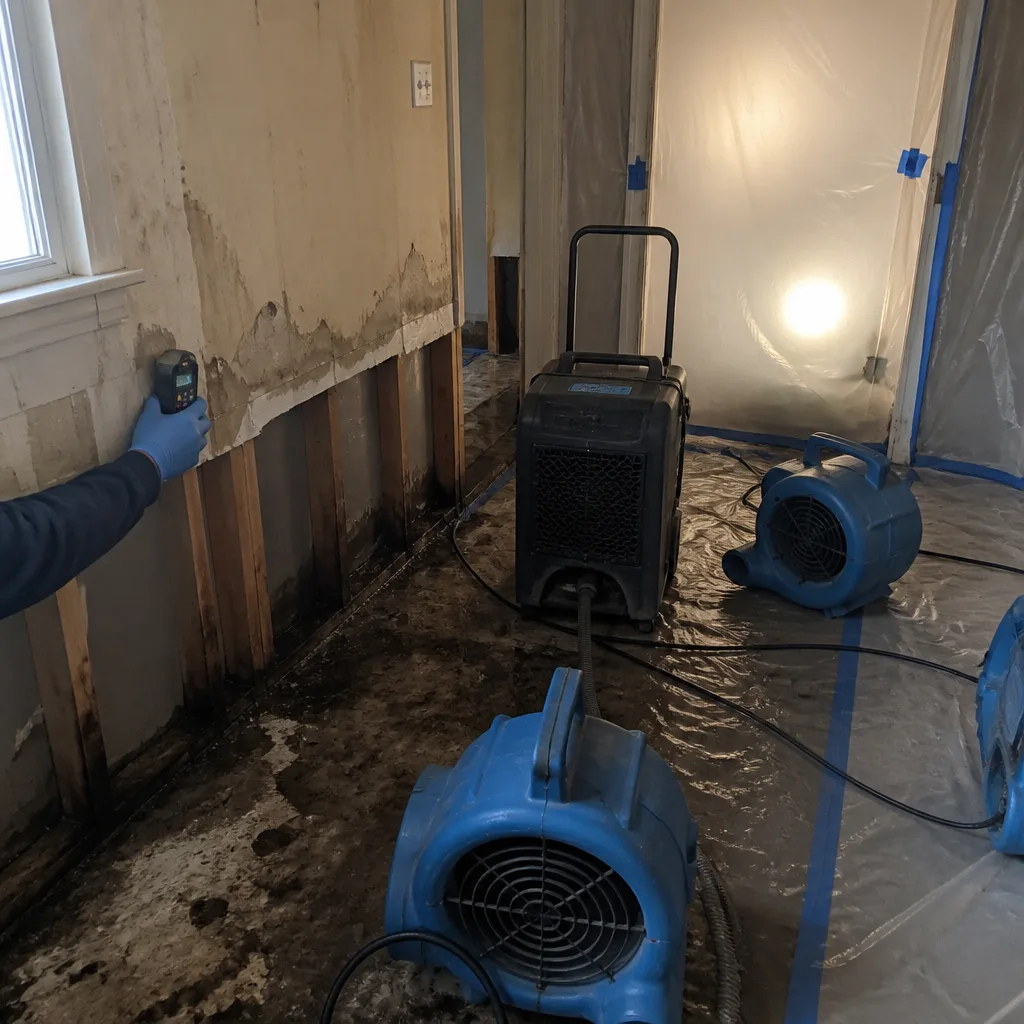 Before
 After
After Before
 After
After Before
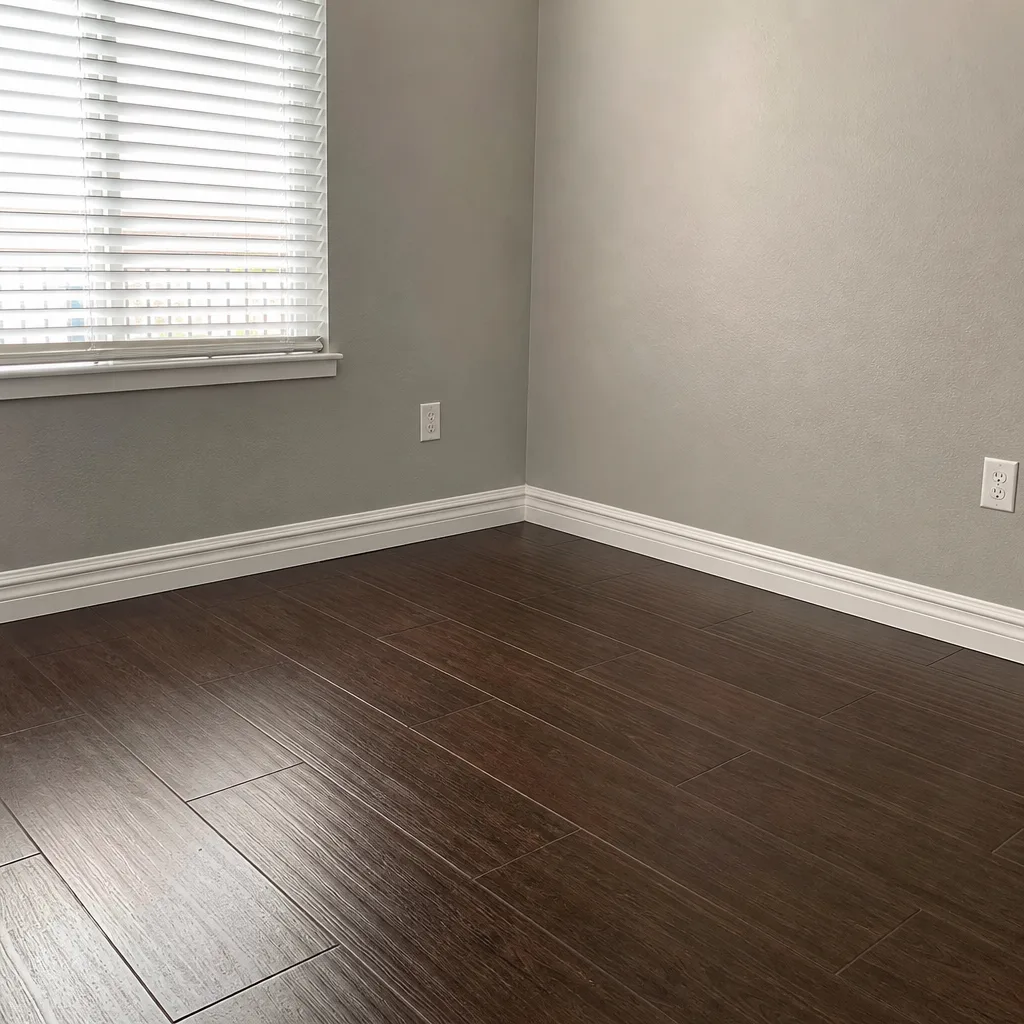 After
AfterFast, Reliable Water Damage Restoration Across Artesia
Water damage restoration in Artesia typically costs $2,800-$6,500 for residential extraction and drying, with emergency response available within 45 minutes to most Artesia neighborhoods. Our crews are staged from the Los Angeles office and know the city’s slab-on-grade housing stock, the shallow water table beneath Pioneer Boulevard, and the mineral-heavy groundwater that corrodes original galvanized lines. Call (424) 347-8338 and a live person answers, 24 hours a day, 7 days a week. No voicemail trees while water is still moving through your walls.
Why DryMark Restoration Bellflower Is Artesia’s Preferred Water Damage Restoration Company
We’ve restored water losses in Artesia since we opened our Los Angeles-area operation in 2011, and the pattern we see here is distinct from Cerritos or Norwalk. Artesia’s artesian-well geology, the elevated water table, and the 1950s-1970s tract housing on slab foundations create a specific failure profile: moisture wicks upward from below, not just inward from leaks above. Our Water Damage Restoration team documents every job with photo records, daily moisture logs, and written scopes before any equipment runs.
Homeowners in Artesia’s residential neighborhoods, from the streets off 183rd Street to the older tracts near Artesia Park, get the same documentation standard we apply to every loss: a written price before work starts, Haven Standard, Clause 1. Alicia Brennan built this company around the documentation gap that costs homeowners their insurance claims. That gap is especially costly in Artesia, where slab-edge moisture can read dry at the surface while subfloor framing remains saturated.
Our response time to Artesia averages under 45 minutes for emergency calls. We carry Phoenix and XPOWER drying systems on every truck, plus Injectidry panel drying equipment for the subfloor cavities that standard extraction misses in slab homes. Every technician is background-checked, uniformed, and licensed, with license numbers documented on every job file.
Our Water Damage Restoration Services in Artesia
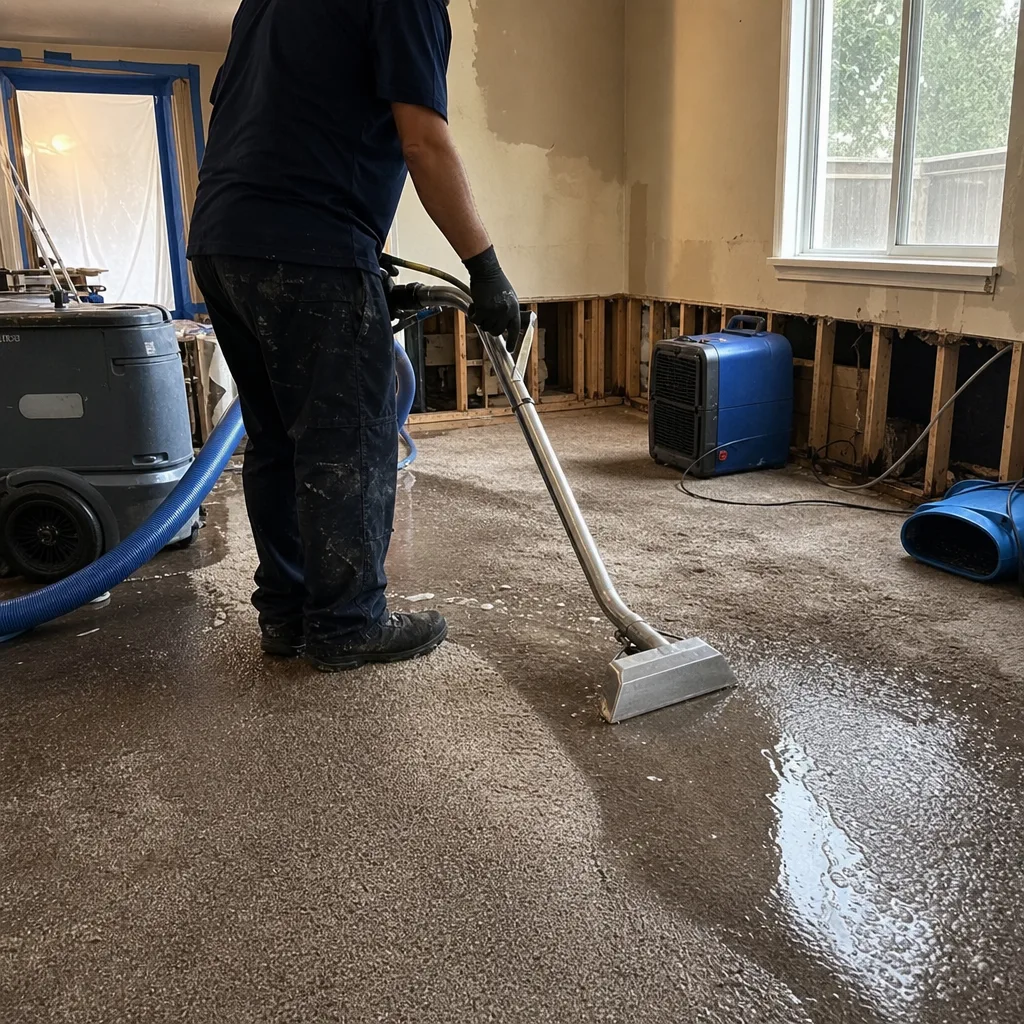
Emergency Water Extraction
When a burst pipe or storm-drain backup floods an Artesia home, speed matters. But speed without documentation creates claim problems later. We extract standing water with truck-mounted and portable systems, then immediately map moisture at the slab edge and in wall cavities. On a 1958 slab tract home off Pioneer Boulevard, our tech pulled moisture readings that read dry at the surface but climbed toward the slab edge - classic wicking through the original galvanized supply lines pitting in mineral-heavy groundwater. We marked a category 2 loss, set containment, ran Injectidry panel drying on the subfloor framing, and logged daily drying logs until the slab-edge readings matched our pre-loss baseline. That documentation package went straight to the adjuster. No disputes. No supplemental claims.
Structural Drying & Dehumidification
Artesia’s position in the low-lying, nearly flat southeastern LA basin means heavy El Niño rainfall overwhelms storm-drain infrastructure, causing street-level flooding that drives moisture upward through slab foundations. Standard extraction equipment alone cannot fully address this. We deploy psychrometric monitoring - measuring vapor pressure differential, temperature, and relative humidity - to determine when materials have reached their pre-loss equilibrium moisture content, not just when they feel dry. Our B-Air and Phoenix dehumidification systems are sized to the affected cubic footage, and we produce daily drying logs that document every reading. These logs are what turn restoration invoices into payable claims.
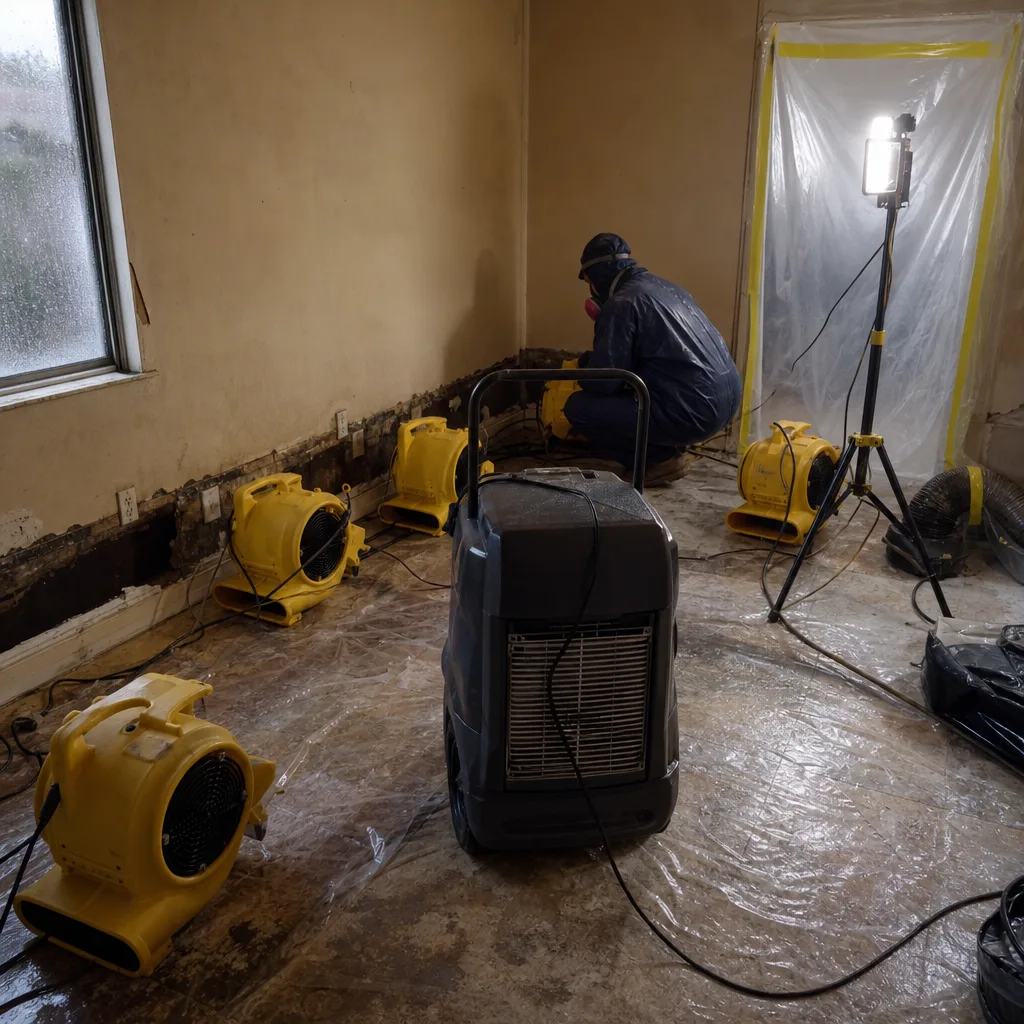
Flood Cleanup
Flood losses in Artesia often combine multiple contamination sources: street water carrying silt and hydrocarbons, backed-up storm drains, and the mineral-heavy groundwater already present beneath the slab. We classify the water category on arrival - category 1, 2, or 3 - and build containment and disposal protocols accordingly. The tightly packed Pioneer Boulevard commercial corridor presents additional complexity. A single burst sprinkler head in an Indian grocer or restaurant can push water across four or five adjoining tenant spaces. We coordinate multi-unit commercial restoration with property managers and individual tenants, documenting each unit’s scope separately for insurance purposes.
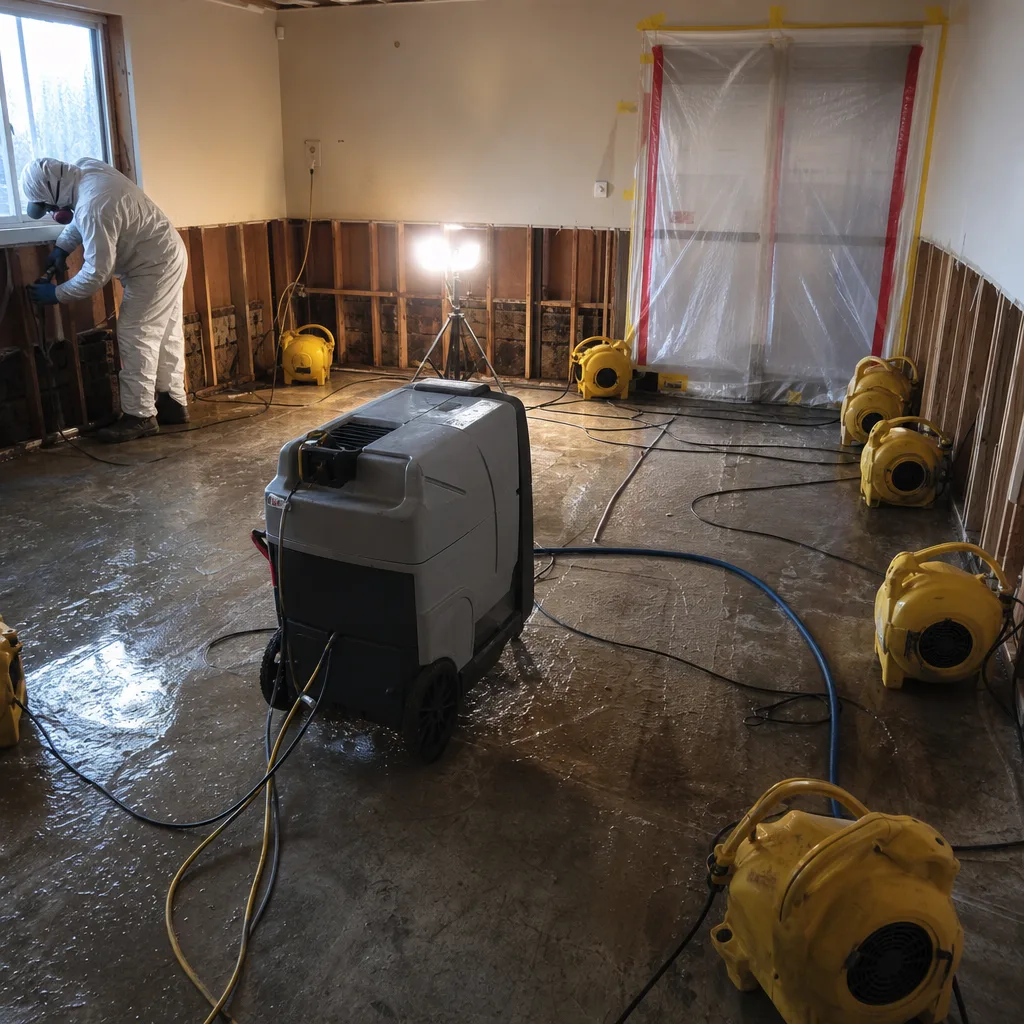
Burst Pipe Restoration
Artesia’s residential neighborhoods are dominated by 1950s-1970s post-WWII tract homes, many still carrying original galvanized supply lines. The mineral-heavy groundwater in this area accelerates pitting and corrosion, producing slow pinhole leaks that saturate drywall cavities long before homeowners notice visible damage. We don’t just repair the pipe and extract the water. We map the full extent of migration with thermal imaging and moisture meters, remove compromised drywall and insulation to the full extent of wetting, and dry the cavity before closing anything. A written scope, agreed and signed before reconstruction begins, prevents the scope creep that turns a simple pipe repair into a disputed invoice.
What happens when you call
- 1
A real person answersNo phone trees - you reach a local pro.
- 2
You get an upfront price rangeHonest numbers before anyone is dispatched.
- 3
A background-checked tech heads outLicensed & insured, dispatched right away.
- 4
You approve before work beginsNothing starts until you say go.
 Before
 After
AfterCommon Water Damage Restoration Problems We See in Artesia Homes
- Pinhole leaks in original galvanized supply lines pit against Artesia’s mineral-heavy groundwater and saturate drywall cavities before any visible stain appears. Homeowners often discover the damage only when baseboards swell or mold odor becomes noticeable.
- El Niño storm-drain backups on Artesia’s flat, low-lying streets push water up through the slab rather than only in from outside. Standard water extraction alone leaves subfloor framing wet; Injectidry panel drying or positive-pressure drying is usually required.
- Coastal salt air off the nearby Pacific corrodes garage-door springs, hinges, rollers, and opener chains years faster than inland hardware fails. After a water loss, that same salt-laden humidity keeps moisture readings elevated in attached garages, extending drying time and requiring corrosion inspection before we sign off.
- Hydrostatic moisture intrusion from the elevated water table affects slab-on-grade homes throughout Artesia, including neighborhoods near Artesia Park and along 183rd Street. This below-slab source doesn’t respond to standard extraction; it requires vapor barrier assessment and sometimes sub-slab depressurization.
Pricing for Water Damage Restoration in Artesia, CA
We publish ranges because Haven Standard, Clause 1 requires a written price before any work starts. Here’s what water damage restoration typically runs in Artesia’s market:
| Service | Typical Range in Artesia |
|---|---|
| Emergency water extraction (up to 1,500 sq ft) | $1,200 - $2,400 |
| Structural drying & dehumidification (3-5 day cycle) | $1,800 - $3,600 |
| Category 2-3 flood cleanup with disposal | $2,800 - $5,500 |
| Burst pipe restoration with limited drywall removal | $2,200 - $4,800 |
| Basement/crawl space water removal | $1,600 - $3,200 |
| Full pack-out, cleaning, and storage | $800 - $2,000 + monthly storage |
Actual cost depends on water category, affected square footage, and whether subfloor or slab-edge drying is required. Artesia’s elevated water table and slab-on-grade construction often add a day or two to drying cycles compared to raised-foundation homes in other markets. We deliver your written price after inspection, before any equipment runs. Free Second Opinion on any competitor’s written estimate - bring their scope and we’ll review it at no charge. Call (424) 347-8338.
We Also Serve Cities Near Artesia
Our crews respond daily to Water Damage Restoration in Artesia and surrounding communities: Cerritos to the north, La Palma to the northeast, Norwalk to the east, and Bellflower to the south. Each city’s housing stock and geology create distinct water damage patterns, and we adjust our drying protocols accordingly. Dispatch and scheduling are coordinated from our Los Angeles office.
Serving Artesia, CA - Our Local Coverage Area
We’re based in the Artesia area and know this community well. Use the map below to see our service coverage - if you’re nearby, we can almost certainly help.
FAQs - Water Damage Restoration in Artesia
Because the source is often below the slab, not above it. Artesia sits atop the West Coast Groundwater Basin with a historically elevated water table, so hydrostatic pressure pushes moisture upward through slab foundations continuously. Standard drying addresses the water that entered from a pipe or flood event, but misses the ongoing wicking from below. We map slab-edge moisture with calibrated meters, and if readings persist after surface drying, we recommend vapor barrier assessment or sub-slab depressurization. Call (424) 347-8338 for moisture mapping - estimates are free.
Mold colonization begins in 48-72 hours on wet organic materials, and Artesia’s warm climate accelerates that timeline. The original drywall in 1950s-1970s tract homes is often paper-faced gypsum, which molds readily when saturated by pinhole leaks in corroded galvanized lines. We set containment and begin drying within hours of your call, not days. Our daily moisture logs document when materials fall below the 16% moisture content threshold that halts mold growth. Call (424) 347-8338 for emergency response.
Yes, when contents are in the water’s path or when multi-unit coordination requires clearing space for drying equipment. The connected strip-mall bays along Pioneer Boulevard mean a single loss often affects four or five adjoining tenant spaces. We inventory, photograph, and pack out contents to our storage facility, documenting each item for the individual tenant’s claim. The photo record is included as standard, never an upsell. Call (424) 347-8338 to discuss commercial scope.
Category 1 is clean water from a supply line, category 2 is gray water with chemical or biological contamination (dishwasher discharge, sump pump failures), and category 3 is black water with pathogenic agents (sewage, street flooding, storm-drain backups). In Artesia, El Niño street flooding and storm-drain backups often produce category 2 or 3 water, even when the initial source looks clear. We classify on arrival and adjust PPE, containment, and disposal protocols accordingly. Category 2-3 losses cost more because they require antimicrobial treatment and more extensive material removal. Call (424) 347-8338 for classification and written scope.
Coastal salt air accelerates galvanic corrosion on steel springs, hinges, rollers, and opener chains by a factor of years compared to inland environments. After a water loss, the elevated humidity in an attached garage keeps moisture readings high and corrosion active. We inspect garage-door hardware as part of our post-drying walkthrough, and if we find corrosion that compromises spring integrity or roller function, we document it with photos for your adjuster. Replacing corroded hardware before spring failure prevents the safety hazard of a snapped high-tension spring. Call (424) 347-8338 for post-loss inspection.
Written by Alicia Brennan, Owner at Back to Dry Restoration, serving Artesia since 2011.
Water Damage Restoration in Nearby Areas