
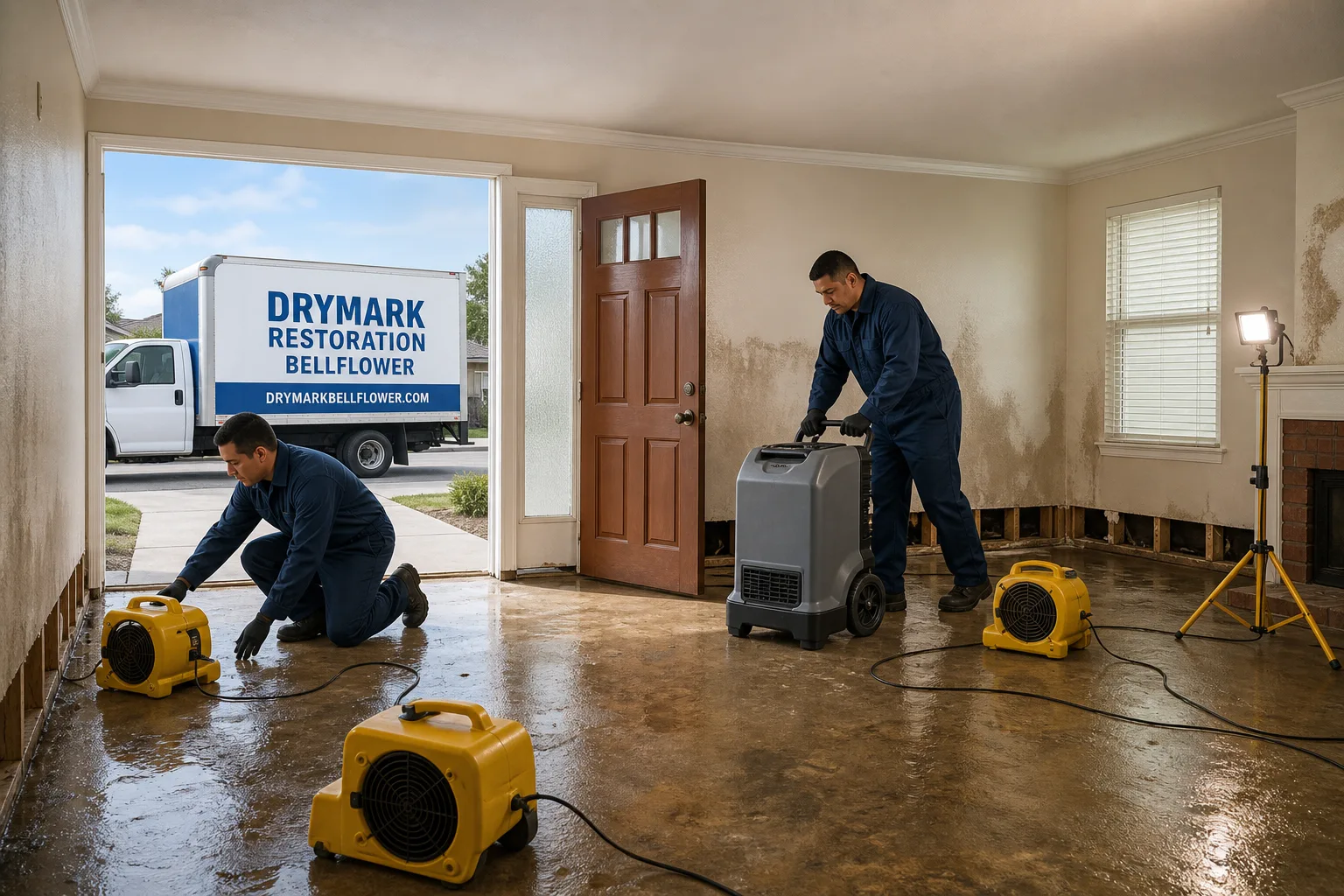
Free visual inspection and a written scope of work before any mitigation begins - photos, moisture readings, and drying logs go in your claim file
The scope we write is the scope we bill. Anything new gets shown to you, in writing, before we touch it.
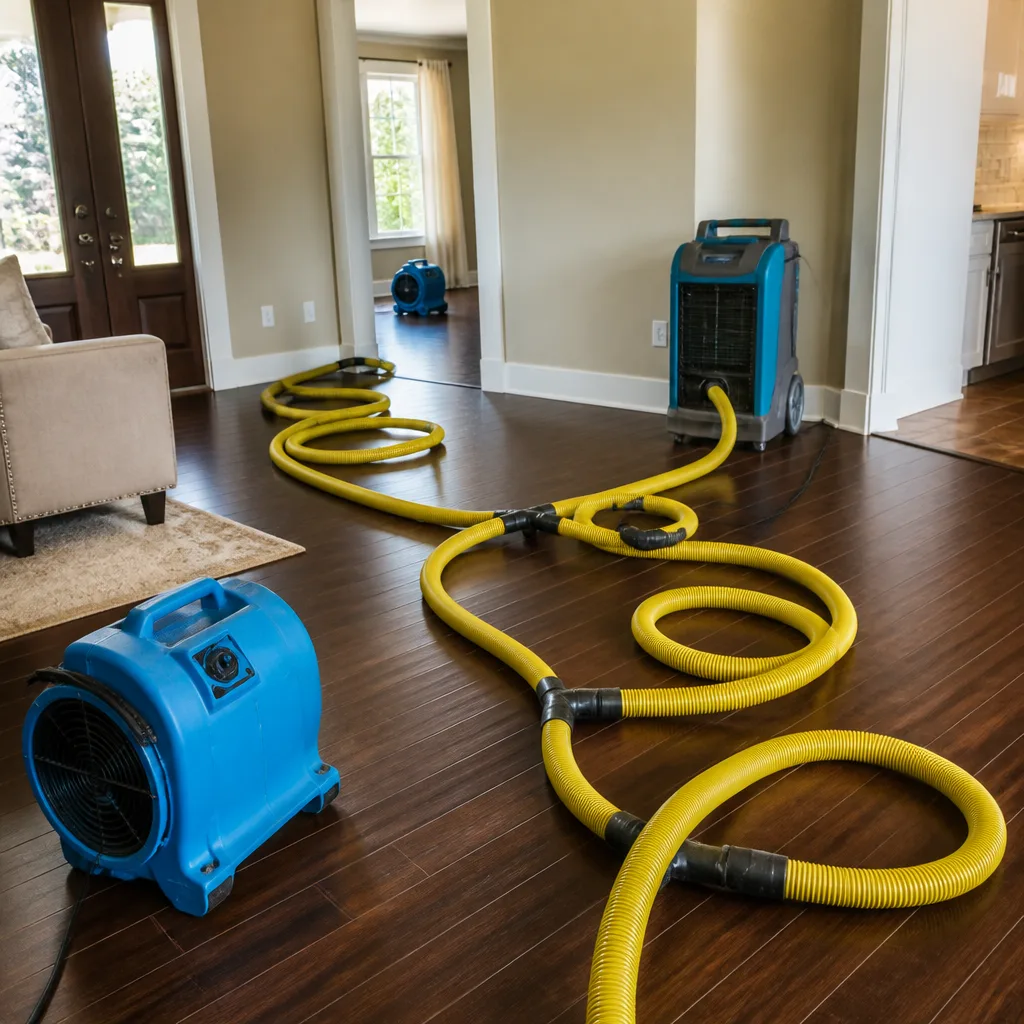
 Before
 After
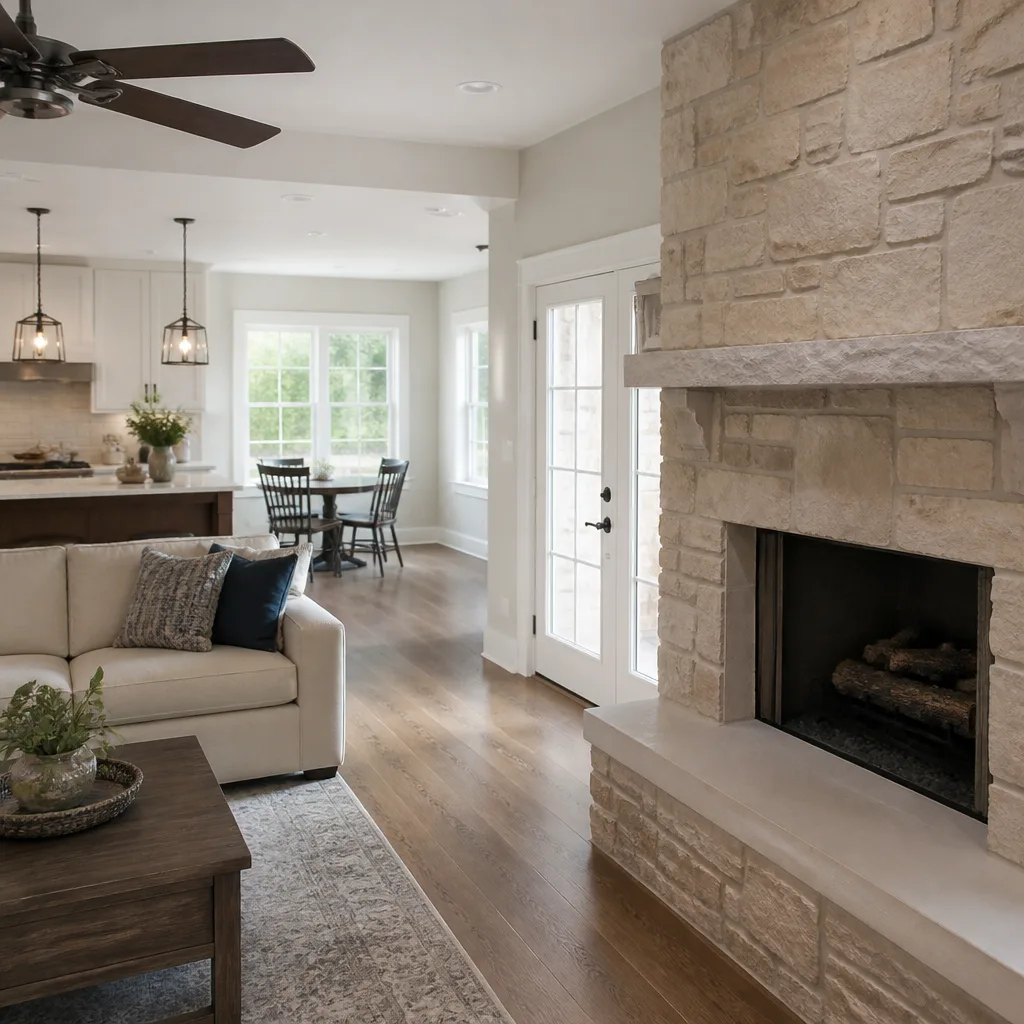
After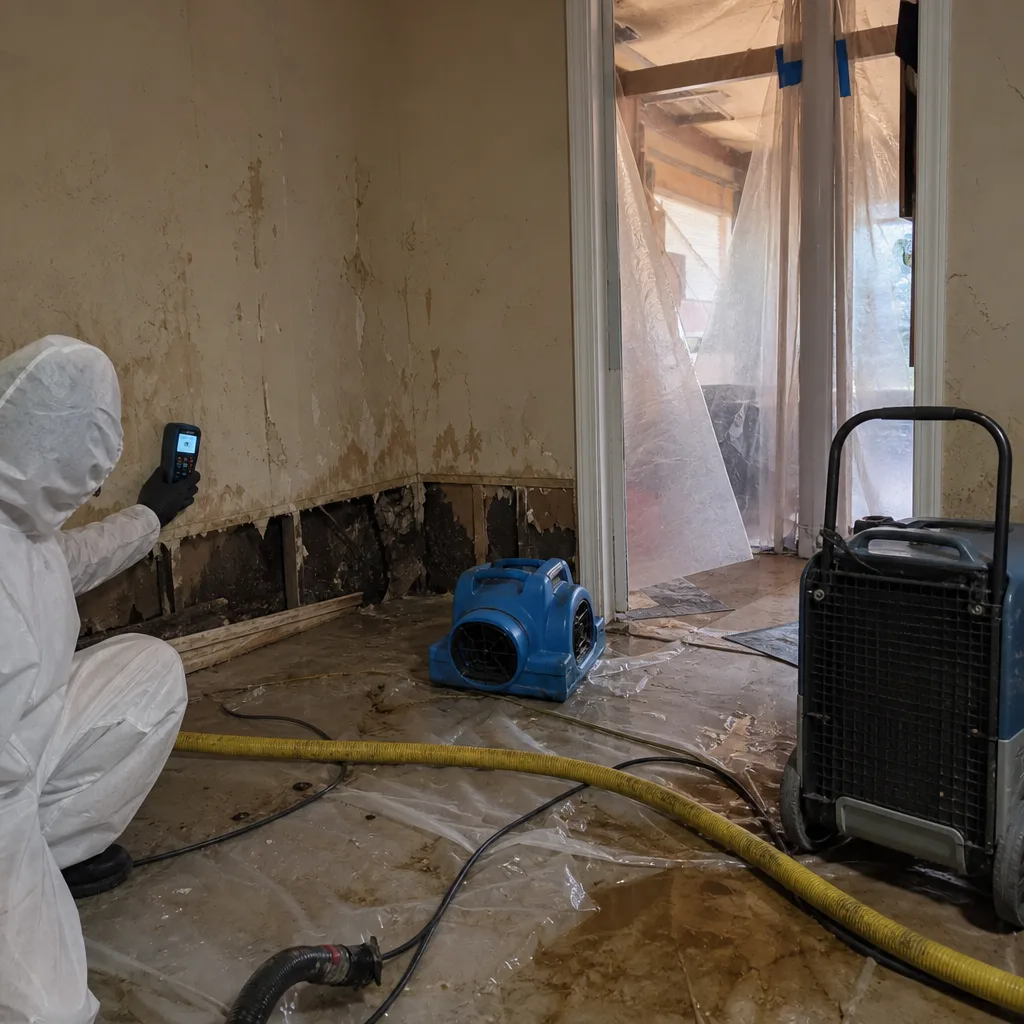 Before
 After
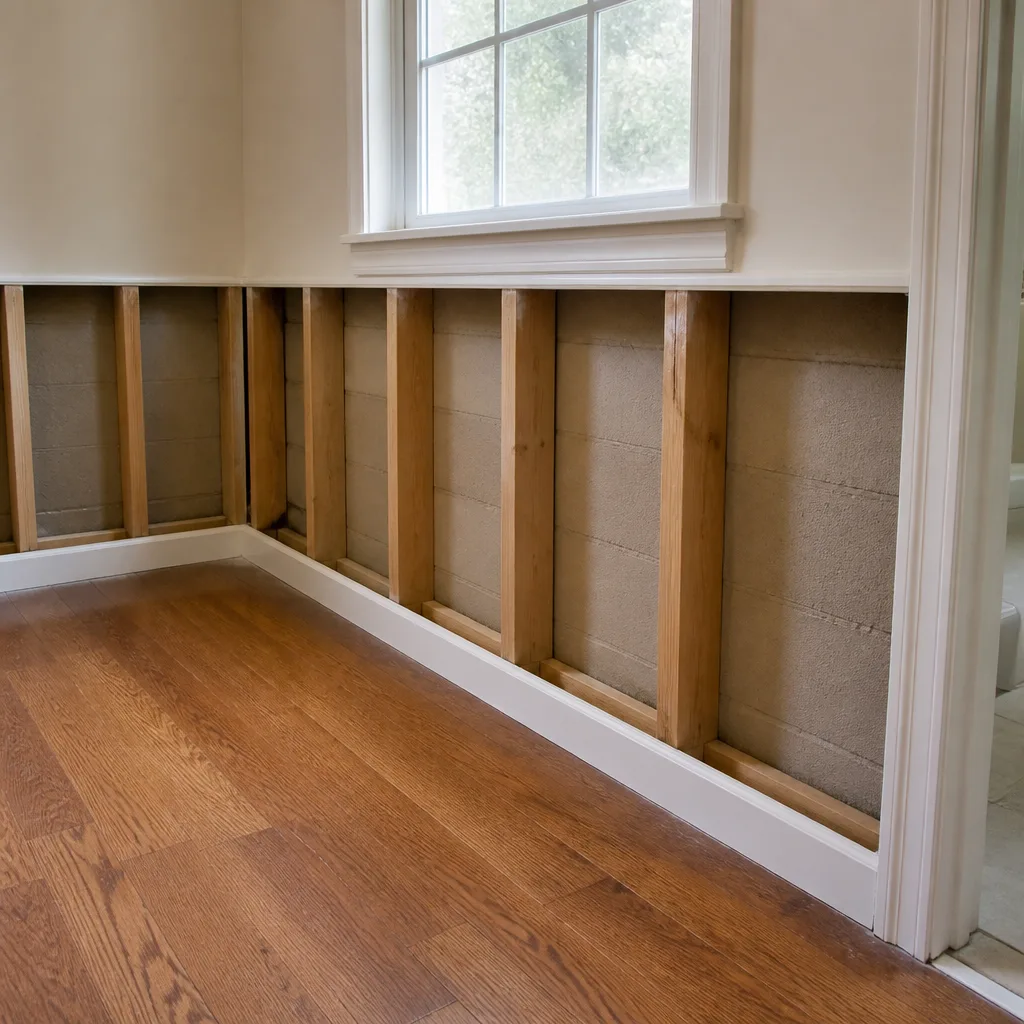
After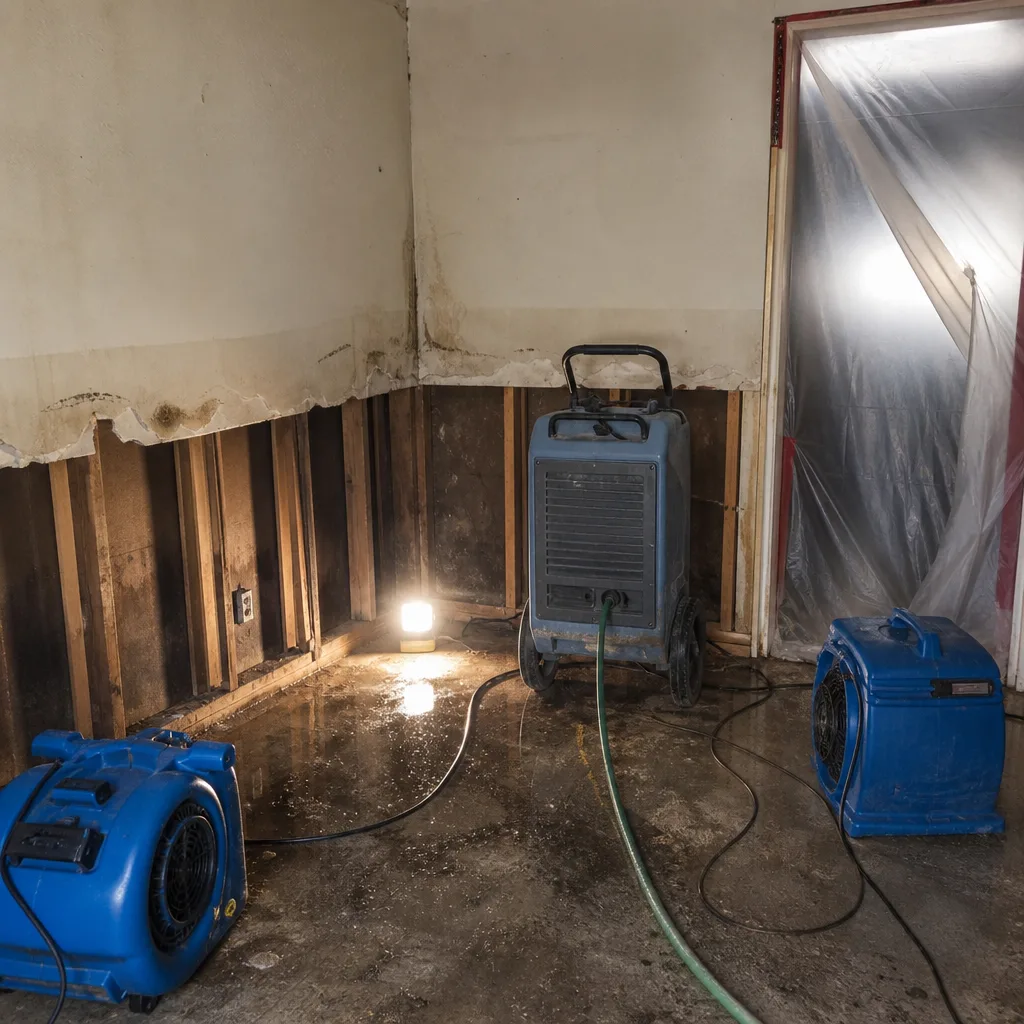 Before
 After
AfterFast, Reliable Water Damage Restoration Across Long Beach
Water damage restoration in Long Beach typically runs $2,800-$6,500 for a standard residential loss, with emergency extraction starting at $1,200 and structural drying adding $1,600-$4,200 depending on square footage and material saturation. Our crews are dispatched from our Los Angeles office and can be on-site anywhere in Long Beach within 45-60 minutes, including Belmont Shore, California Heights, and the Wrigley area. Call (424) 347-8338 now for a written price before any work begins.
We’ve restored water-damaged homes across Long Beach since 2011, and the pattern here is distinct from inland Southern California. The marine layer, port-adjacent salt air, and the legacy of oil-field subsidence beneath the west side create restoration challenges that generic contractors miss entirely. Our Water Damage Restoration team documents every moisture reading, every photo, every drying log to IICRC standards - the documentation that turns restoration invoices into payable insurance claims.
Why DryMark Restoration Bellflower Is Long Beach’s Preferred Water Damage Restoration Company
Back to Dry Restoration, led by Alicia Brennan, was founded in 2011 by a former claims adjuster who watched homeowners lose tens of thousands on denied claims because the restoration company couldn’t produce documented proof of work. That gap is why we built The Haven Standard. Every Long Beach job gets a written price before work starts (Haven Standard, Clause 1), a photo record on every visit, and daily moisture logs mapped room by room.
We’ve restored 12,000+ homes since 2011. Long Beach customers specifically mention our documentation in reviews - the adjuster didn’t fight the invoice because we had psychrometric data and photo timestamps. Live phone coverage answers 24 hours a day, 7 days a week with no voicemail trees; when water is still moving through your walls, you get a person, not a callback promise.
Our crews know Long Beach’s housing stock. The 1910s-1940s Craftsman bungalows in California Heights, Bluff Park, and Willmore City still carry original galvanized supply lines and clay sewer laterals that fail catastrophically. Mid-century soft-story apartments around downtown and Belmont Shore add multi-unit complexity when seismic displacement opens wall cavities or shifts sprinkler lines. We don’t guess at where water migrated; we map it with thermal imaging and moisture meters, then write the scope before anyone starts work.
Our Water Damage Restoration Services in Long Beach
Emergency Water Extraction
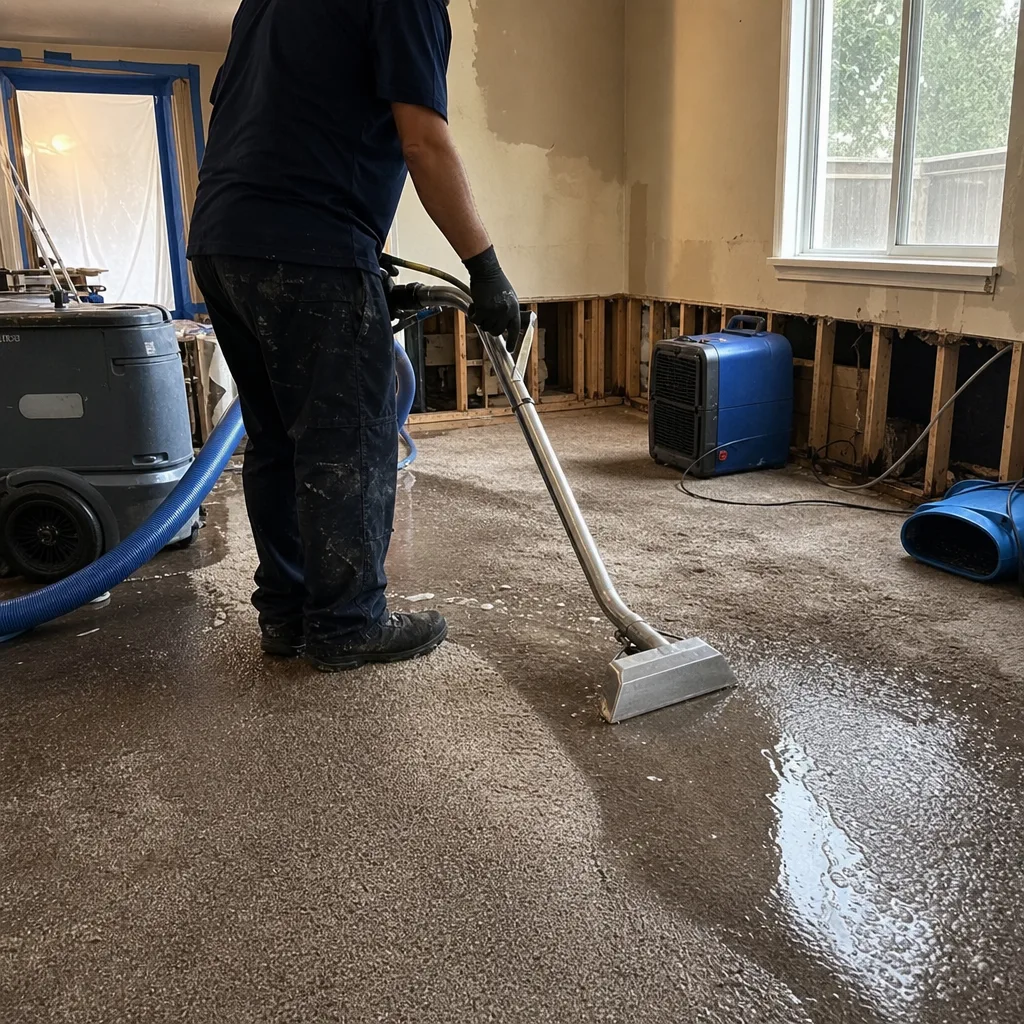
Standing water in a Long Beach home moves fast - through subfloors, into wall cavities, down through the settled slabs common in Wrigley and West Long Beach. Our extraction teams deploy truck-mounted systems and portable units for multi-story access, with enough capacity to handle flooded basements in Belmont Shore or saturated ground-floor units in downtown soft-story buildings. We extract to the point where structural drying can begin same-day, because every hour of delay in this humidity lets moisture migrate further into wood-lathe plaster and original framing.
Structural Drying & Dehumidification
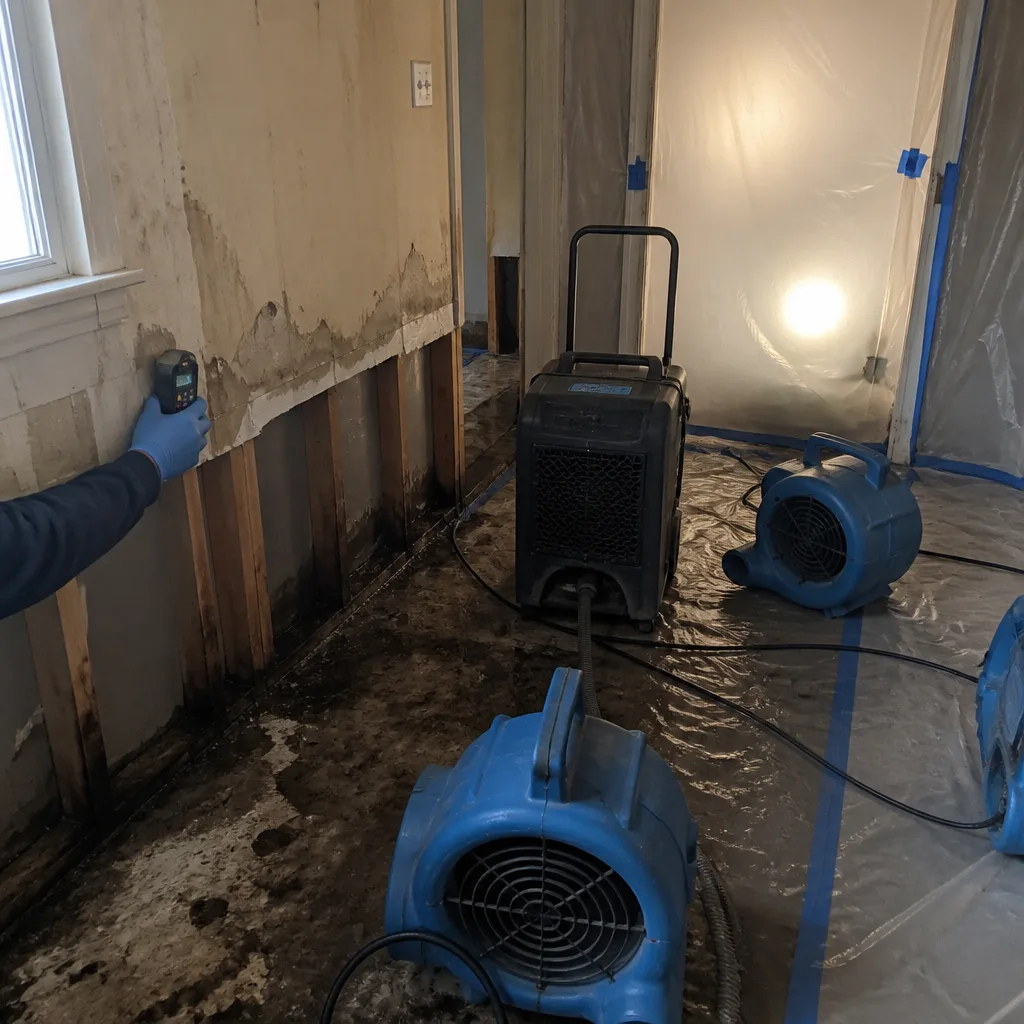
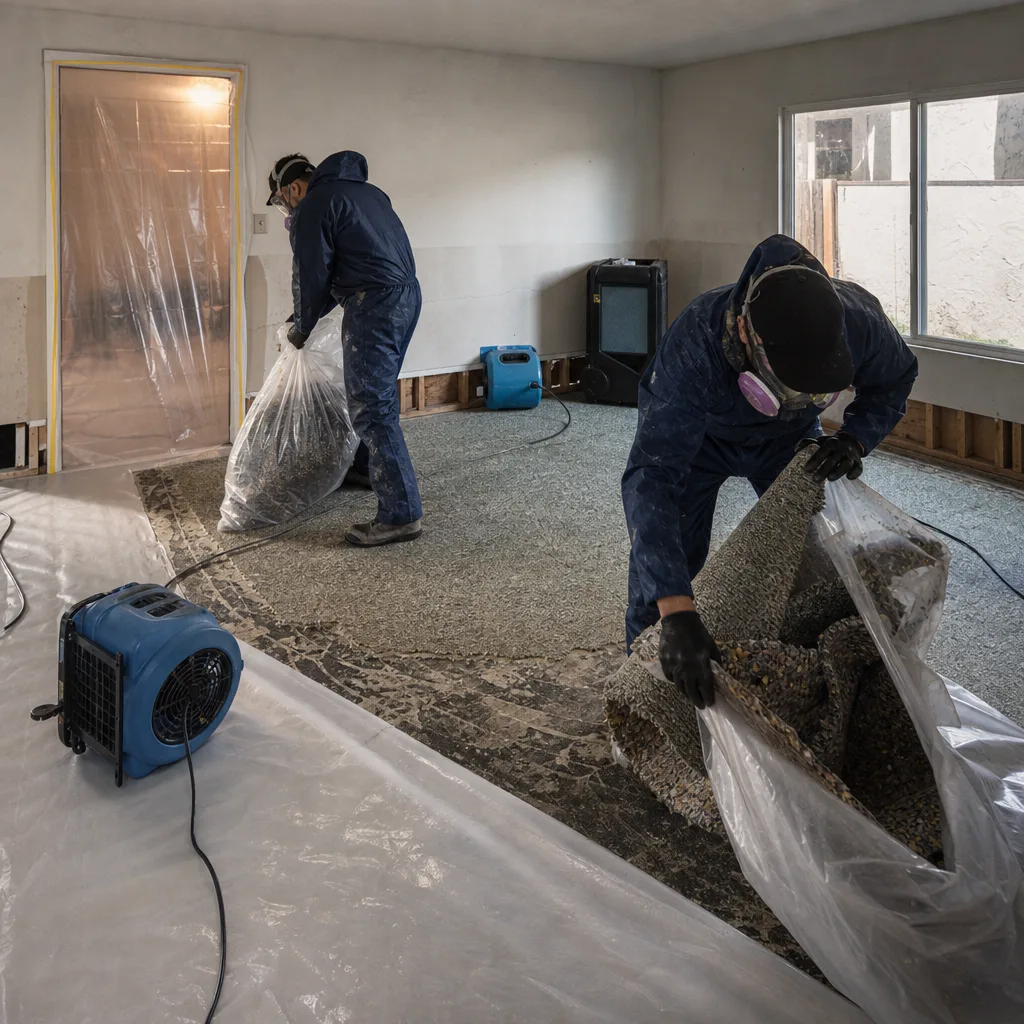
Long Beach’s persistent marine layer keeps indoor relative humidity elevated year-round, which means IICRC-standard drying timelines that inland cities hit in three days often stretch to five or six here. We oversize our dehumidification capacity to compensate - Phoenix and Dri-Eaz LGR units running parallel with Injectidry cavity-drying systems and XPOWER air movers to force vapor pressure differentials that overcome the ambient moisture load. Psychrometric data (temperature, relative humidity, and specific humidity readings) is logged every 24 hours and delivered with the final documentation packet. Tertiary drying, the final phase where hidden moisture equalizes with dry air, is where most contractors declare victory too early; we don’t remove equipment until the readings prove equilibrium.
Flood Cleanup
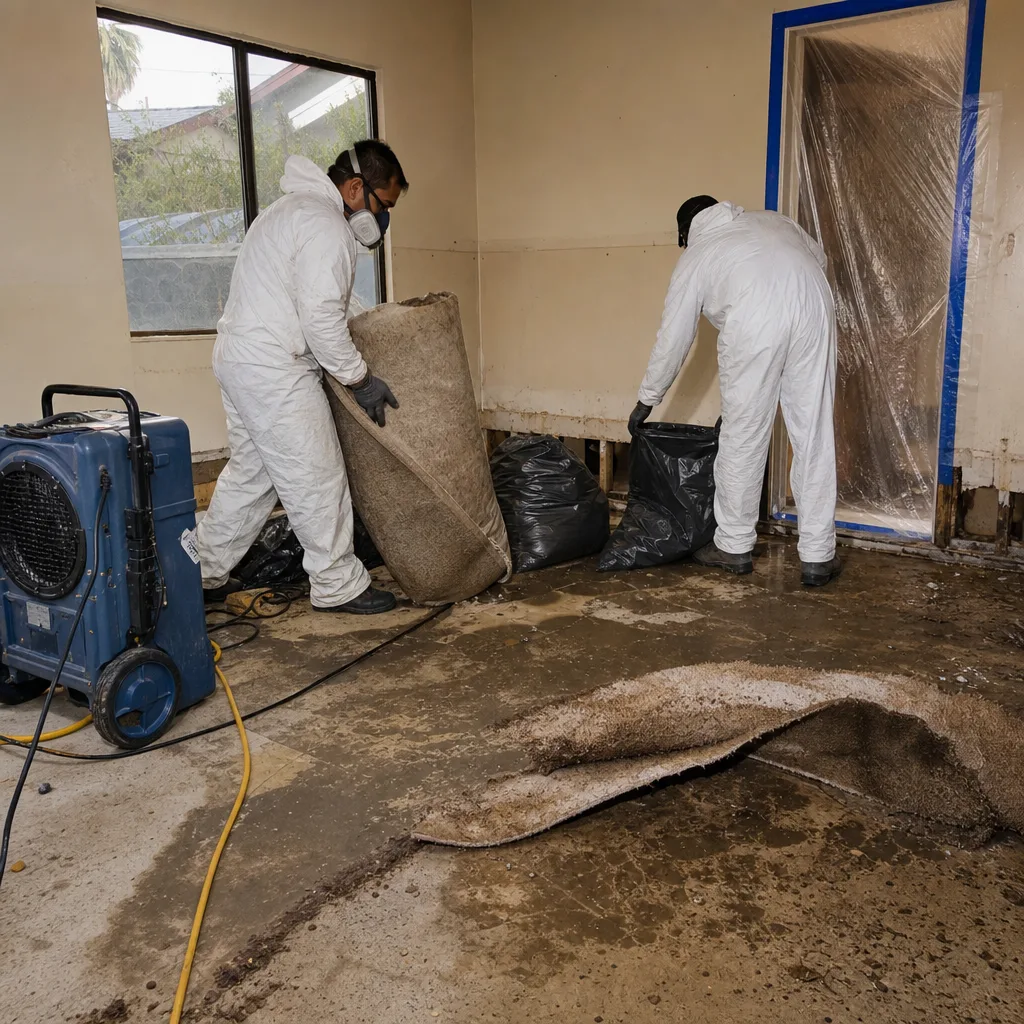
Long Beach’s coastal position means storm-surge flooding, king-tide backup through compromised drainage, and the occasional water-main break on aging infrastructure. Floodwater in this market often carries salt and diesel particulate from port-adjacent air, which accelerates corrosion of HVAC components, fasteners, and subfloor hardware that standard flood scopes might miss. Our flood cleanup includes corrosion assessment of mechanical systems and structural fasteners, with replacement recommendations documented in the written scope before work proceeds.
Burst Pipe Restoration
In California Heights, a burst pipe in a 1920s Craftsman soaked original galvanized supply lines and wood-lathe plaster walls; our tech pulled moisture readings showing elevated MC across three rooms, mapped the hidden migration, applied antimicrobial treatment, and ran structural drying with Dri-Eaz and Phoenix dehumidification for four days to reach IICRC dry standard. What looked like a Category 1 loss had also wicked through a hairline foundation crack the marine layer had been feeding for years - we flagged it in the drying logs and recommended a structural review before pack-out. That’s standard practice on every Long Beach burst pipe call: trace the visible water, then trace where it went that you can’t see.
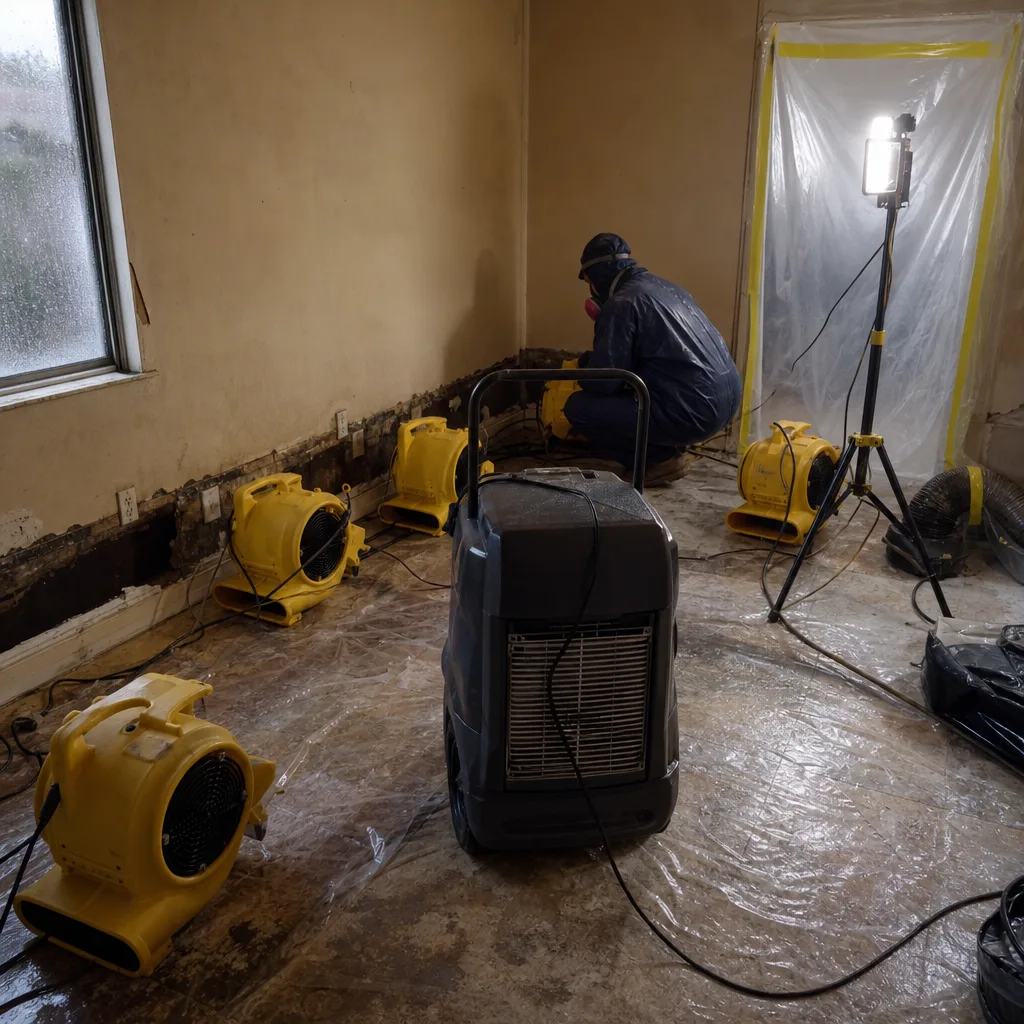
What happens when you call
- 1
A real person answersNo phone trees - you reach a local pro.
- 2
You get an upfront price rangeHonest numbers before anyone is dispatched.
- 3
A background-checked tech heads outLicensed & insured, dispatched right away.
- 4
You approve before work beginsNothing starts until you say go.
 Before
 After
AfterTrusted Brands We Service in Long Beach
Our equipment inventory for Long Beach jobs includes professional-grade drying systems from Phoenix, Dri-Eaz, and XPOWER - brands selected for performance in high-humidity coastal environments where consumer-grade units fail. We stock Injectidry cavity-drying panels for the lath-and-plaster walls common in Long Beach’s historic districts, and maintain enough dehumidifier capacity to handle multiple concurrent losses during storm season. Parts and replacement hardware are inventoried locally, so equipment swaps don’t delay drying timelines when a unit needs service mid-job.
Common Water Damage Restoration Problems We See in Long Beach Homes
- Corroded garage-door hardware after water losses. Coastal salt air off the port corrodes springs, hinges, rollers, and opener chains years before inland Cerritos or Downey sees the same wear. Water-loss scopes often miss corroded subfloor fasteners and track hardware that should be replaced - we inspect and document these as part of our standard assessment.
- Extended drying timelines from marine-layer humidity. The persistent marine layer keeps indoor relative humidity elevated, slowing structural drying and stretching IICRC-standard drying timelines well beyond what an inland job requires. Air movers and dehumidification must be oversized to compensate; moisture mapping gaps appear fast if equipment is underspecified.
- Pre-existing foundation damage in Wrigley and West Long Beach. In neighborhoods sitting directly over the old oil-extraction subsidence zone, pulling back water-damaged flooring reveals buckled subfloors, gaps at the sill plate, and failed vapor barriers from decades of differential settling - requiring a structural engineer’s sign-off before drying equipment can even be staged.
- Hidden moisture in wood-lathe plaster walls. Long Beach’s concentration of 1910s-1940s homes with original construction means water wicks through plaster and lath far longer than modern drywall, concealing saturation that moisture meters on the surface miss. Thermal imaging and invasive probing are standard on every historic-home assessment.
Pricing for Water Damage Restoration in Long Beach, CA
Most residential water damage restoration in Long Beach falls between $2,800 and $6,500, with specific line-item ranges as follows:
- Emergency water extraction: $1,200-$2,400
- Structural drying & dehumidification: $1,600-$4,200
- Antimicrobial treatment (Category 2 or 3): $400-$900
- Content pack-out and storage: $800-$2,500
- Foundation moisture inspection (Wrigley/West Long Beach): $350-$650
What moves the price: square footage affected, material classification (carpet vs. hardwood vs. lath-and-plaster), category of water (clean, gray, or black), and whether pre-existing conditions like subsidence damage require engineering review before drying begins. Long Beach’s marine-layer humidity typically adds 20-30% to equipment rental days compared to inland markets - that’s not markup, it’s the physics of drying in saturated ambient air.
Haven Standard, Clause 1: your written price is delivered before anyone starts work, with no scope-creep additions once the crew is inside. Free Second Opinion on any competitor’s written estimate - bring us their quote and we’ll review it at no charge. Call (424) 347-8338.
We Also Serve Cities Near Long Beach
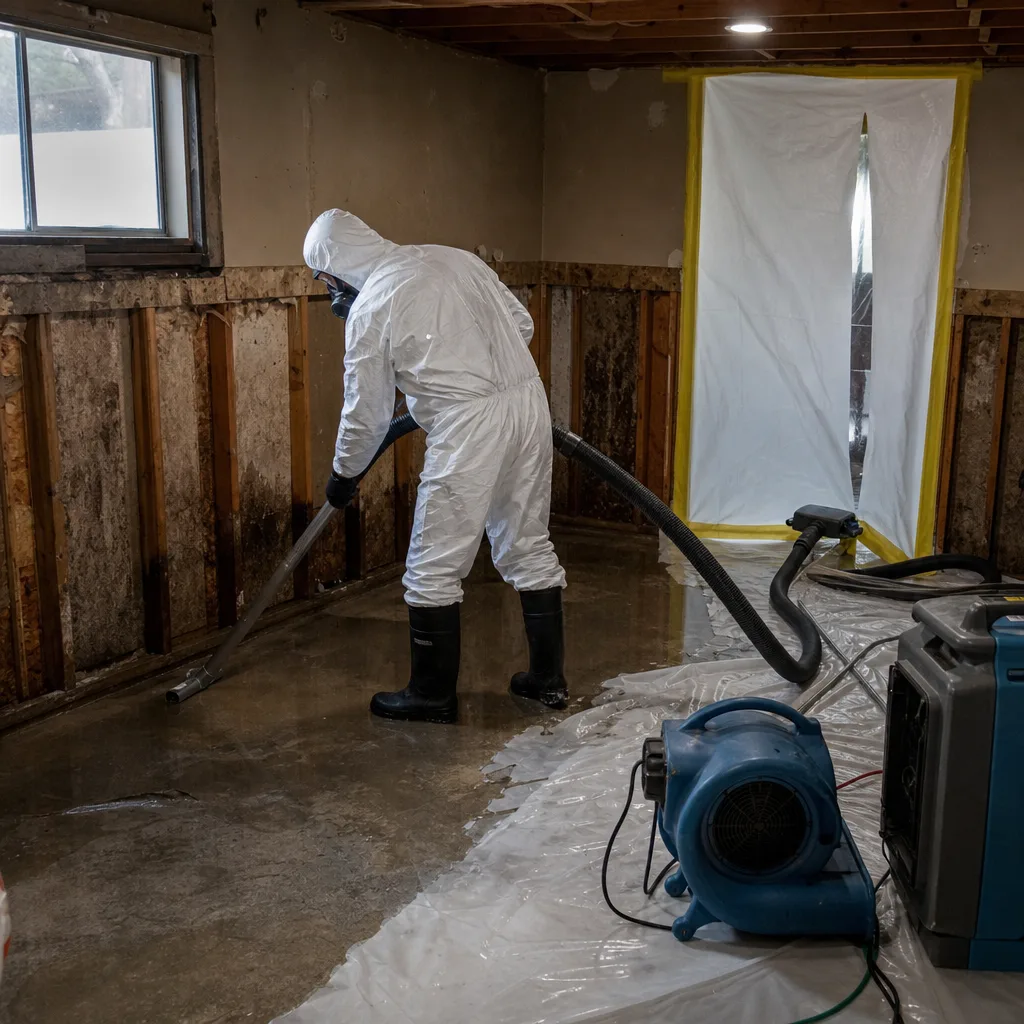
Our crews respond daily to Water Damage Restoration in Long Beach and the surrounding communities - Signal Hill, Carson, Seal Beach, and Lakewood. Each market has distinct conditions: Signal Hill’s hilltop exposure dries faster but sees more wind-driven rain intrusion; Carson’s industrial adjacency brings different contaminant profiles; Seal Beach shares Long Beach’s marine-layer challenges with added flood risk from the San Gabriel River; Lakewood’s postwar slab construction behaves nothing like Long Beach’s historic footings. We adjust equipment specs and drying protocols accordingly, documented in every scope.
Serving Long Beach, CA - Our Local Coverage Area
We’re based in the Long Beach area and know this community well. Use the map below to see our service coverage - if you’re nearby, we can almost certainly help.
FAQs - Water Damage Restoration in Long Beach
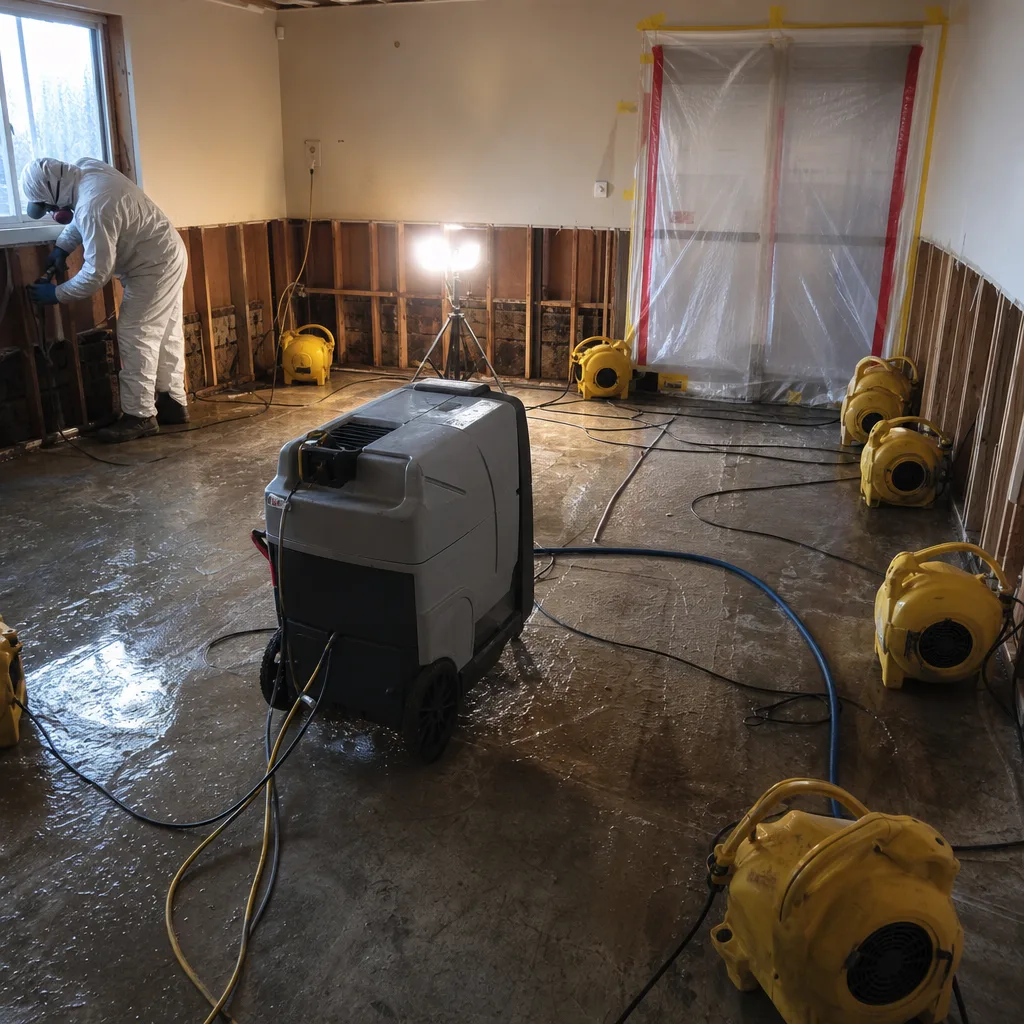
Long Beach’s persistent marine layer keeps indoor relative humidity elevated year-round, which slows the evaporation rate from wet materials and extends IICRC-standard drying timelines by 20-40% compared to inland cities. We compensate by oversizing dehumidification capacity and running longer equipment cycles, with daily psychrometric logs proving progress. Call (424) 347-8338 for a written scope that accounts for your specific ambient conditions.
It can, if the crack predates the current loss and allowed chronic moisture infiltration that complicates the covered damage assessment. In Wrigley and West Long Beach, differential settling from the old Wilmington Oil Field subsidence zone means hairline cracks are often decades old, not new from the water event. We document the crack’s condition with photos and moisture readings, flag it in our drying logs, and recommend a structural engineer’s review - this protects your claim by separating pre-existing conditions from covered loss. Haven Standard documentation is designed precisely for this adjuster conversation.
Yes - salt-laden, diesel-particulate air in port-adjacent western neighborhoods accelerates corrosion of springs, hinges, rollers, tracks, and opener chains by several years compared to inland wear patterns. After a water loss, submerged or humidity-exposed hardware degrades even faster; we inspect and document corrosion as part of our standard assessment, with replacement recommendations in the written scope before work proceeds. Ignoring this produces callbacks when the door fails six months later.
Category 1 is clean water from a broken supply line or overflowing sink; Category 2 is gray water with contamination from dishwasher discharge, washing machine overflow, or sump pump failure. In Long Beach’s older housing stock, a Category 1 loss often becomes Category 2 when it migrates through aging clay sewer laterals, contaminated soil, or corroded galvanized lines - we test and reclassify when readings indicate contamination, because the category determines antimicrobial protocol, disposal requirements, and insurance coverage. The written scope specifies the classification and the documentation supporting it.
Mold colonization can begin in 24-72 hours in Long Beach’s elevated humidity, with soft-story apartments around Belmont Shore particularly vulnerable because shared wall cavities allow moisture migration across multiple units before visible signs appear. We deploy structural drying within hours of extraction, with moisture mapping to identify hidden colonization risks in common walls and ceiling plenums. The 365-Day Done Right Promise covers any mold recurrence traceable to incomplete drying - if it’s not done right, we make it right.
Written by Alicia Brennan, Owner at Back to Dry Restoration, serving Long Beach since 2011.