
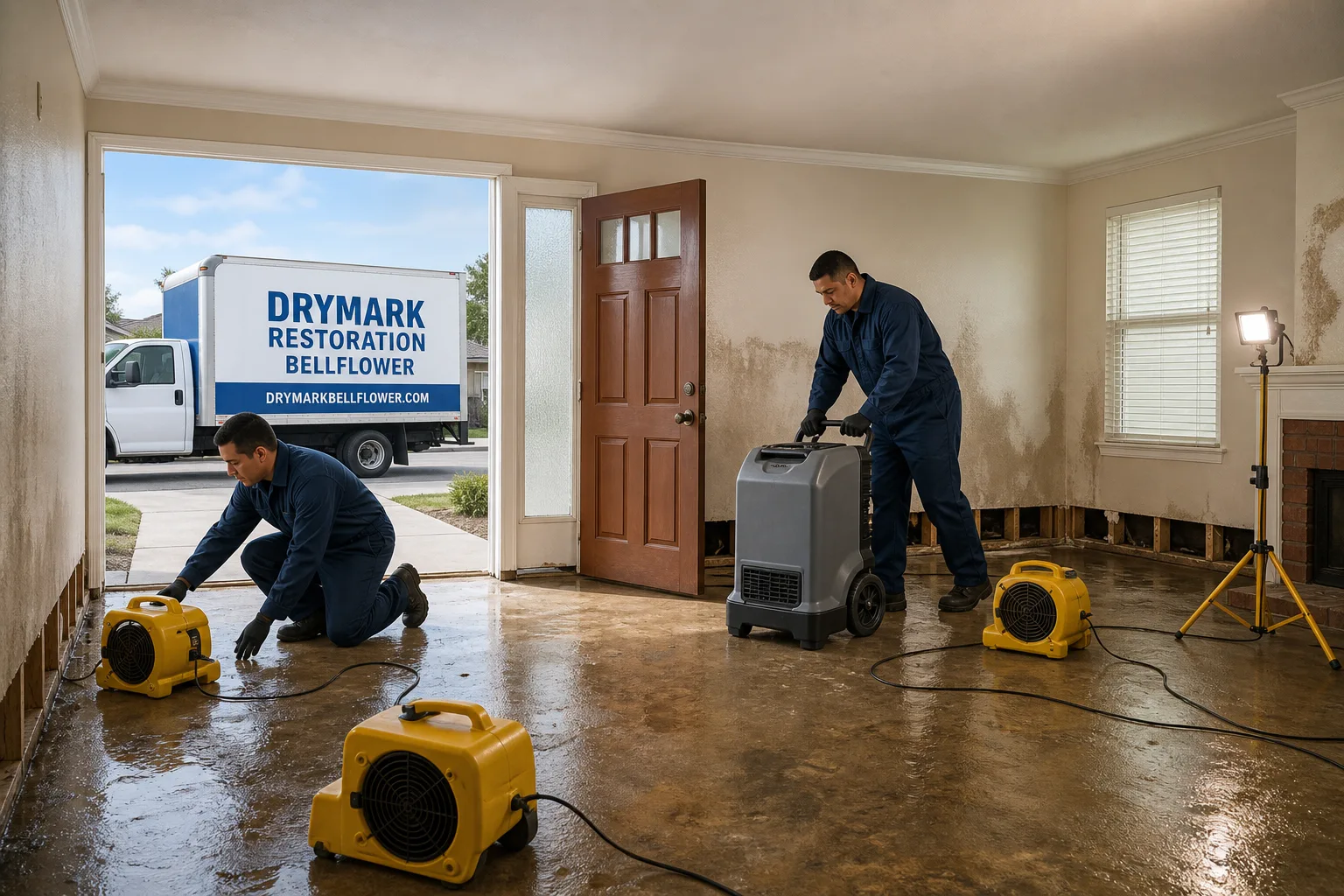
Free visual inspection and a written scope of work before any mitigation begins - photos, moisture readings, and drying logs go in your claim file
The scope we write is the scope we bill. Anything new gets shown to you, in writing, before we touch it.
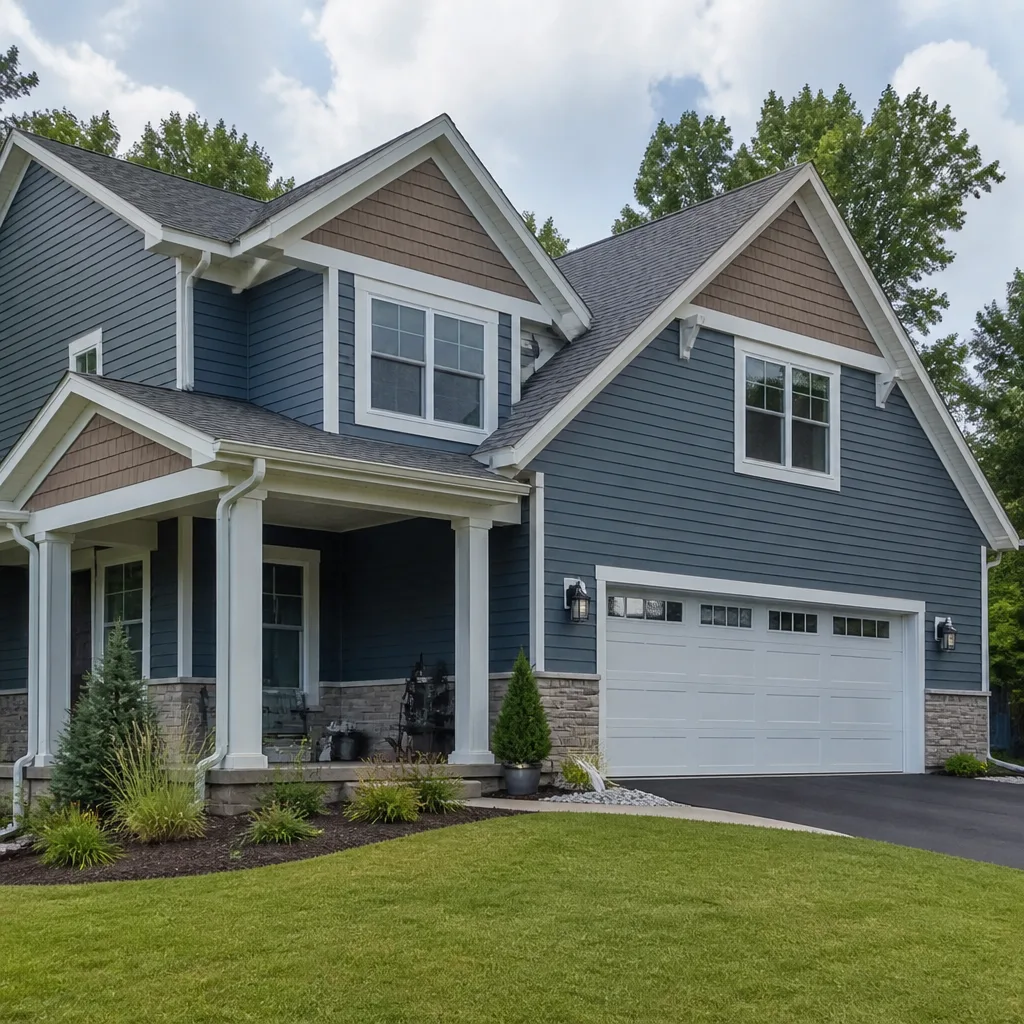
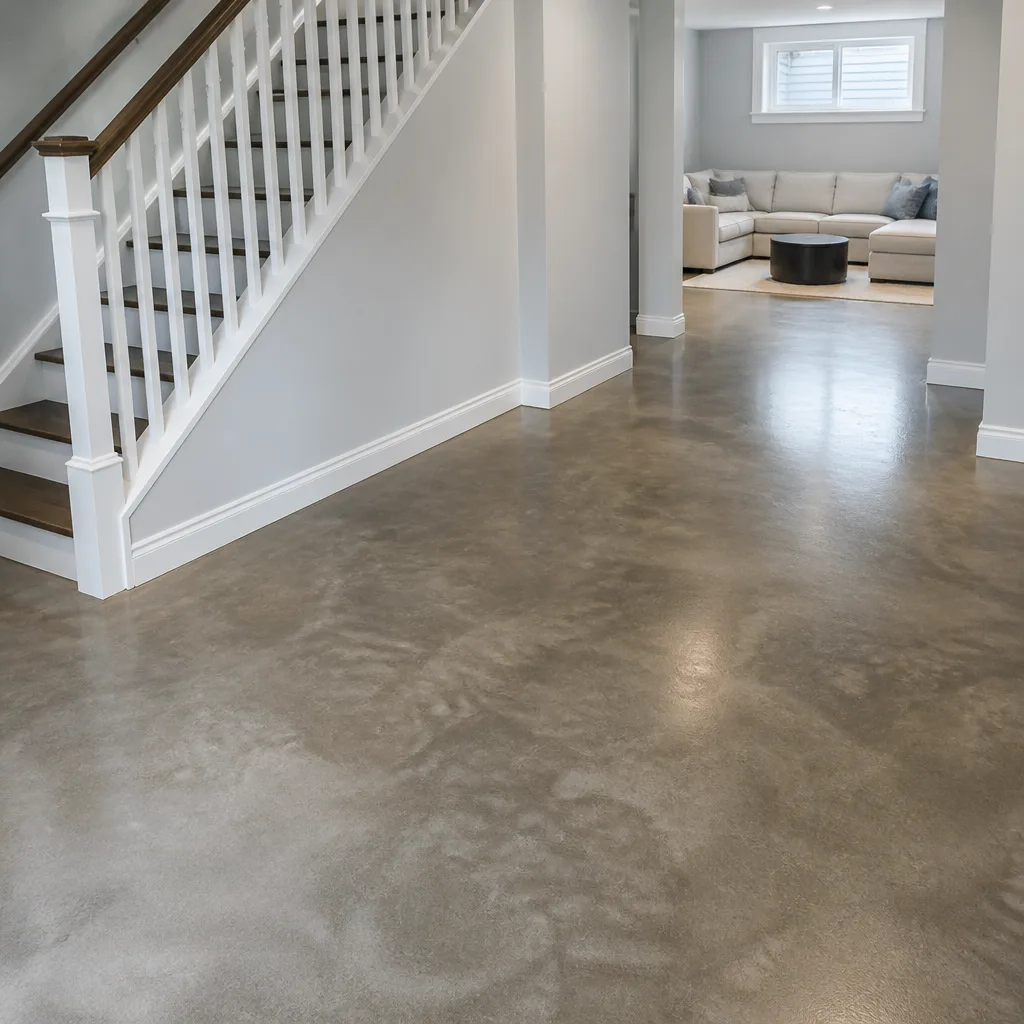
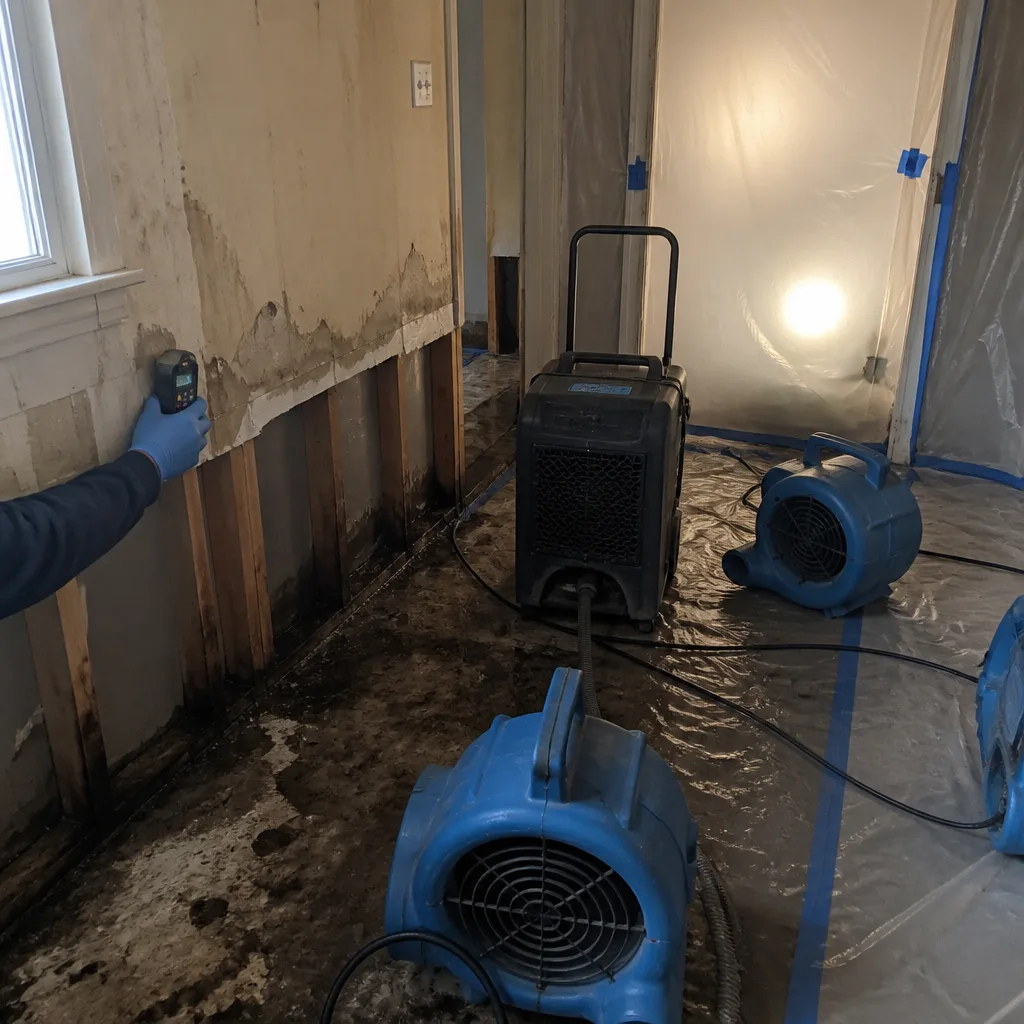 Before
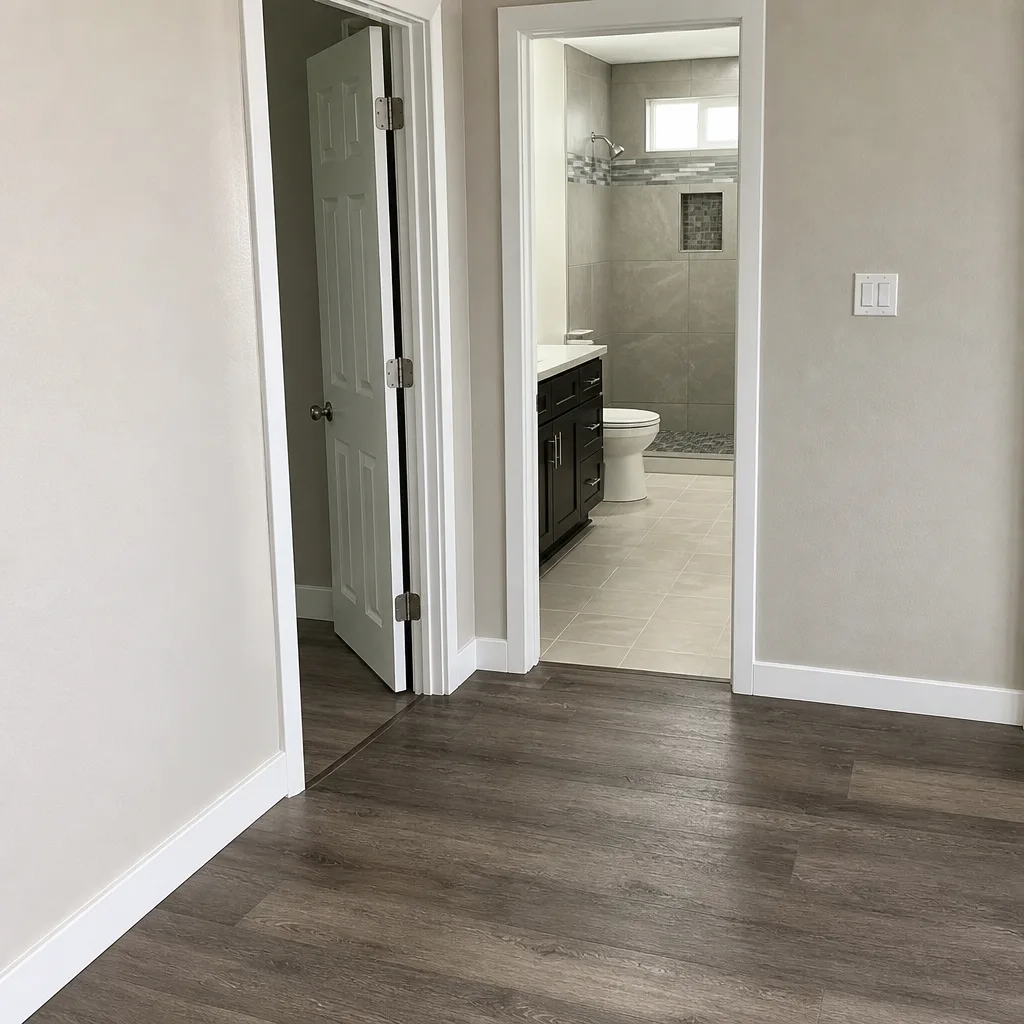 After
After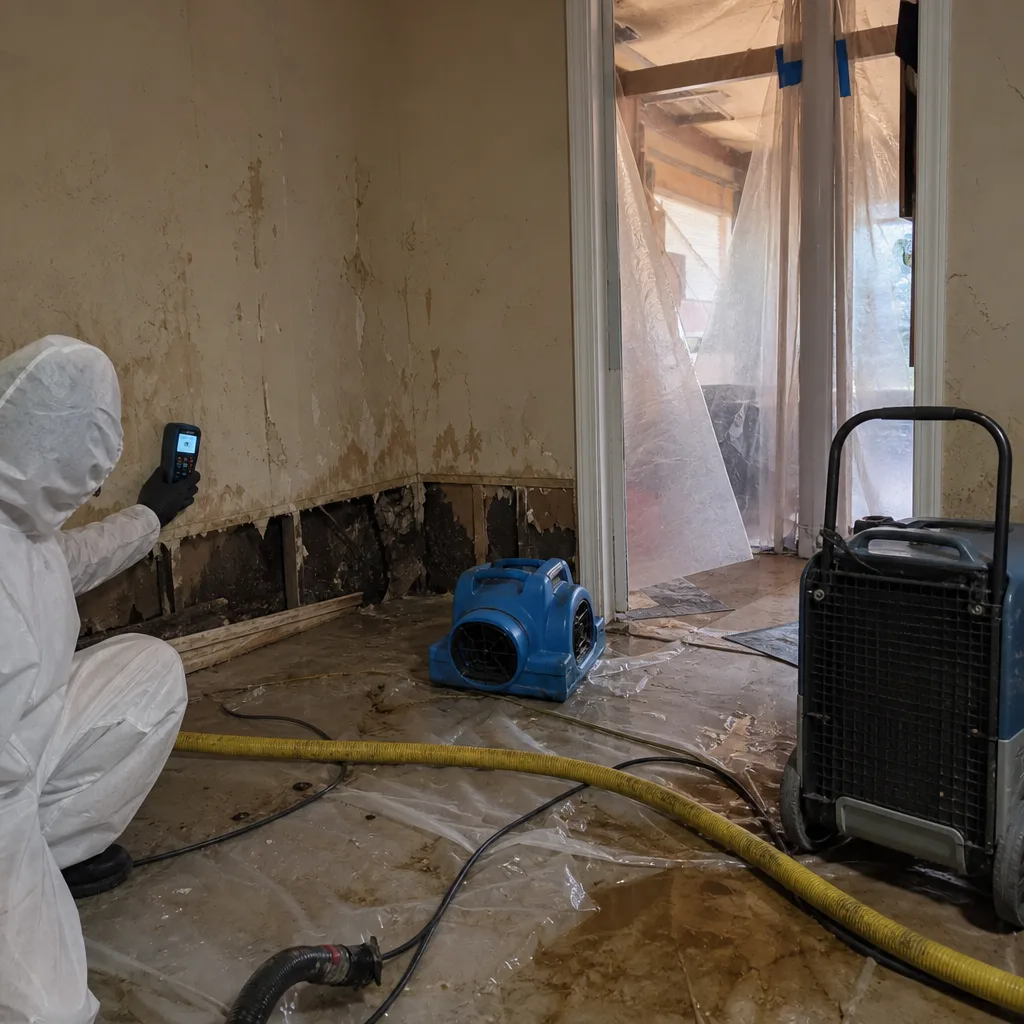 Before
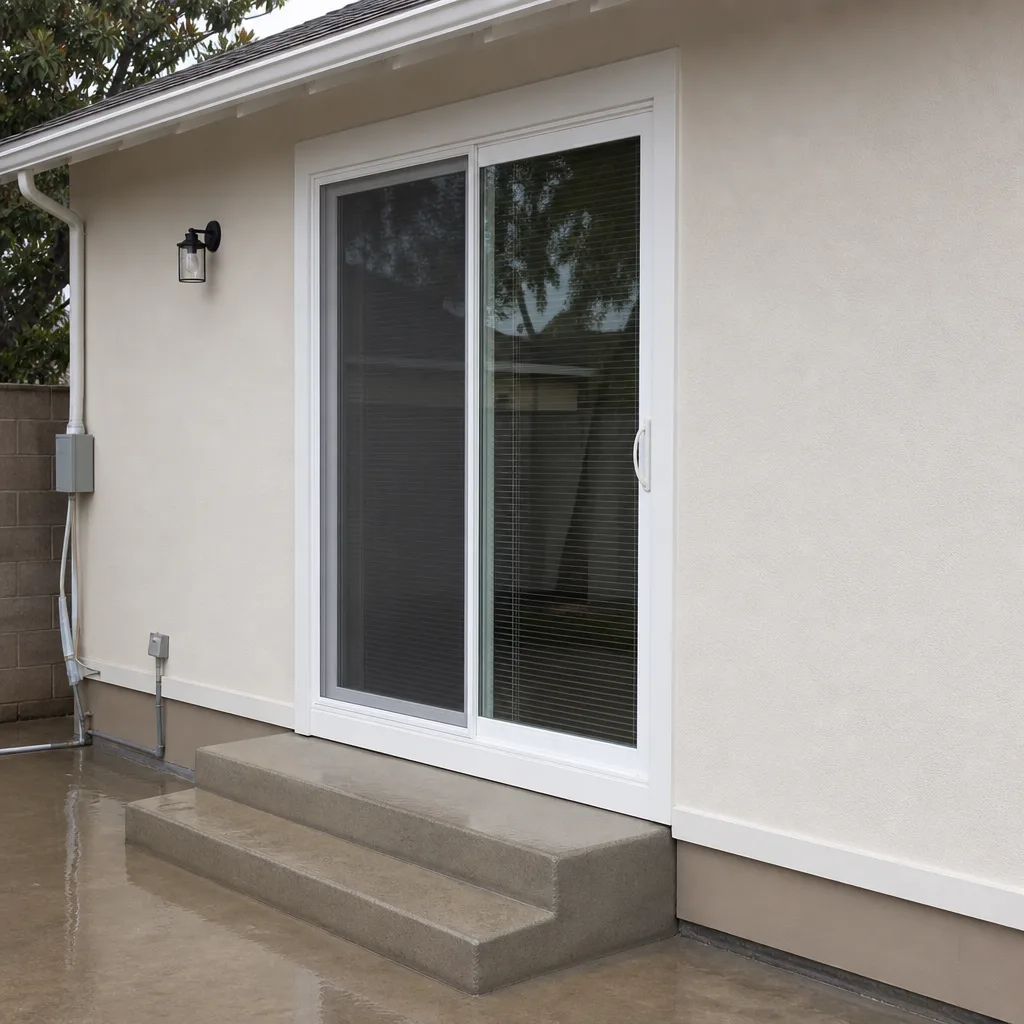 After
After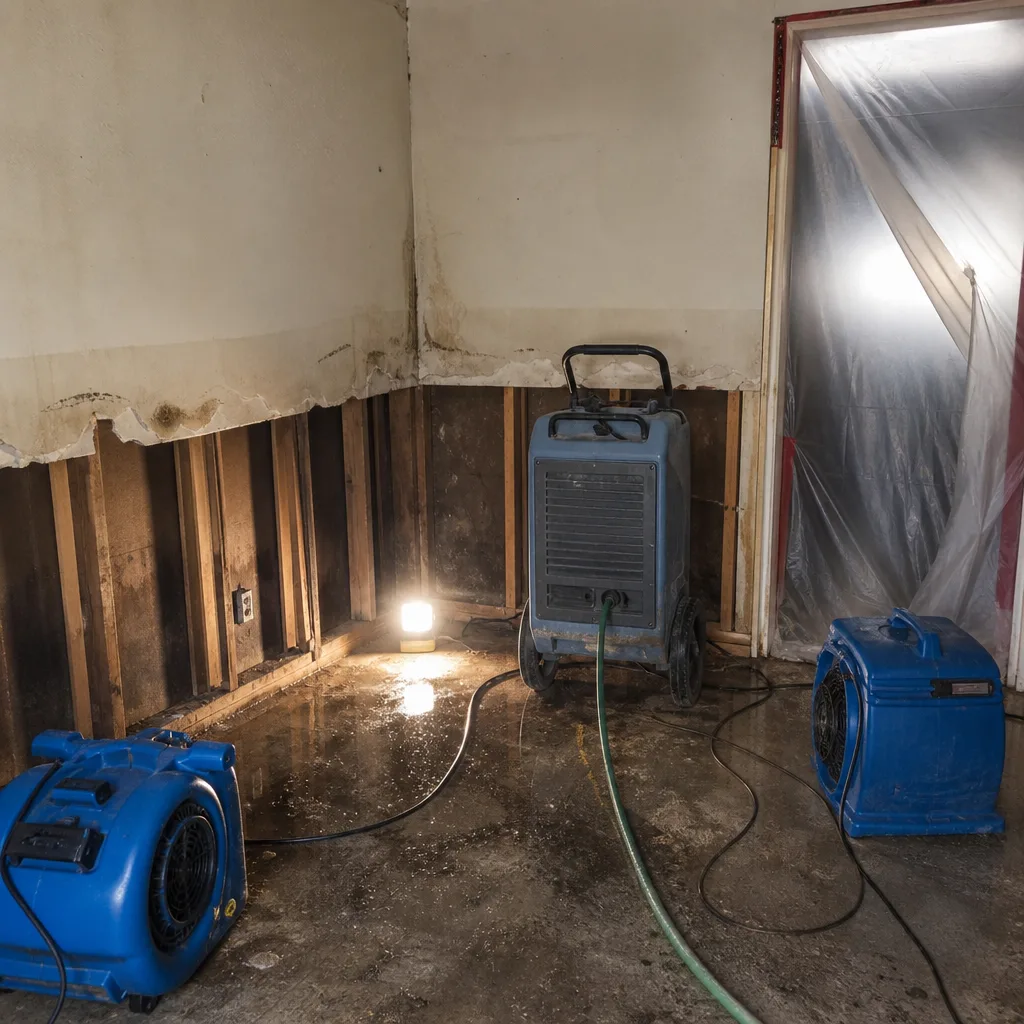 Before
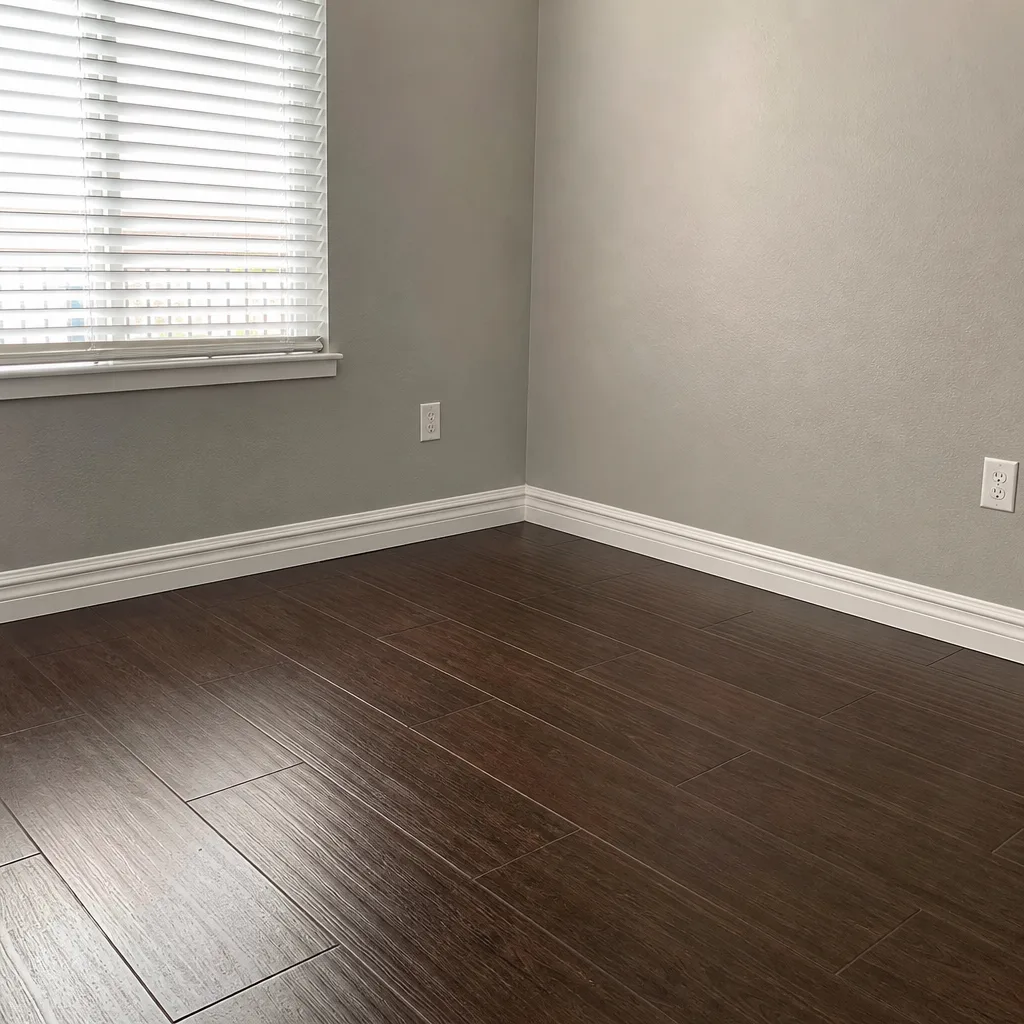 After
AfterFast, Reliable Water Damage Restoration Across Lynwood
Water damage restoration in Lynwood typically costs $2,800-$7,500 for a standard mitigation job, with emergency extraction starting at $1,200-$2,400 and full structural drying running $3,500-$6,800 depending on square footage and contamination class. Most Lynwood homes built between the 1940s and 1960s require asbestos assessment before tearout can begin, which adds $800-$1,500 to the initial scope but prevents a regulated abatement project that could double both cost and timeline.
We’re Back to Dry Restoration, and our crews are dispatched from our Los Angeles office to Lynwood daily. We know the postwar tract homes along Atlantic Avenue, the bungalow courts near Lynwood Park, and the slab-on-grade foundations that dominate neighborhoods from Fernwood to Lynwood Village. When water moves through these structures, it doesn’t behave like it does in newer construction. The original galvanized supply lines, layered flooring systems, and flat paved lots that drain toward aging storm systems create damage patterns we’ve documented across thousands of Lynwood-area jobs since 2011.
Call (424) 347-8338 now. A live person answers, 24 hours a day, 7 days a week. No voicemail while water is still moving through your walls.
Why Back to Dry Restoration Is Lynwood’s Preferred Water Damage Restoration Company
We’ve restored more than 12,000 homes since 2011, every one with a written price before work started and a photo-documented record when the crew left. That documentation-first approach was built by Alicia Brennan, our founder and a former claims adjuster who watched too many homeowners lose their insurance fights because of sloppy drying logs and missing moisture readings.
In Lynwood specifically, our reputation rests on stopping the tearout the moment we see 9×9-inch vinyl-asbestos tile. Competitors rush past that signal. We don’t. Our Water Damage Restoration team is trained to moisture-map first, document the slab condition, and contain the work area before a single regulated material is disturbed. Landlords and homeowners in the 90262 ZIP code call us back because their claims get paid without the adjuster’s second-guessing that follows an undocumented abatement trigger.
Response time to Lynwood averages 45-60 minutes from dispatch confirmation during peak hours, faster to the bungalow courts between Long Beach Boulevard and Atlantic Avenue where we’ve mapped repeat supply-line failure patterns. Every technician is background-checked, uniformed, and licensed; their license number is provided on your written scope before any equipment is deployed.
We coordinate directly with your insurance adjuster, deliver photo documentation as a standard deliverable never an upsell, and back every job with our 365-Day Done Right Promise under The Haven Standard. If it’s not done right, we make it right. That’s not marketing language. It’s a signed guarantee with a clause number.
Our Water Damage Restoration Services in Lynwood
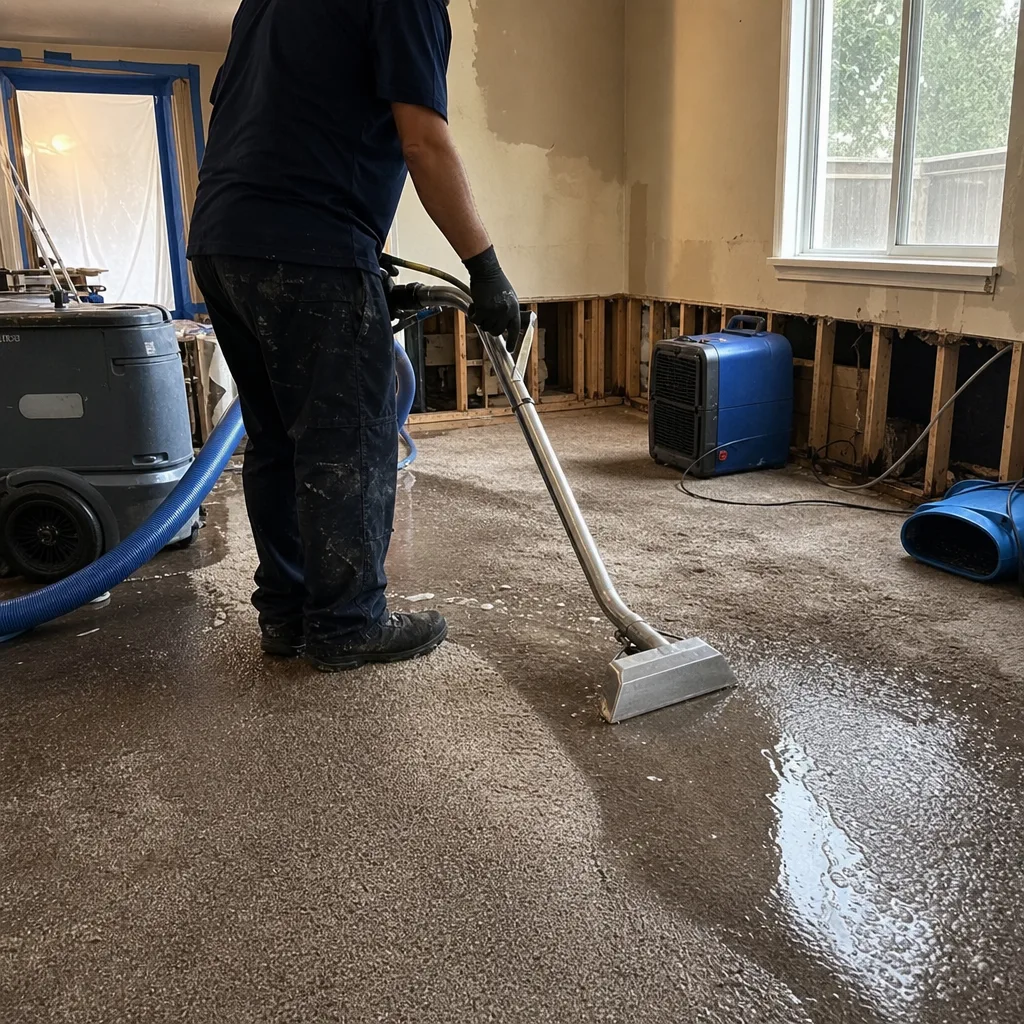
Emergency Water Extraction
When a pipe fails or Compton Creek overtops its banks onto Lynwood’s flat, heavily paved surface, water moves fast across slab-on-grade foundations with nowhere to drain. Our emergency extraction teams deploy truck-mounted systems and portable submersible pumps from Phoenix and XPOWER within the hour. We extract standing water first, then deploy moisture detection to find what’s wicked into the slab edge or traveled under baseboards into adjacent rooms. In Lynwood’s 1950s bungalow courts, we’ve learned that water travels farther horizontally than vertically; the visible puddle is rarely the full perimeter.
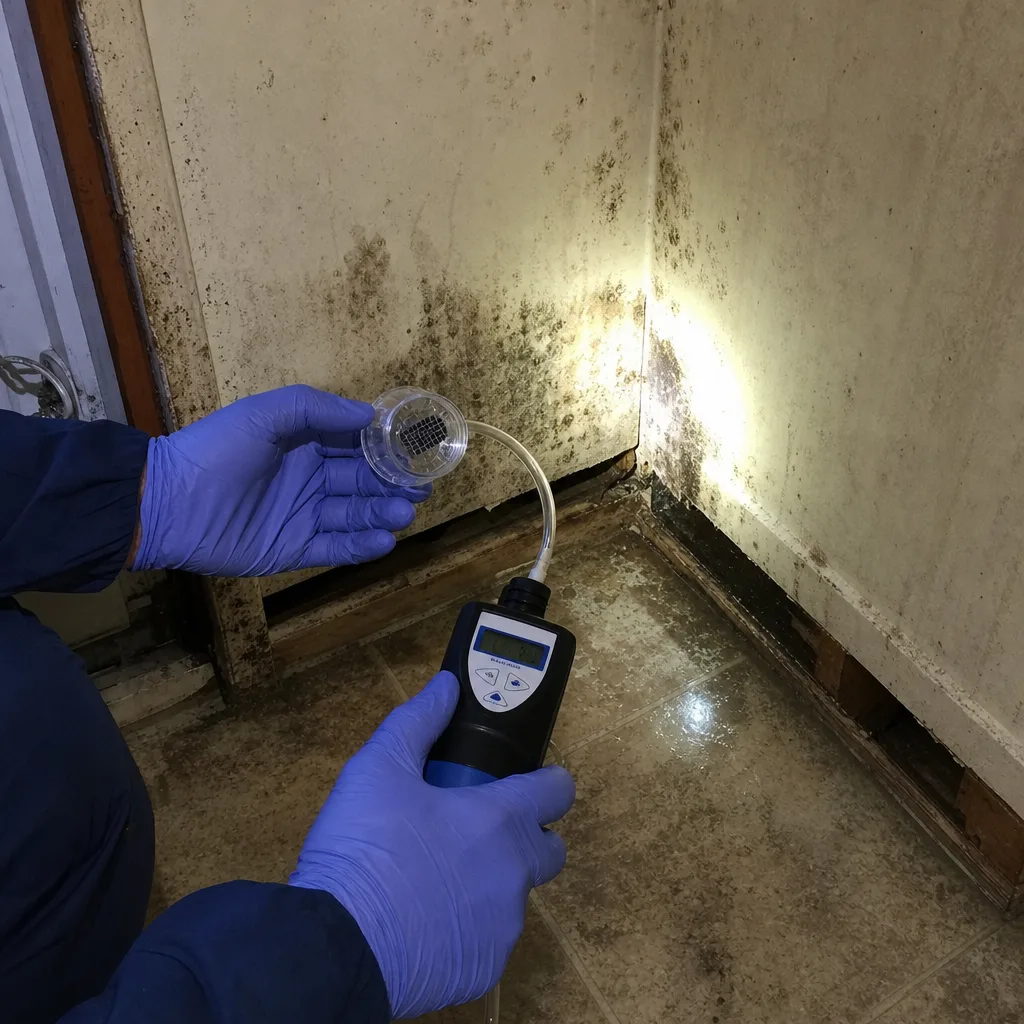
Structural Drying & Dehumidification
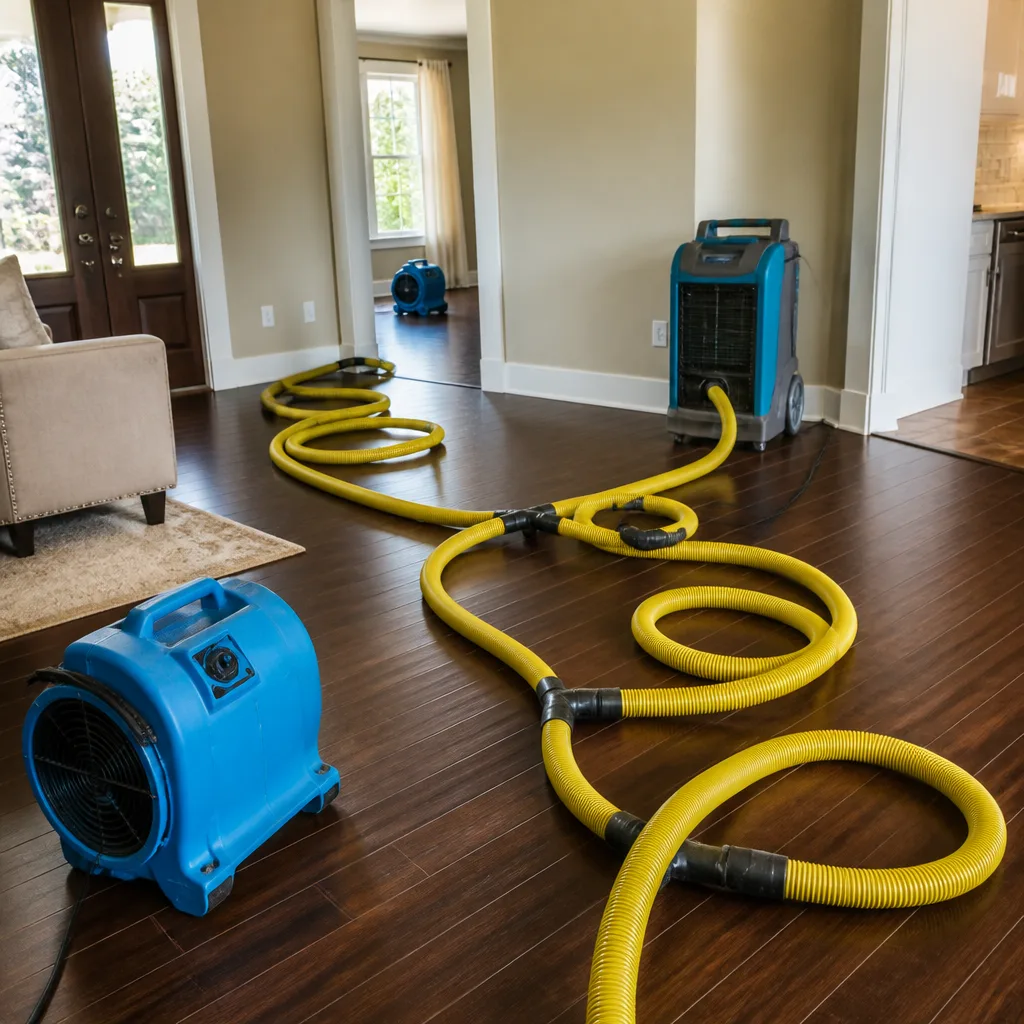
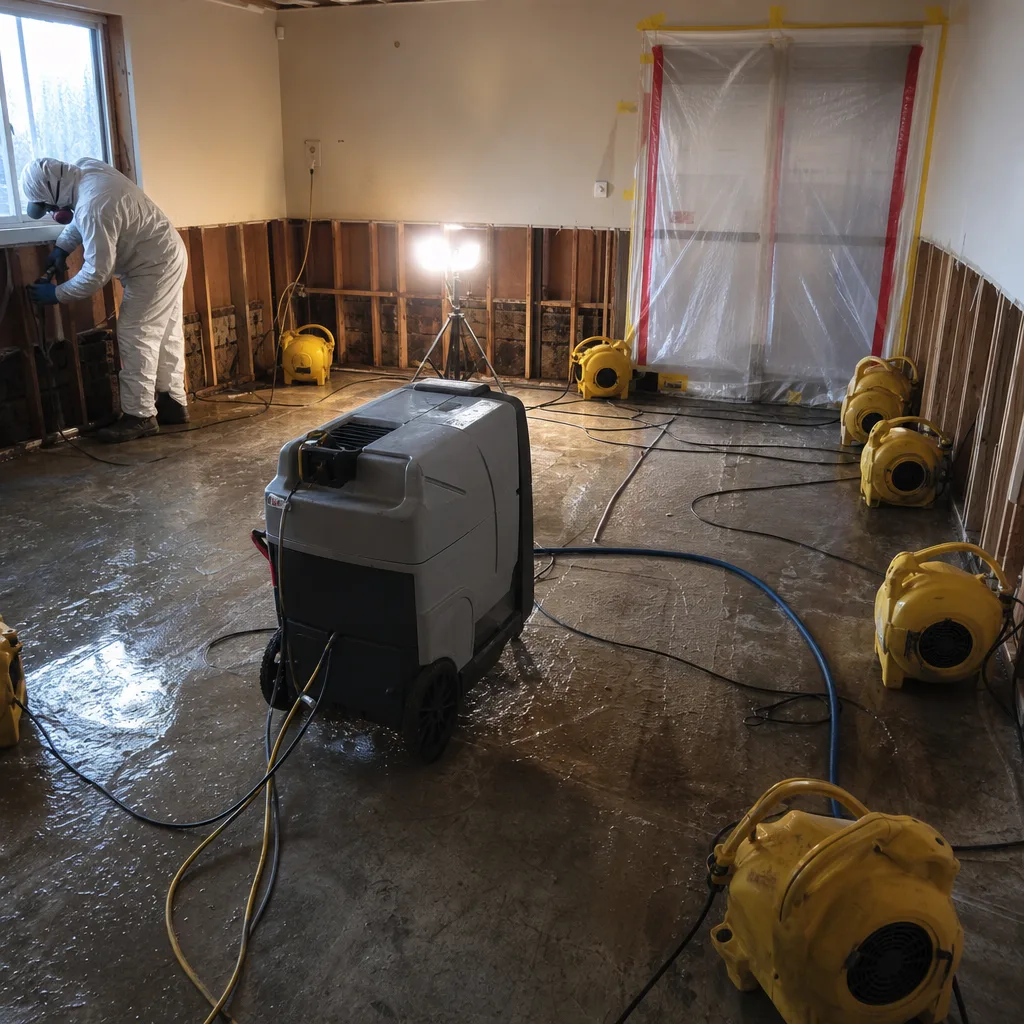
Drying a Lynwood postwar home requires psychrometric data - precise measurements of temperature, relative humidity, and vapor pressure differential that tell us when the structure is actually dry, not just surface-dry. We deploy Dri-Eaz and Phoenix dehumidification systems sized to the affected cubic footage, then produce daily drying logs that document moisture content readings by room and material. These logs are what turn your restoration invoice into a payable insurance claim. Without them, adjusters routinely dispute whether drying was complete or equipment was left too long. We don’t give them that opening.
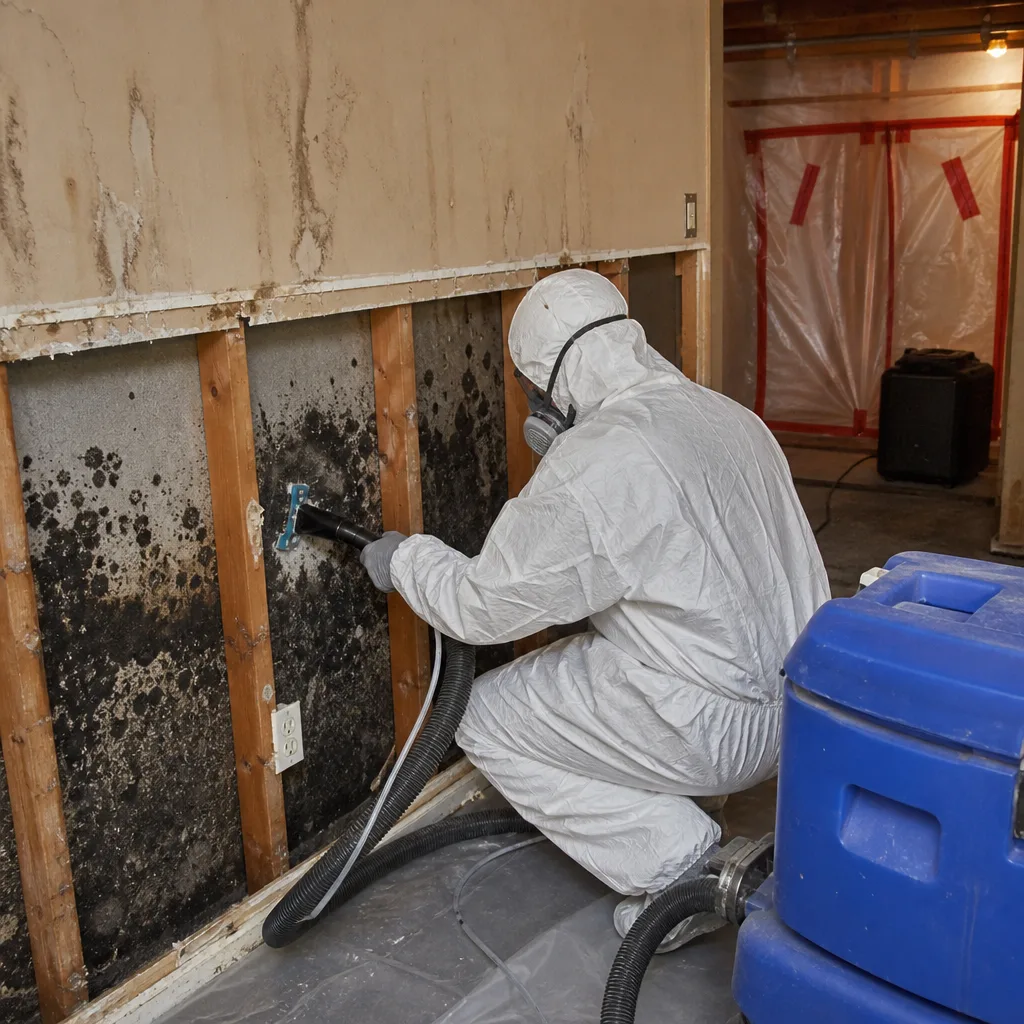
Flood Cleanup
Atmospheric river events overwhelm Lynwood’s aging municipal storm drains, producing sheet flooding that introduces Category 3 black water into homes near low-lying parcels adjacent to Compton Creek. This water carries contaminants from urban runoff and requires containment and antimicrobial treatment before any structural drying begins. We treat flood cleanup as a contamination-control operation first, a drying job second. The difference matters: Category 3 water that isn’t properly contained will colonize mold in wall cavities within 72 hours and create a health hazard that standard drying cannot reverse.
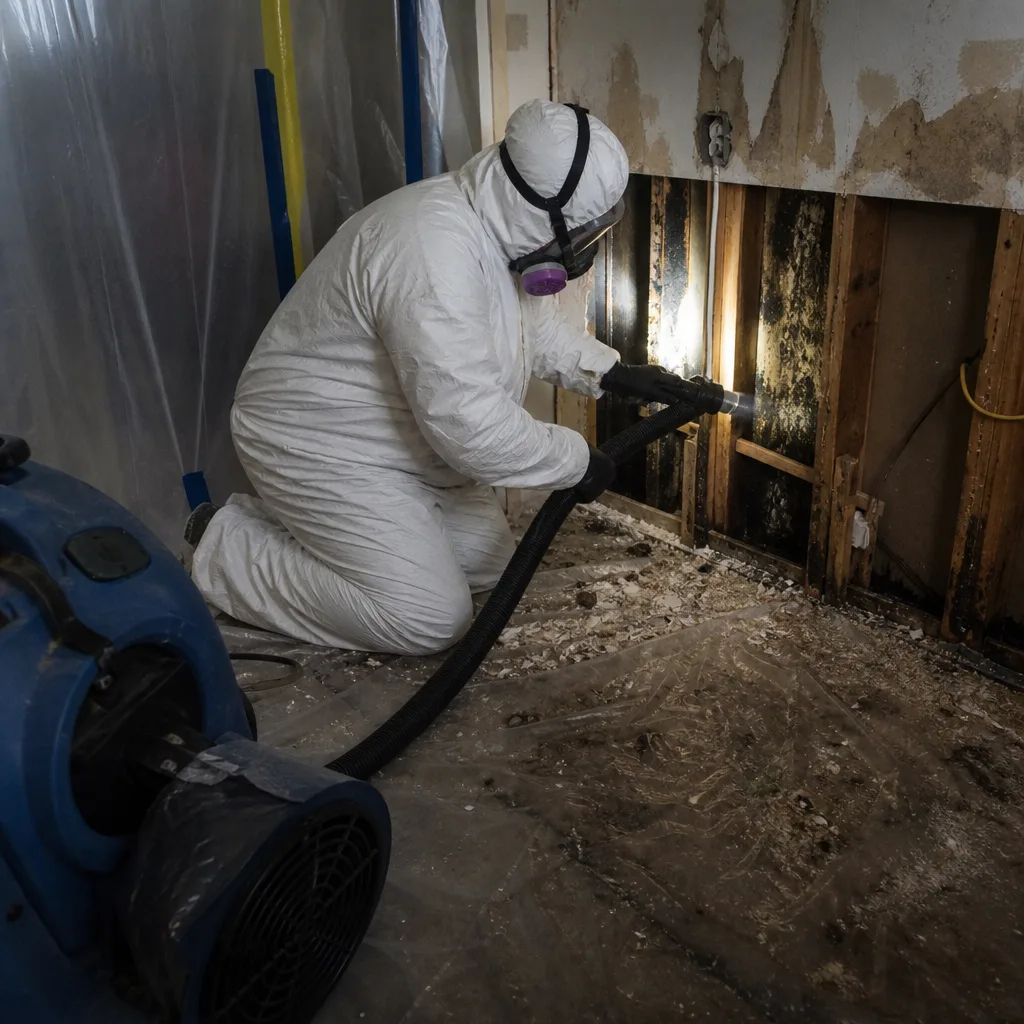
Burst Pipe Restoration
Lynwood’s original galvanized supply lines, now 60-80 years old, fail predictably at threaded joints and slab penetrations. The prolonged dry season masks slow leaks for months, so by the time a tenant or landlord sees water, mold colonization is often already extensive under layered flooring. Our burst pipe restoration includes leak detection, isolation, and full moisture mapping of the slab and wall cavities - not just the visible damage. We document the pipe material, the failure mode, and the migration path in your photo record so your adjuster understands why the scope includes what it includes.
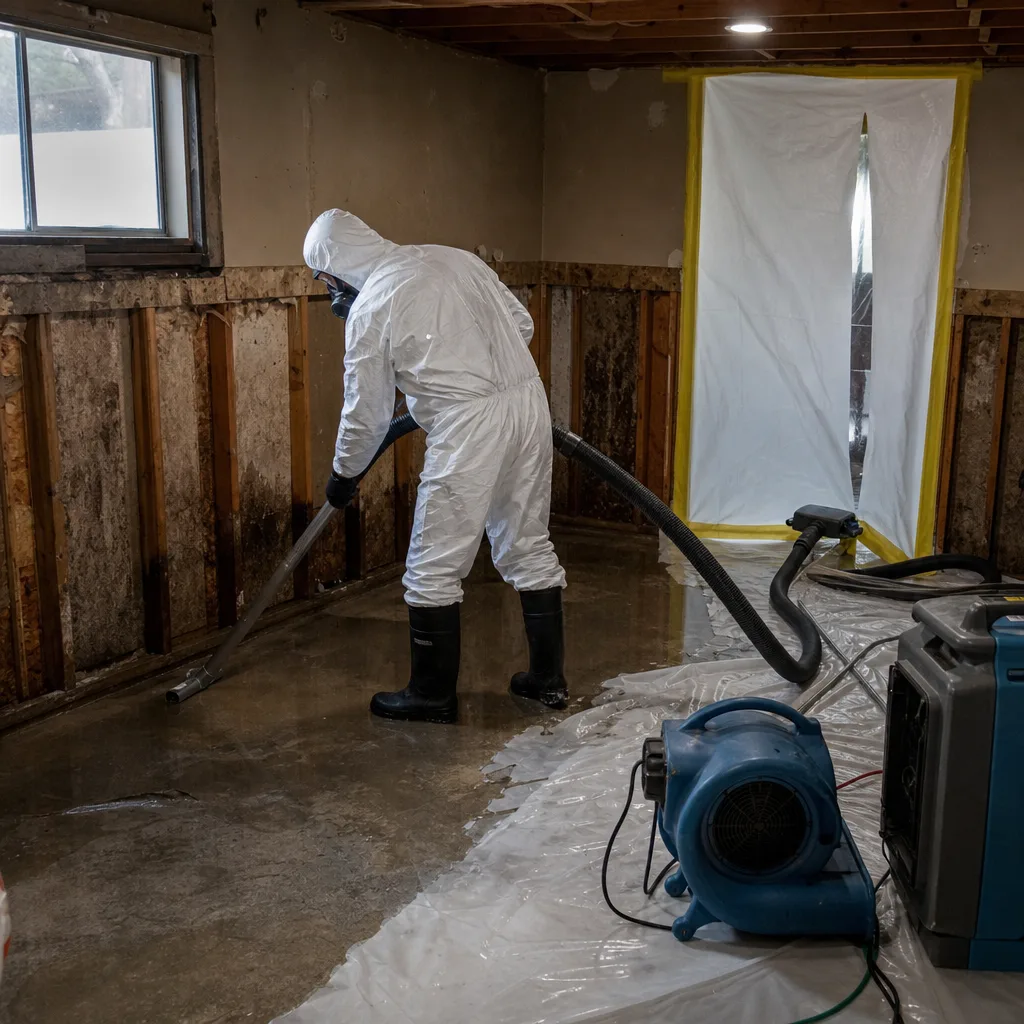
Ceiling & Roof Leak Water Damage
While Lynwood’s water damage is more often slab and supply-line related than roof-driven, ceiling leaks do occur where original tar-and-gravel roofs have reached end of service life or where earthquake movement has cracked roof decking at perimeter walls. We trace ceiling stains to their source, document the roof condition with photos, and dry the affected ceiling cavity without unnecessary tearout when possible. When the ceiling contains textured finish from the 1950s-1970s, we test for asbestos before any disturbance and include that assessment in your written scope.
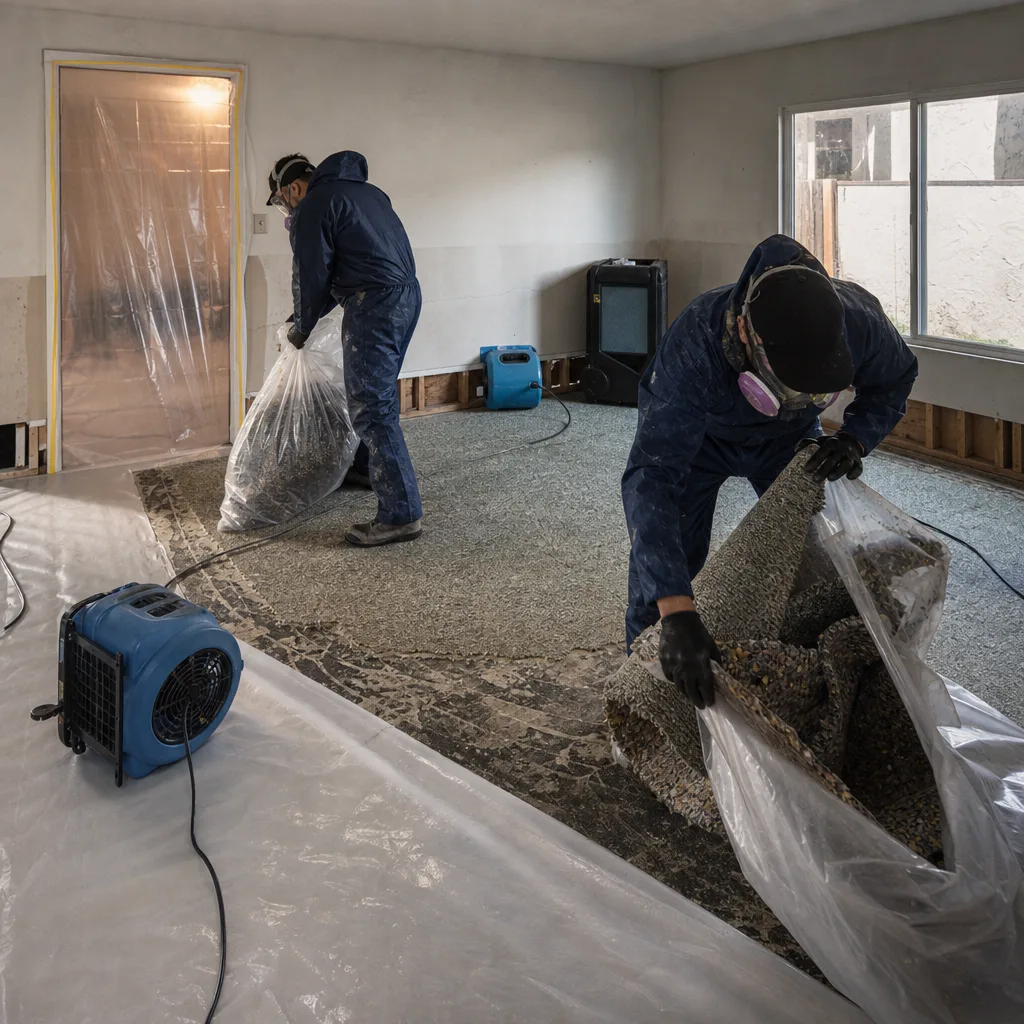
What happens when you call
- 1
A real person answersNo phone trees - you reach a local pro.
- 2
You get an upfront price rangeHonest numbers before anyone is dispatched.
- 3
A background-checked tech heads outLicensed & insured, dispatched right away.
- 4
You approve before work beginsNothing starts until you say go.
 Before
 After
AfterTrusted Equipment Brands We Deploy in Lynwood
Our Lynwood crews work with professional-grade drying systems from Dri-Eaz, Phoenix, and XPOWER - equipment selected for the specific demands of postwar slab-on-grade construction where air circulation across concrete slabs requires higher-velocity air movement than raised-floor homes need. We stock HEPA-filtered air scrubbers, injectidry panel drying systems for wall cavities, and low-grain refrigerant dehumidifiers sized to the tight footprints common in Lynwood’s bungalow courts. Every machine is logged by serial number, run-time, and placement location in your daily drying record. Your adjuster can trace exactly what ran where, for how long, and to what measured effect.
Common Water Damage Restoration Problems We See in Lynwood Homes
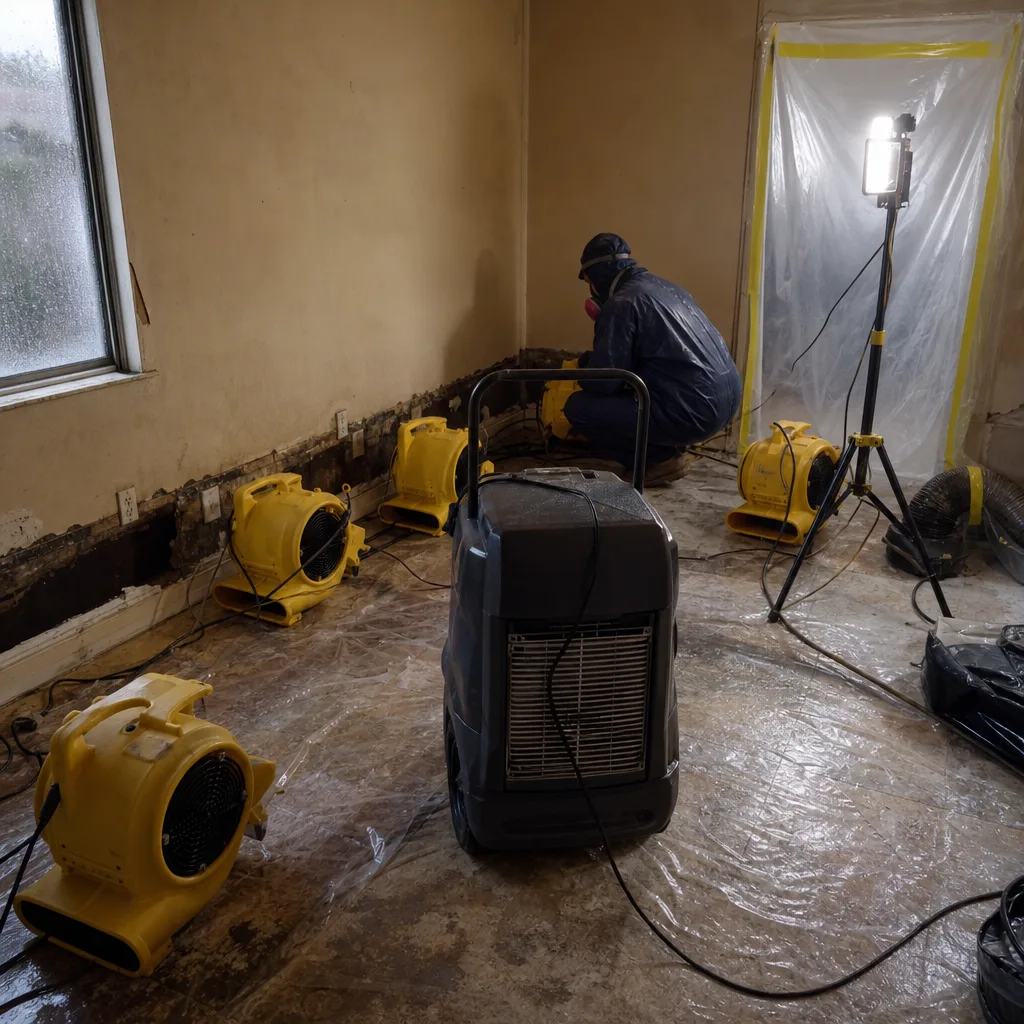
- Asbestos-triggered work stoppages: The moment our crew lifts flooring in a 1950s Lynwood tract home and finds 9×9-inch asphalt floor tiles, work stops for hazmat assessment. Nearly every postwar home here contains vinyl-asbestos tile under layered linoleum. Starting tearout without that survey converts a routine mitigation into a regulated abatement project that doubles timeline and cost.
- Slab-on-grade slow leaks masked by dry seasons: Months of undetected water wicking through concrete slabs in tenant-occupied bungalows with absentee landlords. By the time atmospheric river flooding or a tenant complaint reveals the damage, subfloor rot and mold colonization are advanced.
- Earthquake-triggered supply-line failures: Lynwood’s position over liquefaction-prone LA Basin alluvial soils within the Newport-Inglewood fault zone means even moderate seismic events crack slabs and fracture galvanized pipes at slab penetrations. The damage pattern is distinct: sudden pressure loss, followed by slow seepage that pools under flooring before surfacing.
- Category 3 floodwater misclassified as clean: Compton Creek sheet flooding and storm-drain backflow introduce black water into Lynwood homes. Treating this as Category 1 supply-line water spreads contamination through HVAC systems and wall cavities instead of containing it at the source with proper antimicrobial protocol.
Pricing for Water Damage Restoration in Lynwood, CA
| Service | Typical Range in Lynwood |
|---|---|
| Emergency water extraction (up to 1,000 sq ft) | $1,200 - $2,400 |
| Structural drying & dehumidification (3-5 day standard) | $3,500 - $6,800 |
| Category 3 flood cleanup with antimicrobial treatment | $4,200 - $8,500 |
| Asbestos assessment (pre-mitigation, when triggered) | $800 - $1,500 |
| Full mitigation with reconstruction (typical Lynwood single-family) | $8,500 - $18,000 |
These ranges reflect Lynwood’s specific housing stock and the hazmat assessments that accompany most jobs here. Your actual price depends on affected square footage, contamination class, and whether asbestos abatement is required. Haven Standard, Clause 1: we deliver a written price before any work starts, every time, with no scope-creep additions once the crew is inside. Bring a competitor’s written estimate and we’ll review it at no charge - our Free Second Opinion.
Call (424) 347-8338 for your written estimate. Estimates are free.
We Also Serve Cities Near Lynwood
Our crews respond daily from the Los Angeles office to Water Damage Restoration in Lynwood and surrounding communities: Paramount to the north, Huntington Park to the northwest, Compton to the west, and Downey to the east. Each city has distinct housing stock and damage patterns; our documentation protocols adapt to the specific construction era and soil conditions of each market.
Serving Lynwood, CA - Our Local Coverage Area
We’re based in the Lynwood area and know this community well. Use the map below to see our service coverage - if you’re nearby, we can almost certainly help.
FAQs - Water Damage Restoration in Lynwood
No, not safely or legally. The 9×9-inch floor tiles common in 1955 Lynwood construction are almost certainly vinyl-asbestos tile (VAT), and any disturbance during drying or tearout triggers California’s asbestos regulations. We moisture-map beneath the flooring first, then contain and assess before any material is moved. Call (424) 347-8338 and we’ll walk through the containment protocol for your specific layout.
Because your home’s postwar construction likely contains asbestos in floor tiles, textured ceilings, or pipe insulation that becomes airborne when water-damaged materials are disturbed. California law requires assessment and abatement before standard restoration proceeds. This isn’t upselling; it’s the regulatory reality of working on Lynwood’s 1940s-1960s housing stock. We build this assessment into your written scope upfront so there are no mid-job surprises.
It means we moisture-map the full slab perimeter to determine migration, then document any cracking or soil settlement that could indicate ongoing structural movement. Lynwood’s slab-on-grade homes over liquefaction-prone soils often show secondary cracking after supply-line failures. We photo-document everything and flag conditions that require engineering evaluation beyond our mitigation scope. The drying logs become part of your foundation assessment record.
Within 24 hours for Category 1 clean water, immediately for Category 2 or 3 contamination. Mold colonization begins in 48-72 hours in Lynwood’s warm climate, and the layered flooring common in postwar homes traps moisture against slabs where it can’t air-dry naturally. Our live dispatch answers (424) 347-8338 24/7, and extraction crews average 45-60 minutes to Lynwood addresses.
Yes, completely different. Compton Creek floodwater is Category 3 black water, carrying urban runoff contaminants and potential pathogens. It requires antimicrobial treatment, controlled demolition of saturated porous materials, and HEPA containment before any drying equipment is deployed. Treating it like a clean Category 1 pipe leak spreads contamination and creates a health hazard. We classify the water source first, document the category in your photo record, and build the scope accordingly.
Written by Alicia Brennan, Owner at Back to Dry Restoration, serving Lynwood since 2011 under The Haven Standard.