
Last updated September 23, 2026
Free visual inspection and a written scope of work before any mitigation begins - photos, moisture readings, and drying logs go in your claim file
The scope we write is the scope we bill. Anything new gets shown to you, in writing, before we touch it.
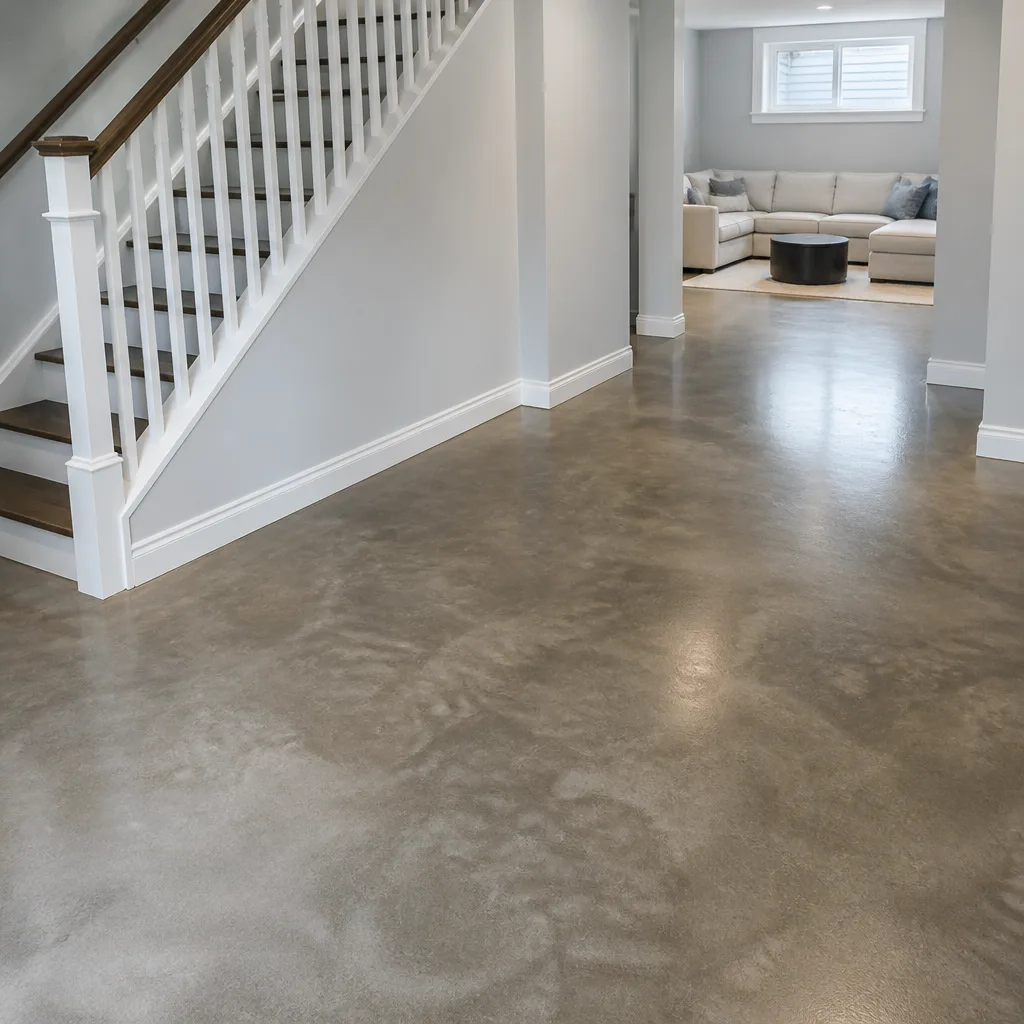
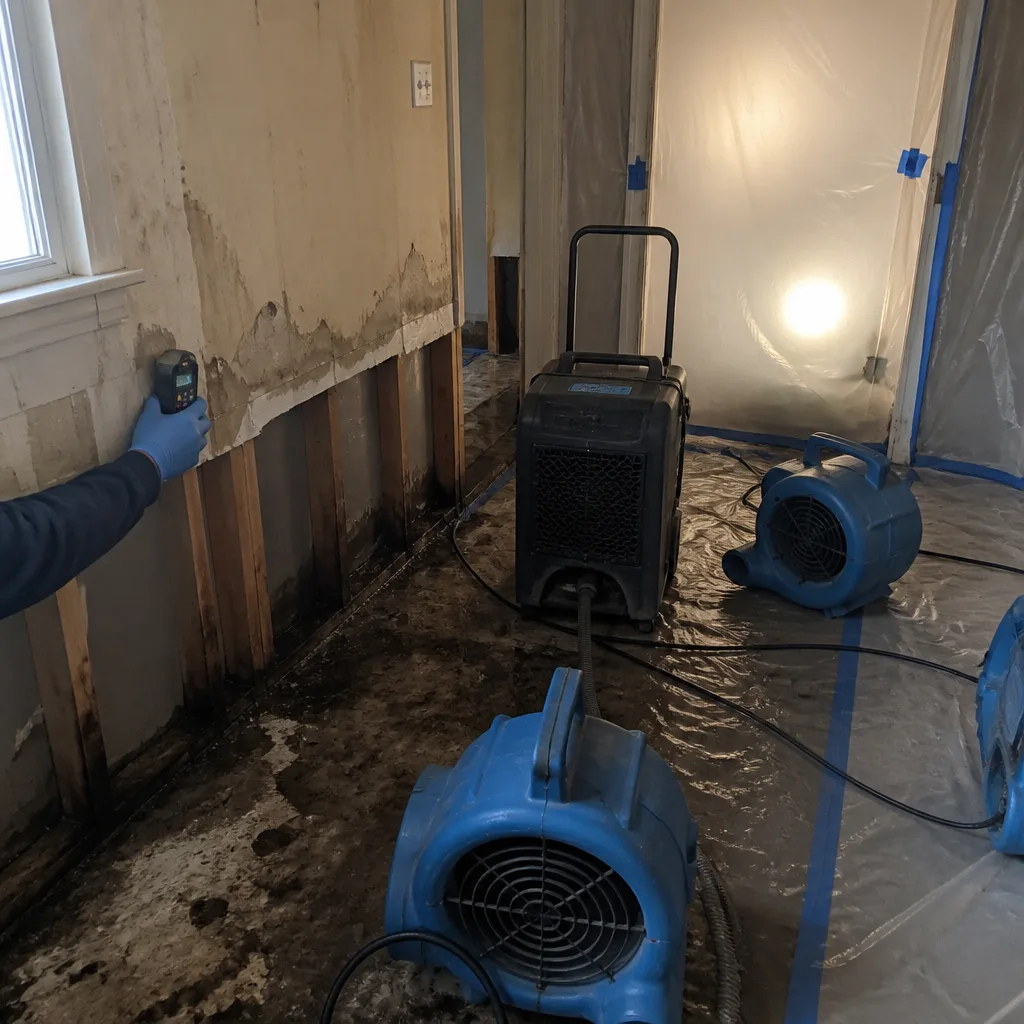 Before
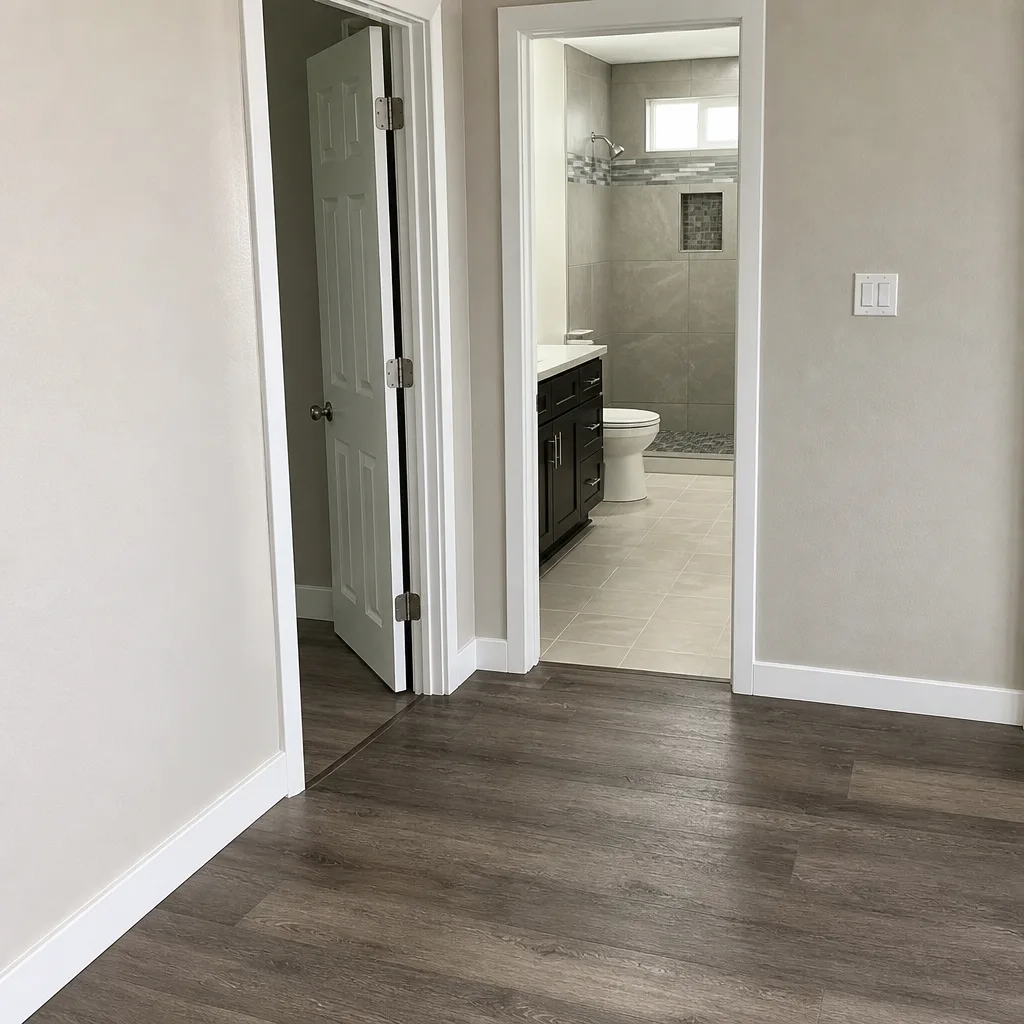 After
After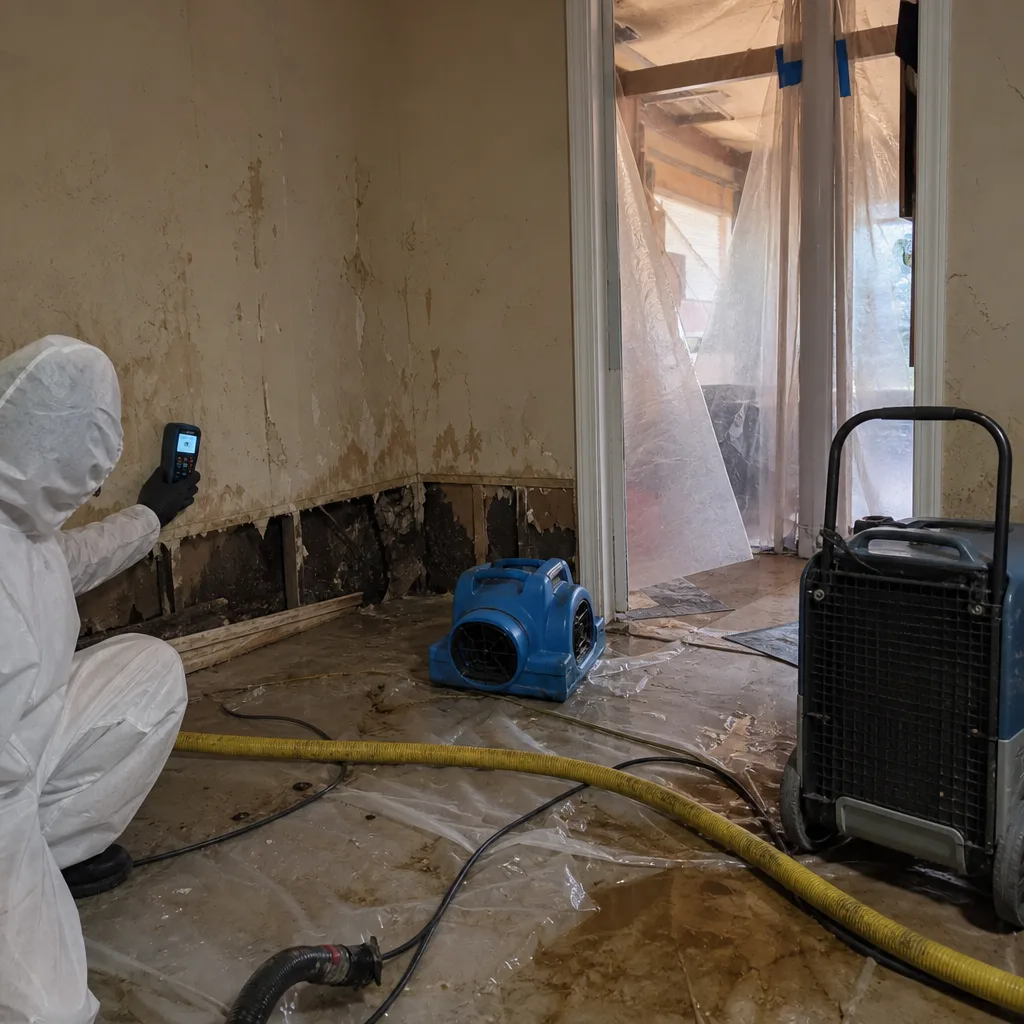 Before
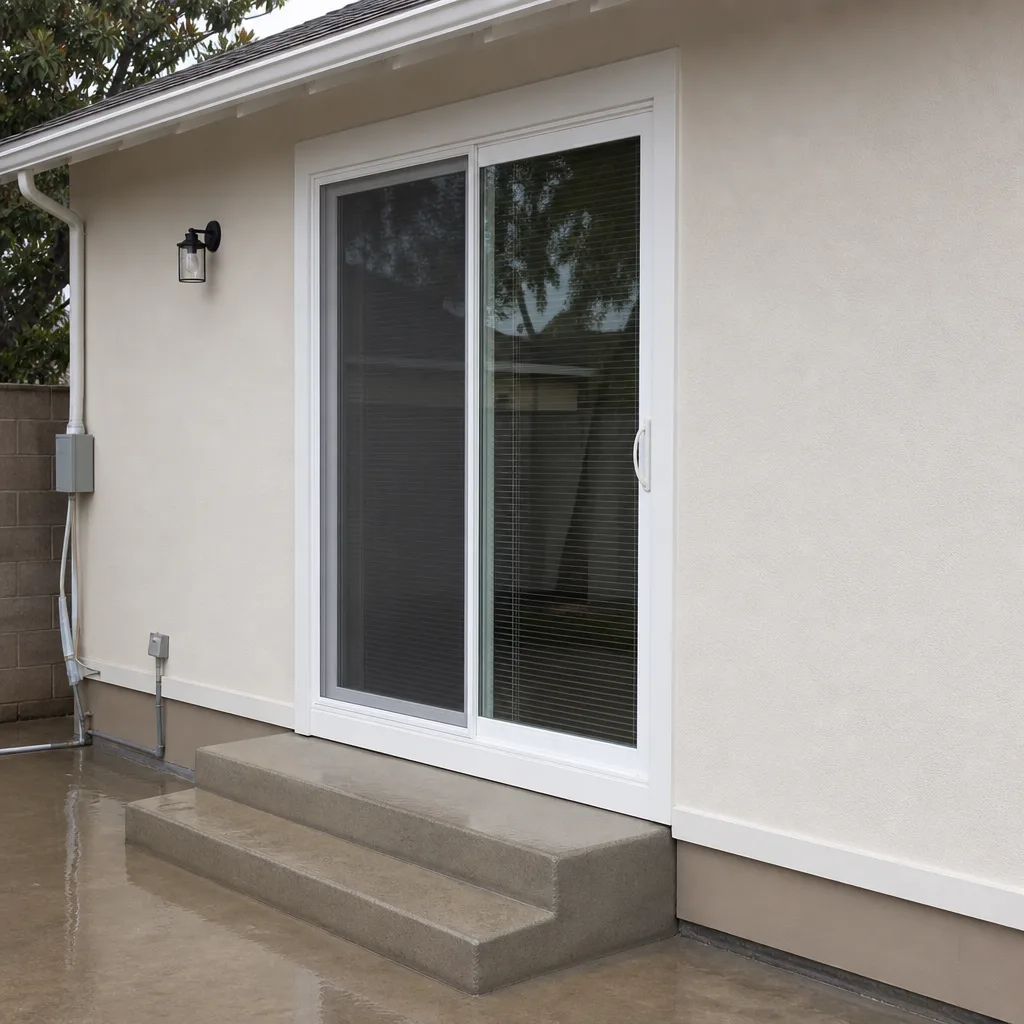 After
After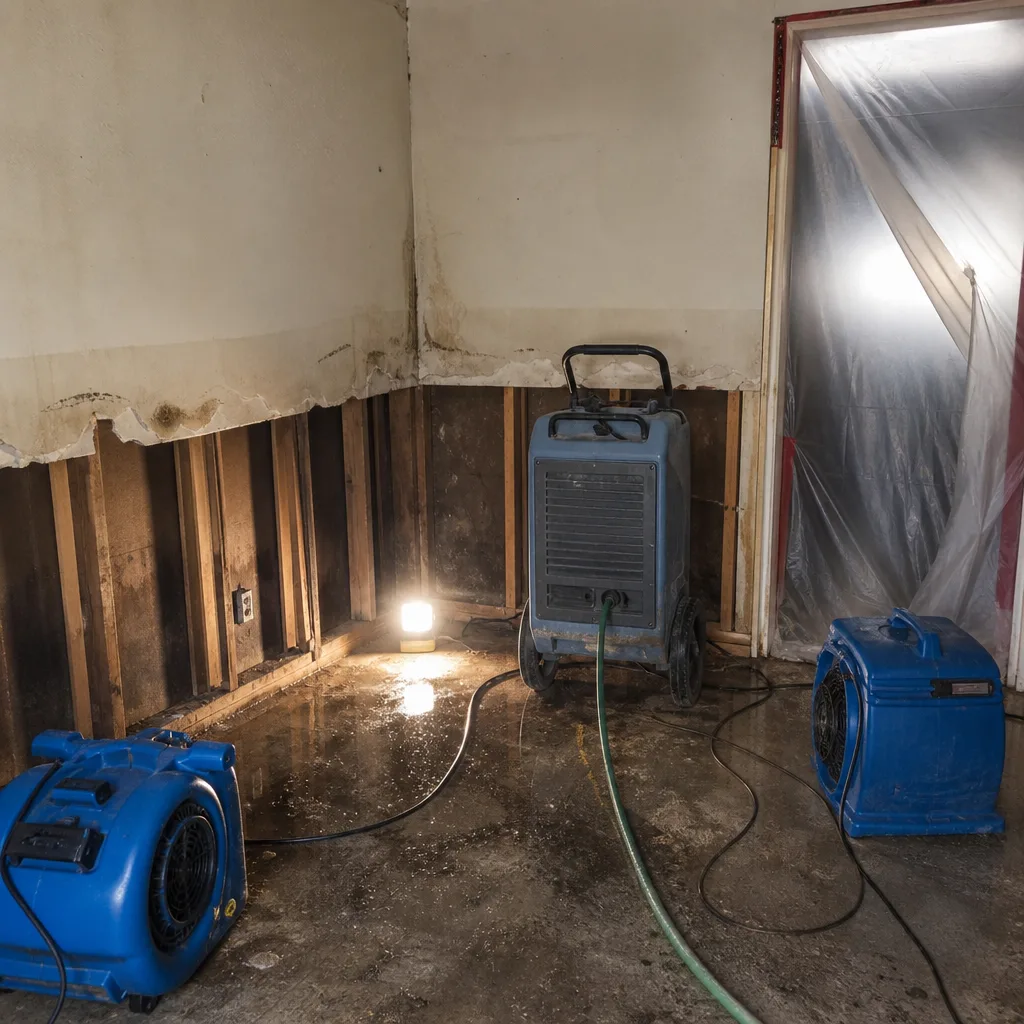 Before
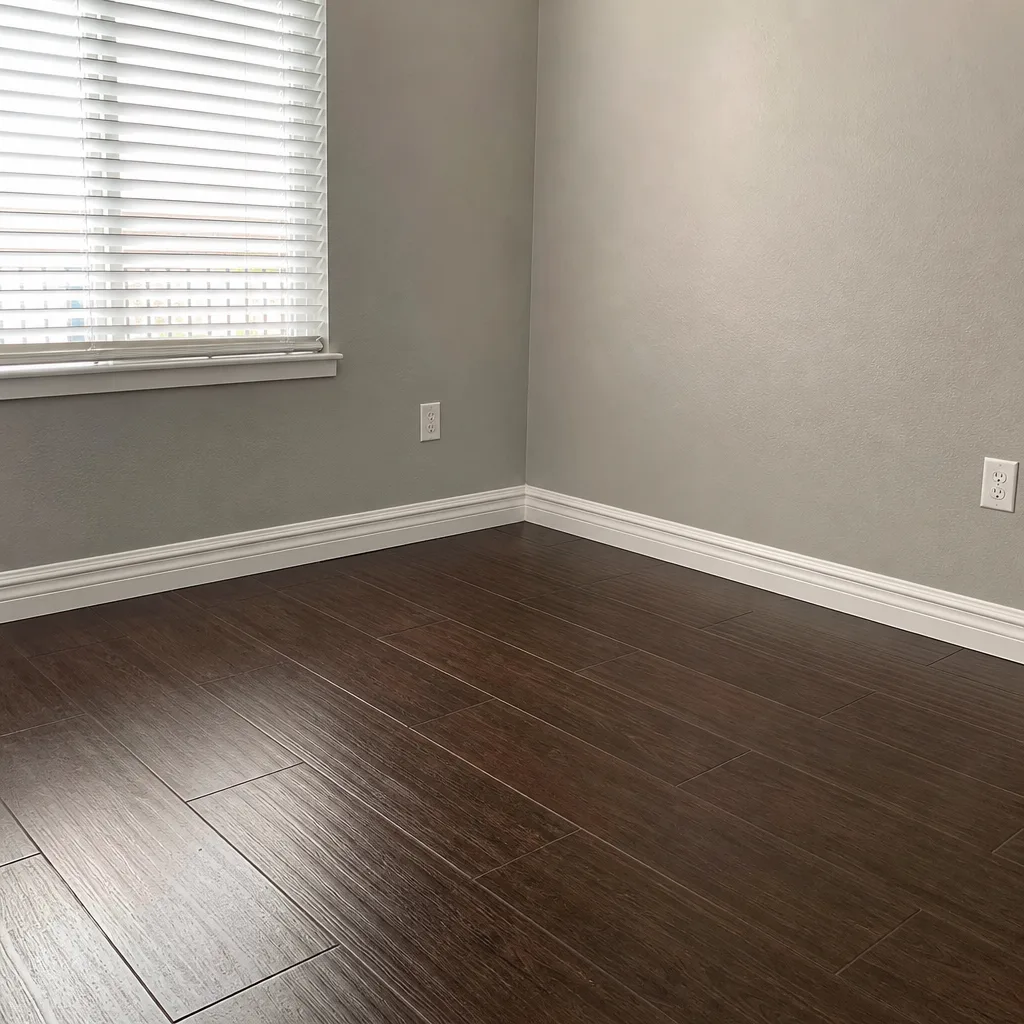 After
AfterDamage Restoration Cost Breakdown: The Bellflower Homeowner’s Reference for 2026
The single most inflated line item on restoration invoices in Southern California isn’t labor. It’s equipment rental. Daily rates for a single LGR dehumidifier can swing from $38 to $115 between contractors billing the exact same Xactimate code, and most homeowners in Bellflower never know the difference until they’ve already signed. This guide - along with our Damage Restoration Warning Signs: A Bellflower Homeowner’s Reference Guide - translates the 2026 Xactimate regional pricing for Bellflower’s ZIP codes, 90706 and 90707, into plain numbers you can verify against any estimate. You’ll learn what each line item should cost, how to spot scope creep before it hits your invoice, and how to read two competing bids side by side like a claims professional.
Quick Answer
Water damage mitigation in Bellflower typically runs $3.50 to $5.75 per square foot for Category 1 losses, while mold remediation averages $15 to $30 per square foot depending on containment complexity. Equipment rentals should track Xactimate’s LA metro daily rates: LGR dehumidifiers at $38 to $52, air movers at $18 to $25, and negative air machines at $45 to $60. Homeowners with Replacement Cost Value (RCV) policies generally recover 100% of documented mitigation costs minus deductible, while Actual Cash Value (ACV) policies apply depreciation that can leave 30 to 50% of rebuild costs uncovered.
Table of Contents
- How Xactimate Pricing Works in Bellflower’s 90706 and 90707 ZIP Codes
- Water Mitigation Costs per Square Foot: Line by Line
- Mold Remediation Costs: Containment, Labor, and Air Scrubbing
- Equipment Line Items Decoded: What Daily Rates Should Actually Be
- How Scope Creep Inflates Restoration Invoices
- Insurance Math: ACV versus RCV in a Real Bellflower Water Loss
- The Written Scope Comparison Test: Reading Two Bids Like a Professional
- Common Mistakes to Avoid
- When to Call a Professional
- Frequently Asked Questions
 Before
 After
AfterHow Xactimate Pricing Works in Bellflower’s 90706 and 90707 ZIP Codes
Xactimate is the pricing engine that drives most property insurance claims in the United States. In 2026, the software assigns Bellflower’s ZIP codes, 90706 and 90707, to the Los Angeles-Long Beach-Anaheim metropolitan statistical area, which carries a labor cost multiplier of 1.18 to 1.24 above the national baseline. That multiplier affects every line item on your restoration invoice, from demolition to dehumidifier rental.
Here’s what that means in practice. A water mitigation technician’s base labor rate in Xactimate’s national database might show $52 per hour. In Bellflower, that same line item bills at $61.36 to $64.48 per hour after the regional adjustment. Equipment rates carry a separate multiplier, typically 1.15 to 1.22 for the LA metro. Material costs, including drywall, insulation, and flooring, run 1.08 to 1.14 above baseline. These aren’t numbers your contractor invents. They’re published, version-locked, and updated quarterly by Verisk, Xactimate’s parent company.
Why this matters: when a restoration contractor in Bellflower bills outside these ranges, they’re either using an outdated Xactimate version, applying a custom price list, or padding. The first two are legitimate with disclosure. The third is not. At DryMark Restoration Bellflower home, we run current Xactimate pricing on every estimate and provide the version number in writing, Haven Standard, Clause 1.
Local factors specific to Bellflower also shape pricing. The city’s mix of postwar slab foundations and 1960s-70s tract homes with original galvanized plumbing means water losses often involve secondary damage paths, slab moisture wicking, and older material assemblies that require more careful demolition. Contractors familiar with Bellflower’s housing stock, particularly in neighborhoods like Bellflower Estates and the area near Somerset Ranch Park, know to budget extra time for accessing wall cavities with lath-and-plaster remnants or navigating the tight crawl spaces common in the city’s older pockets.
Climate plays a role too. Bellflower’s position in the Los Angeles Basin means summer humidity spikes that slow natural drying, extending equipment rental days. Santa Ana wind events in fall and winter can drive rapid moisture migration through poorly sealed building envelopes. A contractor who doesn’t account for these patterns in their drying plan will either underestimate equipment days or over-dry and bill for unnecessary runtime.
Water Mitigation Costs per Square Foot: Line by Line
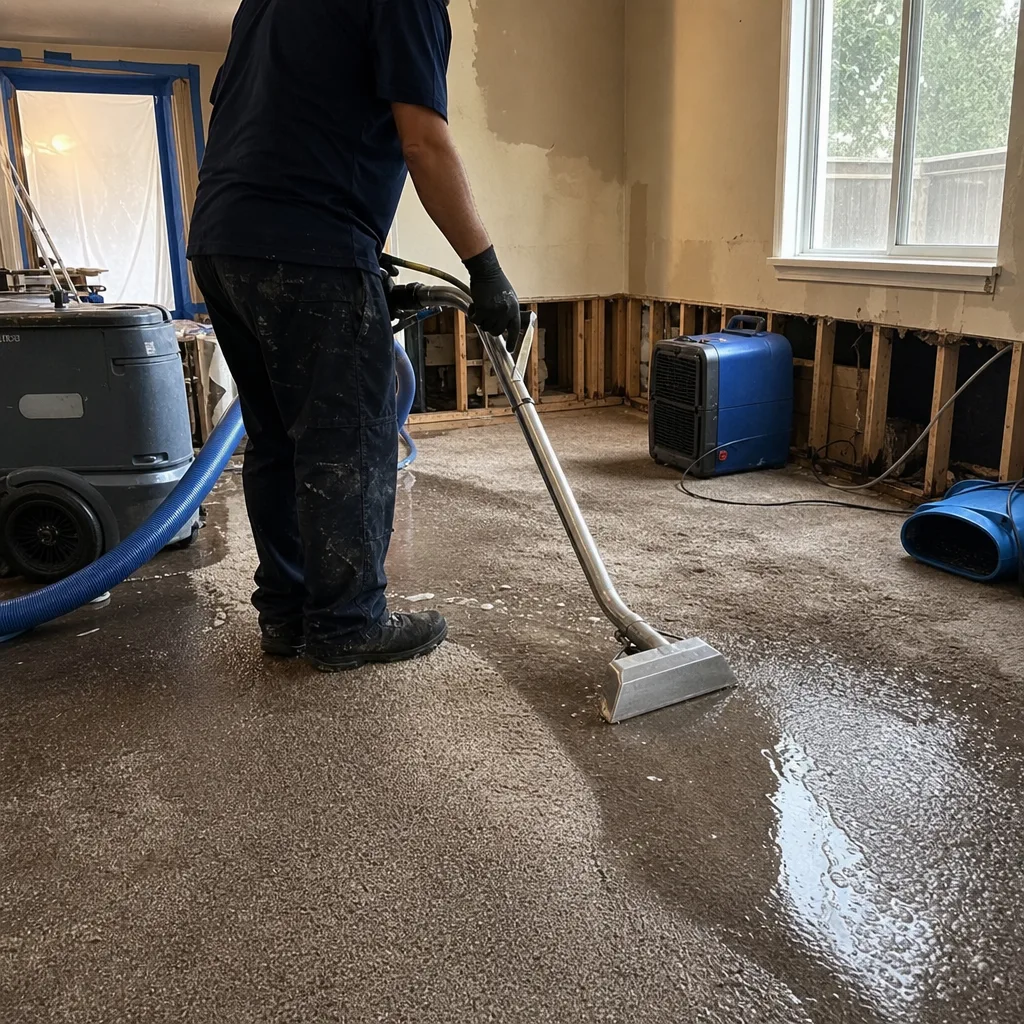
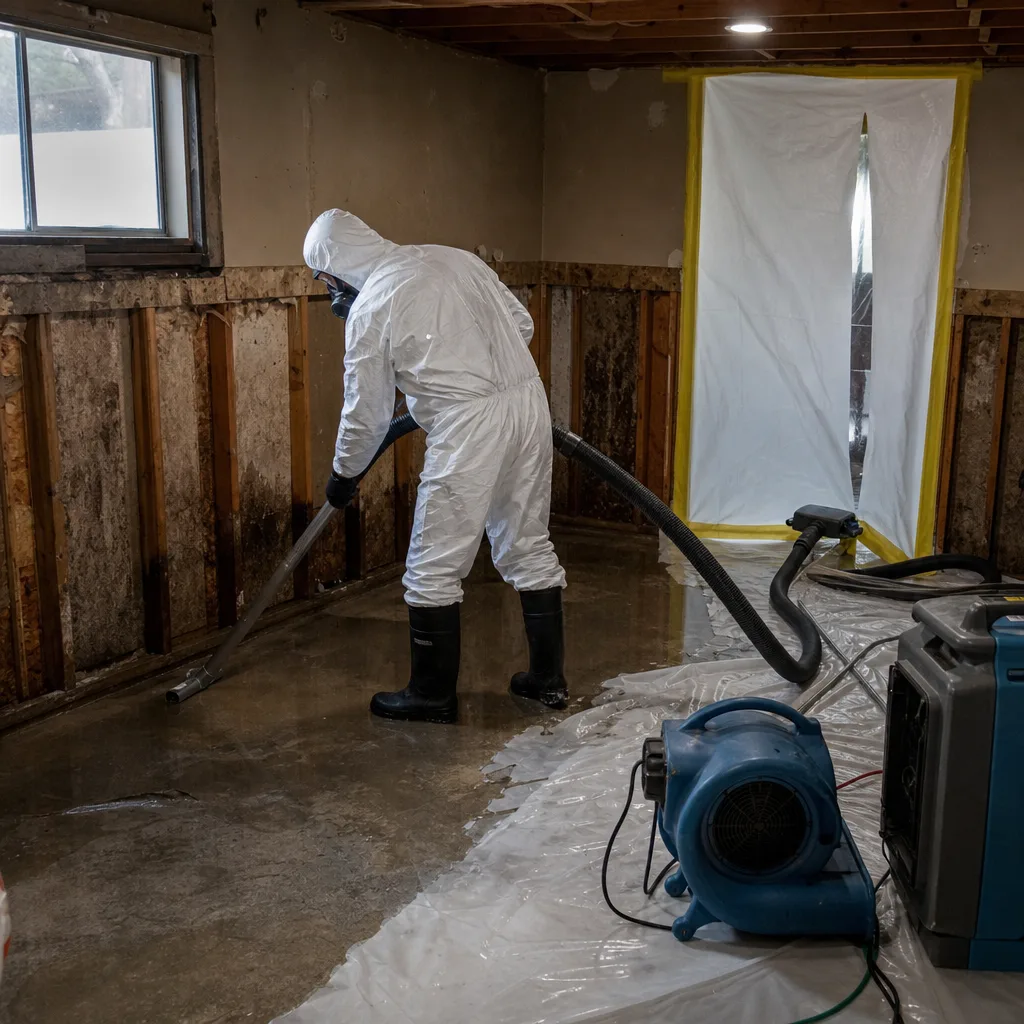
Water mitigation pricing breaks into three cost tiers based on contamination category. Category 1, or “clean water,” originates from supply lines, tub overflows, or rainwater. Category 2, “gray water,” carries chemical or biological contaminants from sources like dishwasher discharge or washing machine overflow. Category 3, “black water,” includes sewage, seawater, or rising groundwater. Each tier demands different protective equipment, disposal protocols, and drying intensity.
For a typical Bellflower single-family home of 1,400 to 1,800 square feet, here are the 2026 per-square-foot ranges we see on properly scoped Xactimate estimates:
| Service Line Item | Category 1 (Clean Water) | Category 2 (Gray Water) | Category 3 (Black Water) |
| Initial extraction and setup | $0.85 – $1.20/sq ft | $1.10 – $1.55/sq ft | $1.60 – $2.40/sq ft |
| Demolition and disposal (affected materials) | $1.20 – $1.85/sq ft | $1.50 – $2.20/sq ft | $2.10 – $3.25/sq ft |
| Structural drying (equipment + monitoring) | $1.15 – $1.70/sq ft | $1.45 – $2.10/sq ft | $2.00 – $3.00/sq ft |
| Antimicrobial application | $0.30 – $0.45/sq ft | $0.45 – $0.65/sq ft | $0.70 – $1.10/sq ft |
| Content manipulation and protection | $0.35 – $0.55/sq ft | $0.45 – $0.70/sq ft | $0.60 – $0.95/sq ft |
| Typical total per square foot | $3.85 – $5.75/sq ft | $4.95 – $7.20/sq ft | $7.00 – $10.70/sq ft |
These figures assume standard 8-foot ceilings and accessible wall cavities. Vaulted ceilings in Bellflower’s newer construction near Woodruff Avenue or the Town Center area add 15 to 25% to drying equipment costs due to increased air volume. Slab-on-grade foundations, common in the city’s 1950s and 1960s neighborhoods, may require specialized concrete drying mats or injectidry systems for sub-slab moisture, adding $800 to $1,400 to the equipment package.
Labor on water mitigation bills at the technician rate of $61 to $64 per hour in Bellflower, with lead technician or project manager rates at $78 to $95 per hour. A typical Category 1 water loss in a 1,500 square foot home requires 16 to 24 technician-hours across the mitigation phase, plus 4 to 6 hours of project management for documentation, adjuster coordination, and moisture mapping.
The documentation gap is where claims fail. Every drying day should produce a moisture log with psychrometric data, temperature, relative humidity, and specific humidity readings for each affected room. Psychrometric data, the measurement of air’s moisture-holding capacity, tells whether your drying environment is actually progressing or just running equipment. Without these logs, adjusters deny equipment days. At DryMark Restoration Bellflower, we deliver daily drying logs as standard, not as an upsell, documented to IICRC and RIA standards.
Mold Remediation Costs: Containment, Labor, and Air Scrubbing
Mold remediation pricing diverges from water mitigation because the work is more surgical and more regulated. In California, the Mold Remediation Act and OSHA’s mold worker protection standards - detailed in our Damage Restoration Permits, Codes & Inspections in CA: What You Need to Know - require specific containment, negative air pressure, and personal protective equipment protocols that don’t apply to clean water losses. Bellflower’s location in Los Angeles County means contractors must also comply with South Coast Air Quality Management District notification requirements for any demolition exceeding 100 square feet in a structure built before 1979, which covers much of the city’s housing stock.
Remediation costs scale with affected area, contamination level, and containment complexity. Here’s how 2026 Xactimate pricing breaks down for Bellflower:
| Remediation Component | Small Project (Under 50 sq ft) | Medium Project (50-150 sq ft) | Large Project (150-500 sq ft) |
| Containment build (poly barriers, zipper doors, negative air setup) | $450 – $650 | $850 – $1,400 | $1,600 – $2,800 |
| HEPA air scrubber rental (per day) | $45 – $60 | $90 – $120 (2 units) | $135 – $180 (3 units) |
| Removal and disposal of mold-affected materials | $2.50 – $4.00/sq ft | $2.00 – $3.25/sq ft | $1.75 – $2.75/sq ft |
| HEPA vacuuming and surface treatment | $1.50 – $2.25/sq ft | $1.25 – $1.85/sq ft | $1.00 – $1.50/sq ft |
| Post-remediation verification (air sampling) | $350 – $500 | $450 – $650 | $600 – $900 |
| Typical total range | $1,800 – $3,200 | $4,500 – $8,500 | $10,000 – $22,000 |
Per-square-foot costs invert on larger projects because containment and equipment setup, the fixed costs, spread across more area. Small projects in Bellflower’s older bathrooms or kitchen sink cabinets often run $30 to $45 per square foot because the containment and air scrubbing infrastructure dominates. Whole-room remediation in a flooded basement or after a long-undetected leak averages $15 to $22 per square foot.
Hidden cost driver: HVAC contamination. When mold colonizes ductwork, which we see regularly in Bellflower’s homes with original galvanized ducting in attics, remediation extends beyond the visible growth. Duct cleaning with HEPA-negative air isolation adds $1,200 to $2,800. Full duct replacement in a 1,500 square foot home runs $4,500 to $7,500. Contractors who don’t inspect ductwork during the initial scope leave this unbudgeted, then return with a change order mid-project.
The Haven Standard, Clause 1 requires a written price before work begins. For mold remediation, that written price must include the containment strategy, the number of air scrubber days, the disposal protocol, and whether post-remediation verification is included or billed separately. If a contractor won’t commit these details to writing, the price isn’t real.
Equipment Line Items Decoded: What Daily Rates Should Actually Be
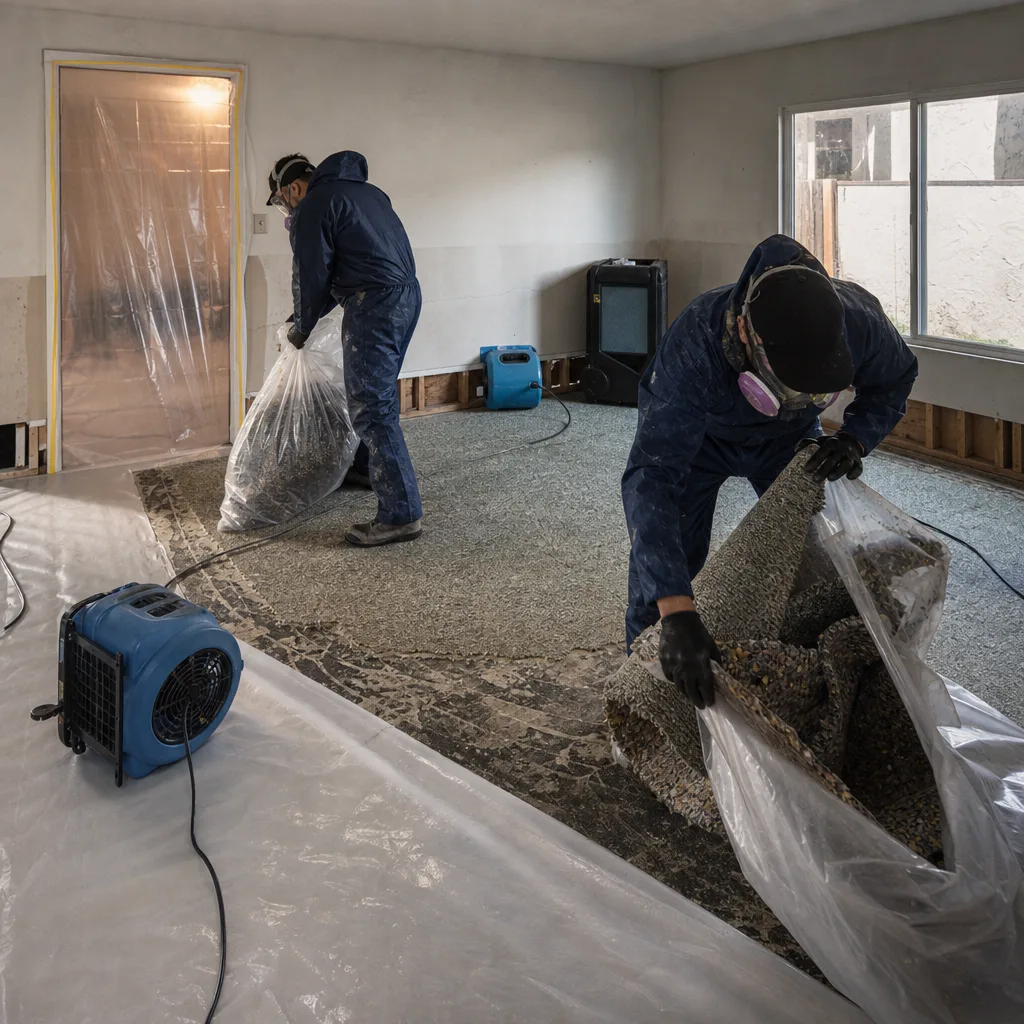
This is where Bellflower homeowners lose the most money without knowing it. Equipment rental on restoration invoices is billed by the day, and the daily rate varies dramatically depending on whether the contractor uses Xactimate’s published pricing, a vendor rental agreement, or an internal equipment ownership model with inflated depreciation.
Here are the 2026 Xactimate LA metro daily rates that should appear on your invoice:
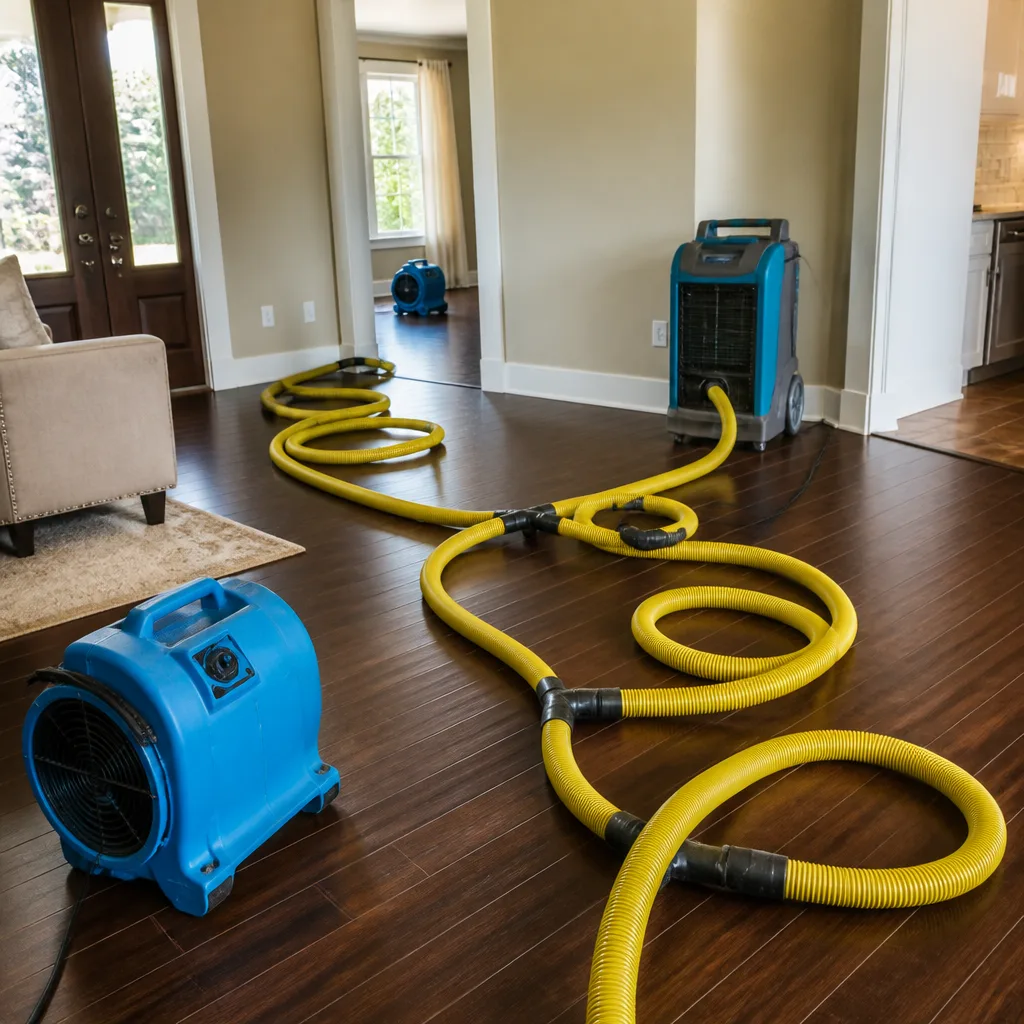
- LGR dehumidifier (low grain refrigerant): $38 to $52 per day. This is the workhorse of structural drying, pulling moisture below 40 grains per pound. In Bellflower’s summer humidity, a typical residential job runs 3 to 5 days.
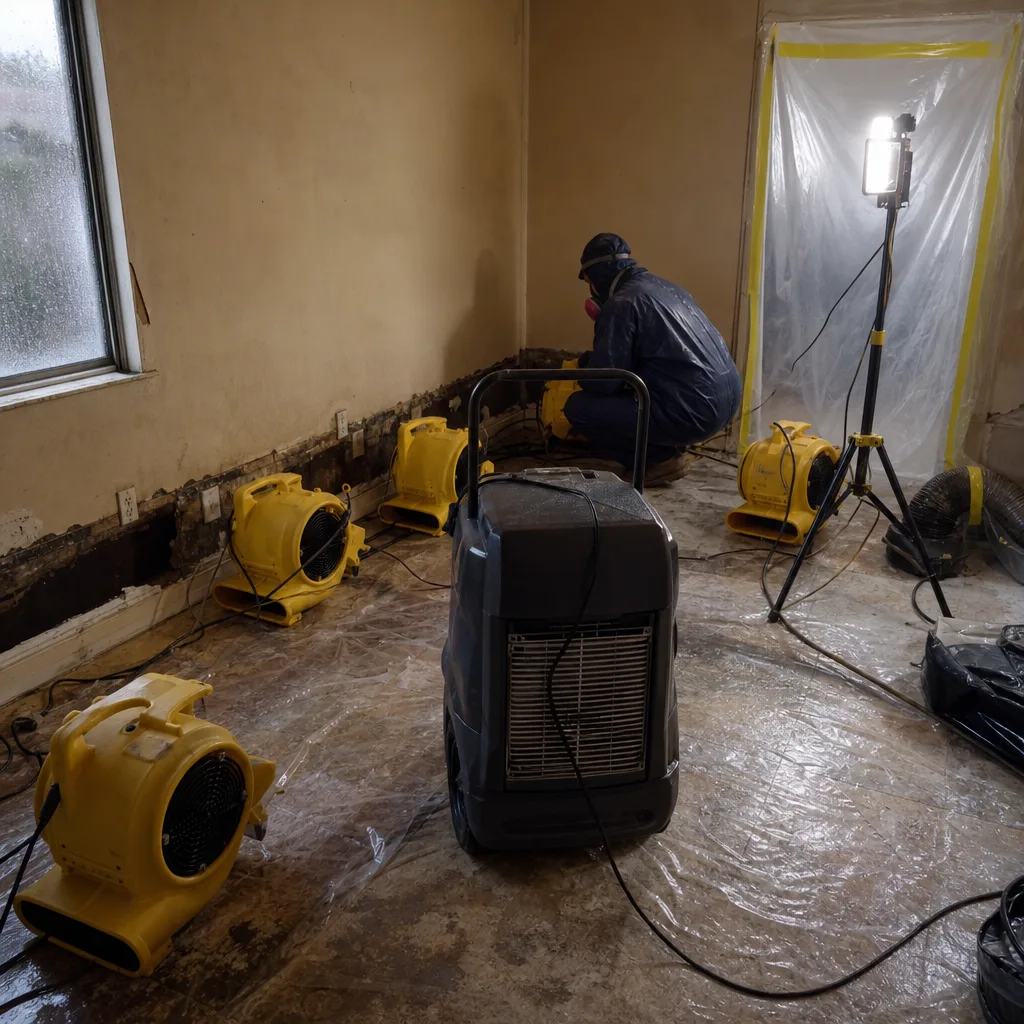
- Air mover (centrifugal or axial): $18 to $25 per day. These accelerate evaporation across wet surfaces. Count the number deployed: more than one per 50 to 70 square feet of affected area suggests over-equipping.
- Negative air machine / HEPA air scrubber: $45 to $60 per day. Required for mold and Category 3 water jobs. Should be sized to achieve 4 to 6 air changes per hour in the contained space.
- Injectidry hardwood floor drying system: $85 to $120 per day. Specialized panel system for drying hardwood in place. Common in Bellflower’s mid-century homes with original oak flooring.
- Desiccant dehumidifier: $185 to $250 per day. Used for commercial spaces or deep drying scenarios. Rarely needed in standard residential losses.
- Thermal imaging camera (FLIR or equivalent): $45 to $65 per day. Should be used for initial moisture mapping and verification, not billed for entire project duration.
The 300% inflation we referenced in our opening happens when contractors bill “equipment usage” as a flat percentage of labor, or when they apply daily rates from vendor rental agreements that exceed Xactimate caps. Some Bellflower-area contractors bill LGR dehumidifiers at $95 to $115 per day, claiming proprietary equipment or enhanced efficiency. Xactimate doesn’t recognize these premiums without specific documentation of capacity differences.
Equipment billing also creates scope creep through duration. A properly scoped drying plan specifies target moisture content for each material class: wood framing at 15% or below, drywall at 12% or below, concrete at 75% or below relative humidity using in-situ probes. When contractors don’t set these targets in writing, equipment runs until someone remembers to pick it up. We’ve reviewed competitor invoices from Bellflower jobs with dehumidifiers billed for 14 days on a Category 1 loss that should have dried in 4 to 5 days with proper air circulation.
At DryMark Restoration Bellflower, our equipment invoices include the model number, serial number, deployment date, pickup date, and daily rate. Each unit’s runtime is cross-referenced to the moisture log showing when drying goals were achieved. This documentation, produced to IICRC and IFA standards, is what turns equipment rental from a disputed line item into a paid claim.
How Scope Creep Inflates Restoration Invoices
Scope creep is the gradual expansion of work beyond the originally documented damage. In restoration, it typically happens through language, not through explicit change orders. The contractor doesn’t announce they’re adding work. They describe the existing work differently, and the description expands the boundary of what’s “affected.”
Here are the specific trigger phrases we flag when reviewing competitor estimates for Bellflower homeowners seeking our Free Second Opinion:
- “Precautionary removal” - This justifies demolishing materials that show no documented moisture or mold, based on the possibility of hidden damage. Legitimate when moisture mapping supports it; inflated when it’s a blanket justification for gutting rooms.
- “Affected adjacent area” - Expands the work boundary to rooms or materials with no direct water contact. Should require thermal imaging or moisture meter documentation showing elevated readings.
- “Recommended upgrade” - Suggests replacing like-with-improved during rebuild. Xactimate pays for functional replacement, not upgrades, unless the original material is obsolete.
- “Containment extension” - Adds poly barrier footage beyond the contained work area. Each linear foot bills at $4 to $7 in Bellflower, so 50 extra feet adds $200 to $350 with no visible difference.
- “Additional equipment days for stabilization” - Extends rental beyond documented drying goals. Should require moisture log entries showing targets weren’t met, with explanation.
- “Debris volume adjustment” - Inflates disposal costs by estimating debris volume rather than measuring it. Xactimate calculates disposal by weight for most materials; volume estimates are easily padded.
The defense against scope creep is the written scope. Haven Standard, Clause 1 requires a written price before work begins, and that written price must define the work boundary with room names, square footage, material types, and moisture readings. When a contractor presents a one-page estimate with a single total and no line-item breakdown, scope creep is already built in. There’s no boundary to defend.
In Bellflower’s competitive restoration market, we’ve seen estimates that grow 40 to 60% between the initial “verbal range” and the final invoice. The growth never comes from one large addition. It comes from incremental expansion: three extra air mover days here, “affected adjacent” baseboard there, a precautionary cabinet removal that wasn’t in the original scope. Each item is small enough to seem reasonable. Together, they transform the project.
Insurance Math: ACV versus RCV in a Real Bellflower Water Loss
Understanding your policy type is as important as understanding the restoration pricing. Most Bellflower homeowners don’t know whether they hold Actual Cash Value (ACV) or Replacement Cost Value (RCV) coverage until they’re filing a claim. The difference determines how much of the restoration cost comes from insurance and how much from personal funds.
Consider a realistic scenario: a supply line failure in a 1970s Bellflower home near Alondra Park, affecting 800 square feet of living space with Category 1 water. The mitigation costs $4,200. The rebuild requires 120 square feet of drywall, 45 linear feet of baseboard, 180 square feet of carpet and pad, and repaint of two rooms. Here’s how the math splits:
| Cost Component | RCV Policy | ACV Policy (20-year depreciation) |
| Mitigation (paid fully under both) | $4,200 | $4,200 |
| Drywall replacement | $1,680 | $1,176 (30% depreciated) |
| Baseboard replacement | $585 | $409 (30% depreciated) |
| Carpet and pad | $2,340 | $1,170 (50% depreciated) |
| Paint (two rooms) | $1,450 | $1,015 (30% depreciated) |
| Total rebuild | $6,055 | $3,770 |
| Less deductible ($1,000) | $5,055 | $2,770 |
| Homeowner out-of-pocket | $1,000 | $3,285 |
Mitigation is typically paid at RCV regardless of policy type because it’s emergency work that prevents further damage. The rebuild is where ACV policies sting. That $2,285 difference for the homeowner with ACV coverage? It comes from savings, or it doesn’t get done, or the homeowner accepts inferior materials.
Documentation determines whether the insurer accepts the full scope. Photo records of the damage before any work begins, moisture logs showing the progression of drying, and written scopes with Xactimate line items create a claim file that adjusters can approve quickly. Incomplete documentation triggers review, delay, and often reduction. This is why DryMark Restoration Bellflower delivers a photo record on every visit as standard, not as an upsell, and why we coordinate directly with adjusters using the same documentation format they use for their own files.
For Bellflower homeowners in the 90706 ZIP code specifically, flood risk from the San Gabriel River watershed and aging municipal infrastructure adds another layer. Standard homeowner policies exclude flood damage. If your loss involves rising water from outside the structure, you’ll need NFIP coverage or a private flood policy for any recovery. We document the water source in our initial assessment specifically to establish coverage eligibility for the adjuster.
The Written Scope Comparison Test: Reading Two Bids Like a Professional
When you have two restoration bids for the same loss, the instinct is to compare totals. The professional approach is to compare line items and ask why any difference exists. Here’s the method we teach Bellflower homeowners during our Free Second Opinion consultations:
- Verify the Xactimate version. Both estimates should reference the same version, currently X1 2026 in the LA metro. Different versions create legitimate price differences of 3 to 8%.
- Check the affected square footage. Measure it yourself or compare to your insurance adjuster’s sketch. A 10% difference in affected area creates a 10% difference in most line items.
- Count the equipment units and days. Match these to the drying plan. One bid with 4 dehumidifiers for 5 days versus another with 2 for 8 days may total similarly but reflect very different drying strategies. The first is more aggressive; the second, more conservative. Neither is wrong, but one may be unnecessary.
- Compare material classifications. “Remove and replace drywall” versus “remove, dispose, and replace 1/2-inch Type X drywall” are different scopes. The specificity matters for both pricing and building code compliance.
- Identify line items present in one bid and absent in the other. The absence may mean the second contractor omitted necessary work, or that the first padded the scope. Ask each contractor to explain the discrepancy in writing.
- Check for contingency percentages. Some bids include 10 to 15% “contingency” as a blanket adder. Xactimate already builds contingency into individual line items; a second contingency is double-dipping unless specifically justified.
- Review the documentation deliverables. One bid may include daily moisture logs and photo records; another may charge extra or omit them. These aren’t decorative add-ons. They’re what makes your claim payable.
The goal isn’t to select the lowest bid. It’s to select the bid whose line items accurately reflect the damage, whose pricing tracks published benchmarks, and whose documentation will survive adjuster review. A bid 15% higher with complete documentation often costs less out-of-pocket than a bid 15% lower that gets reduced on review.
In Bellflower’s restoration market, we’ve reviewed competitor estimates where the lower bid omitted necessary containment for mold, used Category 1 pricing for what was clearly Category 2 water, or failed to account for LA County’s asbestos notification requirements on pre-1979 construction. These omissions don’t save money. They create change orders, delays, and denied claims.
Common Mistakes to Avoid
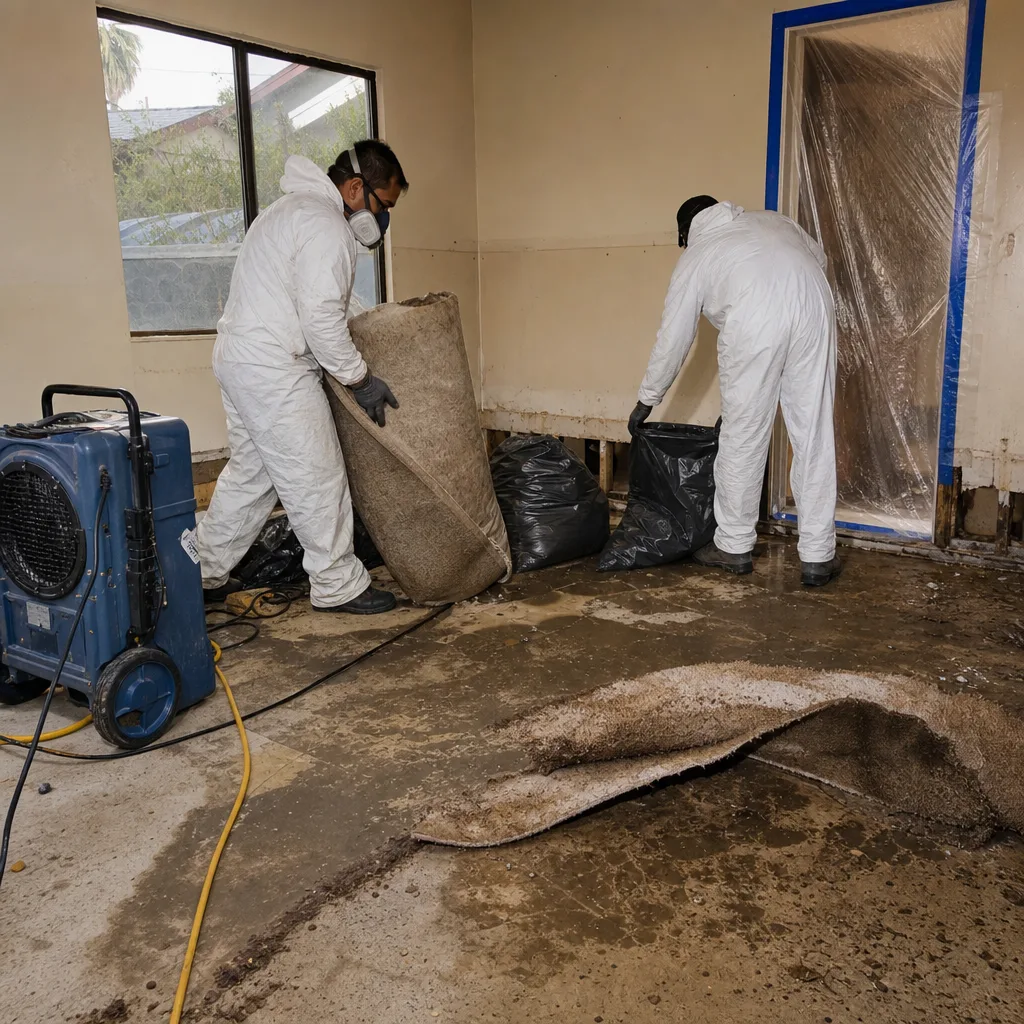
- Accepting a verbal estimate. In California, restoration contractors must provide a written estimate for work exceeding $500. More importantly, without a written scope, you have no baseline to prevent scope creep. Haven Standard, Clause 1 exists to end this practice.
- Signing authorization before seeing line items. The “emergency service authorization” many contractors present at 2 AM is often a blank check for unlimited mitigation. Read it. Cross out language you don’t understand. A legitimate contractor will explain and revise.
- Ignoring the equipment count. Homeowners focus on labor hours because they understand time. Equipment rental often exceeds labor cost on water jobs. Count the units, check the daily rates against Xactimate, and question duration that exceeds documented drying goals.
- Assuming insurance covers everything. Deductibles, policy limits, and ACV depreciation can leave significant gaps. Ask your adjuster for a written coverage confirmation before work begins, not after.
- Not documenting pre-existing conditions. Bellflower’s older homes have wear patterns, prior repairs, and material aging that contractors may attribute to the current loss. Photo your home’s condition before any work starts, especially in basements, crawl spaces, and utility areas.
- Waiting for three bids during active water damage. Mitigation is time-critical; every hour of delay increases the affected area and the final cost. For active water, select a documented, licensed contractor immediately. Use the comparison method for rebuild bids, which can be scoped and scheduled.
- Overlooking permit requirements. The City of Bellflower requires permits for electrical, plumbing, and structural repairs exceeding specific thresholds. Unpermitted work can void insurance coverage and create title issues on sale. A contractor who doesn’t mention permits isn’t saving you hassle; they’re creating it.
When to Call a Professional
Call immediately when water is actively flowing, when you smell mold but cannot locate the source, when sewage is involved, or when fire damage has compromised structural elements. These scenarios worsen rapidly and carry health risks that justify professional response regardless of cost.
For water damage, the decision point is usually 24 to 48 hours. Beyond that window, Category 1 water degrades to Category 2, and mold colonization becomes likely in Bellflower’s climate. For mold, any visible growth exceeding 10 square feet, or any growth in HVAC systems, warrants professional containment. For fire and smoke, professional cleaning is necessary when residue has traveled beyond the ignition room, which it almost always has through modern open floor plans.
DryMark Restoration Bellflower offers free estimates in Bellflower. Our written scope, delivered before any work begins under Haven Standard, Clause 1, lets you compare our pricing directly against Xactimate benchmarks and competitor bids. We also provide a Free Second Opinion on any competitor’s written estimate, at no charge. Call (424) 347-8338 to schedule documentation-first restoration with background-checked, uniformed technicians and live phone coverage 24 hours a day, 7 days a week. For more guides & resources, visit our blog.
Frequently Asked Questions
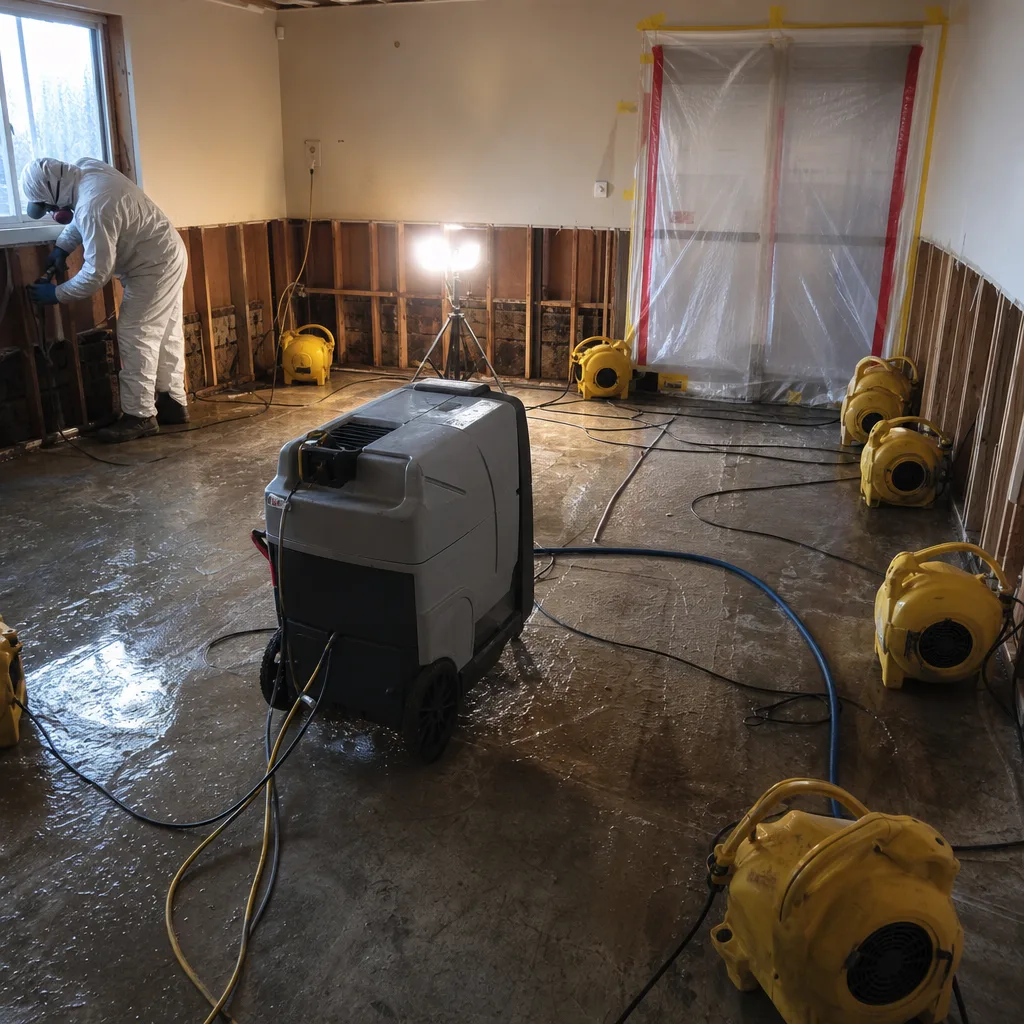
Category 1 water mitigation in Bellflower averages $3.85 to $5.75 per square foot, while Category 2 runs $4.95 to $7.20 and Category 3 runs $7.00 to $10.70. These ranges include extraction, demolition, structural drying, and antimicrobial application based on 2026 Xactimate LA metro pricing for ZIP codes 90706 and 90707. Call (424) 347-8338 for a written estimate on your specific loss - estimates are free.
If you have Replacement Cost Value (RCV) coverage, documented mitigation and rebuild costs are typically paid in full minus your deductible. Actual Cash Value (ACV) policies apply depreciation that can leave 30 to 50% of rebuild costs uncovered. The key is documentation: photo records, moisture logs, and written scopes that prove the scope and cost. DryMark Restoration Bellflower coordinates directly with adjusters using IICRC-standard documentation to maximize claim payment.
For active water damage, sewage, or fire emergencies, DryMark Restoration Bellflower maintains live phone coverage 24 hours a day, 7 days a week with no voicemail trees. Response time depends on current dispatch volume and your location within Bellflower, but emergency mitigation in the 90706 and 90707 ZIP codes typically begins within hours, not days. Reconstruction work is scoped, scheduled, and priced in writing like any remodel - never rushed.
Xactimate is the industry-standard pricing software used by most insurance carriers and restoration contractors. It publishes version-locked, region-specific prices for labor, materials, and equipment. In Bellflower, the LA metro multiplier means prices run 15 to 24% above national baseline. When a contractor’s estimate tracks Xactimate, you have an objective benchmark. When it doesn’t, you have questions to ask.
Request the equipment list with model numbers, daily rates, deployment dates, and pickup dates. Compare daily rates to Xactimate’s LA metro ranges: LGR dehumidifiers at $38 to $52, air movers at $18 to $25, negative air machines at $45 to $60. Rates significantly above these without documented justification suggest padding. Also verify that equipment days match moisture log entries showing when drying goals were achieved.
For growth under 10 square feet on hard, non-porous surfaces without HVAC involvement, DIY cleaning with appropriate PPE may be sufficient. For larger areas, porous material contamination, hidden growth behind walls, or any HVAC involvement, professional containment and negative air isolation are necessary to prevent cross-contamination and meet California’s Mold Remediation Act requirements. In Bellflower’s older housing stock, we regularly find concealed mold in wall cavities behind apparently clean surfaces. A professional assessment with thermal imaging and moisture mapping reveals the full extent before you commit to a scope.
At DryMark Restoration Bellflower, we coordinate directly with your adjuster, providing the daily moisture logs, photo records, and written scopes in the documentation format adjusters use for their own files. This direct coordination, documented to RIA and IFA standards, reduces claim delays and disputes. You remain the policyholder and final decision-maker, but you don’t need to become the document courier between contractor and carrier.
The Bottom Line
Restoration pricing in Bellflower is knowable, verifiable, and comparable when you understand the Xactimate benchmarks that govern it. The 2026 LA metro multipliers, the specific daily rates for equipment, and the line-item structure of properly scoped estimates give you the tools to read any bid like a professional. The hazards are equally clear: equipment inflation, scope creep through vague language, and documentation gaps that turn payable claims into denied ones. The defense is a written scope delivered before work begins, with every line item defined and every piece of equipment justified by drying data. That’s Haven Standard, Clause 1, and it’s how restoration should work.
Written by Alicia Brennan, Owner at DryMark Restoration Bellflower, serving Bellflower since 2011.