
Last updated September 23, 2026
Free visual inspection and a written scope of work before any mitigation begins - photos, moisture readings, and drying logs go in your claim file
The scope we write is the scope we bill. Anything new gets shown to you, in writing, before we touch it.
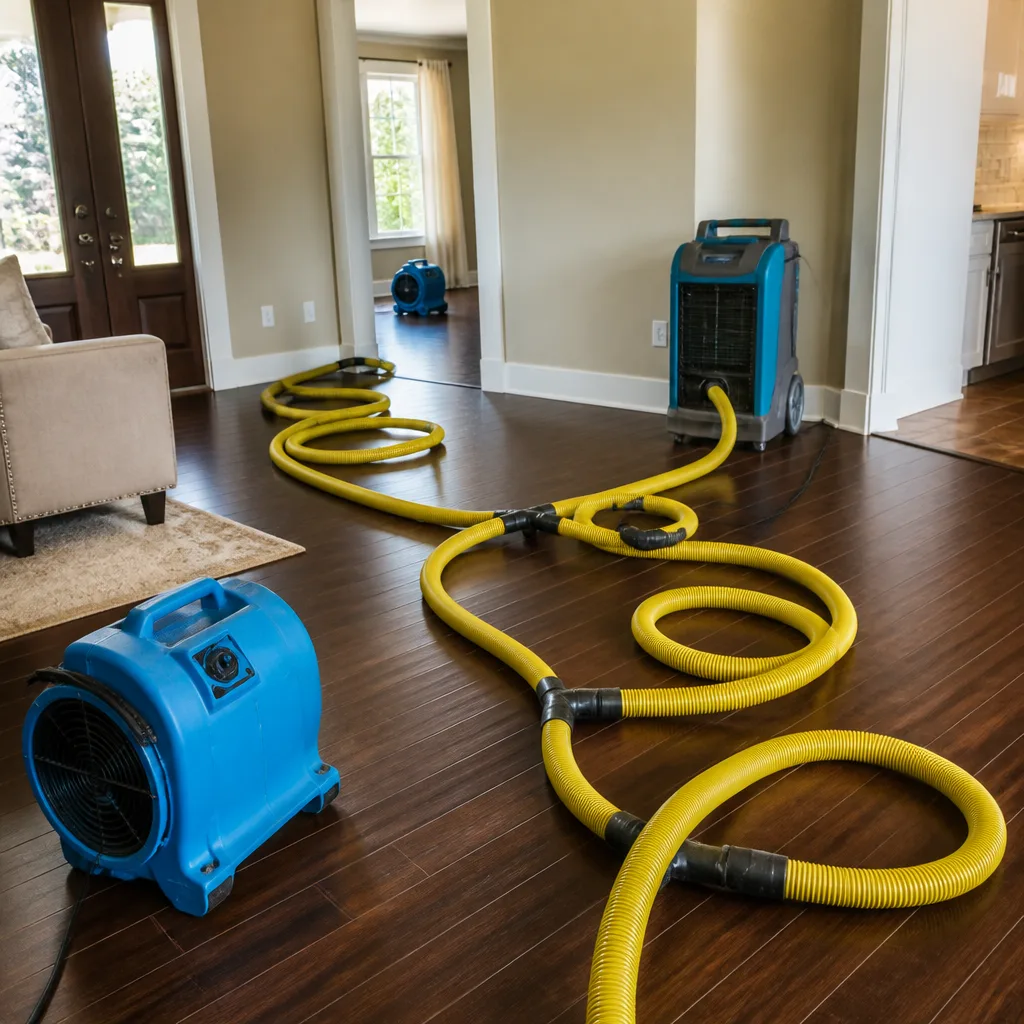

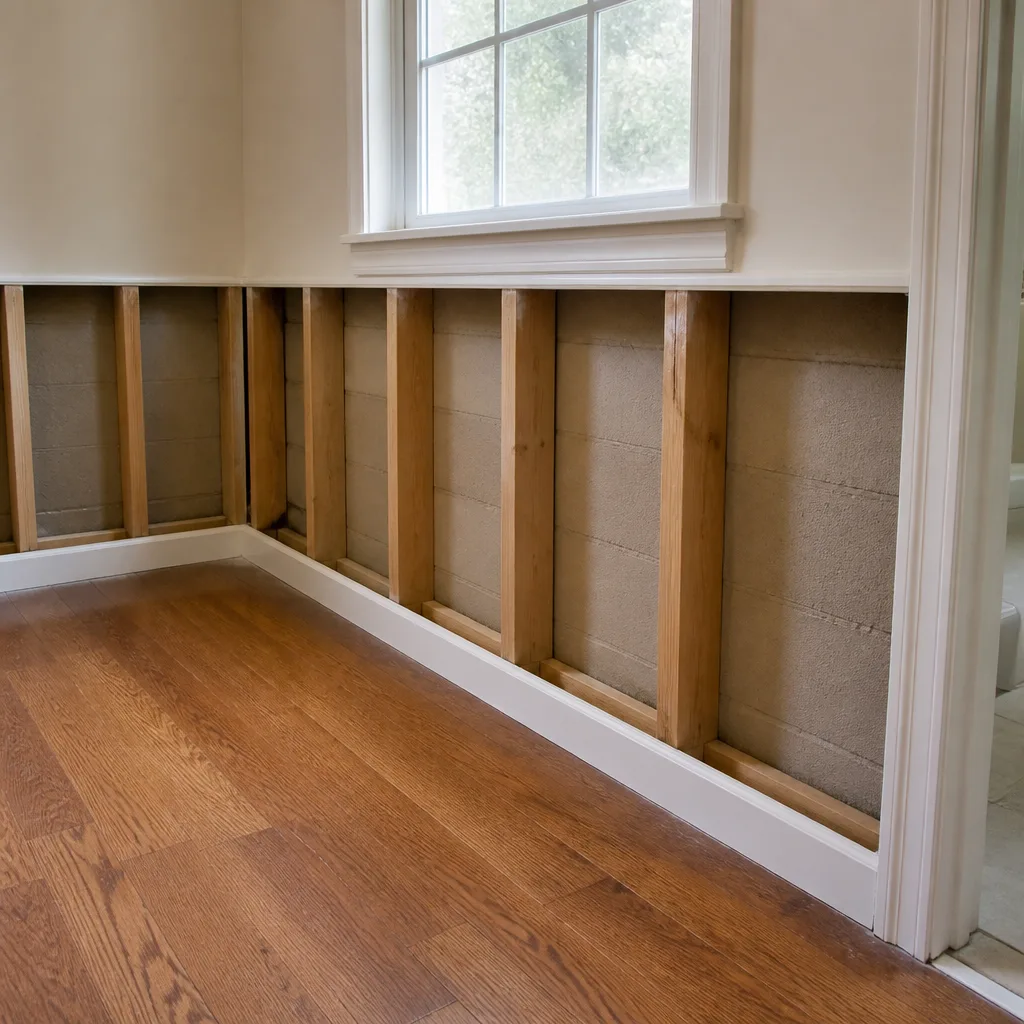

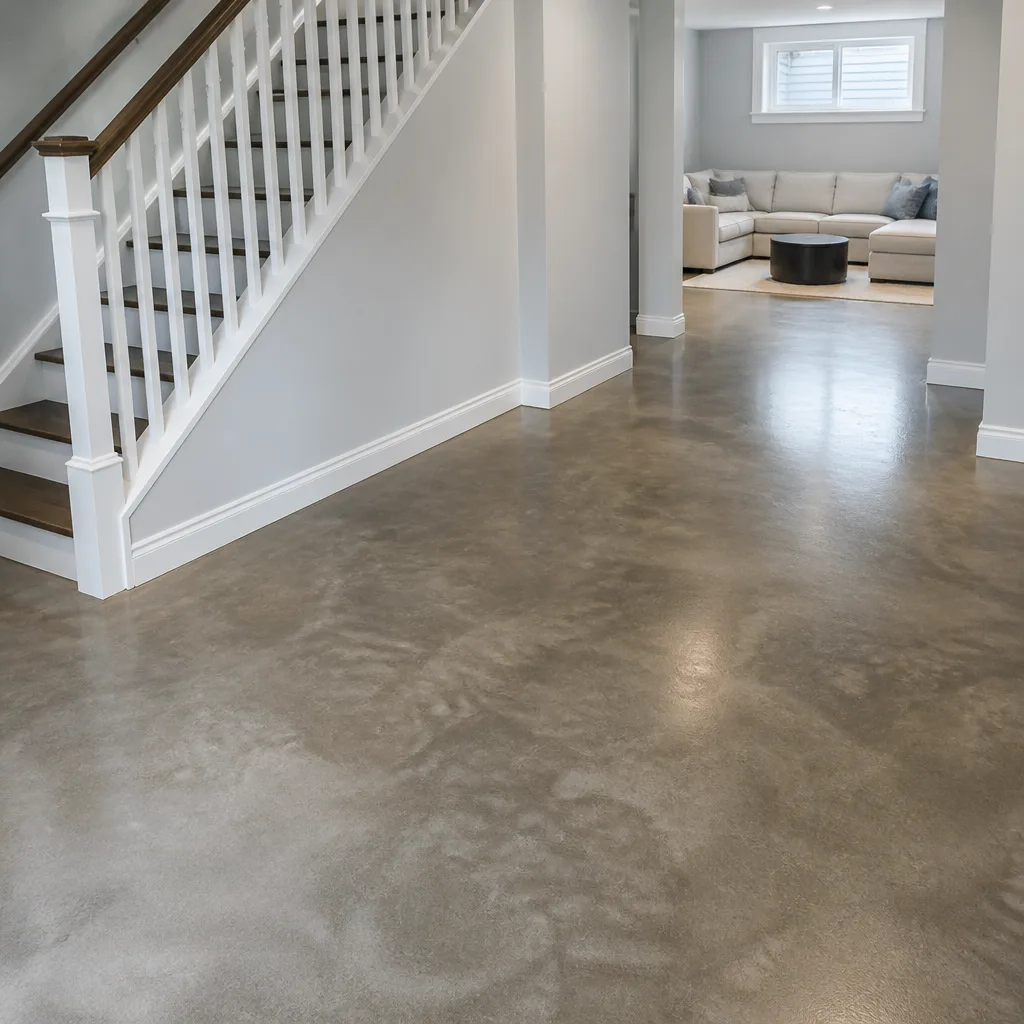

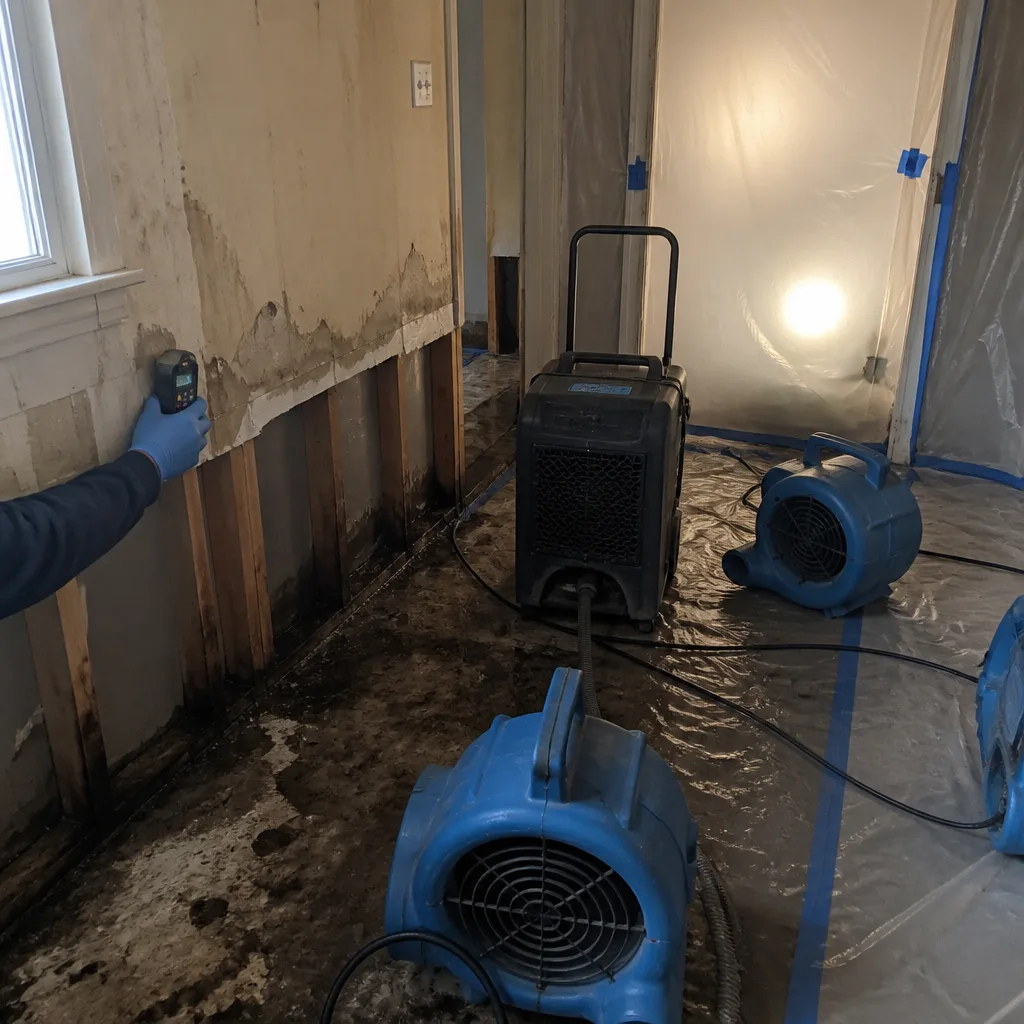 Before
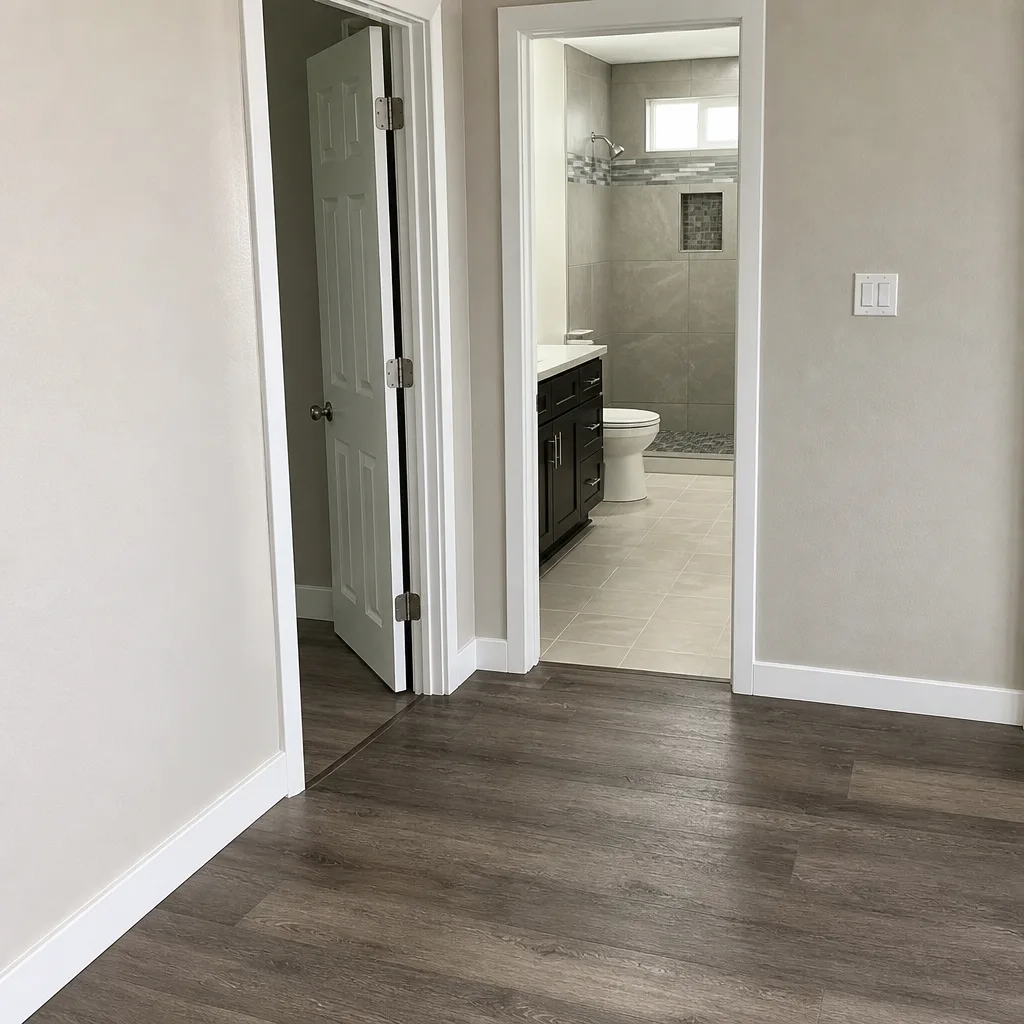 After
After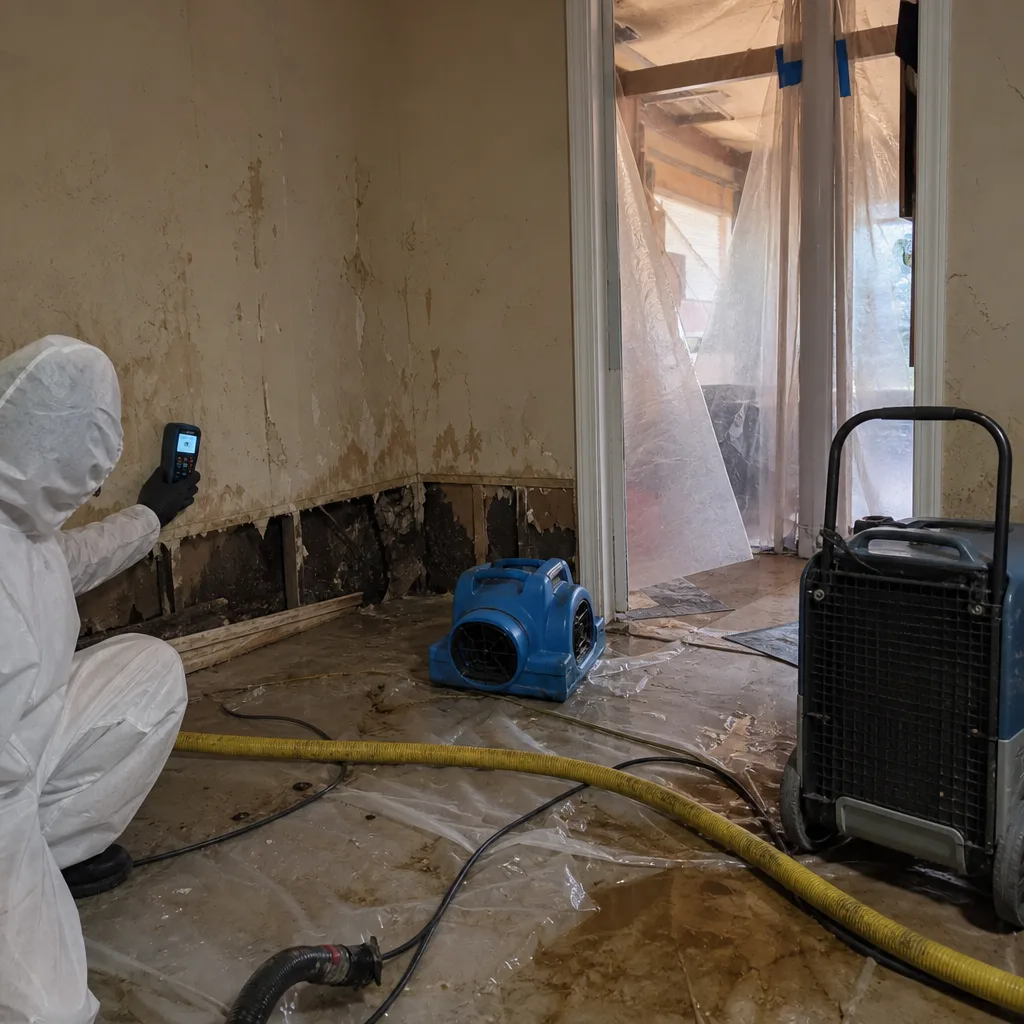 Before
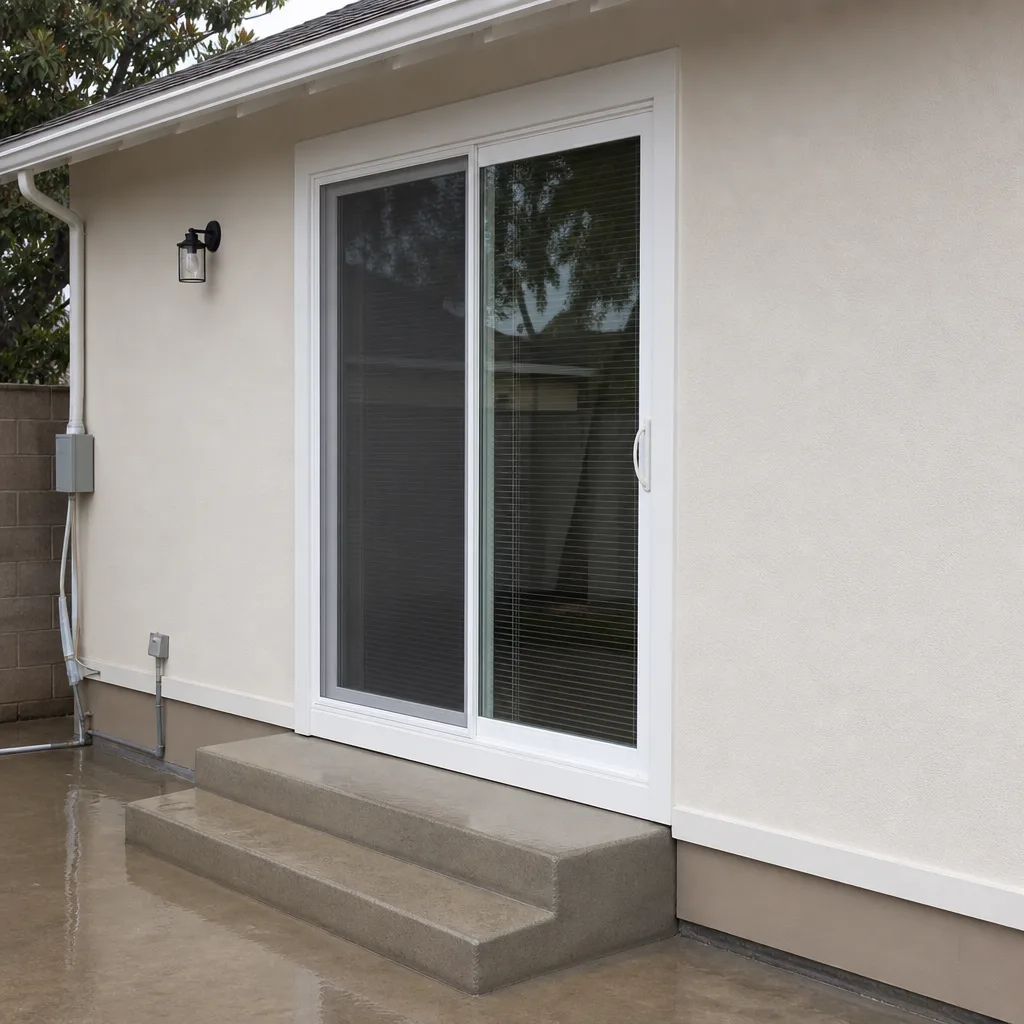 After
After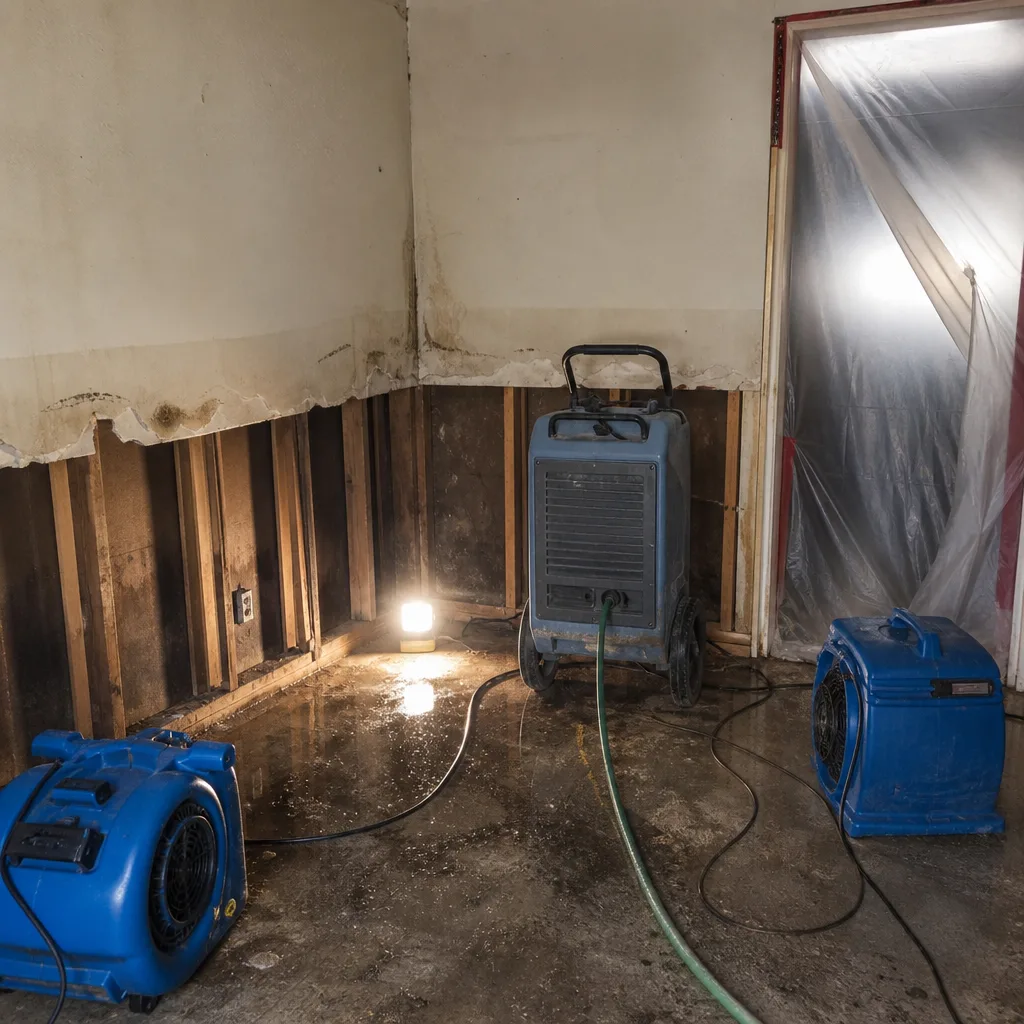 Before
 After
AfterDamage Restoration Warning Signs: A Bellflower Homeowner’s Reference Guide
A moisture reading of 16% in a wood subfloor is normal. A reading of 19% in that same subfloor, three weeks after a plumbing repair, is active damage - and the difference between those two numbers is the difference between a maintenance call and a $22,000 claim. In Bellflower, where pre-1985 stucco homes cluster near the I-605 corridor and summer humidity pushes interior vapor pressure higher than coastal neighbors, homeowners routinely miss these thresholds until drywall blooms or floorboards crown. This guide - along with our more guides & resources - gives you the specific numbers, patterns, and documentation methods we’ve used since 2011 to catch damage before it becomes a denied claim.
Quick Answer
The warning signs that predict major restoration claims in Bellflower homes are measurable, not mysterious: wood moisture above 17%, drywall above 1.0% above baseline, efflorescence that returns after brushing, HVAC odors persisting past 48 hours, and stucco cracking that follows horizontal lines rather than stair-step patterns. Each indicator has a documented threshold; crossing it means documenting the reading and calling for assessment, not waiting to see what develops.
Table of Contents
- Moisture Meter Readings: The Exact Percentages That Matter
- Efflorescence on Bellflower Foundation Walls: Reading the Mineral Map
- HVAC Odor Signatures: Mold vs. Dust Burn-Off
- Pre-1985 Stucco Cracking: When Settlement Hides Water Damage
- How to Photograph Warning Signs for Adjuster-Ready Documentation
- Common Mistakes to Avoid
- When to Call a Professional
- Frequently Asked Questions
 Before
 After
AfterMoisture Meter Readings: The Exact Percentages That Matter
Every restoration technician at DryMark Restoration Bellflower carries two moisture meters: a pin-type for invasive readings and a non-invasive radio frequency meter for initial scanning. Homeowners can buy a basic pin meter for $40-$80, and for the purpose of early warning detection, that’s sufficient. What matters isn’t the tool; it’s knowing which number triggers documentation versus dismissal.
Wood subfloors and framing: Baseline moisture content in Bellflower typically runs 10-14% during dry months and 12-16% during humid periods. A reading of 17% or higher indicates active moisture uptake beyond ambient conditions. At 19%, wood begins dimensional change - swelling that stresses fasteners and adjacent materials. We’ve documented subfloor readings of 22% in Bellflower homes where the homeowner reported only “a musty smell,” and by the time we arrived, secondary mold colonization had spread to wall cavities. The threshold to act: 17% for wood, documented with location, date, and a reference photo.
Drywall and gypsum: Drywall doesn’t hold moisture the way wood does; it wicks and releases it quickly. Baseline in Bellflower homes with normal HVAC operation is 0.5-0.8% moisture content by weight. A reading of 1.5% or higher indicates active water contact, not humidity. At 2.5%, paper facing begins delaminating and mold spores find purchase within 48-72 hours. The threshold to act: 1.0% above your home’s established baseline, or any reading over 1.5% if baseline is unknown.
Concrete slab floors: Bellflower’s clay-heavy soil and older slab construction without vapor barriers create persistent challenges. Concrete equilibrium moisture content typically reads 3-5% on a calcium chloride test. Surface readings above 5% with a pinless meter suggest vapor drive from below; above 7% indicates liquid water contact. We’ve seen slab readings of 9% in Bellflower garages where a failed hose bib created a subsurface channel the homeowner never saw. The threshold to act: 5% for surface scanning, 3 pounds per 1,000 square feet per 24 hours on calcium chloride testing.
Documenting your readings: Record the material type, meter type, exact reading, location (use room name and approximate distance from nearest wall), date, time, and recent weather. A reading without context is inadmissible in claim disputes. Our Water Damage Restoration in Bellflower team builds every drying log from this same data structure.
Efflorescence on Bellflower Foundation Walls: Reading the Mineral Map
Efflorescence - the white, powdery deposit on concrete or masonry - is salt left behind when water evaporates. In Bellflower, where many foundations were poured with local aggregate containing soluble sulfates, efflorescence is common. What most homeowners miss is that the pattern of efflorescence reveals the behavior of water intrusion, and that behavior determines whether you’re looking at a one-time event or chronic damage.
Pattern 1: Discrete, isolated patches. These suggest a single water contact event - a sprinkler overspray, a brief grade reversal after rain, or a one-time plumbing leak. The deposit forms where water pooled and evaporated. If the patch doesn’t recur after brushing and monitoring, it’s typically cosmetic. Document with photos and check annually.
Pattern 2: Horizontal banding at consistent elevation. This indicates a water table or capillary break issue. In Bellflower, we see this frequently in homes near the San Gabriel River floodplain where seasonal groundwater rises. The band marks the high-water interface; above it, evaporation dominates. Below it, saturation persists. This pattern demands professional assessment - it won’t resolve without intervention.
Pattern 3: Vertical streaking from wall penetrations. Each streak traces a water path from a specific entry point: a tie-rod hole, a form snap, a crack, or a pipe penetration. The width of the streak correlates with flow volume. Narrow streaks suggest vapor drive; wide, heavy streaks indicate liquid flow. In our Bellflower work, vertical streaking from tie-rod holes is the most commonly missed precursor to foundation wall failure.
Pattern 4: Recurring efflorescence after removal. Brush it off. Wait 30 days. If it returns, water is still moving through that wall section. This is the definitive indicator of active intrusion versus historical residue. We’ve documented cases in Bellflower where homeowners brushed efflorescence annually for six years before calling; by then, rebar corrosion had spalled the interior face of the foundation wall.
The documentation method matters for claims. Photograph the full wall elevation, then close-ups of each pattern type with a coin or ruler for scale. Note date, recent rainfall, and whether irrigation was active. Our DryMark Restoration Bellflower home assessments include this documentation as standard deliverable.
HVAC Odor Signatures: Mold Amplification vs. Dust Burn-Off
Not every odor from your vents signals disaster. But the wrong odor, persisting past the wrong interval, does - and the distinction determines whether you need duct cleaning or full mold remediation with containment.
Dust burn-off: At first heating cycle each season, accumulated dust on heat exchangers produces a sharp, dry, “hot” odor. It diminishes within 2-4 hours of continuous operation and doesn’t recur. This is normal. No action needed beyond scheduled filter replacement.
Dirty sock syndrome: A musty, gym-bag odor from evaporator coils, typically in spring and fall when coils stay wet between cycles. It’s bacterial biofilm, not mold, and while it signals maintenance needs, it doesn’t indicate structural damage. Professional coil cleaning resolves it.
Mold amplification odor: This is the critical warning sign. It’s earthy, not sharp. Persistent, not diminishing. Often stronger at system startup than during continuous operation, because the air movement disturbs colonized material. The key discriminator: if an HVAC odor hasn’t changed character or intensity after 48 hours of continuous operation, assume biological amplification until proven otherwise.
Why 48 hours matters for Bellflower homeowners: mold remediation scope expands dramatically once colonization spreads from HVAC components to adjacent wall cavities. In our work across Bellflower, the difference between a $1,200 coil-and-duct cleaning and a $14,000 remediation with drywall removal often comes down to whether the homeowner called on day 3 or day 14. The odor doesn’t become more dangerous after 48 hours; the remediation becomes more invasive.
What to document: odor character (earthy/musty/sharp/sweet), location of strongest perception, whether it changes with fan speed, filter age and type, and any recent water events near duct runs. Our Mold Remediation in Bellflower team uses this same intake protocol to scope accurately before arriving on site.
Pre-1985 Stucco Cracking: When Settlement Hides Water Damage
Bellflower’s housing stock includes thousands of stucco-clad homes built during the 1960s-1980s construction boom. Many used asphalt-impregnated building paper (felt) as the moisture barrier between stucco and framing. That felt degrades. When it fails, water that penetrates the stucco doesn’t drain; it saturates the sheathing. The warning signs are in the crack pattern, not the crack presence.
Settlement cracks (typically benign): Stair-step patterns in stucco, following mortar joints or panel edges. Diagonal orientation, wider at top or bottom but not uniformly. Often near foundation corners or above openings. These reflect structural movement. They may need repair, but they don’t indicate water damage behind the cladding.
Failed building paper cracks (the hidden damage indicator): Horizontal lines, often at floor lines or plate heights, where water has saturated the bottom edge of sheathing panels and caused swelling that telegraphed through the stucco. Parallel cracking at regular vertical intervals - typically 4 or 8 feet - matching plywood or OSB panel joints. Bulging or bowing between cracks, indicating delaminated stucco from saturated substrate. Hairline cracks that follow no structural logic but align with flashing terminations or penetrations.
We’ve documented this pattern in Bellflower neighborhoods from Somerset Ranch to the area near Bellflower Boulevard and Rosecrans. In homes built 1975-1985 with single-coat stucco over wood sheathing, the failure mode is predictable: building paper embrittlement at terminations, water entry at windows and doors, horizontal cracking as sheathing swells. The homeowner sees “settling.” We see a moisture map.
The critical documentation: photograph cracks with a straightedge reference to show deviation from level. Note whether cracks align with panel joints or structural members. Check interior walls at corresponding locations for moisture meter readings - interior drywall at failed paper locations often reads 1.2-2.0% even when exterior stucco appears merely cracked.
How to Photograph Warning Signs for Adjuster-Ready Documentation
Insurance adjusters evaluate thousands of photos annually. The ones that support claims have specific characteristics; the ones that don’t are politely ignored. Since 2011, we’ve refined our documentation protocol based on what adjusters actually use to authorize payment. Homeowners can apply the same standards to pre-loss documentation that strengthens their position if a claim becomes necessary.
- Establish overall context first. Before any close-up, photograph the full room or elevation from a corner position that shows two walls meeting. This orients the adjuster. Include a permanent feature - window, door frame, built-in - that establishes scale and location.
- Use reference objects, not guesswork. Place a standard ruler, coin, or credit card adjacent to any crack, stain, or deposit. For moisture readings, photograph the meter display with the probe inserted in the material. The reading must be legible; glare on digital displays invalidates the photo.
- Shoot perpendicular to the surface. Angled photos distort dimensions and make cracks appear wider or narrower than actual. Position yourself so the camera sensor plane is parallel to the wall, floor, or ceiling being documented.
- Include date and time metadata. Enable timestamp on your camera or phone. If using a dedicated camera without GPS, photograph a phone showing the date and time in the first frame of each sequence. Adjusters verify chronology; gaps or ambiguity weaken claims.
- Document the unaffected adjacent area. For every damaged or suspect location, photograph the nearest visibly normal surface. This establishes baseline condition and proves the anomaly is localized, not generalized. We’ve seen Bellflower claims disputed because the homeowner only photographed damage, making it impossible to distinguish active loss from pre-existing wear.
- Create a written index. For each photo, note: file name, date, time, location in home, subject, and any relevant recent events (rainfall, plumbing work, HVAC service). This index becomes part of your claim file and demonstrates systematic documentation.
- Store in two locations. Cloud storage plus local backup. Water damage destroys phones and computers; fire destroys paper. Your documentation is only as good as your retrieval capability.
The photo record we produce on every DryMark Restoration Bellflower visit follows this protocol precisely. It’s included as standard, never an upsell, because documentation that doesn’t support claim payment is documentation that failed its purpose. Our Sewage Cleanup in Bellflower work produces the same deliverable - the hazard demands it.
Common Mistakes to Avoid
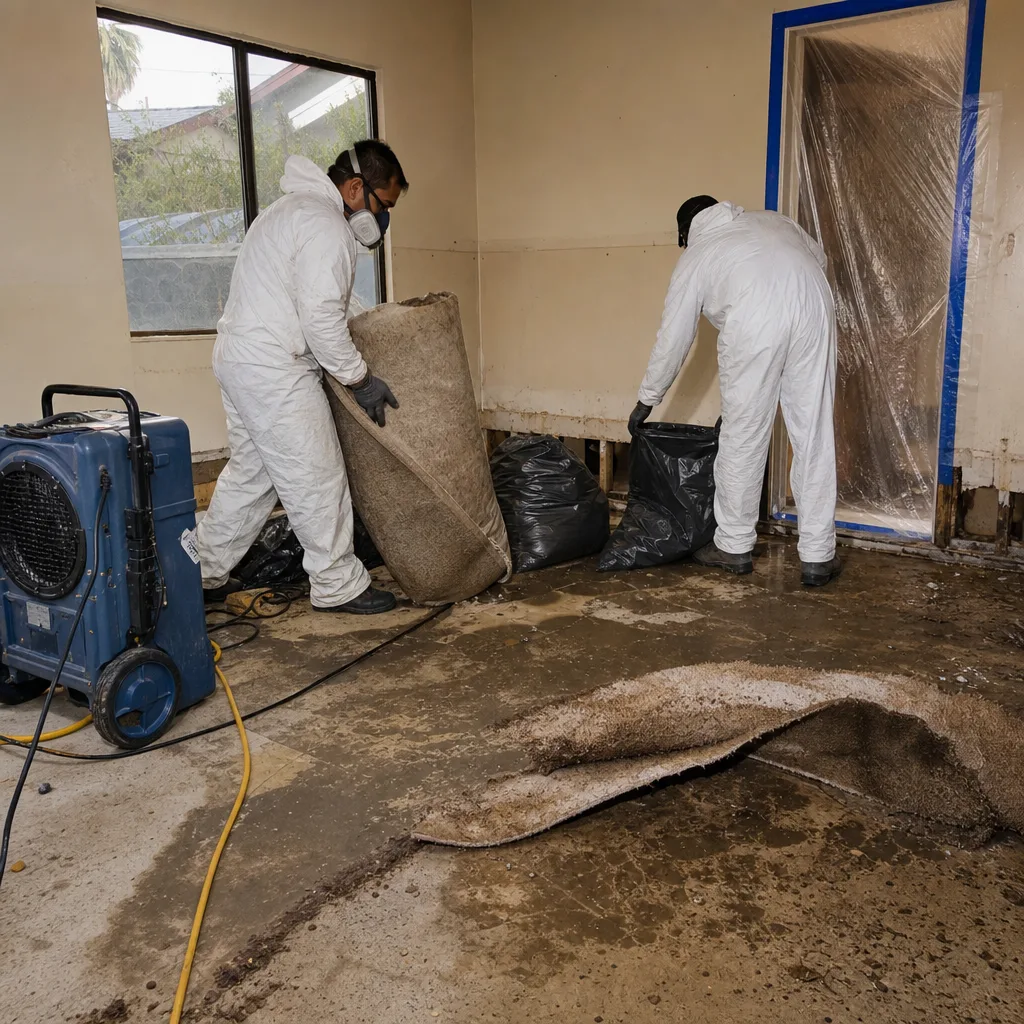
- Waiting for visible mold before calling. Mold becomes visible at approximately 10 square feet of colonization. By then, remediation requires containment, negative air, and often drywall removal. Early moisture detection prevents the visible stage entirely.
- Using “smell tests” instead of meter readings. Human olfactory adaptation means you stop smelling your own home’s baseline within 20 minutes of entry. A moisture meter doesn’t adapt. In Bellflower’s older homes with variable ventilation, we’ve found active damage in rooms the homeowner described as “fine, just a little stuffy.”
- Assuming new construction is immune. Bellflower’s 2015-2025 construction includes homes with stucco installation defects, improper flashing at deck-to-wall transitions, and HVAC duct leakage into unconditioned attics. Age is not protection; installation quality is.
- Photographing without scale or context. A close-up of a crack tells an adjuster nothing. A close-up with a ruler, preceded by a room-context shot, tells a complete story. The extra 30 seconds per photo prevents claim disputes.
- Ignoring seasonal patterns. Bellflower’s Mediterranean climate creates predictable risk windows: Santa Ana wind events that drive rain through stucco penetrations; summer humidity that pushes interior vapor pressure high enough to condense on cool slab edges; winter heating cycles that reveal duct leakage. Documenting only during one season misses cyclical damage.
- Accepting verbal assurances without written scope. Any contractor who won’t put findings, recommendations, and pricing in writing before work begins is operating outside professional standards. Haven Standard, Clause 1: written price before work begins. No exceptions.
When to Call a Professional
Call when any warning sign crosses its threshold: wood moisture at 17% or higher, drywall at 1.5% or above, efflorescence that returns after brushing, HVAC odors persisting past 48 hours, or stucco cracking that follows horizontal or panel-joint patterns rather than stair-step settlement. If you’re unsure whether to handle an issue yourself or bring in professionals, read our DIY vs Professional Damage Restoration: The Bellflower Homeowner’s Decision Guide. Call sooner if multiple signs appear together - moisture plus odor plus efflorescence indicates an active, ongoing source, not a historical event.
Call immediately for sewage backup, standing water of unknown origin, or any electrical system exposure to moisture. These scenarios carry genuine safety hazards; documentation can wait until the hazard is controlled.
DryMark Restoration Bellflower offers free estimates in Bellflower - call (424) 347-8338. Every assessment includes moisture mapping, photo documentation, and a written scope with pricing before any work begins. Our 365-Day Done Right Promise applies to every job we accept.
Frequently Asked Questions
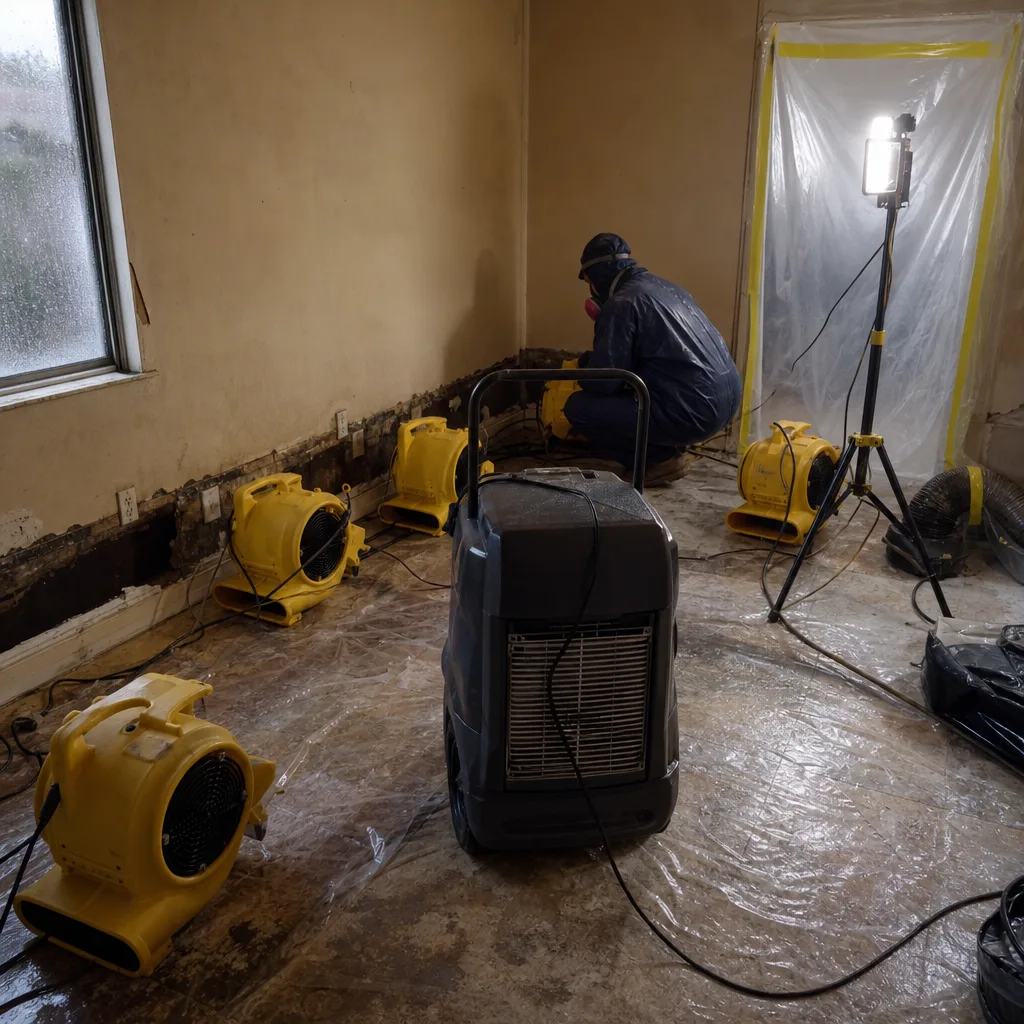
Most reputable restoration companies in Bellflower, including DryMark Restoration Bellflower, provide initial moisture mapping at no charge as part of a written estimate. For help vetting contractors, see our How to Hire a Damage Restoration Contractor in Bellflower: A Step-by-Step Guide. The assessment typically takes 45-90 minutes for a single-family home and produces a room-by-room moisture log with photo documentation. Call (424) 347-8338 for an exact quote - estimates are free.
Coverage depends on whether the damage is “sudden and accidental” versus gradual. Documented warning signs with dates and readings can actually support your claim by proving you monitored responsibly; undocumented delay weakens it. We coordinate directly with adjusters and provide the drying logs, photo records, and written scopes that demonstrate due diligence. Call (424) 347-8338 to discuss your specific situation.
For active water damage, mold amplification, or biohazard scenarios, DryMark Restoration Bellflower maintains live phone coverage 24 hours a day, 7 days a week with no voicemail on emergency lines. Dispatch timing depends on current call volume and your location within our Bellflower service area; we’ll give you a specific ETA when you call. For non-emergency assessments, we typically schedule within 24-48 hours. Call (424) 347-8338 for current availability.
Surface cleaning of visible mold without addressing moisture source and airborne spore load typically worsens the problem by disturbing colonization and spreading spores. Professional remediation includes containment, negative air pressure, HEPA filtration, and post-remediation verification - not because visible growth is complex, but because invisible contamination determines whether the problem returns. In Bellflower’s climate, we’ve re-mediated dozens of homes where DIY cleaning preceded a larger claim six months later.
At minimum: a written scope of work with line-item pricing before work begins; daily moisture logs with psychrometric data (temperature, relative humidity, specific humidity, and vapor pressure differential); photo documentation of conditions at each visit; and a final report with clearance readings. DryMark Restoration Bellflower delivers all of these as standard, plus our 365-Day Done Right Promise in writing under The Haven Standard. If a contractor won’t commit to this documentation, they aren’t prepared to support your claim.
Bellflower’s clay-dominant soils expand when wet and shrink when dry, creating cyclic stress on slab and foundation systems. This means water intrusion doesn’t just cause material damage; it creates structural movement that produces new entry paths. The clay also holds moisture against foundation walls longer than sandy soils would, extending the window for capillary absorption. Homes near the San Gabriel River floodplain or with irrigation systems spraying foundation walls face elevated risk. Seasonal monitoring with documented readings catches this before structural damage develops.
The Bottom Line
Damage restoration warning signs in Bellflower homes speak in numbers and patterns, not whispers. A 17% wood moisture reading. Horizontal stucco cracks at 4-foot intervals. HVAC odors that don’t resolve in 48 hours. Efflorescence that returns after brushing. Each threshold is knowable, and each crossing is documentable. The homeowners who avoid major claims aren’t luckier; they’re measuring sooner, photographing better, and calling before the damage outpaces the deductible. The tools cost less than a tank of gas. The documentation protocol takes less time than a grocery run. The only variable is whether you’ll use them before you need them.
Written by Alicia Brennan, Owner at DryMark Restoration Bellflower, serving Bellflower since 2011.