
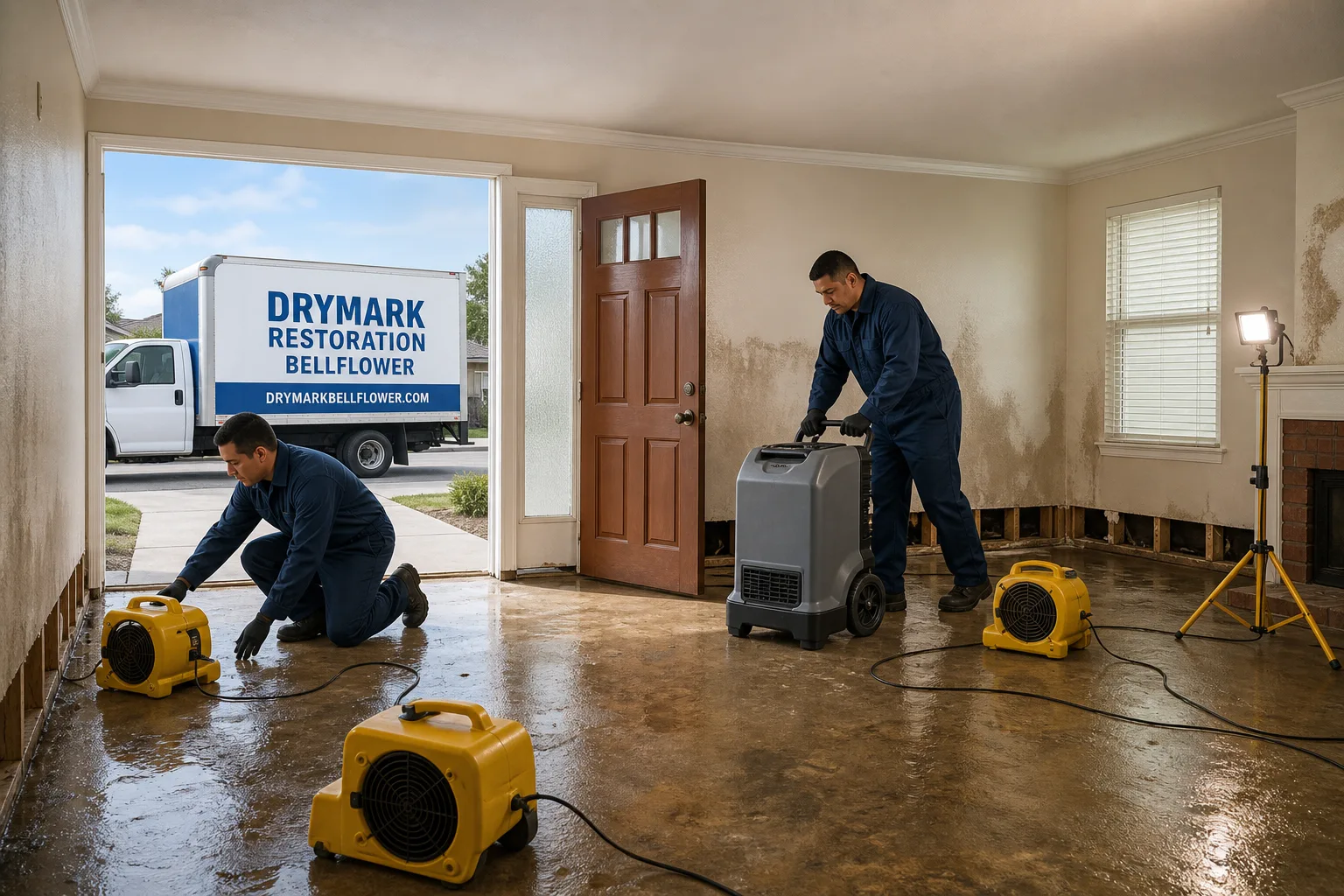
Free visual inspection and a written scope of work before any mitigation begins - photos, moisture readings, and drying logs go in your claim file
The scope we write is the scope we bill. Anything new gets shown to you, in writing, before we touch it.
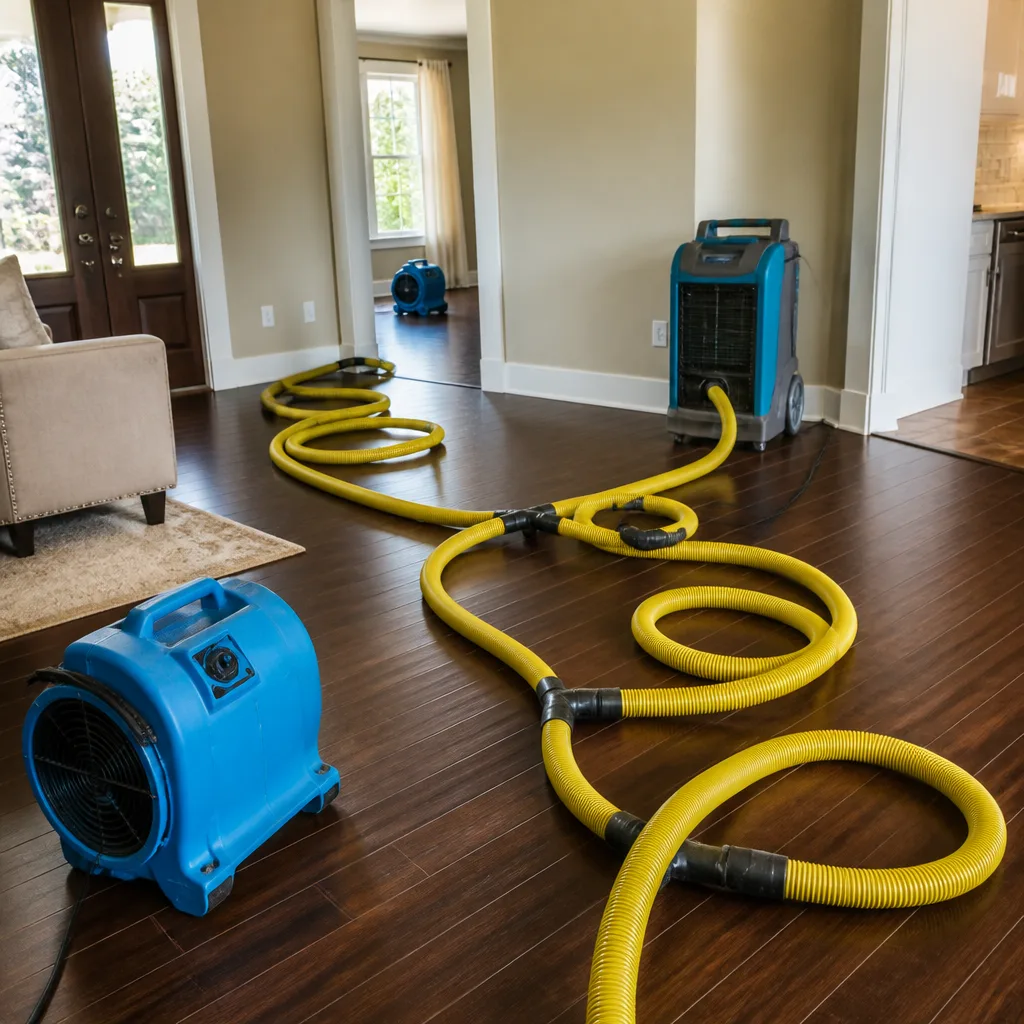
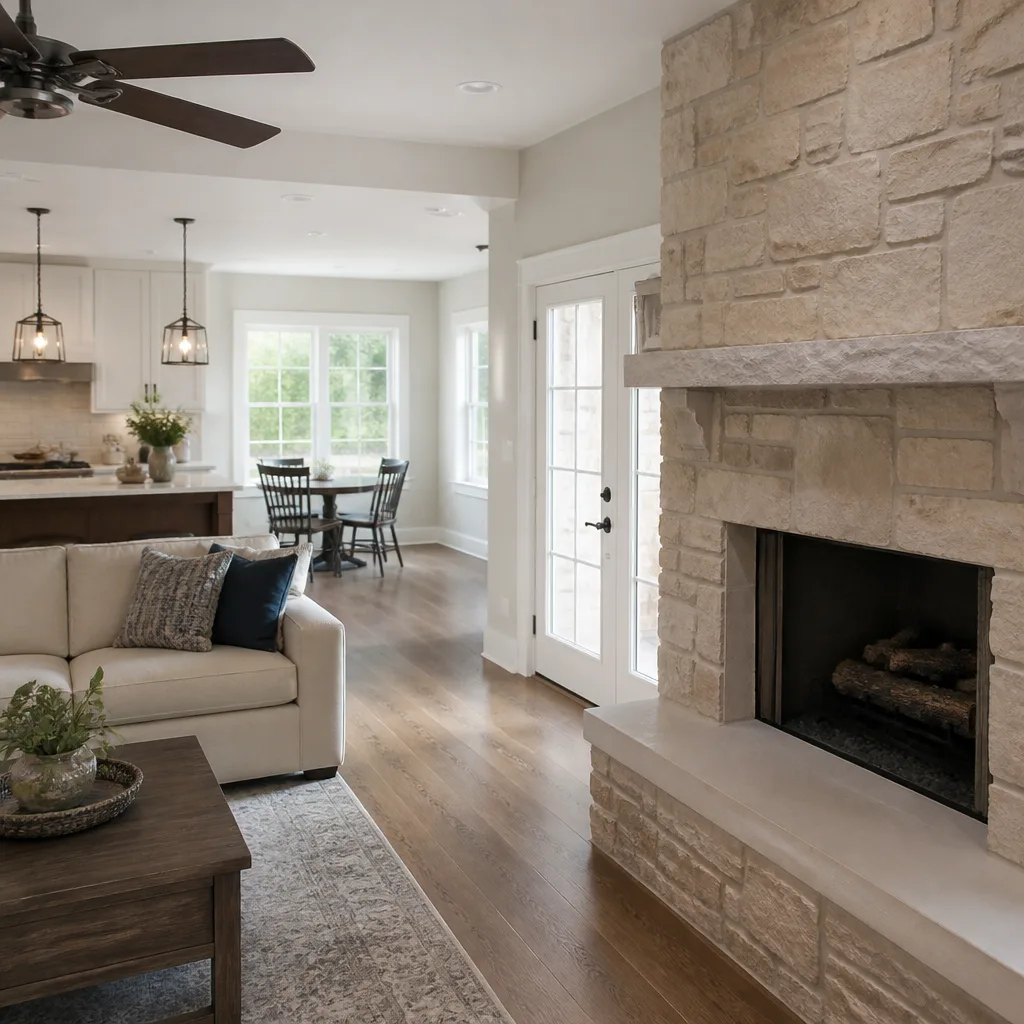
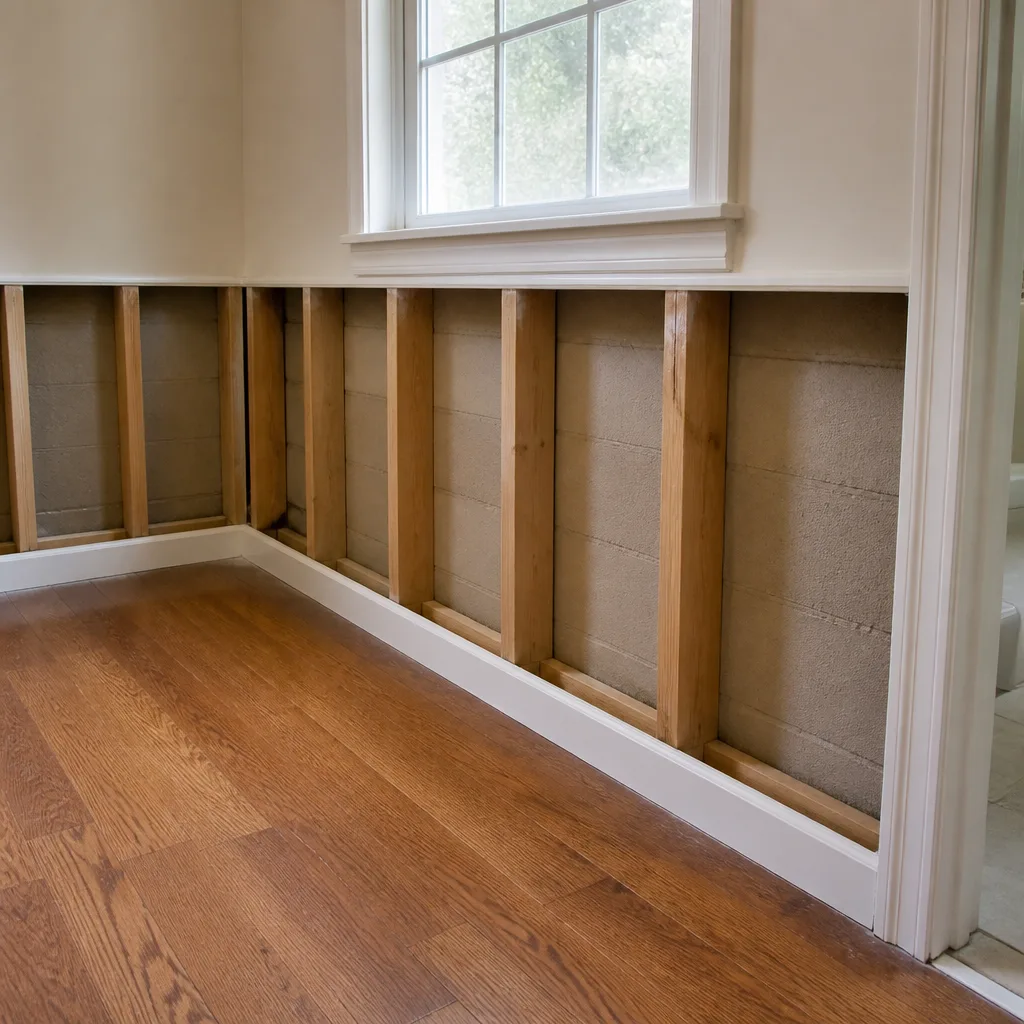
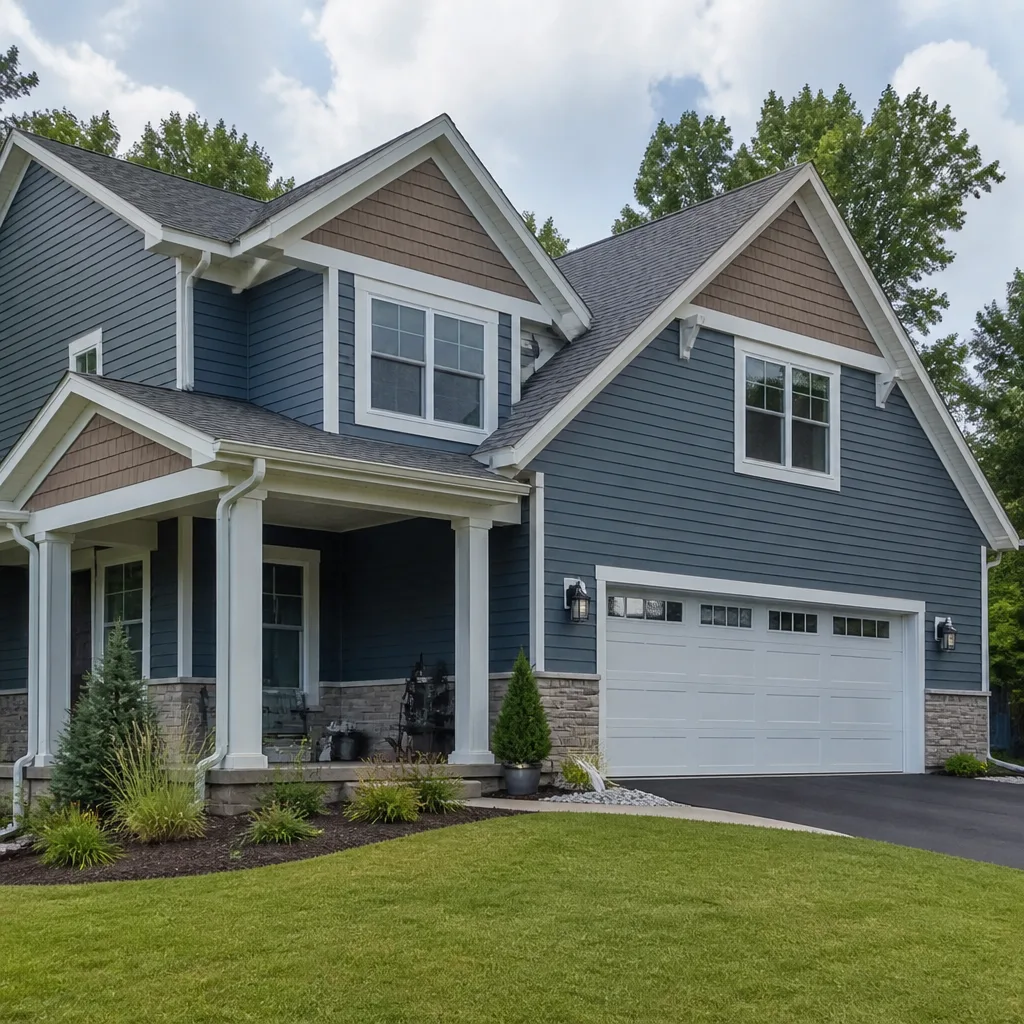
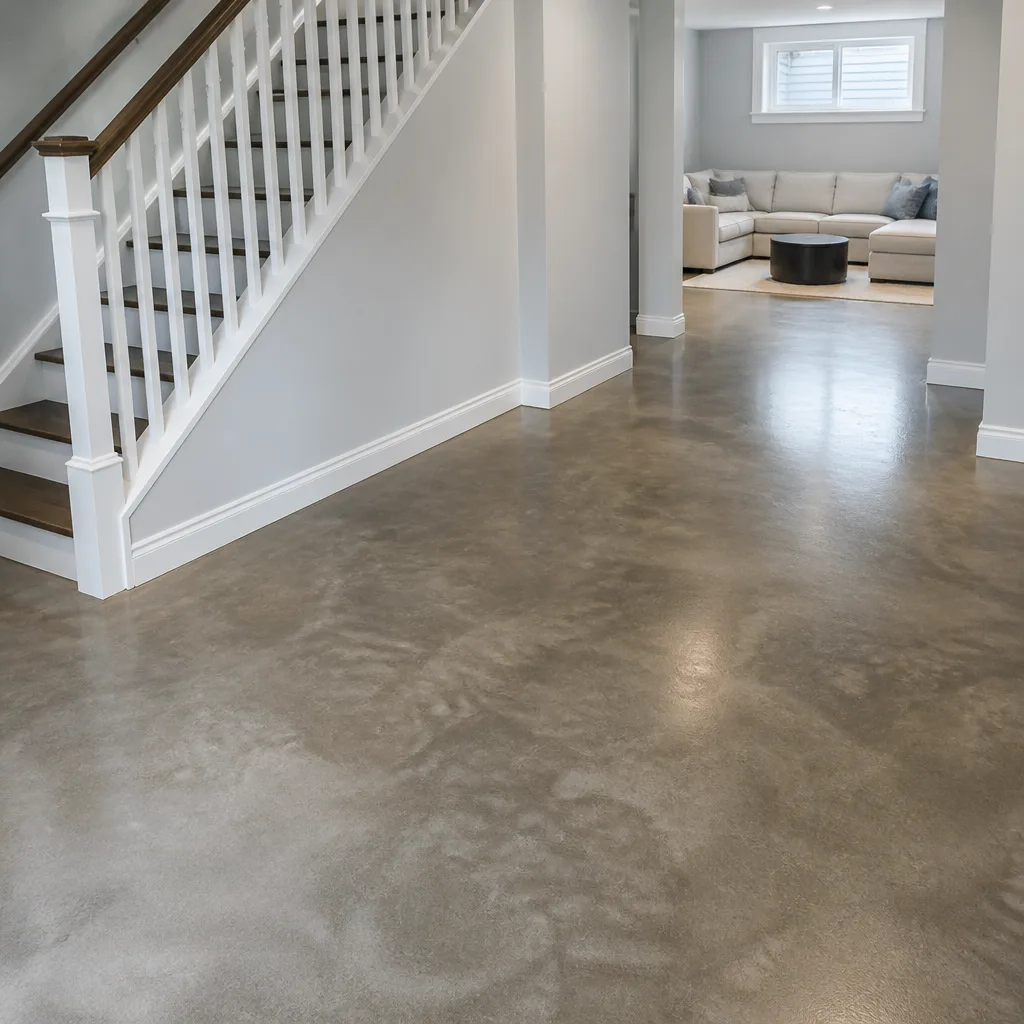
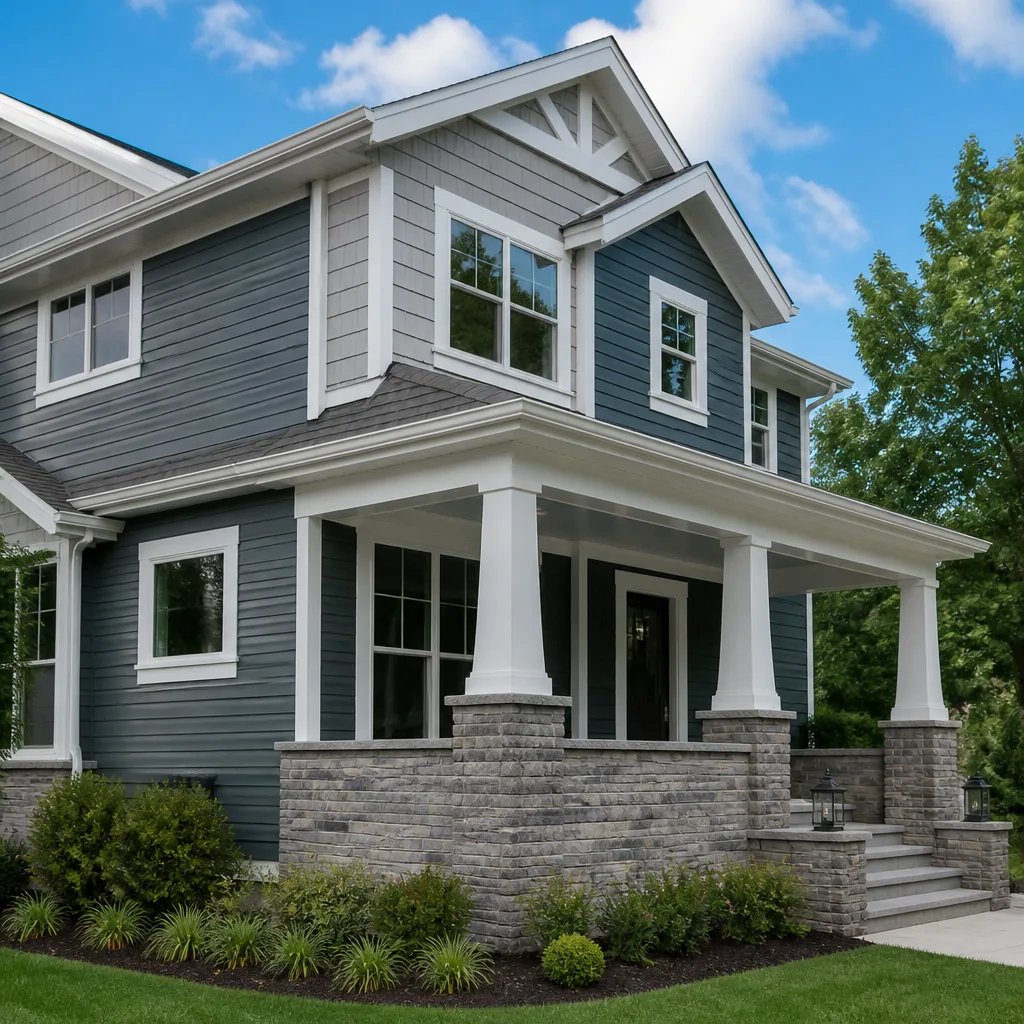
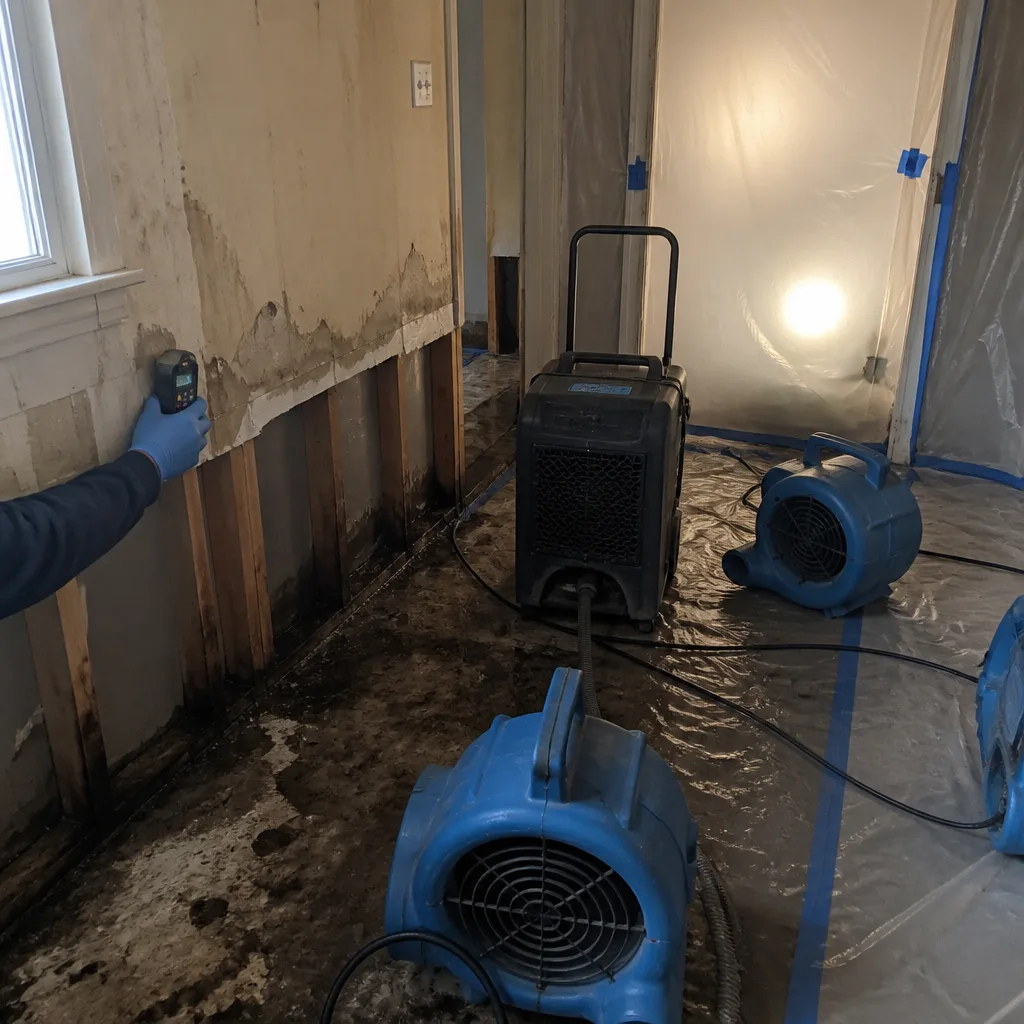 Before
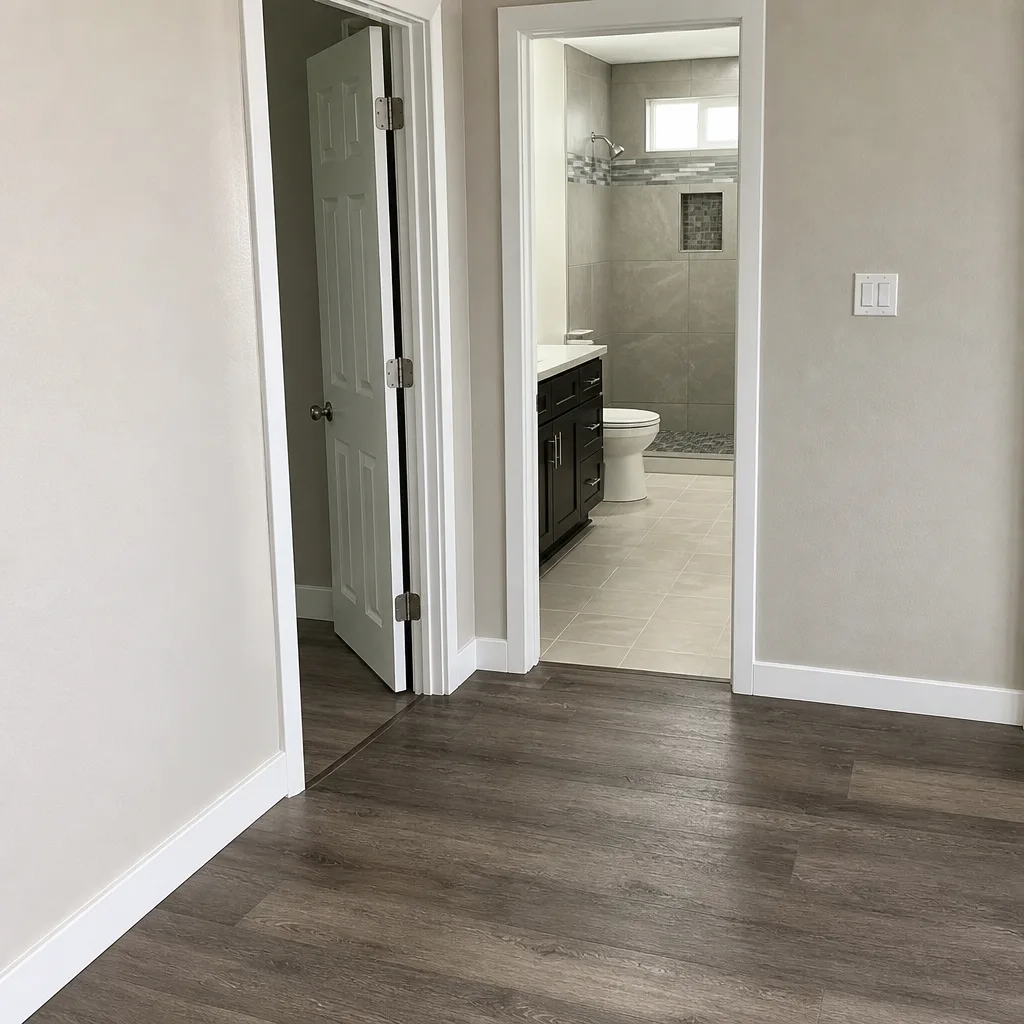 After
After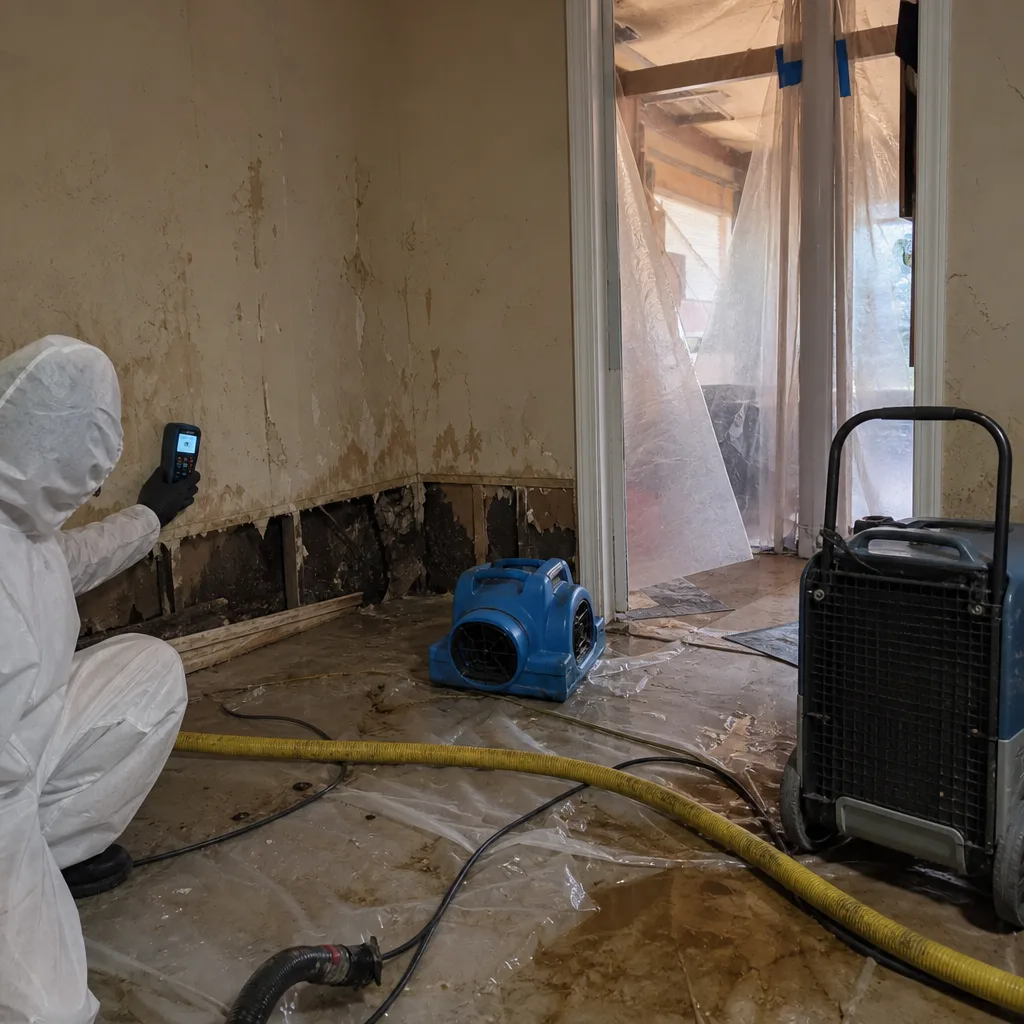 Before
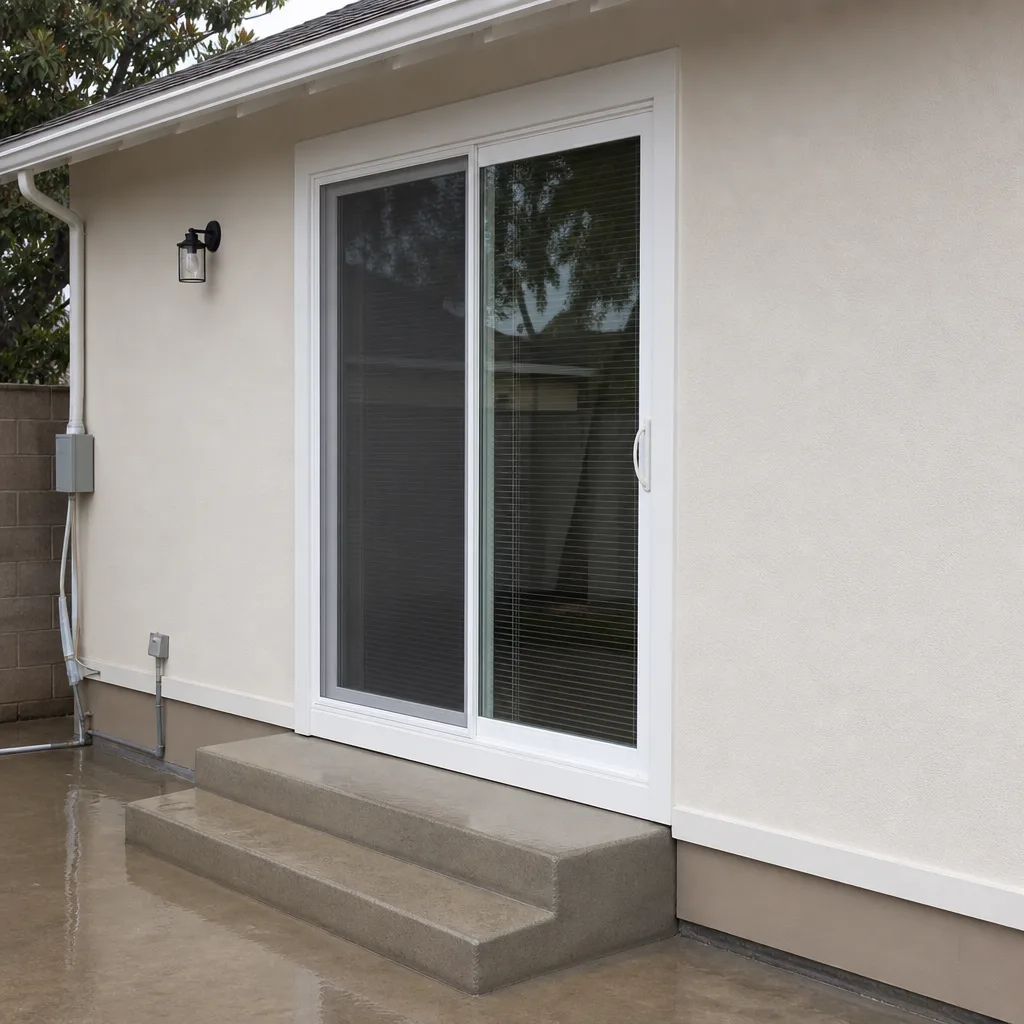 After
After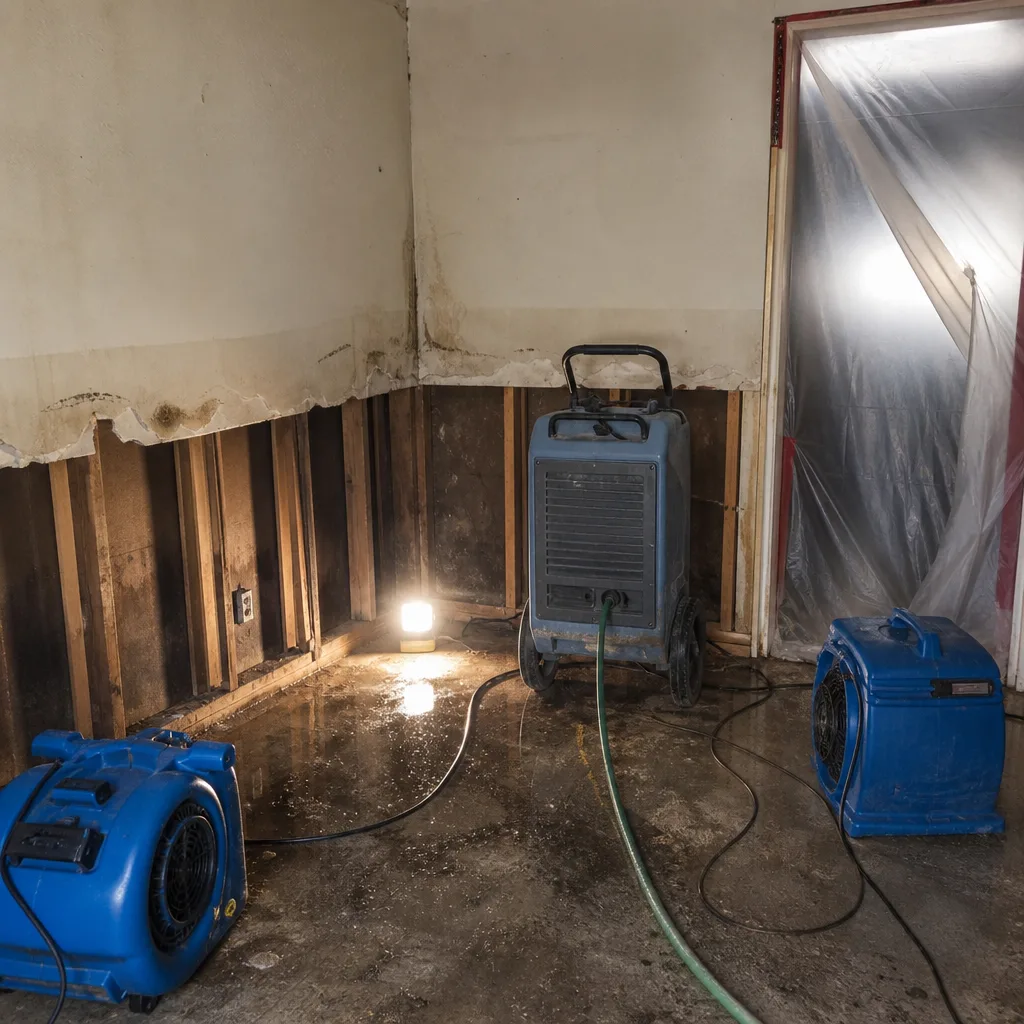 Before
 After
AfterFast, Reliable Mold Remediation Across Compton
Mold remediation in Compton typically runs $1,800-$5,500 depending on the affected square footage, whether asbestos and lead testing is required, and whether the colony has spread beyond the visible stain. Most Compton homes we assess are inspected within 4 hours, with containment and air-scrubbing starting the same day once the written scope is signed. Call (424) 347-8338 for a free estimate with a written price before any work begins.
We serve Compton from our Los Angeles office, with crews running daily to the neighborhoods off Rosecrans Avenue, along Alondra Boulevard, and through the residential blocks between Compton Boulevard and Compton Creek. The housing stock here is different from what you’ll find in Carson’s newer developments or Signal Hill’s hilltop rebuilds, and that difference shapes how we approach every mold job.
Why DryMark Restoration Bellflower Is Compton’s Preferred Mold Remediation Company
We’ve restored more than 12,000 homes since 2011, and a significant share of those jobs have been in Compton and the surrounding basin cities. Our Mold Remediation team knows the local building stock: the 1940s-1960s post-WWII bungalows with original galvanized plumbing, the slab-on-grade foundations on expansive clay, the popcorn ceilings and 9×9 floor tiles that test positive for asbestos more often than not.
Every Compton job starts with a written price before work begins, per Haven Standard, Clause 1. We don’t quote over the phone and then add line items once the crew is inside. You get a documented photo record on every visit, daily moisture logs tracked to IICRC standards, and a 365-Day Done Right Promise backed by The Haven Standard. If you have a competitor’s written estimate, we’ll review it free under our Free Second Opinion policy.
Our phones are answered live 24 hours a day, 7 days a week. No voicemail trees, no next-business-day callbacks while microbial colonies are still active.
Our Mold Remediation Services in Compton
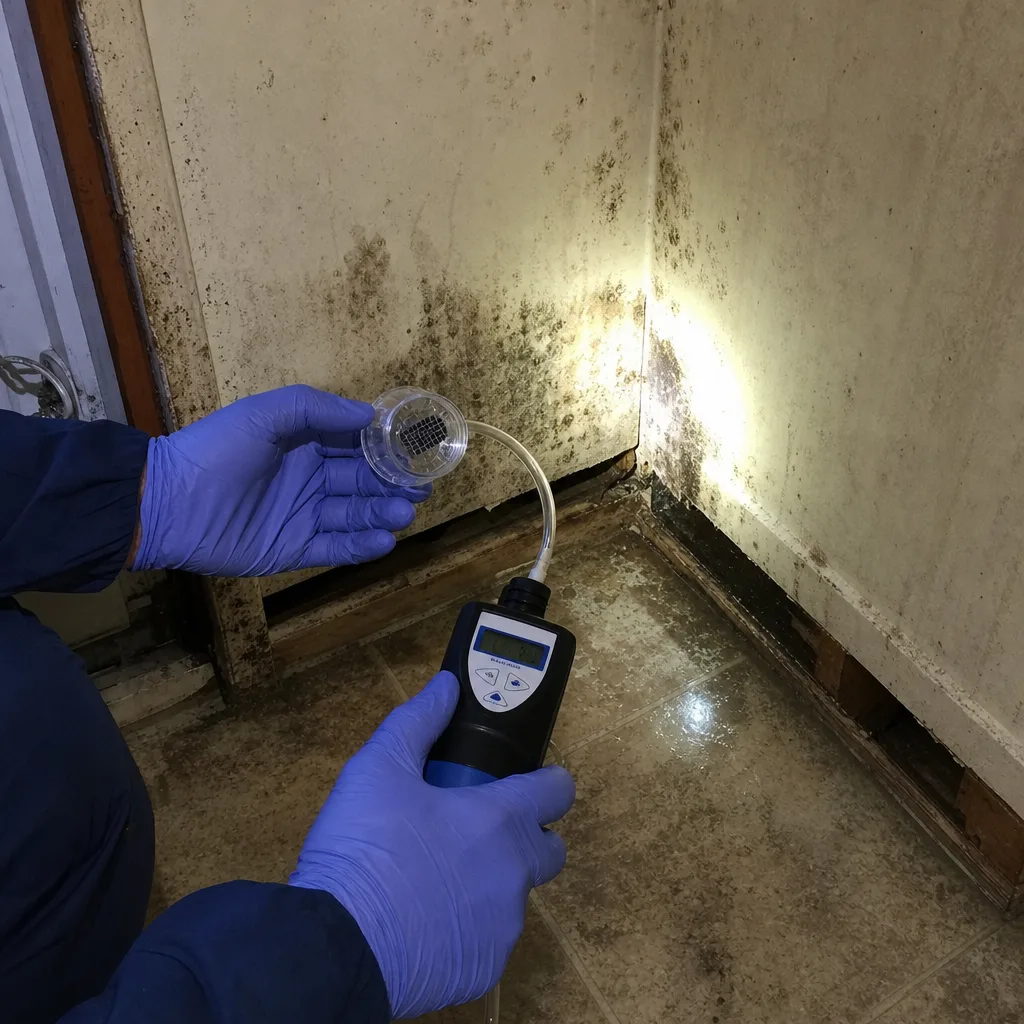
Mold Inspection & Testing
Compton’s flat basin topography and clay-heavy alluvial soils create a specific inspection challenge: water sheets across hardscape during atmospheric-river events and pools against slab foundations with nowhere to drain. The same expansive clay cracks slabs during dry summers, creating pathways for water to wick underneath for months or years before anyone notices. Our inspections start with thermal imaging and moisture mapping, not visual spot-checks, because we’ve learned that the colony is rarely where the stain first appears. In Compton’s pre-1978 housing stock, we also coordinate third-party asbestos and lead-paint testing before any destructive investigation begins. Testing typically adds $400-$800 to the inspection phase but is non-negotiable for legal compliance and crew safety.
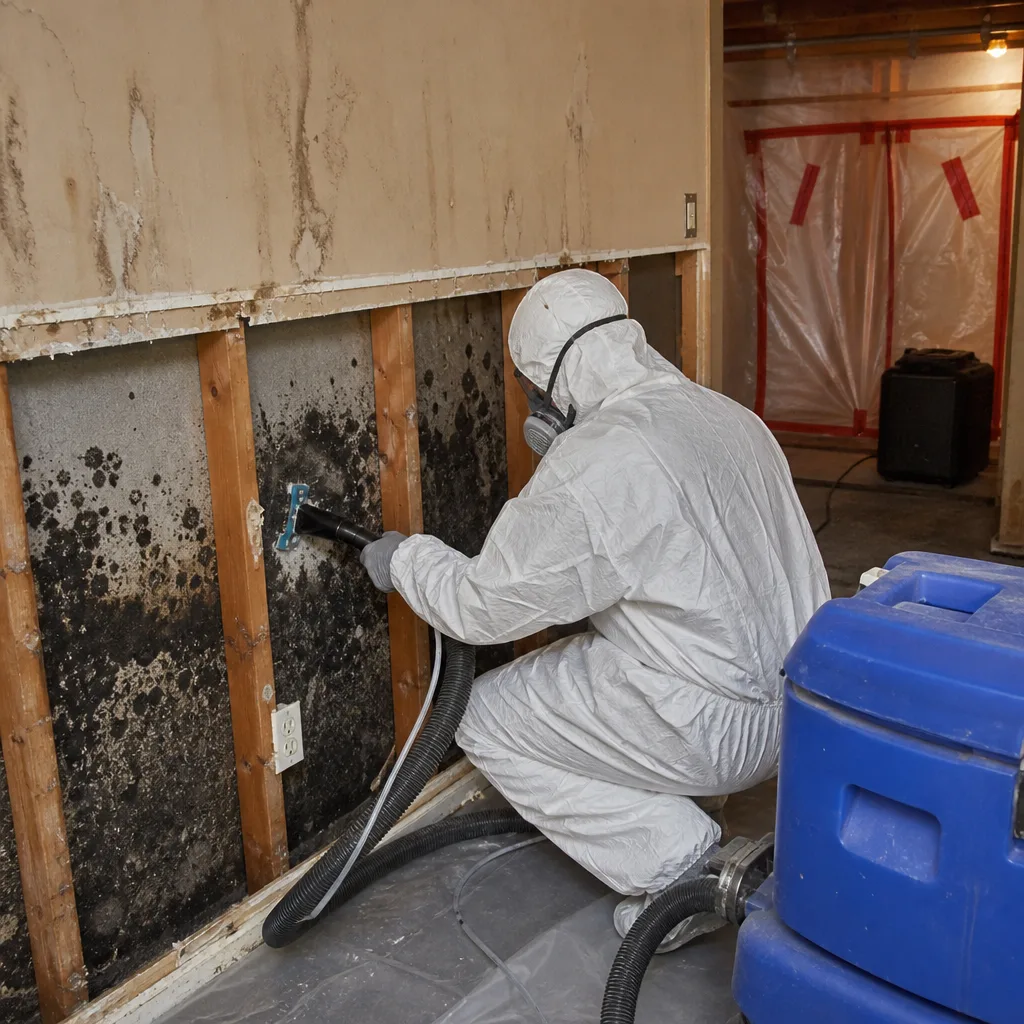
Mold Removal
Removal in Compton follows a strict containment protocol: negative-air HEPA scrubbers, sealed polyethylene barriers, and antimicrobial treatment of all affected substrates. Because so many Compton homes contain asbestos-containing materials in original construction, our removal scopes distinguish between materials that can be cleaned in place and those that must come out under hazmat protocol. A typical contained removal in a Compton bungalow runs $2,200-$4,800 for 100-300 square feet of affected area, with hazmat add-ons where testing demands it. We document every square foot with pre- and post-treatment photos.
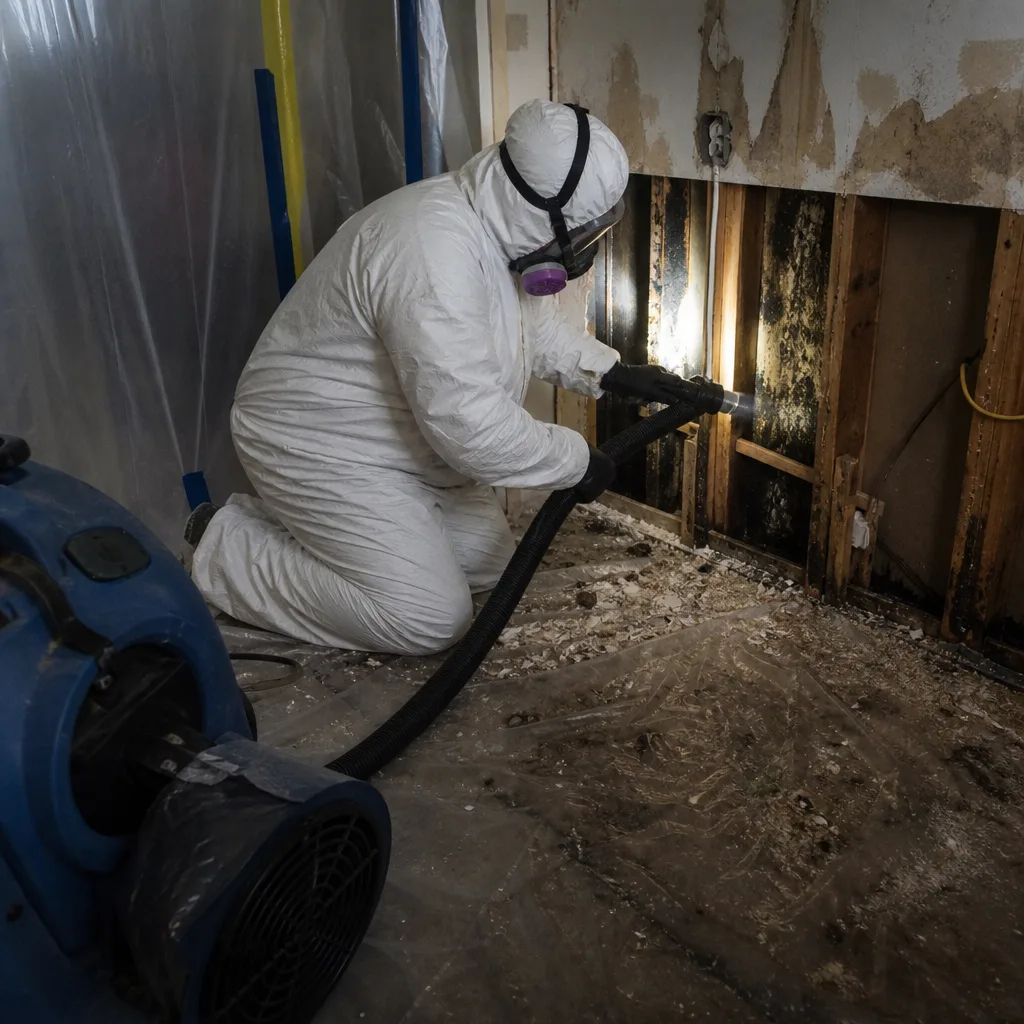
Black Mold Remediation
Stachybotrys and other toxigenic molds require the same containment rigor as any removal, with extended air-scrubbing cycles and post-remediation clearance testing before rebuild. In Compton, we often find black mold in baseboard cavities and behind kitchen cabinets where slab wicking has gone undetected. The critical difference here is water category: once water has crossed a cracked slab into soil and building materials, it must be evaluated as Category 2 or 3, which changes what can be dried versus what must be removed. We don’t guess at this. We sample and classify, then write the scope accordingly.
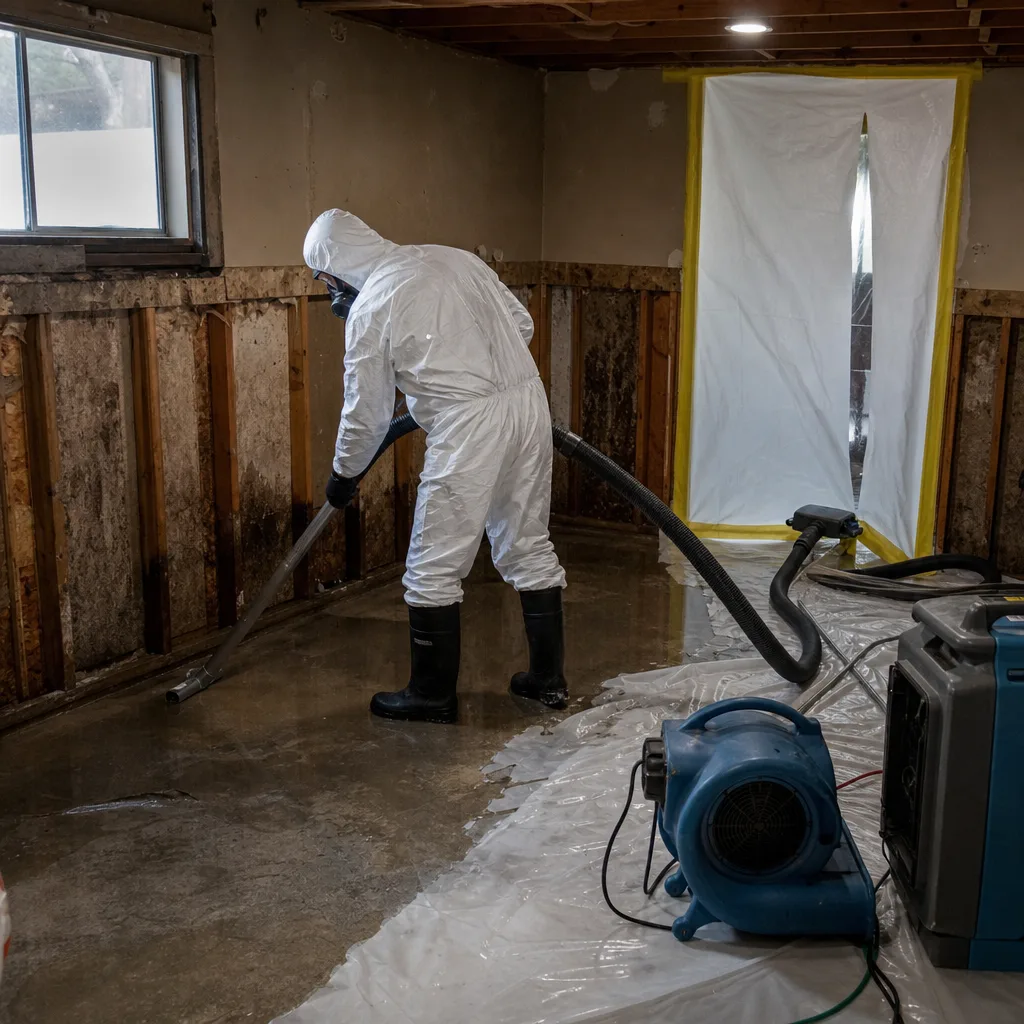
Air Quality Restoration
Post-remediation air quality in Compton homes requires more than running a fan. We deploy HEPA air scrubbers sized to the cubic volume of the contained space, with charcoal filtration where volatile organic compounds from mold metabolites are present. Our equipment roster includes Phoenix and XPOWER units rated for restoration-grade particle capture, not consumer air purifiers. Air quality clearance testing, performed by an independent third party, is included in our standard scope for black mold and toxigenic species jobs.
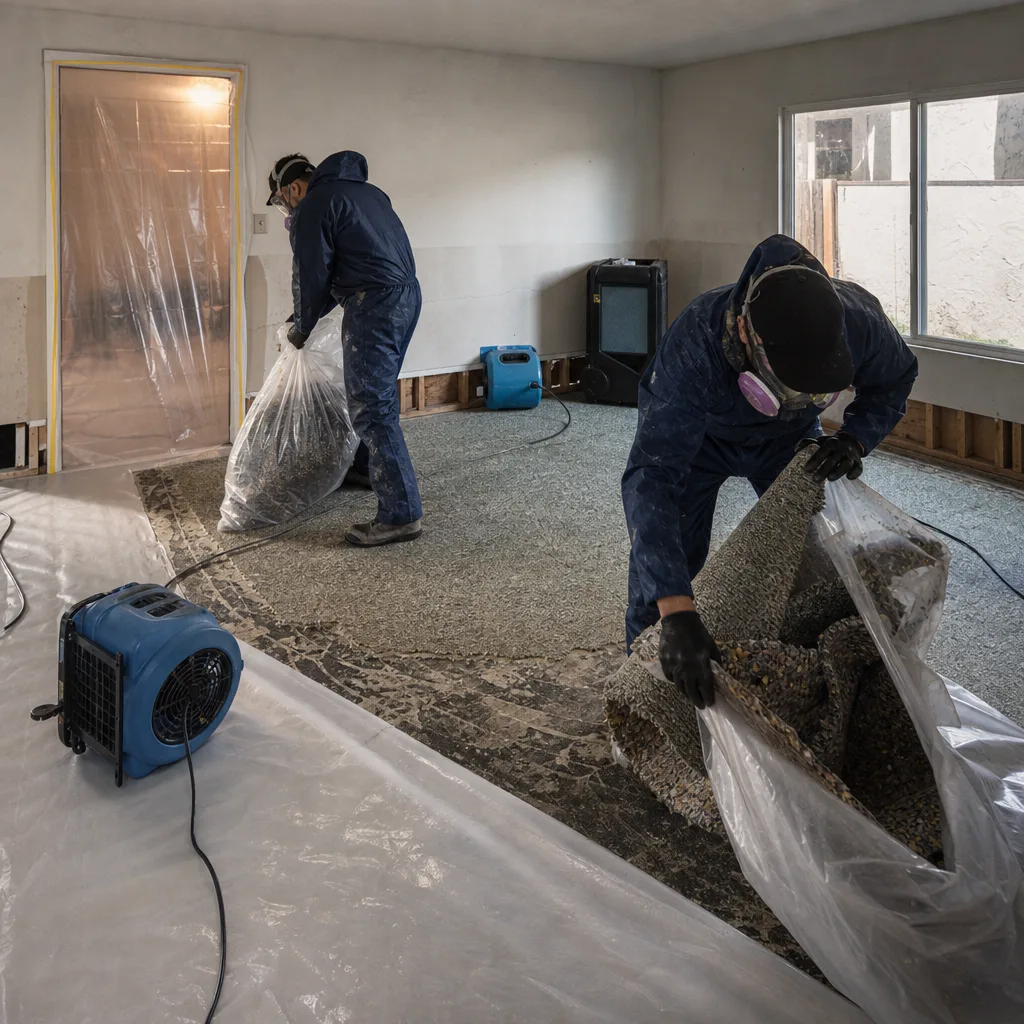
Crawl Space Treatment
Most Compton bungalows are slab-on-grade, but where crawl spaces exist, typically in additions or partial-basement configurations near Compton Creek, they present unique moisture dynamics. The flat grade and high water table in these areas mean crawl spaces stay humid year-round. We install vapor barriers, dehumidify with B-Air and Dri-Eaz equipment, and treat joist cavities with antimicrobial applications where colonies have established. Every crawl space job includes moisture readings at the joist interface, documented to the drying log.
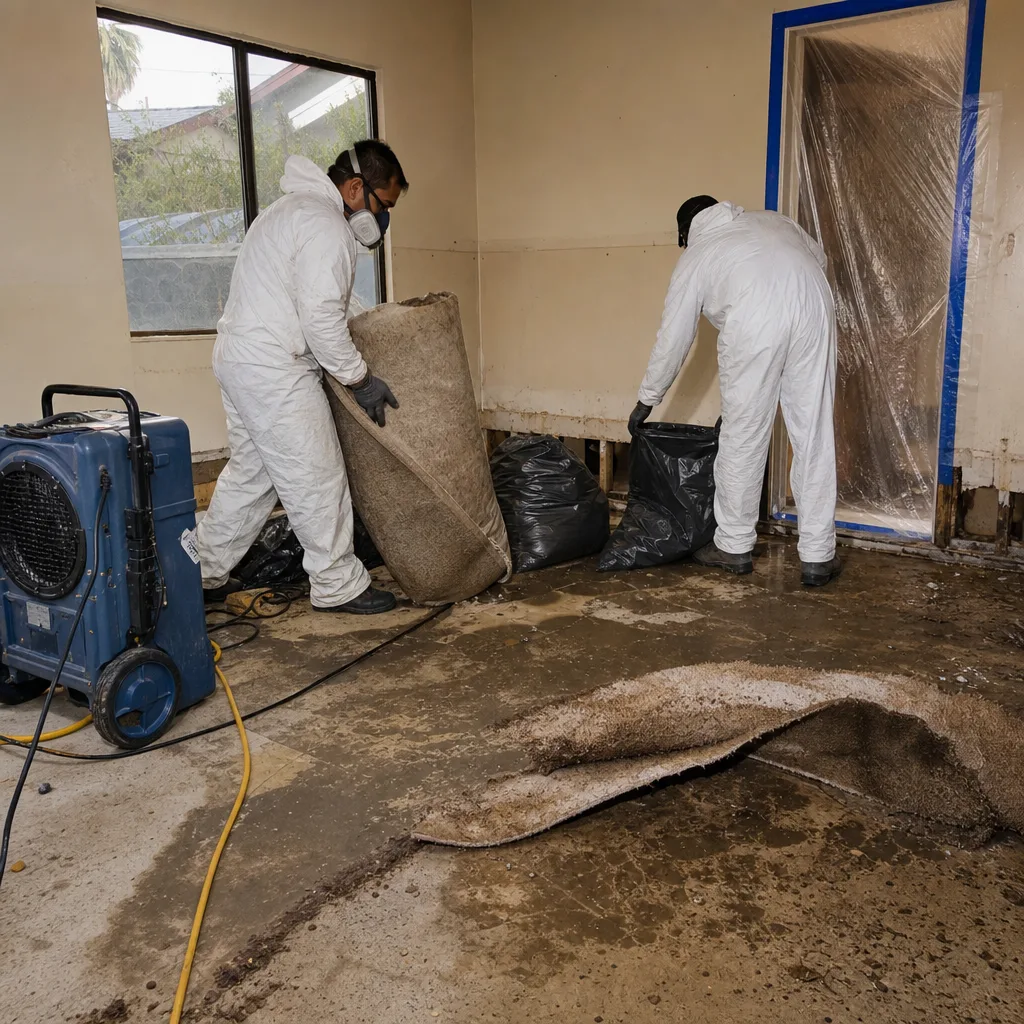
Moisture & Humidity Control
Controlling moisture in Compton means addressing the source, not just the symptom. We identify slab cracks, grade issues, and failed perimeter drainage that allow water to re-enter after remediation. Our crews use Injectidry systems for cavity drying without full demolition where substrates permit, and we specify long-term dehumidification solutions for homes with chronic humidity issues. The goal is pre-loss moisture levels, verified with psychrometric data, not just “dry to the touch.”
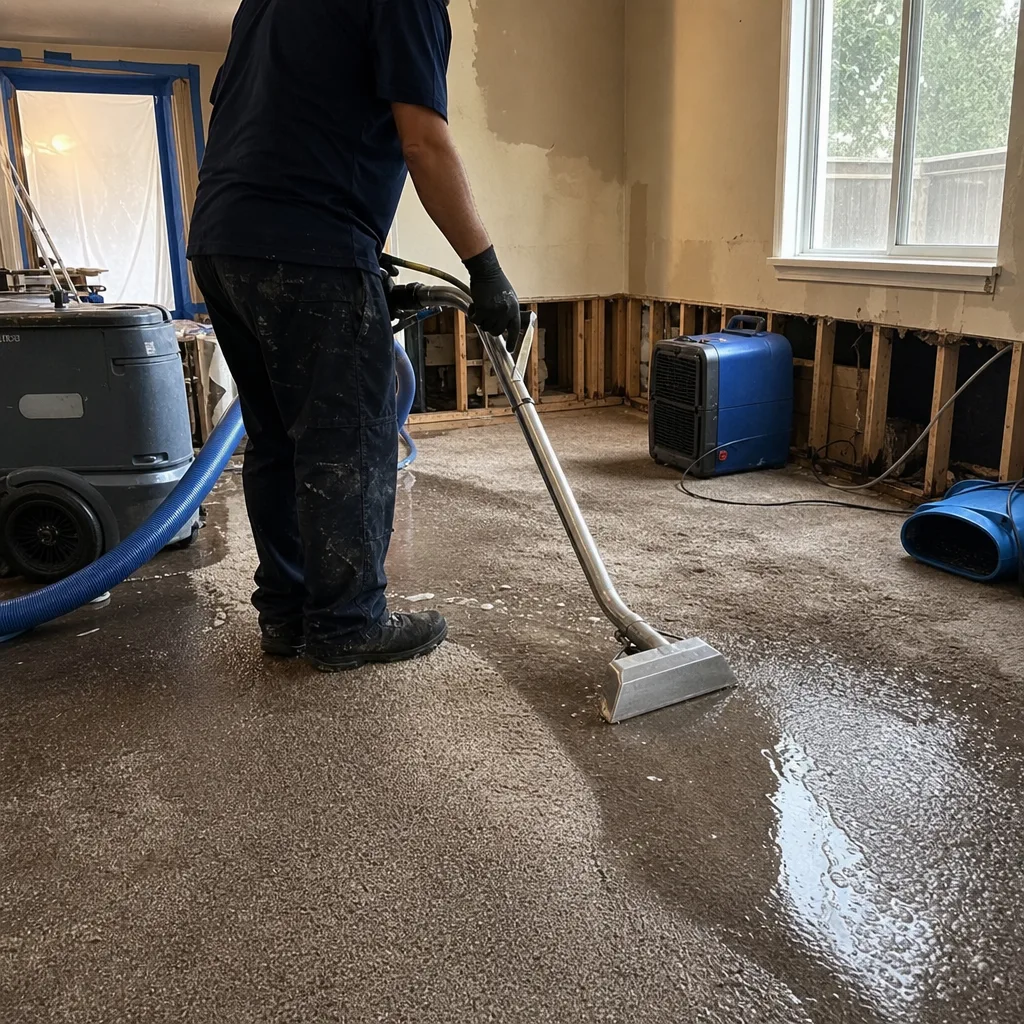
What happens when you call
- 1
A real person answersNo phone trees - you reach a local pro.
- 2
You get an upfront price rangeHonest numbers before anyone is dispatched.
- 3
A background-checked tech heads outLicensed & insured, dispatched right away.
- 4
You approve before work beginsNothing starts until you say go.
 Before
 After
AfterTrusted Brands We Service in Compton
Our Compton crews deploy professional-grade drying and air-scrubbing equipment from Phoenix, XPOWER, and Injectidry, with B-Air dehumidifiers for sustained moisture control in humid crawl spaces and slab-adjacent cavities. We stock HEPA filtration media and antimicrobial treatments locally to avoid supply delays on active jobs. Every piece of equipment is documented in the job file with serial numbers and calibration dates, part of the evidence package that turns restoration invoices into payable insurance claims.
Common Mold Remediation Problems We See in Compton Homes
- Chasing the visible stain only. Because clay-expansion slab cracks let water travel laterally under the slab, mold colonies often sit three feet or more beyond the reported leak zone. A surface-only fix leaves the colony intact and the problem returns within months.
- Skipping asbestos and lead-paint testing on pre-1978 homes. Cutting into original drywall, popcorn ceiling, or 9×9 floor tile without testing turns a mold job into an illegal hazmat disturbance. In Compton, where virtually every residential structure predates 1978, this skip is both common and costly.
- Treating storm water as Category 1 because it started as rain. Once water has crossed a cracked slab into soil and building materials, it should be evaluated as Category 2 or 3. The category determines what can be dried versus what must be removed, and getting this wrong means the scope fails clearance testing.
- Ignoring the slab perimeter as a chronic moisture source. Decades of clay soil expansion and contraction have cracked slab perimeters throughout Compton. What presents as a “small leak” is often years of silent wicking, with microbial growth established well beyond the visible footprint by the time anyone calls.
Pricing for Mold Remediation in Compton, CA
Mold remediation in Compton follows these typical ranges based on 2024-2025 local market data:
| Service | Typical Range in Compton |
|---|---|
| Mold inspection & testing (without lab) | $350-$650 |
| Inspection with asbestos/lead testing | $750-$1,400 |
| Contained mold removal (100-300 sq ft) | $2,200-$4,800 |
| Black mold remediation with clearance | $3,500-$6,200 |
| Crawl space treatment | $1,800-$4,000 |
| Whole-home air quality restoration | $2,800-$5,500 |
These ranges include labor, materials, equipment, and standard documentation. Asbestos or lead abatement, when required, adds $1,200-$3,500 depending on square footage and material type. Every job is quoted in writing before work begins, per Haven Standard, Clause 1. No scope-creep additions once the crew is inside. Call (424) 347-8338 for a free estimate on your specific situation.
We Also Serve Cities Near Compton
Our crews run daily to Carson, Lynwood, Paramount, and Signal Hill from the same dispatch base. Each city has its own building stock and soil conditions, and we adjust our inspection and remediation protocols accordingly. For homeowners in these areas, we offer the same Mold Remediation in Compton standards: written price first, documented photo record on every visit, and the 365-Day Done Right Promise.
Serving Compton, CA - Our Local Coverage Area
We’re based in the Compton area and know this community well. Use the map below to see our service coverage - if you’re nearby, we can almost certainly help.
FAQs - Mold Remediation in Compton
Compton’s expansive clay soils crack slab perimeters over decades of wet-dry cycling, creating pathways for water to wick laterally under the foundation. By the time a homeowner sees a baseboard stain, the moisture front may have traveled several feet, establishing mold colonies well outside the visible damage zone. Our thermal imaging and moisture mapping locate the full extent before we write the scope. Call (424) 347-8338 for a free inspection.
Not every job, but nearly every residential structure in Compton predates 1978, which means original construction materials - popcorn ceilings, 9×9 floor tiles, pipe insulation, drywall joint compound - routinely test positive. We require third-party testing before destructive investigation on any pre-1978 home. The cost is $400-$800 and is built into our standard inspection protocol. Call (424) 347-8338 to confirm whether your property requires testing.
Under typical Compton conditions - 60-75% relative humidity in slab-adjacent cavities - mold colonization can begin within 24 to 72 hours of moisture intrusion. The actual timeline depends on temperature, organic substrate, and whether the water source is continuous or intermittent. Because Compton’s clay soils retain moisture against slabs for weeks after surface flooding, the growth window extends well beyond the storm event itself. Call (424) 347-8338 for same-day assessment.
Category 3 water, or “black water,” has contacted unsanitary sources - soil, sewage, or ground contamination. In Compton, water that has crossed a cracked slab into the soil interface beneath the foundation must be classified as Category 2 or 3, not Category 1 clean rain. This classification changes what materials can be dried in place versus what must be removed and discarded, and it triggers specific antimicrobial protocols. We sample and classify before writing the scope. Call (424) 347-8338 for a written price before any work starts.
Sometimes. If the substrate is structurally sound, moisture readings are within drying goals, and the water classification permits, we can treat in place with HEPA vacuuming, antimicrobial application, and cavity drying using Injectidry systems. However, if asbestos-containing materials are involved or the substrate has delaminated, removal is required by regulation or structural necessity. We document the decision criteria in your written scope before any work begins. Call (424) 347-8338 for a free assessment and written options.
On a slab-on-grade bungalow off Raymond Street near Compton Creek, a homeowner called after winter rain with a “small leak” at the baseboard. Our tech ran moisture mapping and thermal imaging, then pulled baseboards to find active mold growth three feet beyond the visible stain - the cracked slab perimeter had been wicking for years. We set containment, performed antimicrobial treatment, ran a HEPA air scrubber, dried the cavity to pre-loss condition with Injectidry and Phoenix equipment, and documented every moisture reading in drying logs before rebuild could start. That documentation package went straight to the homeowner’s adjuster. Claim paid, no dispute.
Compton’s slab-on-grade bungalows sit on expansive clay along Compton Creek, so after atmospheric-river storms we routinely find that a reported “small leak” has been wicking under the slab perimeter for years - producing microbial colonies far outside the visible damage footprint. Mandatory asbestos and lead testing on virtually every pre-1978 Compton home turns even a minor mold find into a combined hazmat and remediation scope that crews in newer cities like Gardena’s newer subdivisions or Torrance’s postwar rebuilds rarely face at this frequency. This is why our Compton inspections start with full moisture mapping and third-party hazmat testing, not a quick visual check.
Ready to get started? Call (424) 347-8338 for a free estimate. We’ll send a technician to your Compton property, run full moisture mapping and thermal imaging, coordinate asbestos and lead testing if your home predates 1978, and deliver a written price before any work begins. Haven Standard, Clause 1. Every time.
Written by Alicia Brennan, Owner at Back to Dry Restoration, serving Compton since 2011.