
Last updated September 23, 2026
Free visual inspection and a written scope of work before any mitigation begins - photos, moisture readings, and drying logs go in your claim file
The scope we write is the scope we bill. Anything new gets shown to you, in writing, before we touch it.


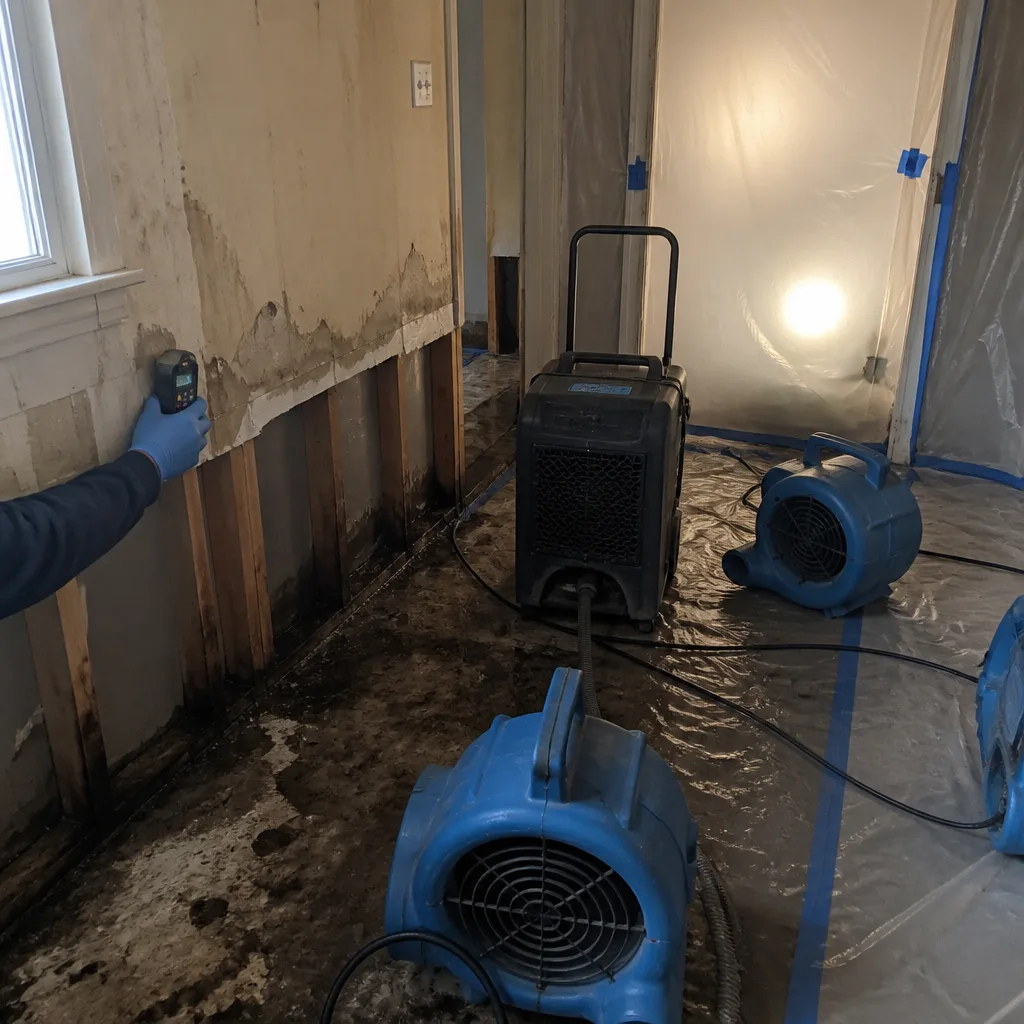 Before
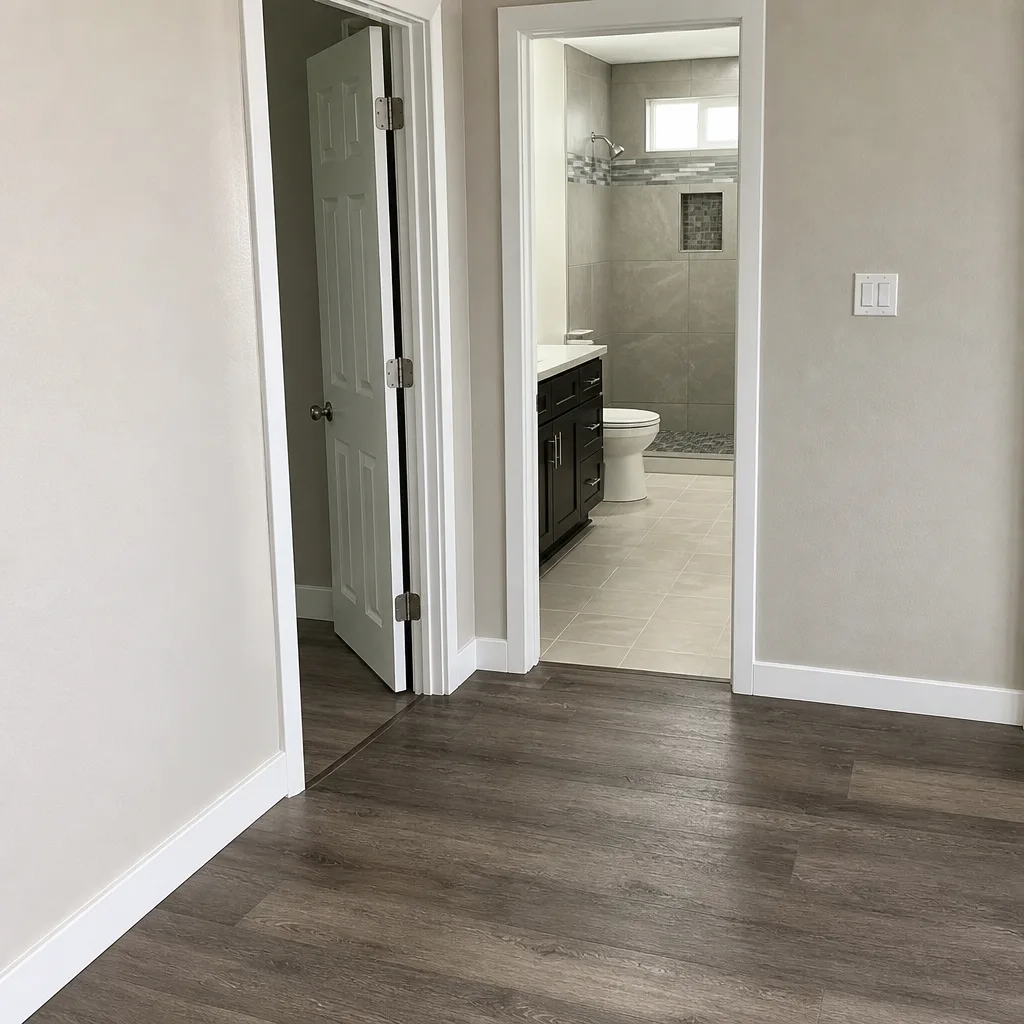 After
After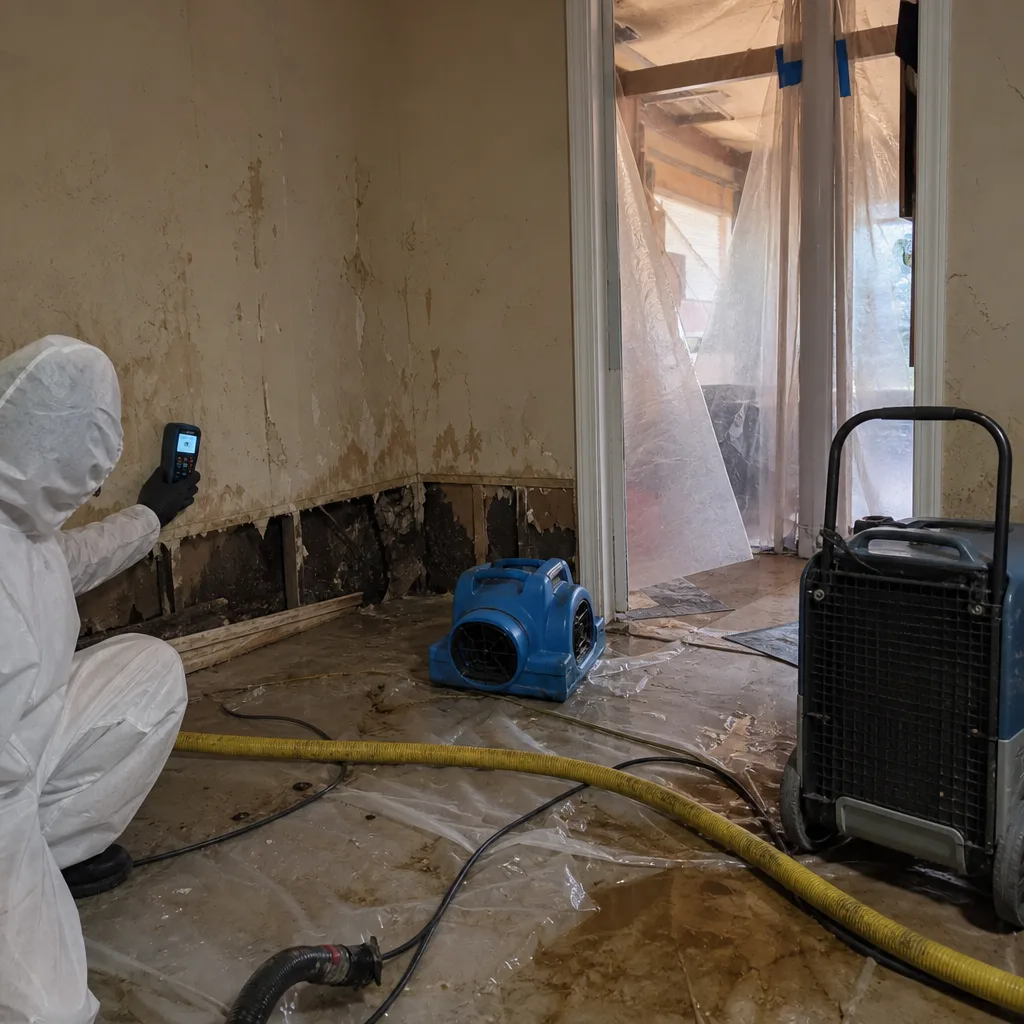 Before
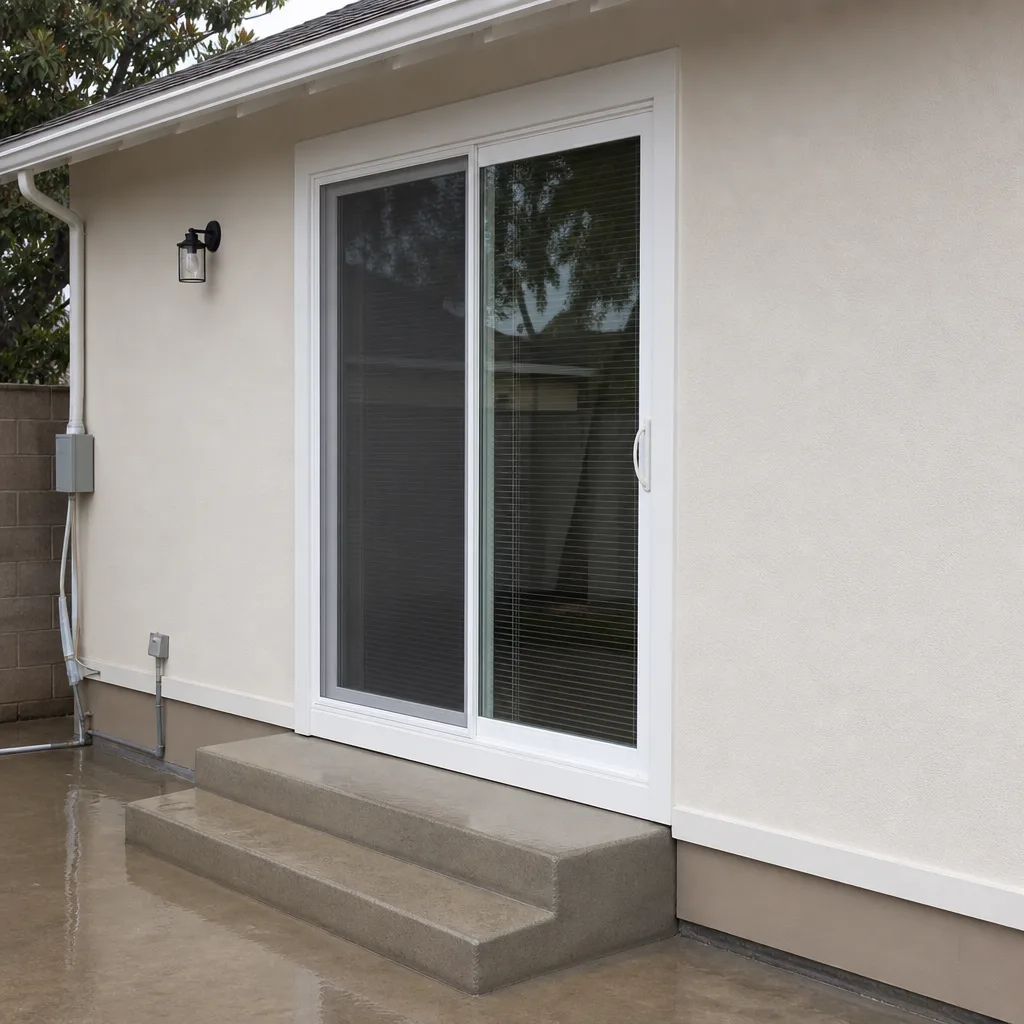 After
After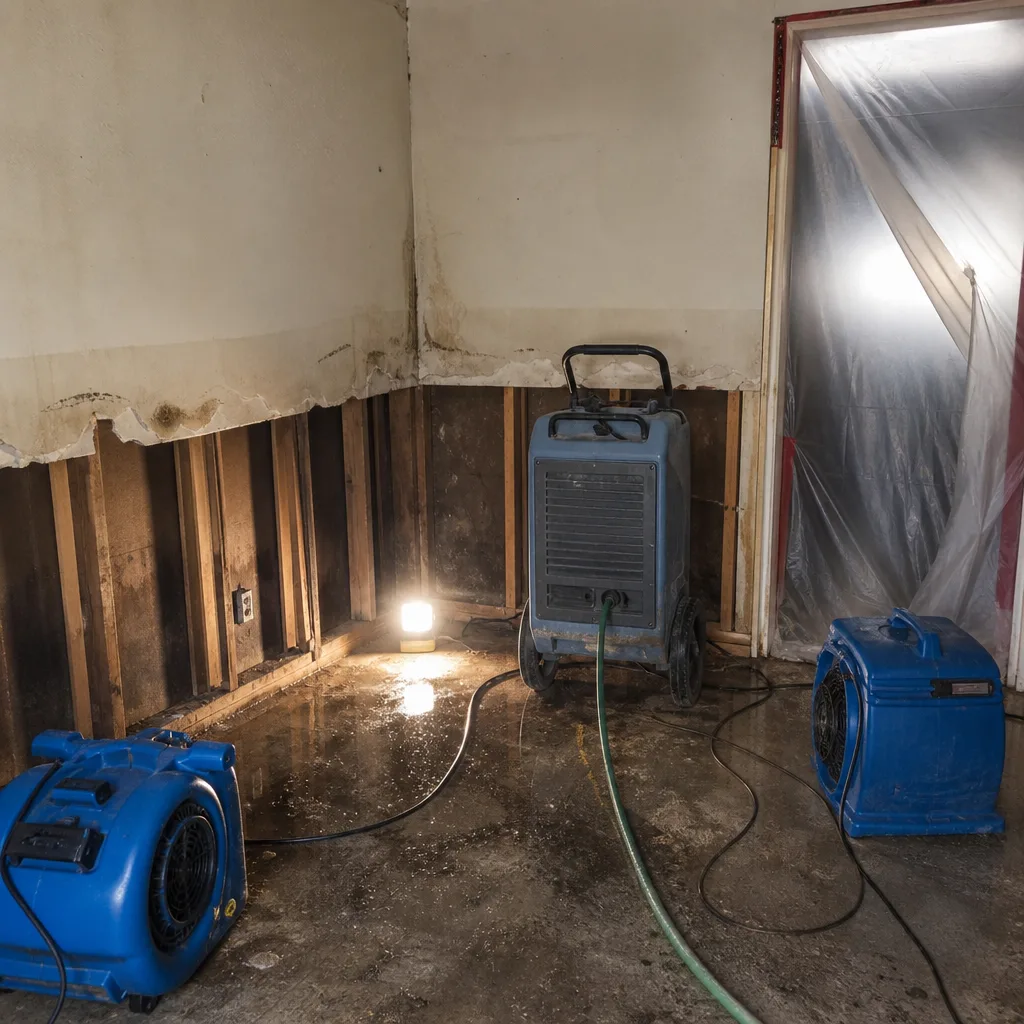 Before
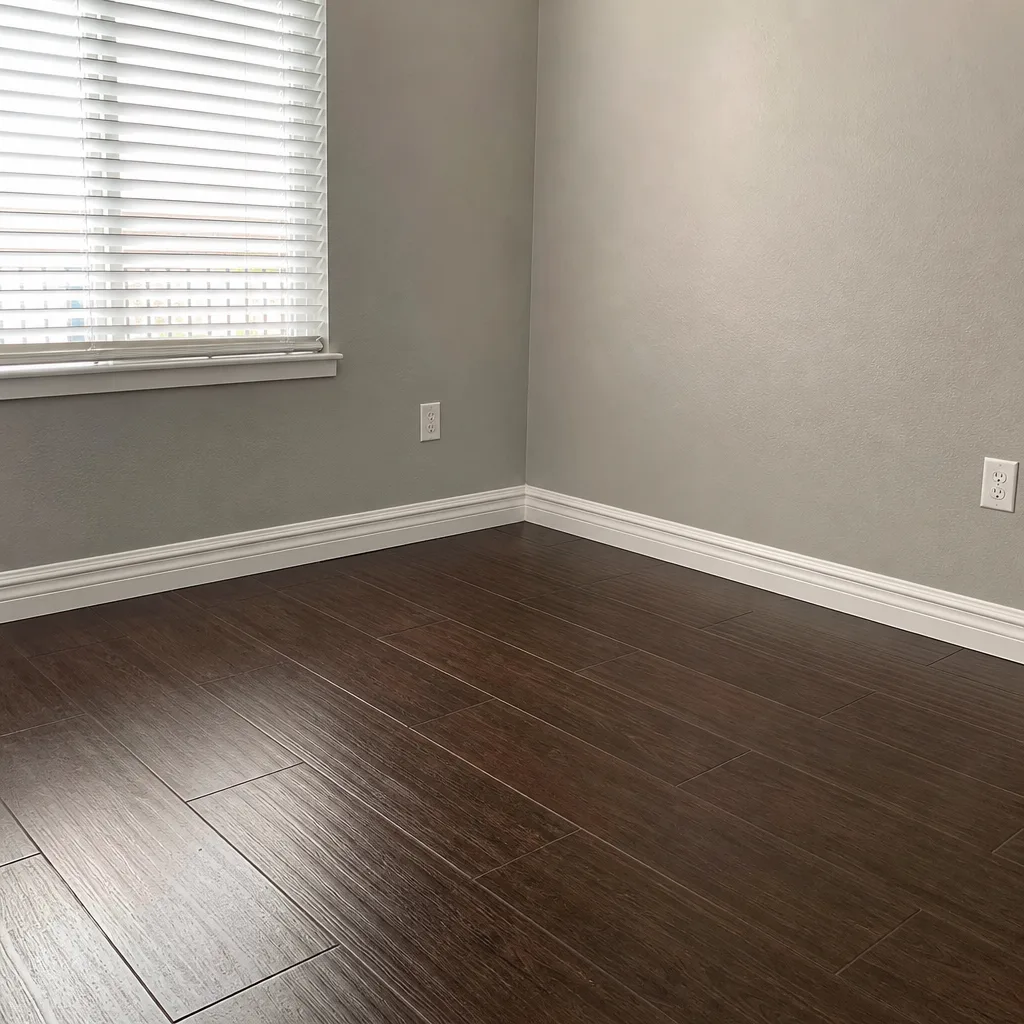 After
AfterDamage Restoration Permits, Codes & Inspections in CA: What You Need to Know
A $14,000 structural drying and subfloor replacement job in Bellflower can legally close without a permit, or it can legally require one, depending on a single line in the scope: whether the drywall removal exposed any wall framing. Most California homeowners discover this distinction only when they list their property for sale and a buyer’s inspector flags an unpermitted repair. By then, the restoration company has moved on, the insurer has closed the claim, and the seller is left negotiating a price reduction or scrambling for a retroactive permit that may require tearing out finished work. This guide maps exactly which restoration scopes cross the permit threshold in Bellflower, how to request a pre-work assessment from Building & Safety, and what documentation you need so your repair survives a property sale ten years later. For more guides & resources on protecting your home, see our blog.
Quick Answer
Most water damage mitigation in California, including extraction, drying, and non-structural demolition, does not require a permit. Once the work exposes or alters structural elements, electrical systems, plumbing, or HVAC, it triggers California Residential Code permit requirements and mandatory inspection. In Bellflower, the Building & Safety Division enforces the California Building Code with local amendments, and unpermitted restoration work must be disclosed under California Civil Code 1102 when selling, creating potential title and negotiation liabilities.
Table of Contents
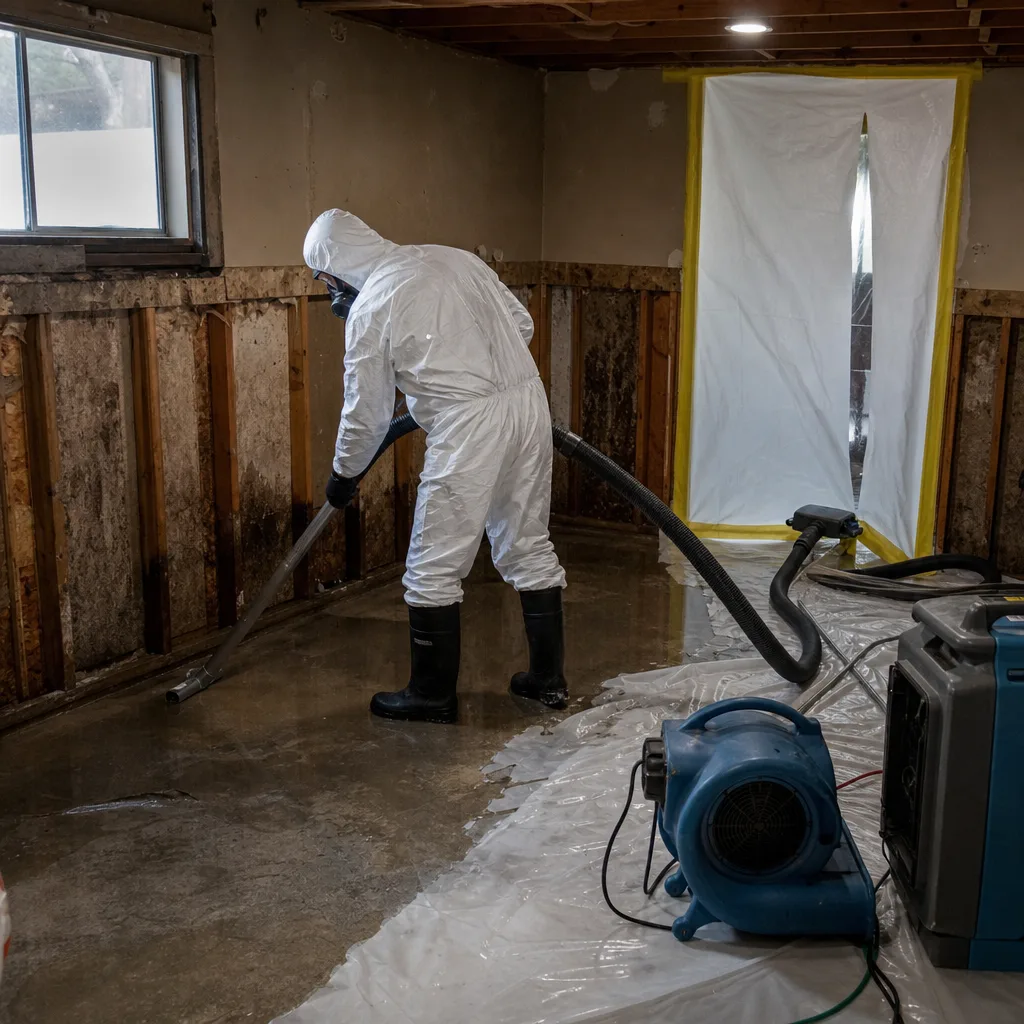
- When Is a Permit Required for Restoration Work?
- California Residential Code Thresholds That Trigger Permits
- Bellflower’s Local Amendments and How They Affect Your Project
- How to Request a Bellflower Building & Safety Pre-Assessment Call
- The Inspection Process: What Happens and What It Produces
- Title and Disclosure Consequences of Unpermitted Work
- How to Store Documentation for a Future Property Sale
- Coordinating Permits with Your Insurance Adjuster
 Before
 After
AfterWhen Is a Permit Required for Restoration Work?
The dividing line is not the dollar amount of the damage. It is not whether insurance is paying. It is whether the scope of work touches certain building systems defined in the California Residential Code.
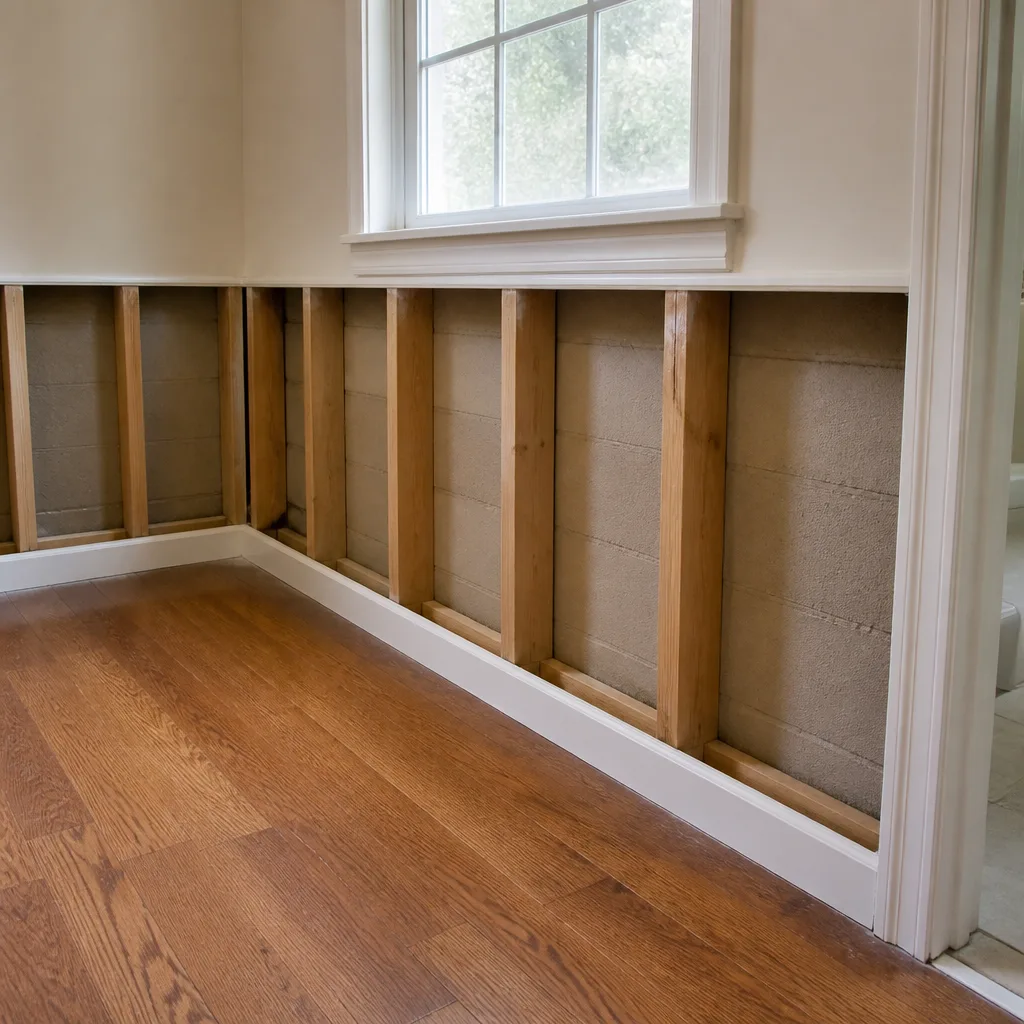
In our experience across more than 12,000 homes since 2011, the permit question arises at a predictable moment in a water damage job: when the moisture readings on the drywall show saturation beyond the salvage point, and the crew must decide how far to cut. Cut below the flood line but above the plate, and you are performing mitigation, no permit needed. Cut into the plate or expose the framing, and you have crossed into reconstruction that may require a building permit.
Here is the practical breakdown we use on every job in Bellflower:
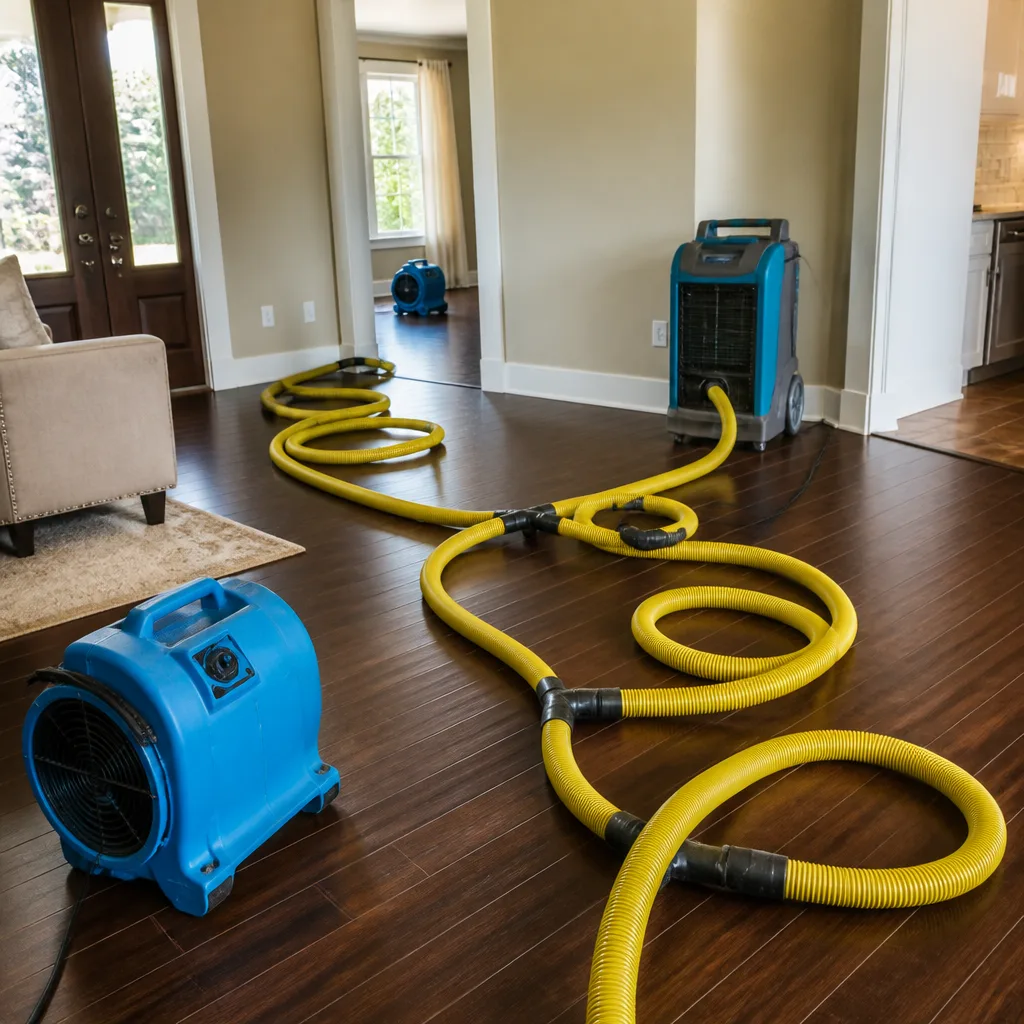
- No permit typically required: Water extraction, dehumidification, air movement with equipment like Dri-Eaz and Phoenix LGR dehumidifiers, non-structural demolition of drywall or flooring, antimicrobial application, content cleaning, and temporary power for drying equipment.
- Permit typically required: Removal or repair of load-bearing walls, sill plates, or floor joists; electrical outlet or switch replacement behind removed drywall; relocation or replacement of supply or drain lines; HVAC ductwork modification or replacement; window or door replacement that alters the rough opening; roof deck repair exceeding 100 square feet; any work affecting the building’s structural, electrical, plumbing, or mechanical integrity.
The Bellflower Building & Safety Division applies these standards through the lens of the California Building Code, 2022 edition, with local amendments adopted by the Bellflower City Council. A project that seems straightforward can shift categories quickly. We have seen a Category 2 water loss in a Bellflower Ranch-style home from the 1960s require full permitting because the original plaster-and-lath walls, once opened, revealed knob-and-tube wiring that had to be replaced to current NEC standards. Homeowners facing similar surprises may find our Damage Restoration Warning Signs: A Bellflower Homeowner’s Reference Guide helpful for spotting trouble early.
The key is to identify the permit trigger before the first cut, not after. Haven Standard, Clause 1 requires a written price before work begins, and that written scope must include a permit assessment. If the scope changes during demolition, which it often does, the revised scope triggers a revised permit evaluation and a revised written price before proceeding.
California Residential Code Thresholds That Trigger Permits
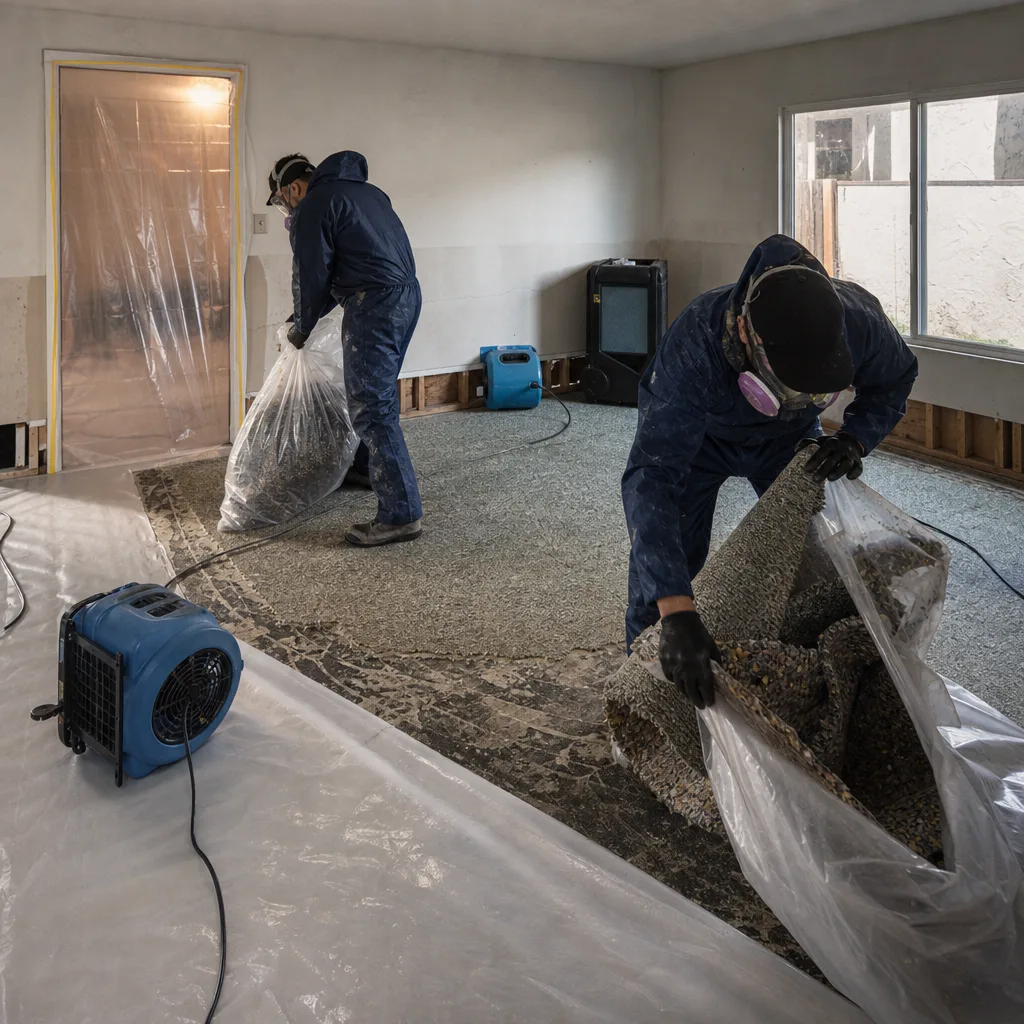
The California Residential Code, Part 2.5 of Title 24, governs one- and two-family dwellings and townhouses. For restoration contractors, three chapters matter most: Chapter 3 on building planning, Chapter 4 on foundations, and Chapter 9 on roof assemblies. The permit thresholds are specific, and they are not always intuitive.
Structural element exposure. CRC Section R105.1 requires a permit for “construction, alteration, movement, enlargement, replacement, repair, equipment, use and occupancy, removal, and demolition of any building or structure.” The critical word is “repair.” The California Building Standards Commission has interpreted this to mean that repair of structural elements, defined as those contributing to the building’s ability to resist vertical loads or lateral forces, requires a permit. In a Bellflower home, this includes:
- Wall studs in exterior walls or any wall supporting a roof, floor, or ceiling
- Floor joists, beams, or girders
- Foundation plates, sills, or cripple walls
- Roof rafters, trusses, or sheathing
- Shear walls and their hold-downs
When our crews document a job with photo records on every visit, we capture the moment of exposure. A wall cavity opened for drying that reveals clean studs with no damage, no repair needed, no permit triggered. The same cavity with decay, termite damage, or water-compromised fasteners that must be replaced, and we stop work to reassess the permit requirement under Haven Standard protocols.
Electrical work behind removed finishes. CRC Section E3401.2 and the California Electrical Code require permits for “the installation, alteration, or repair of any electrical wiring or equipment.” This means that if your water damage restoration requires removing drywall that covers electrical outlets, switches, or junction boxes, and any of those devices must be replaced, relocated, or rewired, the electrical work requires a separate electrical permit. In Bellflower, this is obtained through the same Building & Safety Division but routed to a state-certified electrical inspector.
Plumbing modifications. The California Plumbing Code Section 301.2 requires permits for “the installation, alteration, repair, or replacement of any plumbing system.” A burst supply line behind a wall, once accessed, may require replacement of a section that extends beyond the immediate damage. If that replacement changes the routing, material, or capacity of the system, a plumbing permit is required. We document the original routing with photos before any alteration, then include the permit cost in the revised written scope.
HVAC ductwork. The California Mechanical Code Section 301.2 requires permits for ductwork modification. In Bellflower, many homes built between 1950 and 1980 have ductwork in slab or in walls below grade. Water intrusion into these systems requires replacement that often alters the original design, triggering mechanical permits.
The $14,000 job in our opening example? If the subfloor replacement stayed within the original footprint, used equivalent materials, and did not require joist sistering or plate replacement, no permit. Add one sistered joist for a compromised span, and the permit requirement activates. Deciding whether to tackle repairs yourself or hire a pro? See our DIY vs Professional Damage Restoration: The Bellflower Homeowner’s Decision Guide.
Bellflower’s Local Amendments and How They Affect Your Project
Bellflower operates under the Los Angeles County Building Code for certain administrative procedures, but maintains its own Building & Safety Division with local amendments to the California Building Code. These amendments affect restoration work in specific ways that contractors working across multiple jurisdictions often miss.
Historical amendment patterns. Bellflower adopted local amendments to the 2019 CBC that carried forward into the 2022 cycle, including stricter requirements for seismic bracing in cripple wall repairs and enhanced floodplain management provisions for properties in the Lower San Gabriel River flood zone. For restoration work, this means:
- Any repair to a cripple wall or foundation stem wall in a pre-1975 Bellflower home requires engineered plans or a prescriptive compliance path approved by the building official, not just a contractor’s assessment
- Properties within FEMA Zone AE, which includes portions of northwest Bellflower near the San Gabriel River channel, require elevation certificates for any repair exceeding 50% of the structure’s market value over a ten-year period
- Local amendment BCC 22-04 requires photovoltaic system inspection for any roof repair exceeding 200 square feet on homes with existing solar installations, a common scenario in Bellflower’s post-2015 construction
Contractor registration requirements. Bellflower requires all contractors performing work within city limits to register with the Building & Safety Division annually, with proof of state license, insurance, and bonding. This registration is separate from the permit and must be current before permit issuance. We maintain this registration as standard practice, and our license number is available on request for verification.
Inspection scheduling windows. Unlike some neighboring jurisdictions, Bellflower does not offer same-day inspection for restoration-related permits. The standard scheduling window is 48 hours for rough inspections and 72 hours for final inspections. For water damage jobs where mold growth begins in 48-72 hours under favorable conditions, this timing matters. Our crews factor this into drying strategies, often maintaining dehumidification with Phoenix and XPOWER equipment during the inspection hold to prevent secondary damage.
Neighborhood-specific considerations. The Somerset Ranch area of Bellflower, developed in the 1990s, uses engineered fill that can shift after significant water intrusion, requiring geotechnical assessment for foundation repairs that would not trigger the same requirement in older, cut-and-fill neighborhoods. The Ramona Park area, with its concentration of 1940s-1950s construction, often contains undocumented additions where the original permit history is incomplete, complicating the scope of permitted versus unpermitted repair.
How to Request a Bellflower Building & Safety Pre-Assessment Call
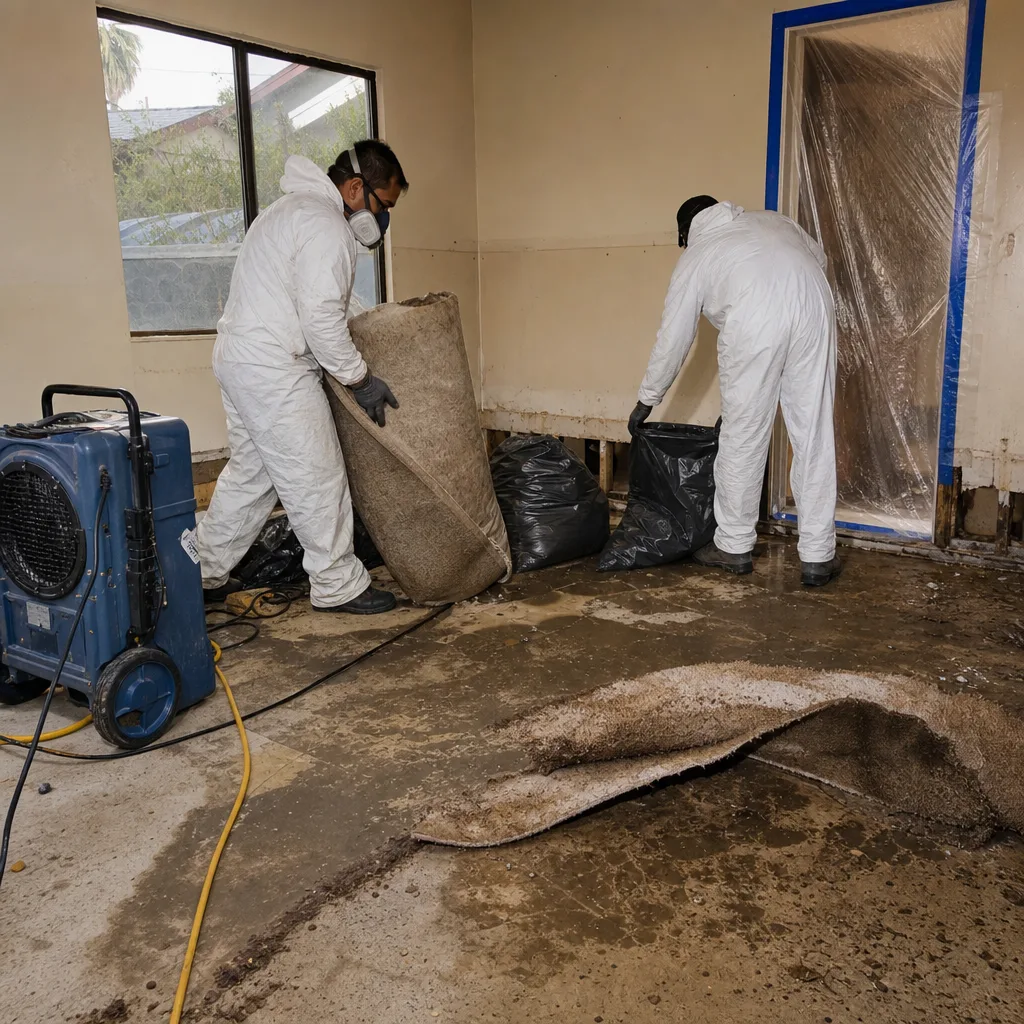
The most underutilized tool in restoration permitting is the pre-assessment call. Bellflower Building & Safety will conduct a preliminary review of proposed work before a formal permit application, at no cost, to determine whether a permit is required and what documentation will be needed. Most homeowners do not know this service exists. Most contractors do not suggest it because it adds a scheduling variable to an already urgent situation.
We recommend this call for any job where the scope may touch structural, electrical, plumbing, or mechanical systems. Here is exactly how to request it and what to ask:
- Call the Bellflower Building & Safety Division at (424) 347-8338, extension 2260. Ask specifically for a “pre-assessment consultation for residential restoration work.” This language routes you to the correct staff member.
- Have your property address, APN (Assessor’s Parcel Number), and a brief description of the damage and proposed work ready. The APN is on your property tax bill and allows staff to pull the permit history quickly.
- Ask these specific questions:
- “Does this scope require a building permit, and if so, what type?”
- “Are there any local amendments that affect this specific work?”
- “What is the current inspection scheduling timeline?”
- “Will this work trigger any additional requirements, such as seismic retrofit, elevation certificate, or energy compliance documentation?”
- “What is the permit fee structure, and are there any plan check requirements?”
- Request written confirmation. Ask for an email summary of the conversation that you can include in your project file. This documentation becomes valuable if questions arise later.
- Schedule the follow-up. If a permit is required, ask for the specific application form, required attachments, and whether an in-person plan submittal is needed or if online submission is available through the city’s portal.
We have found that pre-assessment calls in Bellflower typically take 15-20 minutes and prevent permit delays of one to two weeks. For a water damage job where microbial growth timelines are measured in days, that prevention is worth the scheduling effort. We include pre-assessment coordination as part of our standard scope documentation when the permit threshold appears likely.
The Inspection Process: What Happens and What It Produces
A permit is not a piece of paper. It is a process that produces specific documentation at specific milestones. Understanding what the inspector is looking for, and what you receive in return, allows you to verify that your restoration contractor has completed the compliance path correctly.
Rough inspection. For structural, electrical, plumbing, or mechanical work, the first inspection occurs before finishes are closed. The inspector verifies that the work matches the approved plans, that materials meet code specifications, and that installation methods comply with the relevant California code. For a typical water damage reconstruction in Bellflower, this means:
- Structural: sistered joists or replaced studs are correct species and grade, fasteners are correct type and spacing, connections match approved details
- Electrical: new wiring is properly stapled, boxes are grounded, GFCI protection is provided where required by the California Electrical Code
- Plumbing: pressure test completed, cleanouts accessible, materials are approved for the application
- Mechanical: ductwork is properly supported, sealed, and insulated to current energy standards
The inspector either approves the rough, issues a correction notice, or requires a re-inspection after corrections. Each outcome is documented in writing.
Final inspection. After rough approval and completion of finishes, the final inspection verifies that the completed work matches the approved scope, that all correction items are resolved, and that the dwelling is safe for occupancy. The inspector issues a final approval, typically in the form of a signed inspection card or electronic record.
What you receive. In Bellflower, the final inspection produces:
- A Certificate of Final Completion or equivalent inspection approval record
- A signed inspection card (for permits issued before the city’s electronic system transition) or a digital approval record with permit number
- A Notice of Completion, which the contractor should file with the county recorder within 30 days of final inspection
This documentation is what survives the property sale. Without it, the permit exists in city records but the homeowner lacks portable proof of compliance. We provide copies of all final inspection documentation to the homeowner as part of our project closeout, stored in the same file as the photo record, drying logs, and written warranty.
Title and Disclosure Consequences of Unpermitted Work
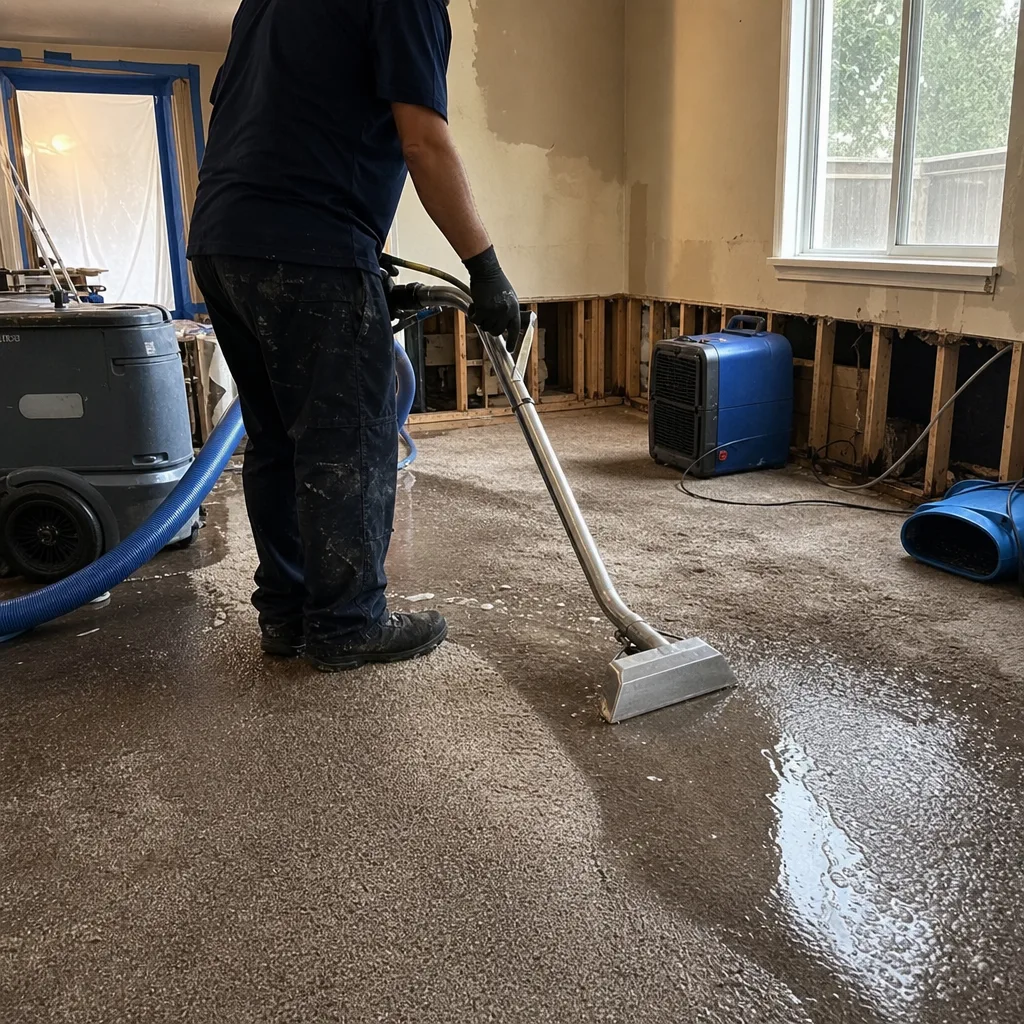
California Civil Code Section 1102 requires sellers of residential real property to disclose material facts affecting the value or desirability of the property. The statute specifically includes “any room additions, structural modifications, or other alterations or repairs made without necessary permits.” This is not a suggestion. It is a mandatory disclosure on the Transfer Disclosure Statement, and failure to disclose can result in rescission of the sale or damages.
The consequences flow in a predictable sequence that we have seen affect Bellflower homeowners:
- Buyer’s inspection discovery: A competent home inspector will note visible signs of repair and may recommend permit verification. In Bellflower’s competitive market, buyers use this as negotiation leverage.
- Title company requirements: Some title insurers will not insure a property with known unpermitted structural work until the condition is remedied, creating a closing obstacle.
- Retroactive permitting: The city may require opening of finished work to verify compliance, at the owner’s expense, often exceeding the original repair cost.
- Insurance complications: A subsequent insurance claim may be denied if unpermitted work contributed to the damage or if the insurer determines the property was not maintained to code.
The disclosure obligation applies even if the current owner did not perform the unpermitted work. If you purchased a Bellflower home in 2019 and the seller’s disclosure did not mention the 2017 unpermitted kitchen repair, and you now discover it, you must disclose it when you sell. The chain of disclosure travels with the property.
The protection is documentation. A permitted repair with final inspection documentation is not a disclosure problem. It is a feature that demonstrates proper maintenance. An unpermitted repair, even if performed to professional standards, is a latent defect that converts to a material fact upon discovery.
How to Store Documentation for a Future Property Sale
Restoration documentation has a longer useful life than most homeowners assume. The statute of limitations for construction defect claims in California is four years for patent defects and ten years for latent defects, but the disclosure obligation for unpermitted work has no time limit. A repair performed in 2025 may need to be documented and disclosed in a 2035 sale.
We recommend a specific storage protocol that we explain to every Bellflower homeowner at project closeout:
- Physical file: Maintain a paper file with the written scope, all change orders, the final invoice, the photo record on USB or printed, the permit application and approvals, the final inspection documentation, and the Notice of Completion. Store this with your property deed and title insurance documents.
- Digital backup: Scan all documents to PDF and store in cloud storage with redundant backup. Include the permit number in the filename for searchability.
- Property records transfer: When selling, provide copies of the restoration documentation to the buyer as part of the disclosure packet. This demonstrates transparency and may support the property’s value.
- Contractor contact preservation: Maintain contact information for the restoration contractor. If questions arise during a future sale, the contractor who performed the work can often provide clarification or additional documentation.
Our photo records, drying logs, and written scopes are maintained in our archive for ten years, and we can reproduce documentation for past clients upon request. The Haven Standard requires this retention as part of our 365-Day Done Right Promise and our commitment to documentation that outlasts the immediate claim.
Coordinating Permits with Your Insurance Adjuster
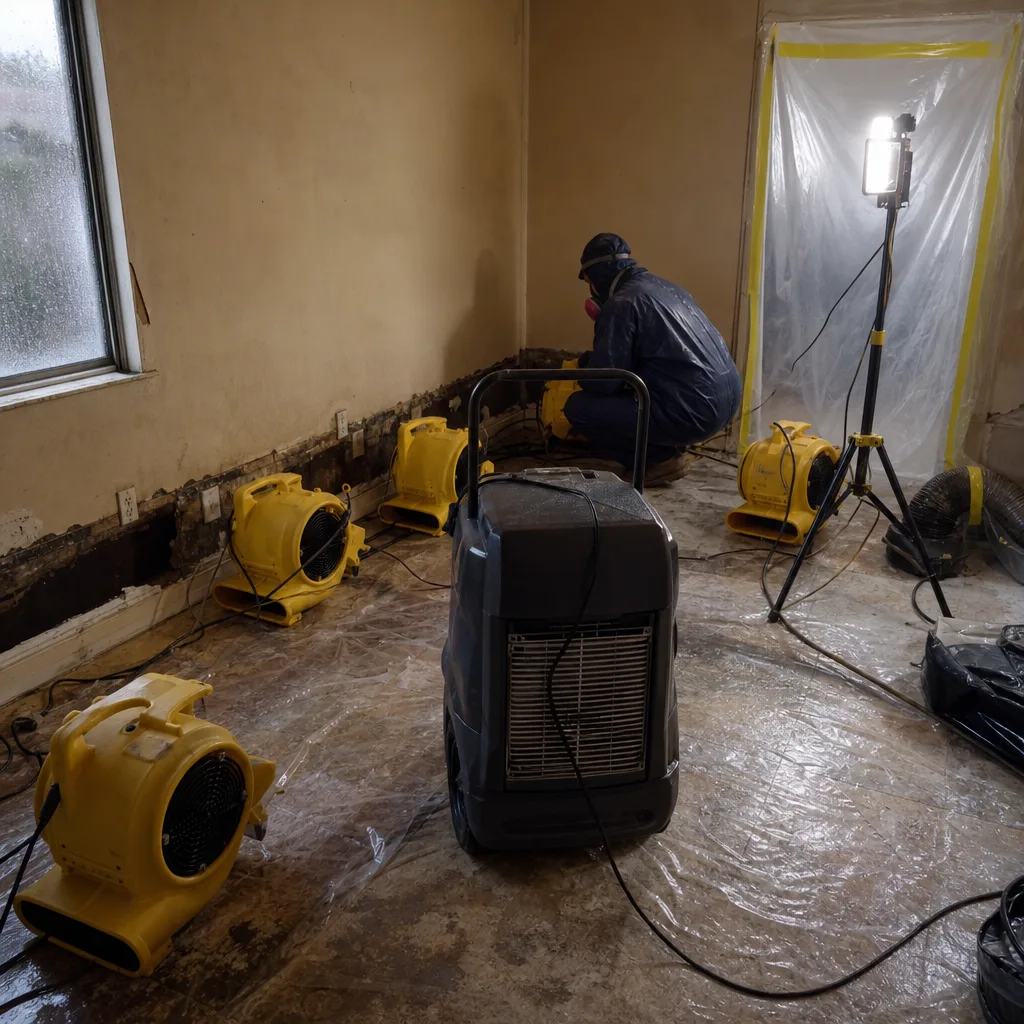
Insurance adjusters and building code requirements operate on different timelines and incentives. The adjuster wants to close the claim efficiently. The building department wants code compliance verified through inspection. The homeowner is caught between these processes, and the restoration contractor is often the only party positioned to coordinate them.
The critical coordination points:
- Scope documentation for the adjuster: The written scope must clearly distinguish between mitigation work and reconstruction work, and must identify permit-required items separately. This allows the adjuster to apply appropriate depreciation and coverage limits.
- Permit cost inclusion: Permit fees, plan check fees, and inspection fees are legitimate components of the repair cost and should be included in the scope presented to the insurer. We itemize these separately so the adjuster can verify them against city fee schedules.
- Holdback for inspection completion: Some insurers will hold back a portion of the reconstruction payment until final inspection is complete. We document this possibility in our written scope so the homeowner is not surprised by a partial payment.
- Code upgrade coverage: Many policies include limited coverage for code upgrades required by current building codes that were not in effect when the home was built. Bellflower’s adoption of the 2022 CBC may trigger upgrade requirements for electrical grounding, seismic straps, or energy efficiency that were not required when the home was originally constructed. We identify these upgrade triggers during our initial assessment and document them for the adjuster.
Our documentation-first approach, including photo records on every visit and daily drying logs from Dri-Eaz and Phoenix equipment, gives adjusters the evidence they need to approve permit-related costs without dispute. The alternative is often a supplemental claim process that delays completion by weeks.
For Water Damage Restoration in Bellflower, permit coordination is particularly critical because the mitigation-to-reconstruction transition happens quickly, and the permit decision made in the first 48 hours affects the entire claim. Our crews are trained to flag potential permit triggers during the initial moisture mapping, not after demolition begins.
Common Mistakes to Avoid
- Assuming mitigation and reconstruction are the same permit category. Extraction and drying are not construction. Replacing a subfloor is. The permit requirement changes when the scope changes, and many contractors fail to reassess mid-job.
- Relying on the contractor’s verbal assurance that no permit is needed. In Bellflower, the permit requirement is determined by the scope, not the contractor’s preference. Get the pre-assessment call documentation or the contractor’s written permit analysis.
- Ignoring electrical work behind removed drywall. A simple outlet replacement in a opened wall requires an electrical permit. Skipping this because the drywall will cover it creates a hidden unpermitted condition.
- Failing to verify contractor registration. Bellflower requires annual contractor registration. An unregistered contractor cannot pull a permit, and work performed by an unregistered contractor may not be accepted for inspection.
- Not requesting the Notice of Completion. The permit approval alone does not prove completion. The Notice of Completion, filed with the county, creates the public record that protects your title.
- Discarding documentation after the claim closes. Insurance records are typically retained for three to seven years. Property disclosure obligations extend indefinitely. Keep restoration documentation with your permanent property records.
- Assuming neighboring cities have identical requirements. Bellflower’s local amendments differ from Lakewood, Cerritos, and Long Beach. A contractor working across multiple jurisdictions may apply the wrong standard.
When to Call a Professional
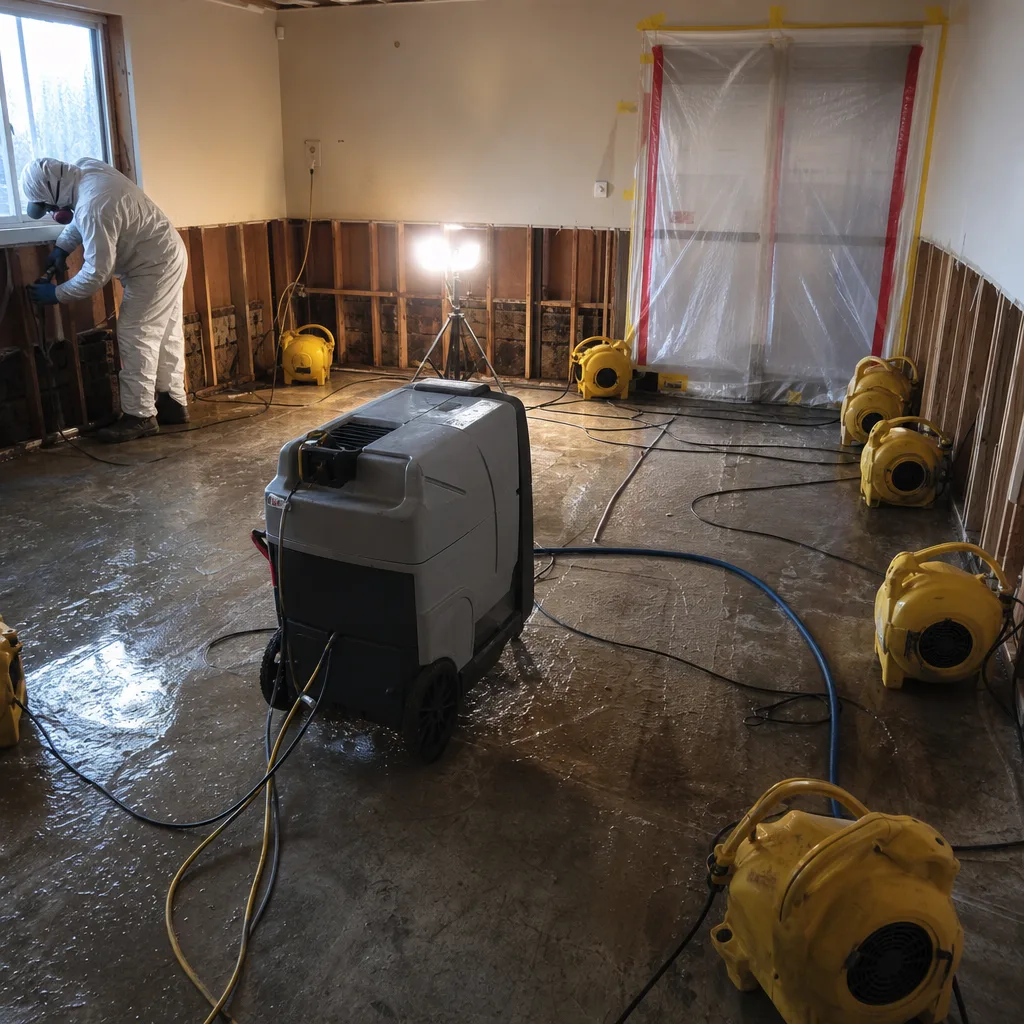
Call a professional restoration contractor when the water, fire, or mold damage has affected finished surfaces that may conceal structural, electrical, plumbing, or mechanical systems. Call when the scope is unclear and may cross the permit threshold. Call when you need documentation that will survive an insurance review and a future property sale. Not sure how to choose? Our How to Hire a Damage Restoration Contractor in Bellflower: A Step-by-Step Guide walks you through the process.
DryMark Restoration Bellflower offers free estimates in Bellflower. Every estimate includes a written scope, a permit assessment, and a documented photo record if work proceeds. We coordinate directly with your insurance adjuster and with Bellflower Building & Safety to keep the permit process from delaying your recovery. Call (424) 347-8338.
For Sewage Cleanup in Bellflower, permit requirements are particularly complex because Category 3 water damage often requires both health department coordination and building permits for removed finishes. Our crews handle both tracks simultaneously.
Frequently Asked Questions
No. Water extraction, structural drying with professional dehumidification equipment, and non-structural demolition of damaged materials typically do not require a building permit in Bellflower. Once the work exposes or repairs structural elements, electrical, plumbing, or HVAC systems, a permit becomes required under the California Residential Code.
Request the permit number and verify it directly with the Bellflower Building & Safety Division at (424) 347-8338, extension 2260, or through the city’s online permit portal. A legitimate permit will show the scope of approved work, inspection dates, and final approval status. We provide this information to every homeowner as part of our project documentation.
You must disclose the unpermitted work on the Transfer Disclosure Statement under California Civil Code 1102. Failure to disclose can result in rescission of the sale or damages. The buyer may negotiate a price reduction, require retroactive permitting at your expense, or walk away from the transaction. Proper documentation of permitted work avoids this liability entirely.
Most standard homeowners policies cover the cost of permits required to repair covered damage, either within the dwelling coverage limit or through a separate code upgrade endorsement. The key is documenting the permit requirement in the written scope presented to the adjuster. We itemize permit costs separately in our estimates to facilitate this coverage.
Pre-assessment consultations are typically available within 2-3 business days. Permit issuance for straightforward restoration work takes 3-5 business days if no plan check is required. Rough inspections are scheduled 48 hours after request, final inspections 72 hours after rough approval. We factor these timelines into our project scheduling and maintain drying equipment on site during inspection holds to prevent secondary damage.
Keep the written scope, all change orders, final invoice, photo record, permit application and approvals, final inspection documentation, and Notice of Completion. Store physical copies with your property deed and digital copies in cloud storage. This documentation protects you in future property sales, insurance claims, and any disputes about work quality. We provide all of this documentation as standard deliverables, never as upsells.
The Bottom Line
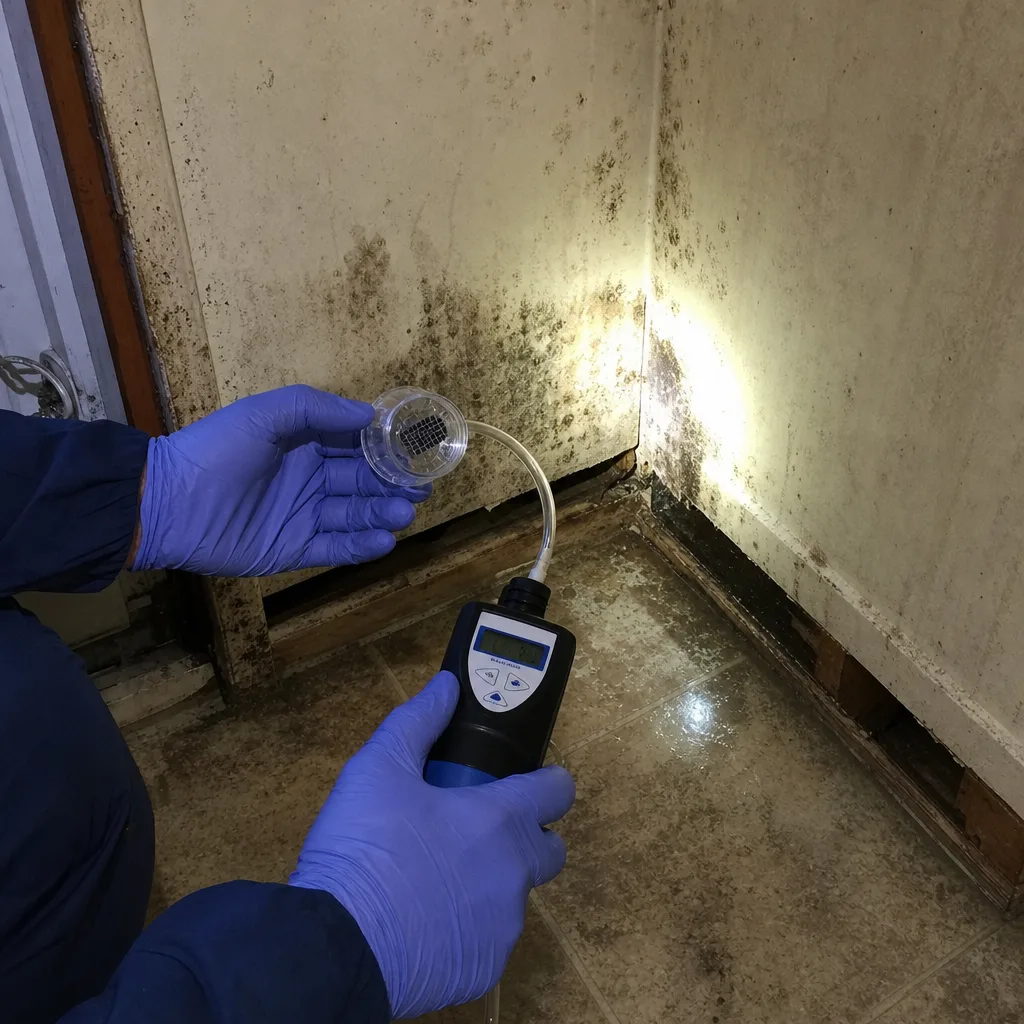
California’s permit requirements for restoration work are not arbitrary bureaucracy. They are the documentation framework that converts a repair into a verifiable, transferable asset. In Bellflower, the threshold between unpermitted mitigation and permitted reconstruction often turns on a single detail: whether the scope exposed a structural element. Identify that detail before work begins, coordinate with Building & Safety through a pre-assessment call, and preserve the final inspection documentation for the life of your property ownership. The cost of compliance is modest. The cost of discovering non-compliance during a property sale is not.
Written by Alicia Brennan, Owner at DryMark Restoration Bellflower, serving Bellflower since 2011.