
Last updated September 23, 2026
Free visual inspection and a written scope of work before any mitigation begins - photos, moisture readings, and drying logs go in your claim file
The scope we write is the scope we bill. Anything new gets shown to you, in writing, before we touch it.
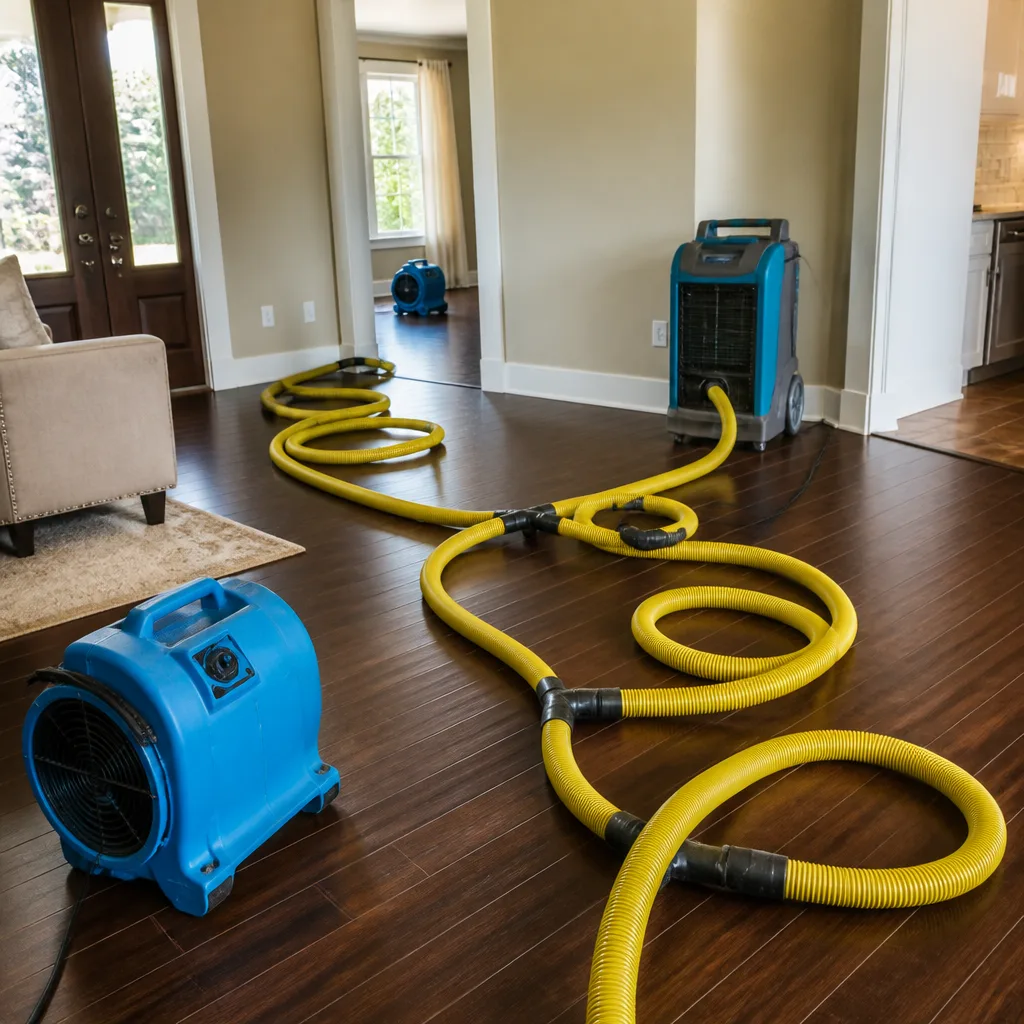

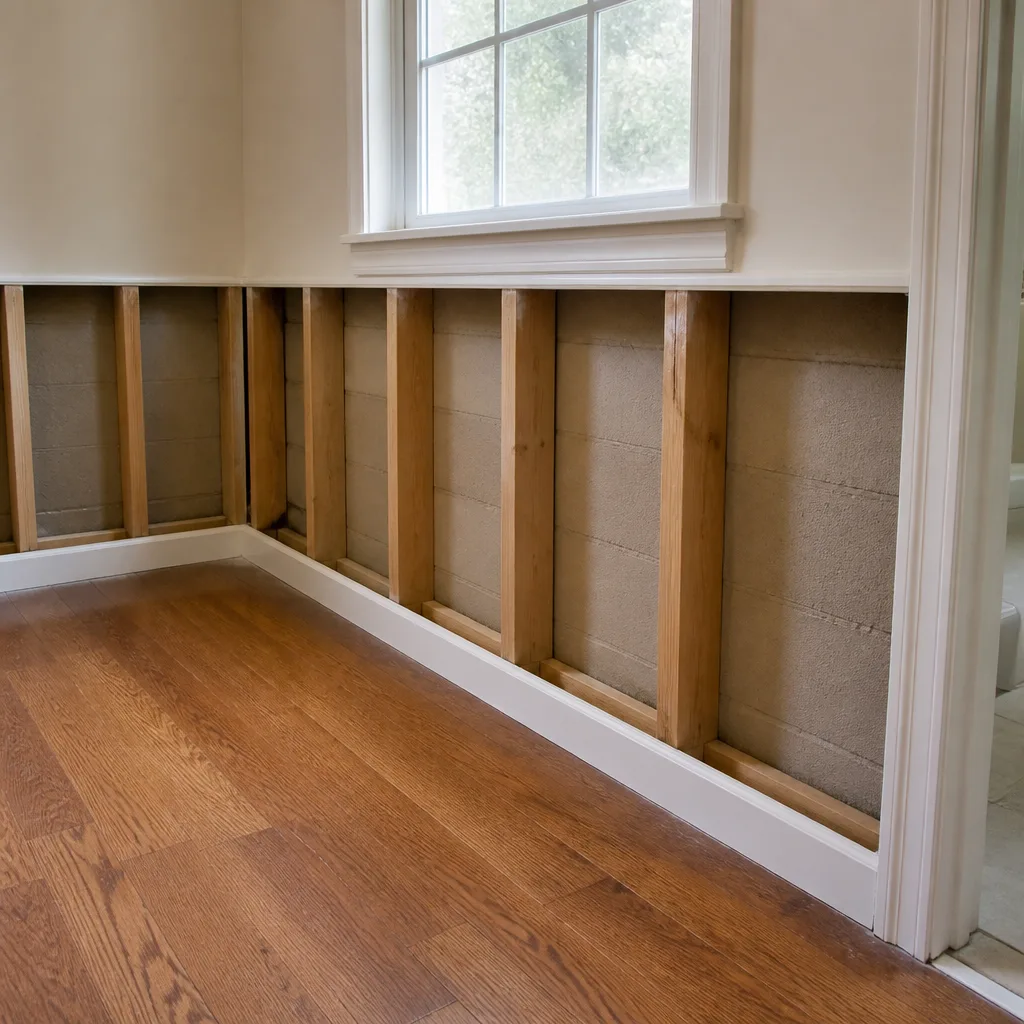

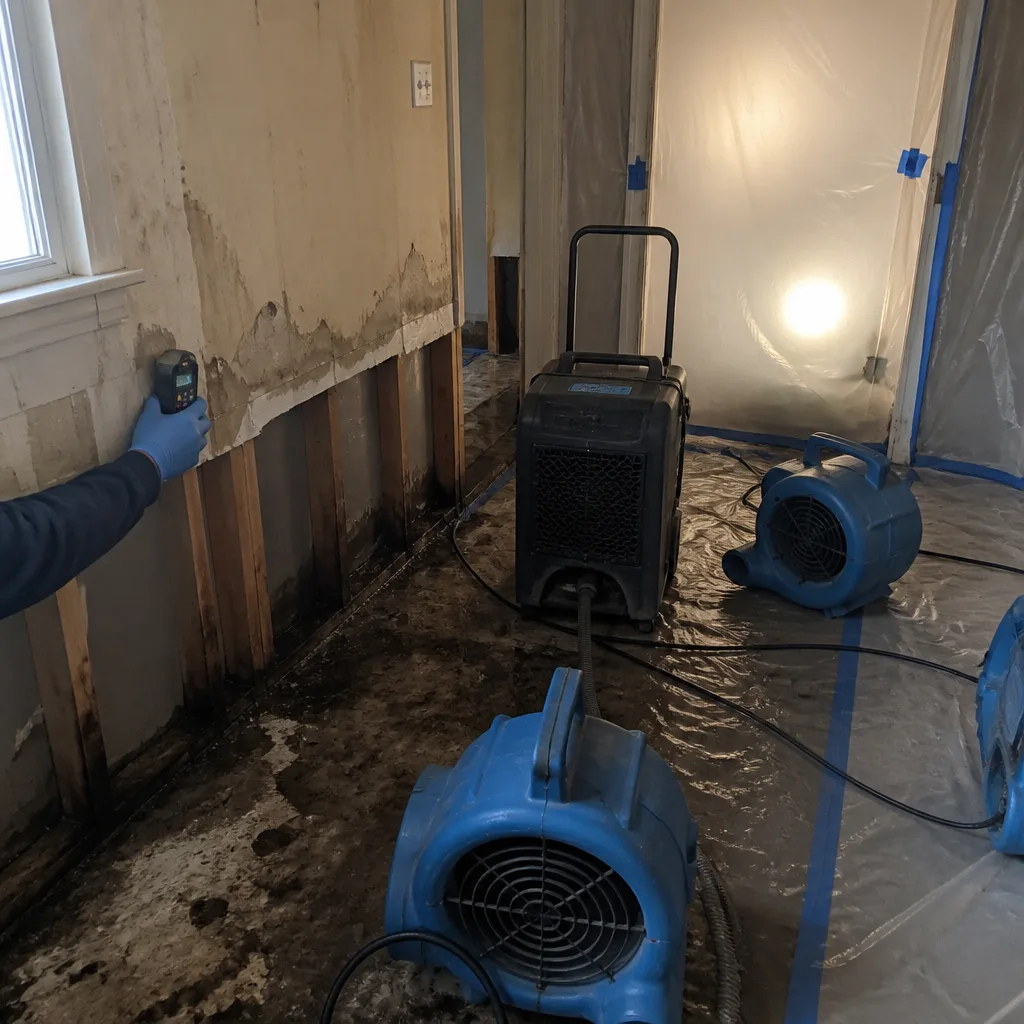 Before
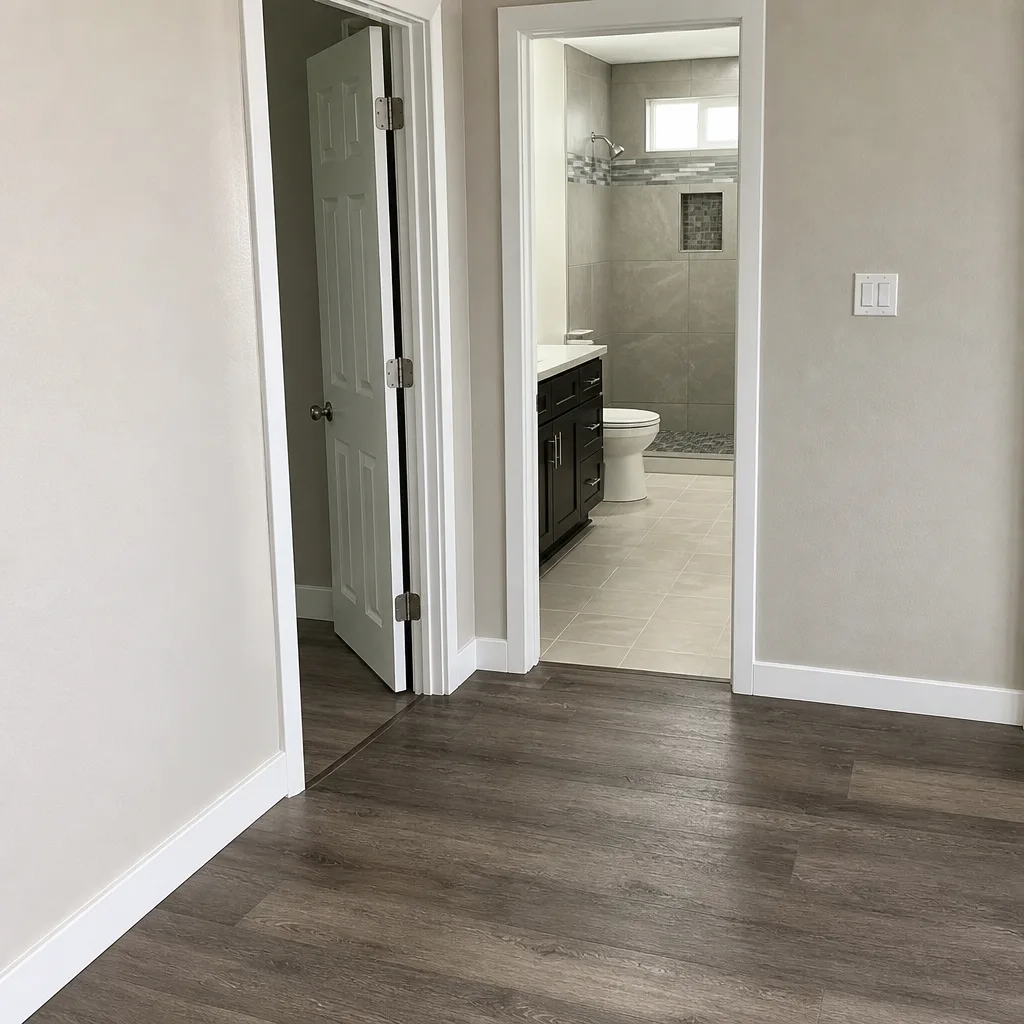 After
After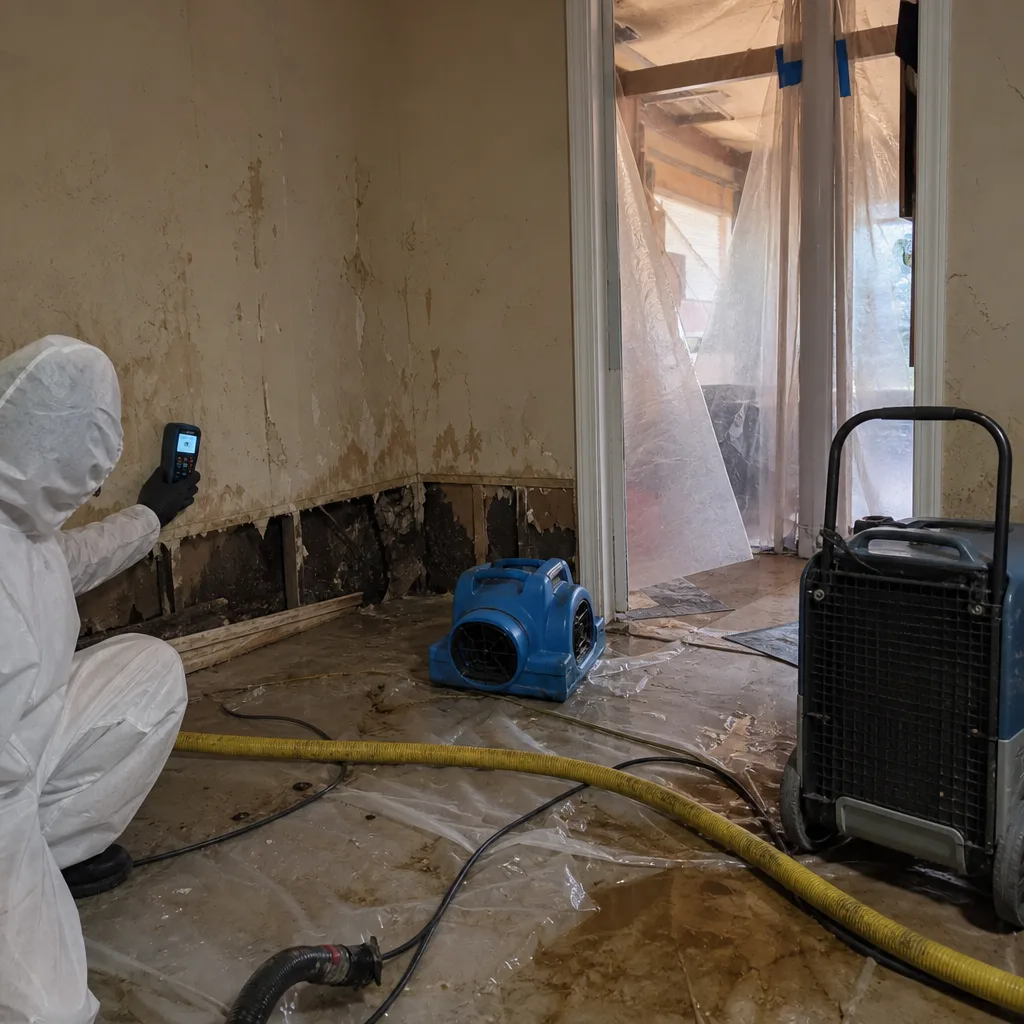 Before
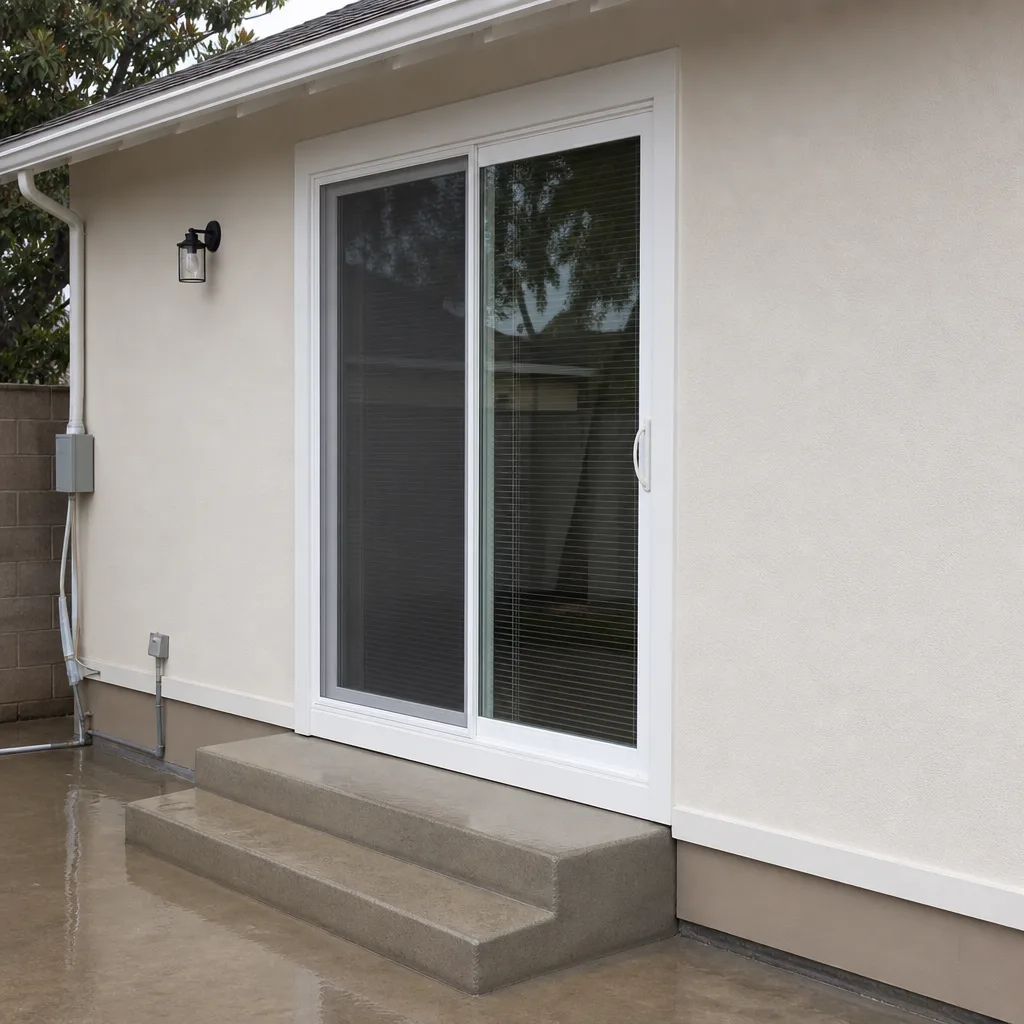 After
After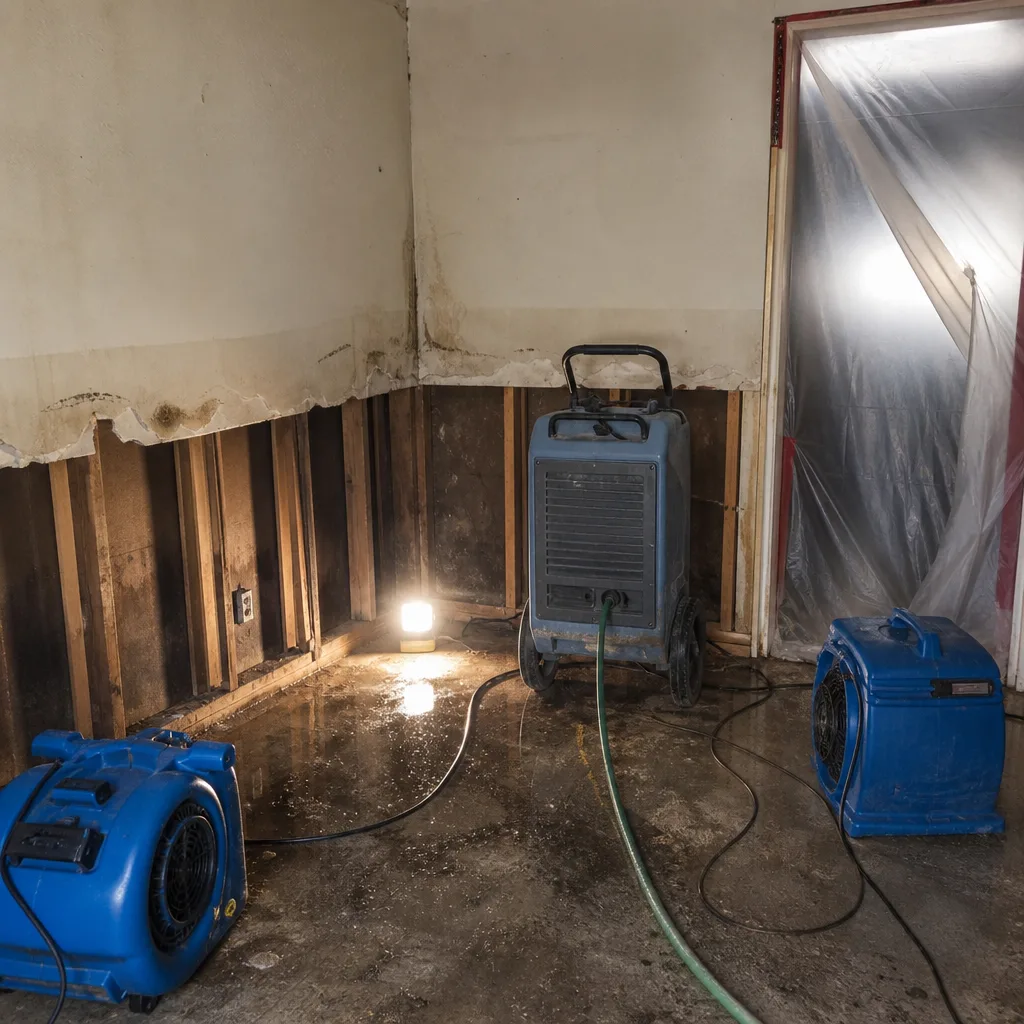 Before
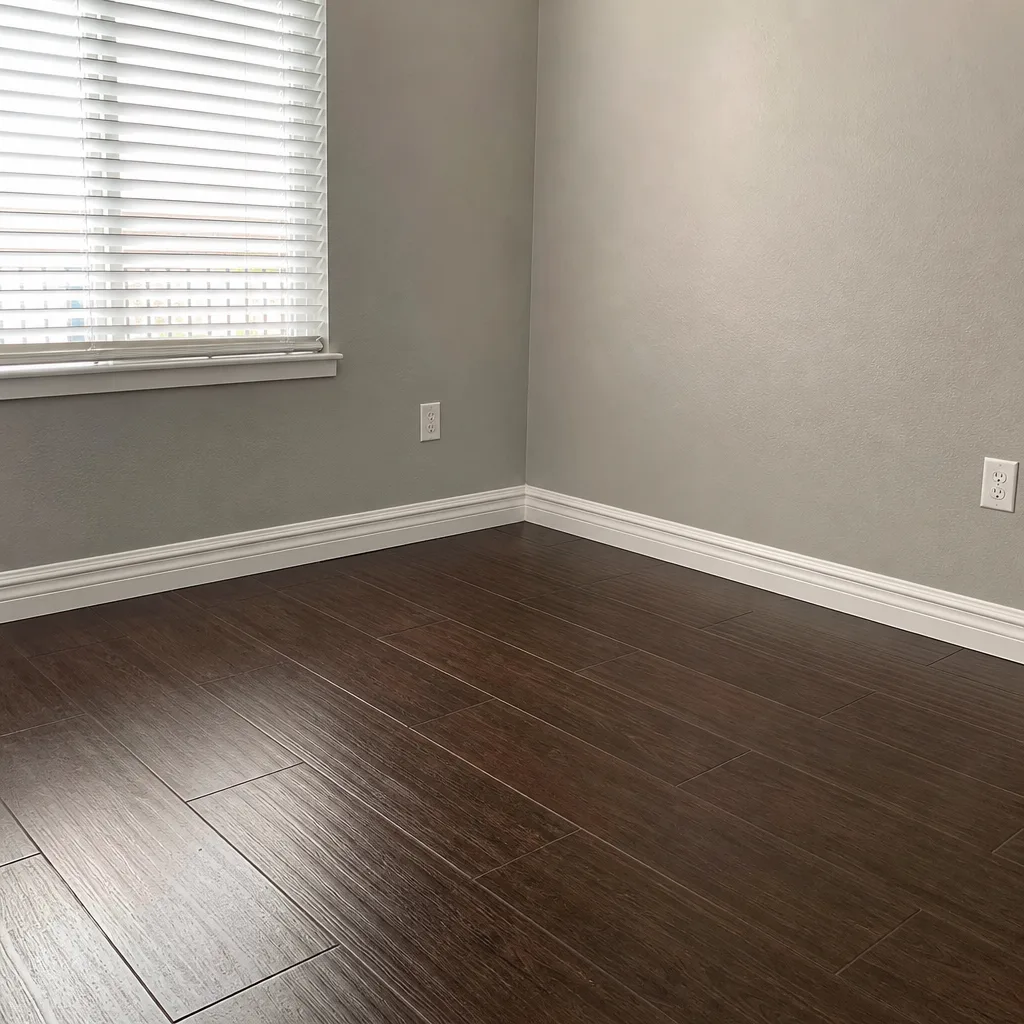 After
AfterHow to Hire a Damage Restoration Contractor in Bellflower: A Step-by-Step Guide
Here’s what most Bellflower homeowners don’t realize until it’s too late: California law does not prohibit a restoration contractor from starting work before your insurance company is notified. By the time your adjuster arrives, someone else has already decided what “the damage” is, documented it their way, and locked in their price. In our experience across more than 12,000 homes since 2011, the single highest-risk moment in any restoration project is that first phone call - specifically, the point where you sign an Assignment of Benefits or work authorization before receiving a written scope and price. Our complete guide to damage restoration in Bellflower shows you how to protect yourself before that moment arrives.
Quick Answer
To hire a damage restoration contractor in Bellflower safely, verify their CSLB license class and active workers’ comp certificate, demand a written scope with line-item pricing before signing any work authorization, remove Assignment of Benefits language from all documents, and compare at least two bids on documentation methodology - not just price. Never authorize work without a written price; in Bellflower’s restoration market, verbal estimates and scope-creep additions are where most disputes begin.
Table of Contents
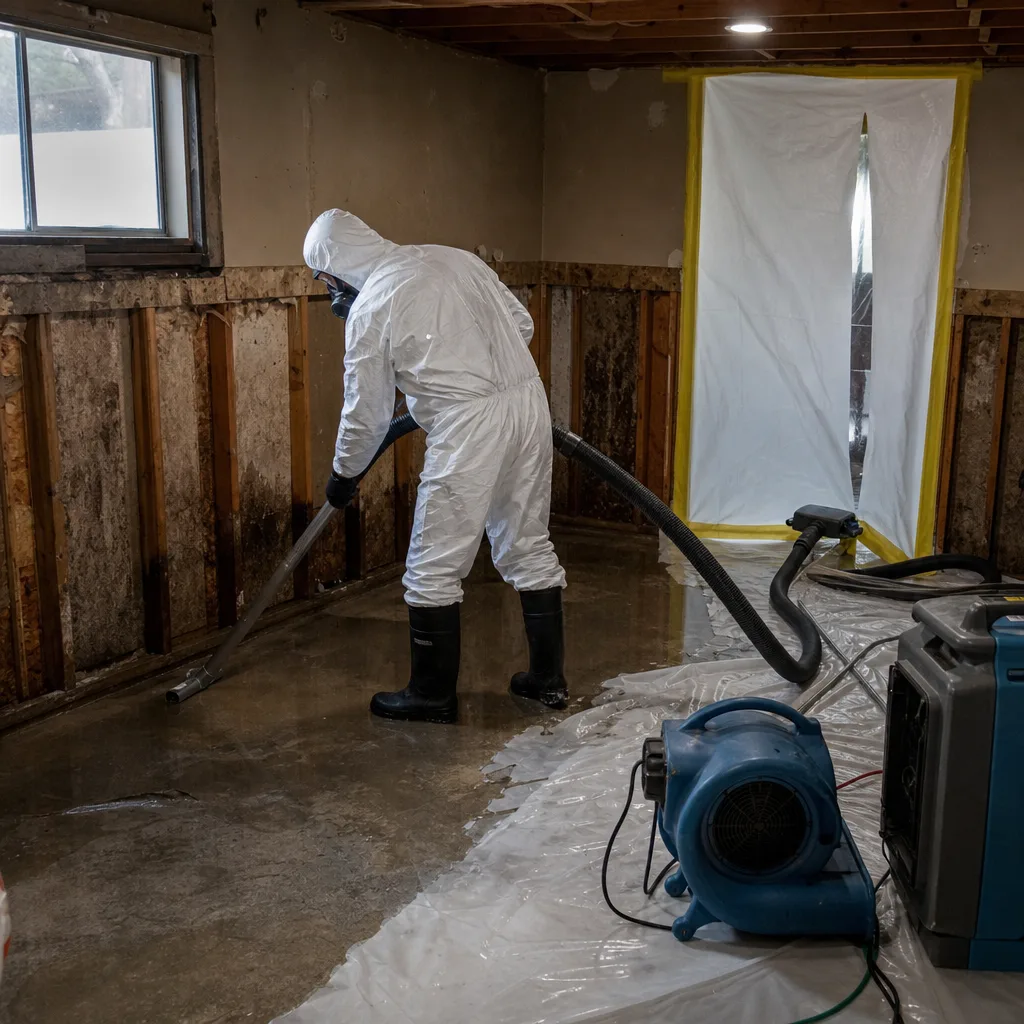
- Step 1: Verify License, Bond, and Insurance on the CSLB Database
- Step 2: Demand a Written Scope of Work Before Any Signature
- Step 3: Identify and Remove Assignment of Benefits Clauses
- Step 4: Compare Bids on Documentation, Not Just Price
- Step 5: Spot Storm-Chaser Red Flags Specific to Bellflower
- What Bellflower Restoration Pricing Actually Looks Like
- The Documentation That Protects Your Claim
- Common Mistakes to Avoid
- When to Call a Professional
- Frequently Asked Questions
 Before
 After
AfterStep 1: Verify License, Bond, and Insurance on the CSLB Database
Every restoration contractor who sets foot in a Bellflower home must carry a valid California State License Board (CSLB) license. But “licensed” is not a binary state. The specific license class matters enormously for what they can legally perform and whether your insurer will pay the invoice.
Here’s what to check, in order:
- License class: Water damage restoration and mold remediation in Bellflower fall under the C-61/D-64 (Non-Specialized) or B-General Building contractor classification. Reconstruction work requires a B license. If a contractor holds only a C-36 Plumbing or C-20 Warm-Air Heating license, they cannot legally perform structural drying or rebuild services. Cross-check the license number on cslb.ca.gov; the status must read “Active,” not “Suspended” or “Delinquent.”
- Bond amount: California requires a $25,000 contractor’s bond for active licenses. On the CSLB license detail page, verify the bond is current and issued by a surety company admitted in California. A bond in forfeiture status means the contractor cannot legally enter into new contracts.
- Workers’ compensation certificate: Click through to the “Workers’ Compensation Insurance” section. If the contractor has employees (and any crew of two or more does), workers’ comp must be active. If it shows “Exempt,” the contractor claims to have no employees - yet shows up with a crew, that’s a discrepancy that voids their coverage and exposes you to liability if someone is injured on your property.
- License history: Scroll to the “Disciplinary Actions” section. Even a single citation for contracting without a permit or misrepresenting scope can signal a pattern. In Bellflower’s compact residential market, word travels, but the CSLB record is the only source that documents formal findings.
We check our own license status monthly and provide the active license number on every written scope. It’s not a formality; it’s the first line of documentation that an adjuster or attorney will request if a dispute arises. Haven Standard, Clause 1 requires that every technician who enters a Bellflower home is background-checked, uniformed, and named on the work authorization with their individual license verification available on request.
Step 2: Demand a Written Scope of Work Before Any Signature
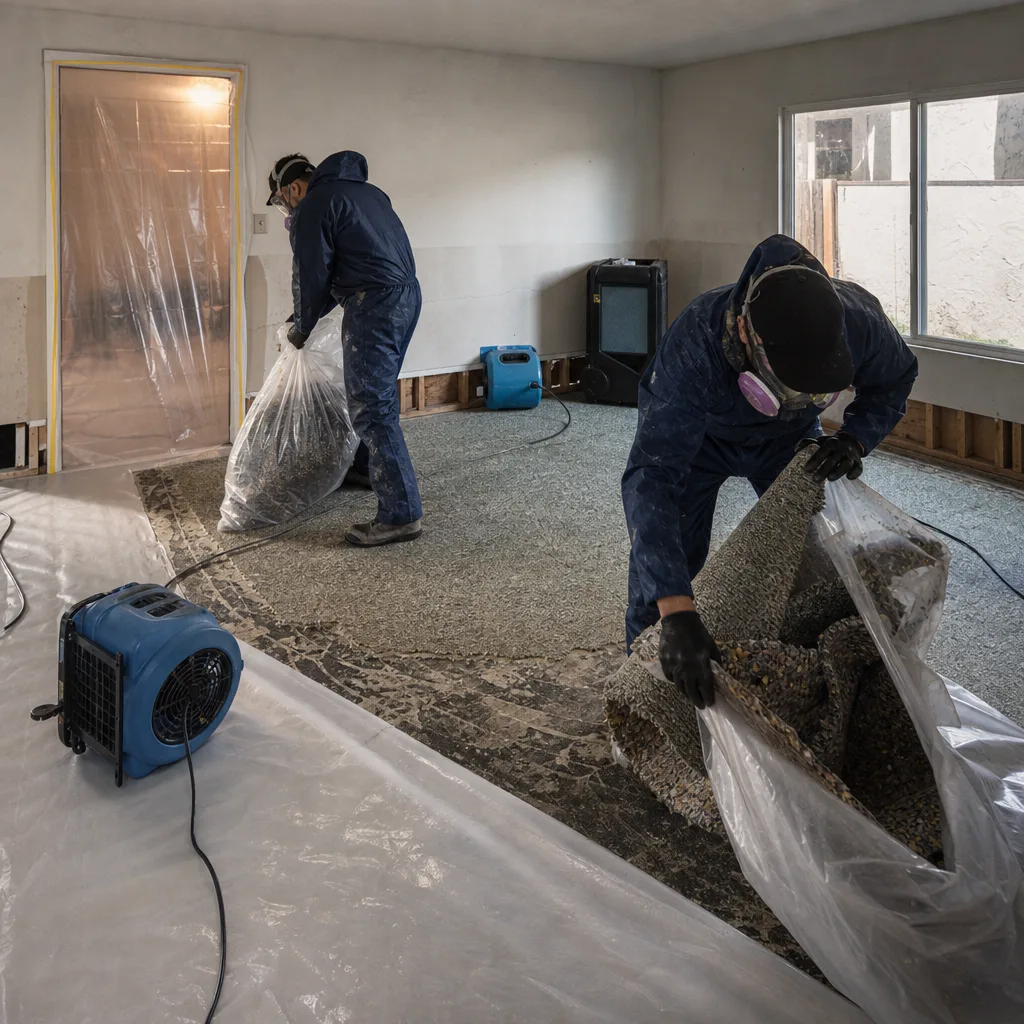
The work authorization is where most homeowners lose control of their project. Restoration contractors in Bellflower, particularly those responding to overnight water losses or post-storm flooding, often arrive with a clipboard and a sense of urgency. The document they present is frequently a blanket authorization to “perform all necessary emergency services” with pricing “per industry standard rates.”
This is not a scope of work. It is a blank check.
A written scope that will survive adjuster scrutiny and prevent scope-creep must contain these elements:
- Affected areas by room: “Primary bedroom, northwest corner, carpet and pad, 144 sq ft; drywall, lower 24 inches, 48 linear ft.” Not “bedroom water damage.”
- Line-item tasks with unit pricing: “Extract standing water: $X per sq ft. Deploy LGR dehumidifier (Dri-Eaz or Phoenix): $X per day. Remove and dispose of Category 2 carpet pad: $X per sq ft.” Each task must carry a discrete price that can be compared against another bid.
- Equipment placement justification: “One LGR dehumidifier, 70-pint capacity, placed in primary bedroom to achieve 40-50% relative humidity per IICRC S500; one axial air mover (XPOWER P-230AT) per 50-70 sq ft of affected wall/ceiling surface.” This explains why the equipment is there and how success is measured.
- Material classifications: Category 1 (clean water), Category 2 (gray water), Category 3 (black water/sewage). Each category determines what can be dried versus what must be removed. In Bellflower, where many homes sit on slab foundations with minimal clearance, Category 2 water that reaches wall cavities often requires removal, not drying, because air circulation is insufficient for safe tertiary drying.
- Daily monitoring schedule: “Technician will record moisture content readings with penetrating meter (Protimeter Surveymaster) and thermo-hygrometer readings every 24 hours; readings logged in daily drying report.” Without this, an insurer can dispute whether drying was actually completed or merely guessed at.
- Completion criteria: “Dry standard achieved when moisture content of affected wood framing reads within 4% of established dry standard for Bellflower (typically 8-12% for softwood studs in this climate zone); verified with calibration-standardized meters.”
Haven Standard, Clause 1 is explicit: a written price is delivered before anyone starts work, every time, with no exceptions. Not an estimate. Not a range. A written price with line items that you can photograph with your phone and email to your adjuster before the first fan is plugged in. In 12,000 homes since 2011, we’ve never started work without this document signed by both parties.
Water Damage Restoration in Bellflower requires this level of specificity because the difference between a payable claim and a denied one often comes down to whether the scope was documented before the work began.
Step 3: Identify and Remove Assignment of Benefits Clauses
The Assignment of Benefits (AOB) is a legal instrument that transfers your insurance claim rights to the contractor. Once signed, the contractor - not you - controls negotiations with your insurer, can sue your insurance company in your name, and may collect payment directly from the insurer even if you dispute the quality of their work.
In Florida and some other states, AOB abuse led to legislative reform. California has not enacted equivalent protections. This makes AOB language in Bellflower restoration contracts a live risk that most homeowners don’t recognize until they’re locked in.
Here’s how to identify it:
- Scan for these phrases in any work authorization: “I hereby assign all insurance rights, benefits, and causes of action,” “I direct my insurer to pay [contractor name] directly,” “I appoint [contractor name] as my attorney-in-fact for insurance matters,” or any language granting the contractor “sole authority” to negotiate or settle your claim.
- Check for bundled language: Many Bellflower contractors embed AOB clauses inside broader “Direction to Pay” or “Insurance Authorization” sections. A legitimate direction-to-pay authorizes your insurer to release payment to the contractor only after you approve the work and the invoice. An AOB strips that approval right entirely.
- Demand deletion: Cross out AOB language with a single line, initial the deletion, and request the contractor initial as well. If they refuse, do not sign. A contractor who insists on AOB control is not confident their documentation will survive independent adjuster review.
- Substitute with limited authorization: Replace AOB language with: “Homeowner retains all insurance rights. Contractor may submit invoice and documentation directly to insurer for review. Payment released only upon homeowner approval of completed work and final invoice.” This preserves your control while allowing efficient claims processing.
We’ve reviewed competitor estimates where the AOB was buried on page three of a six-page authorization, after the scope summary and above the signature line. The homeowner thought they were approving emergency water extraction. They were actually signing away their entire policyholder rights for the duration of the claim. At DryMark Restoration Bellflower, no document we present contains AOB language. Haven Standard, Clause 1 guarantees a written price before work begins; no clause anywhere transfers your claim rights to us.
Step 4: Compare Bids on Documentation, Not Just Price
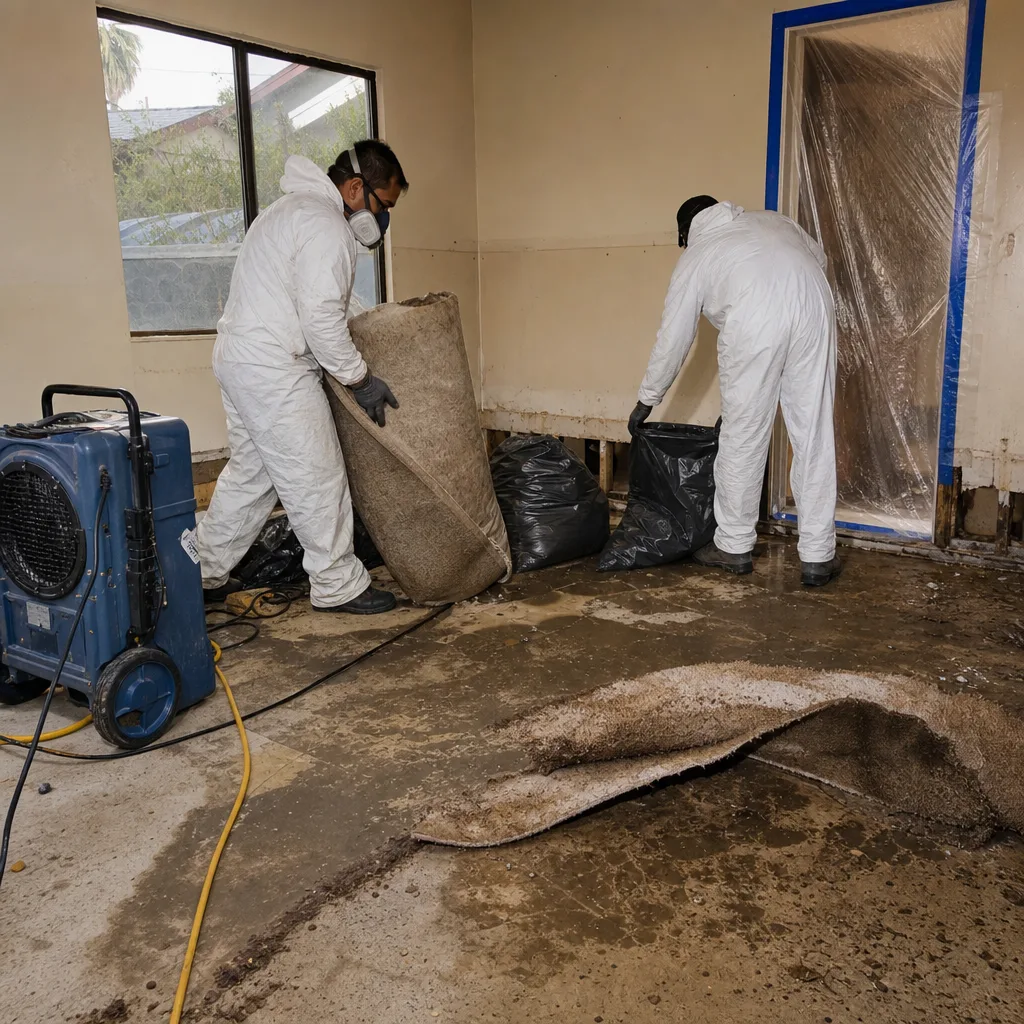
Homeowners in Bellflower often collect two or three estimates and choose the lowest number. This is rational for a known commodity. Restoration is not a known commodity; it’s a diagnostic service where the true cost depends on what the contractor finds after demolition, and where the final invoice depends on whether their documentation persuaded your adjuster.
A meaningful bid comparison in Bellflower’s restoration market requires evaluating four factors beyond the bottom line:
| Comparison Point | What to Ask | Why It Matters |
|---|---|---|
| Drying protocol | “What dehumidification capacity will you deploy per affected cubic foot, and how do you calculate it?” | Undersized equipment extends drying time, increases secondary damage risk, and triggers insurer disputes over “reasonable and necessary” duration. |
| Moisture monitoring frequency | “How often will you record readings, and what instruments will you use?” | Daily logs with calibrated meters (Protimeter, Tramex) create an evidence trail. Weekly “check-ins” with handheld gauges do not. |
| Photo documentation standard | “How many photos per visit, and what do they document?” | Pre-work, during-work, and post-work photos of each affected area, with date stamps and moisture readings visible, are the standard that turns invoices into paid claims. |
| Post-project deliverables | “What documentation do I receive when work is complete?” | A certificate of dryness, compiled photo record, daily drying log with psychrometric data, and written warranty should be standard, not upsells. |
Psychrometric data, for those unfamiliar, is the measurement of temperature, relative humidity, and vapor pressure differential that proves the drying environment was controlled to IICRC standards. A contractor who cannot explain this term or who dismisses it as “technical stuff” is not documenting to the standard your insurer expects.
Our Free Second Opinion on Any Written Estimate exists precisely for this comparison. Bring a competitor’s quote to our Bellflower office and we’ll review their scope against these documentation criteria at no charge. Often the “higher” bid is actually the lower risk because it includes the evidence package that gets your claim paid without a fight.
Step 5: Spot Storm-Chaser Red Flags Specific to Bellflower
Bellflower’s location in southeast Los Angeles County puts it in the path of winter storm systems that track east from the Pacific, and summer monsoon moisture that can produce sudden roof leaks and localized flooding. These events attract out-of-state restoration contractors who follow weather patterns from Texas, Florida, or the Midwest, set up temporary operations, and leave before warranty claims surface. See our Seasonal Damage Restoration Care for Bellflower: Year-Round Homeowner’s Guide for storm-specific preparation steps.
Specific red flags we’ve observed in Bellflower after storm events:
- Out-of-state license plates on company vehicles: Not disqualifying on its own, but combined with other factors, it suggests no permanent local presence. Ask where their equipment yard is located. A Bellflower contractor should be able to name a local street, not a freeway exit.
- No CSLB license history in California: A license issued within the past 90 days with no prior California work history is a common storm-chaser pattern. The CSLB database shows license original issue date; check it.
- Verbal-only warranties: “We’re here for you” is not a warranty. The 365-Day Done Right Promise we provide is a signed document under The Haven Standard, with a specific claims process and a local address for service. Storm-chasers offer verbal assurances that evaporate with their phone numbers.
- Pressure to sign immediately: “We can start today but I need your signature now” is urgency theatre designed to prevent comparison shopping. Legitimate emergency response in Bellflower means stabilizing the loss (extracting standing water, placing emergency equipment) under a limited emergency authorization with a capped price, then returning with a full written scope within 24 hours.
- No local permit history: Bellflower Building & Safety Division maintains records of permits pulled by contractor license number. A contractor with zero Bellflower permits in the past five years has no established local reputation to protect.
- Payment demands before insurer contact: Requiring full payment upfront, or demanding that you sign over your insurance check before work is complete, is a pattern associated with contractors who do not expect to return for callback work.
After the January 2023 atmospheric river event, we documented three out-of-state contractors operating in Bellflower with Florida and Texas corporate registrations, no California contractors’ bonds, and websites that redirected to different company names within 90 days. The homeowners who signed with them had no recourse when mold appeared six months later in cavities that were never properly dried.
What Bellflower Restoration Pricing Actually Looks Like
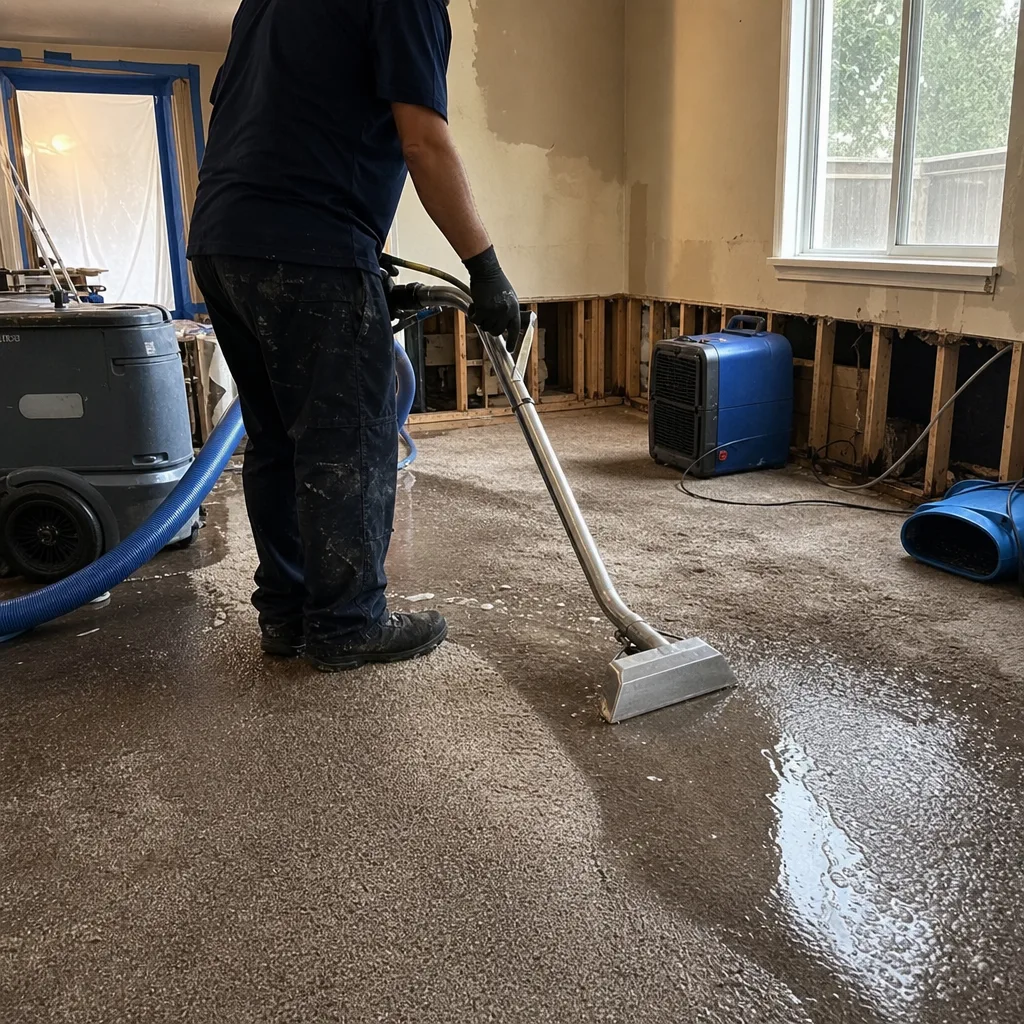
Bellflower’s restoration pricing aligns with Los Angeles County market rates, with some local variations based on labor costs, disposal fees at area landfills, and the prevalence of slab-on-grade construction that limits access for drying equipment. These are representative ranges for documented, line-item work performed by CSLB-licensed contractors with active workers’ comp:
- Emergency water extraction (standing water): $0.85-$1.40 per square foot, depending on depth and contamination category. Category 1 (clean water from supply line) at the lower end; Category 3 (sewage backup) at the higher end with PPE and disposal surcharges.
- Structural drying (equipment rental with monitoring): $35-$65 per day per dehumidifier (LGR or desiccant); $18-$28 per day per air mover. A typical 1,200 sq ft Bellflower home with affected living room, hallway, and one bedroom requires 2-3 dehumidifiers and 6-9 air movers for 3-5 days.
- Drywall removal and disposal: $2.50-$4.00 per square foot of affected surface, including bagging and haul to approved Los Angeles County waste facility. Lower 48-inch removal (“flood cut”) standard for Category 2-3 water.
- Mold remediation, contained area: $18-$32 per square foot of contained work area, including negative air pressure setup, HEPA filtration, antimicrobial application, and post-remediation verification sampling. Bellflower’s warm, dry climate reduces some mold proliferation risk compared to coastal zones, but slab construction with trapped moisture can produce Aspergillus and Penicillium species in wall cavities within 72-96 hours.
- Contents manipulation (moving and protecting furniture/belongings): $45-$75 per hour per technician, with most Bellflower residential jobs requiring 2-4 hours.
- Daily moisture monitoring and documentation: $125-$195 per visit, including compiled photo record, meter readings, and drying log update. This should not be an upsell; it’s the core service that makes the rest payable.
These ranges assume CSLB-licensed work with documented equipment from Dri-Eaz, Phoenix, or equivalent manufacturers, and daily monitoring to IICRC S500 or RIA standards. Prices 30% below these ranges typically indicate undocumented labor, unlicensed subcontractors, or equipment that is undersized for the affected volume.
Haven Standard, Clause 1 requires that every Bellflower customer receives a written price before work begins with no scope-creep additions once the crew is inside. If we encounter concealed damage that changes the scope, we stop work, document the finding with photos, and present a revised written price for your approval before continuing. No exceptions in 12,000 homes.
The Documentation That Protects Your Claim
Insurance adjusters in California are trained to deny or reduce payment on restoration invoices that lack supporting documentation. This is not adversarial; it’s their job. The contractor’s job is to produce evidence so compelling that denial is not reasonable. At DryMark Restoration Bellflower home, we built our entire operation around this evidence gap.
Every Bellflower project produces these deliverables as standard, never as add-ons:
- Pre-work photo record: Date-stamped images of every affected area, including wide shots for context and close-ups of damage extent, moisture meter readings visible in frame. Minimum 20-30 images for a typical residential water loss.
- Written scope with line-item pricing: Signed by homeowner and contractor before work begins. Scope changes require a written amendment, also signed.
- Daily drying log: Record of moisture content (MC%) for each affected material, relative humidity (RH%), temperature (°F), and vapor pressure differential. Logged to IICRC S500 standards with technician signature and license number.
- Equipment placement diagram: Sketch or digital floor plan showing dehumidifier and air mover locations, with CFM calculations demonstrating adequate air circulation for the affected volume.
- Post-work photo record and certificate of dryness: Final moisture readings at or below dry standard, with photos showing restored condition. This document is what releases final payment and closes the claim file.
- 365-Day Done Right Promise: Signed warranty under The Haven Standard, with specific callback procedure and local service address. Not a verbal assurance; a document with a claim number.
Vapor pressure differential, in plain terms, is the measurable force that drives moisture from wet materials into the air. A contractor who tracks this number daily can prove that drying was actively progressing, not merely that equipment was running. Without this data, an adjuster can argue that three days of dehumidifier rental was “excessive” and cut your payment by $500. With the data, that argument fails.
Our equipment inventory - LGR dehumidifiers from Dri-Eaz and Phoenix, axial air movers from XPOWER and B-Air, and specialized drying systems from Injectidry for hardwood and cavity drying - is documented by serial number on every project. This matters because adjusters occasionally request proof that the equipment invoiced was actually deployed. We provide it without being asked.
Common Mistakes to Avoid
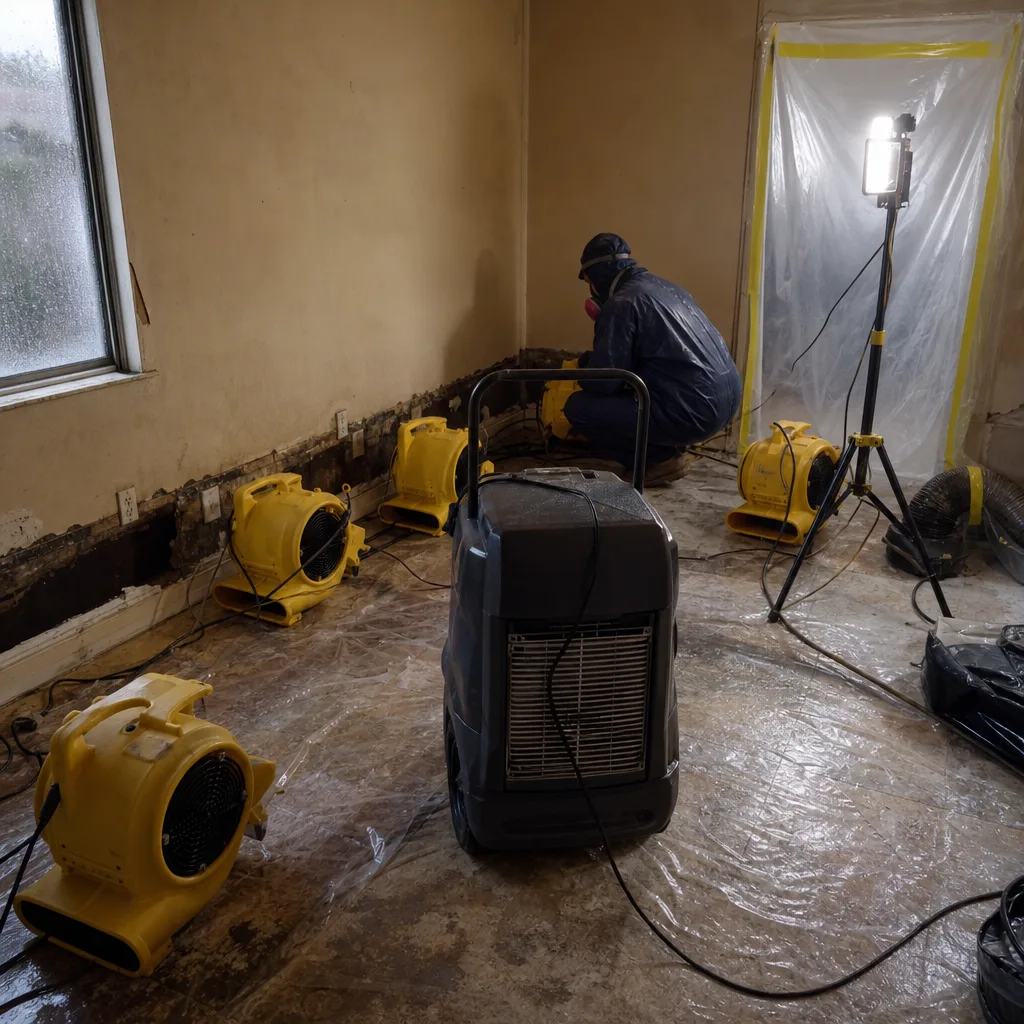
- Signing a work authorization that contains Assignment of Benefits language without reading page three. The AOB is rarely on the signature page; it’s buried in boilerplate. Read every page, cross out what you don’t accept, and initial the deletion.
- Accepting “industry standard pricing” without line-item breakdown. This phrase allows the contractor to bill any amount they choose after work is complete. Demand unit pricing for every task, every day, every piece of equipment.
- Choosing the lowest bid without comparing drying protocols. A bid that omits daily moisture monitoring or specifies half the dehumidifier capacity of a competitor will cost more in the long run through extended drying, secondary damage, and claim disputes.
- Allowing work to start before verifying CSLB license status. In Bellflower’s post-storm environment, we’ve encountered contractors using expired or borrowed license numbers. Check cslb.ca.gov while the contractor is still outside your door.
- Failing to document pre-existing conditions. Photograph your undamaged property before the contractor arrives. If a dispute arises over whether a stain or crack was caused by the loss or existed before, your photos are the only evidence.
- Not requesting post-project documentation before final payment. The certificate of dryness, compiled photo record, and daily drying log should be in your hands before you sign the final release. A contractor who promises to “send it later” may never send it.
- Ignoring workers’ comp verification for crews of two or more. If a technician is injured on your Bellflower property and the contractor has no active workers’ comp, your homeowner’s insurance may be drawn into litigation. Verify before entry.
When to Call a Professional
Call a licensed restoration contractor immediately when: standing water exceeds your capacity to extract with a wet/dry vacuum; water has reached wall cavities, insulation, or subflooring; you detect musty odors or visible mold growth; sewage or gray water is involved; or fire suppression systems have discharged, leaving chemical residue combined with water damage. In Bellflower’s climate, Category 1 water becomes Category 2 within 48-72 hours if not properly dried, and mold colonization in wall cavities can begin within 72-96 hours.
Do not attempt DIY extraction of Category 2 or 3 water, or demolition of materials potentially containing asbestos (common in Bellflower homes built 1945-1980). The health risks and liability exposure exceed any cost savings.
Sewage Cleanup in Bellflower requires specific containment, antimicrobial protocols, and disposal documentation that unlicensed operators cannot provide. Similarly, Mold Remediation in Bellflower demands contained work areas with negative air pressure and post-remediation verification that generic cleaning services do not perform.
DryMark Restoration Bellflower offers free estimates in Bellflower - call (424) 347-8338. A live person answers every call, 24 hours a day, 7 days a week, with no voicemail trees. Emergency stabilization can begin within the hour for active water losses, with a written scope and price delivered before full work authorization.
Frequently Asked Questions
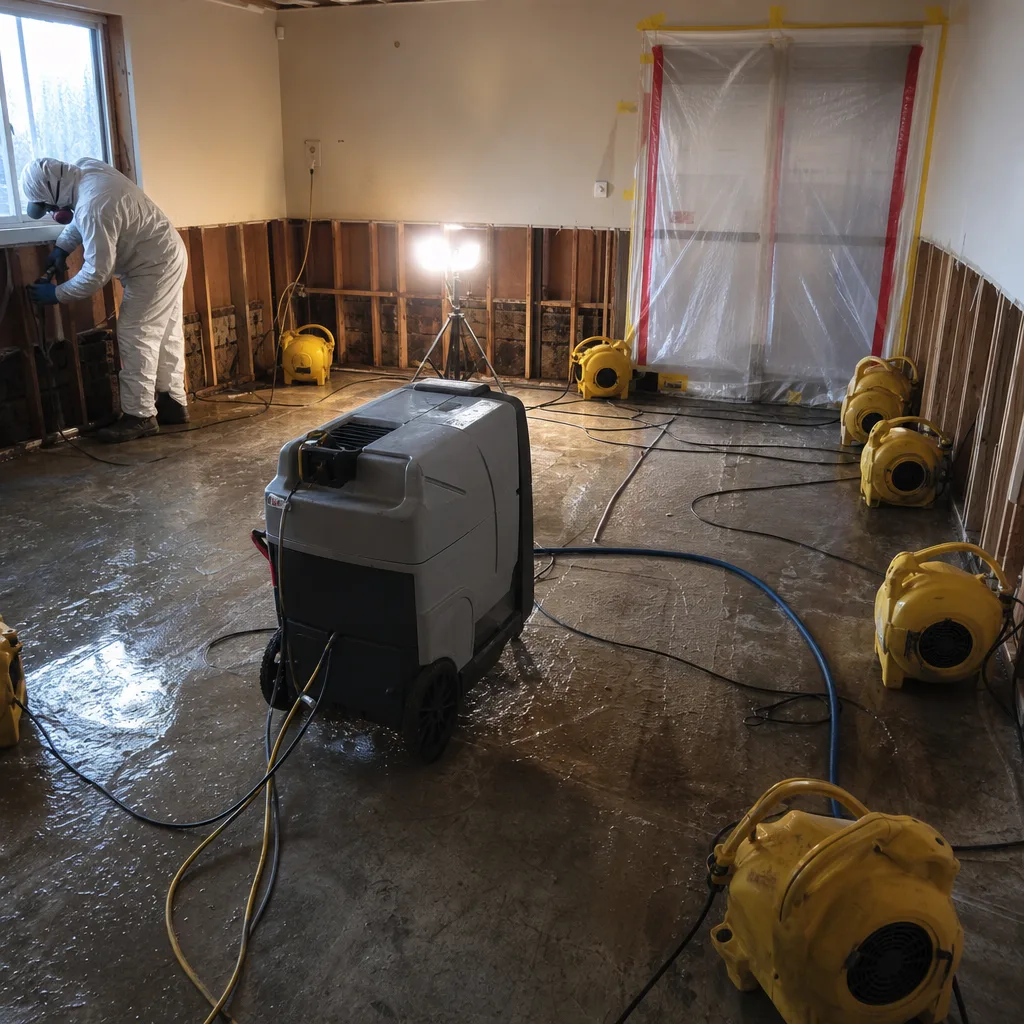
Enter the contractor’s license number at cslb.ca.gov and confirm the status reads “Active,” the license class covers the work proposed (B-General Building or C-61/D-64 for restoration), the $25,000 bond is current, and workers’ compensation insurance is active if the contractor has employees. Check the “Disciplinary Actions” section for any citations. Do this before allowing anyone to enter your property.
A defensible scope must list affected areas by room with square footage, line-item tasks with unit pricing, equipment specifications and placement justification, water contamination category, daily monitoring schedule, and completion criteria with target moisture readings. Without these elements, your insurer can dispute “reasonable and necessary” charges and you have no basis to prevent scope-creep. Call (424) 347-8338 for an exact quote - estimates are free.
Most homeowner policies cover sudden and accidental water damage from burst pipes, appliance failures, and fire suppression discharge. They typically exclude gradual leaks, flood damage (unless you carry separate flood insurance), and damage from known maintenance neglect. The key to coverage is documentation: a written scope before work begins, daily drying logs, and photo records that prove the loss was sudden and the response was appropriate. We coordinate directly with adjusters and provide the documentation package that supports your claim.
For active water losses, legitimate Bellflower contractors can typically deploy emergency extraction within 1-2 hours during business hours and 2-4 hours overnight. Reconstruction and non-emergency remediation are scheduled, not dispatched. Be wary of anyone promising “30-minute response” - this is marketing language, not operational reality, and often signals a storm-chaser operation. Our live dispatch answers 24 hours a day, 7 days a week, and provides realistic arrival windows based on current crew location.
Surface mold on non-porous materials (tile, glass) under 10 square feet can sometimes be addressed with appropriate cleaner and PPE. Mold in wall cavities, on porous materials (drywall, carpet, insulation), or covering more than 10 square feet requires professional containment and remediation per California labor code and IICRC S520 standards. In Bellflower’s slab-construction homes, visible mold often indicates concealed colonization in wall cavities that DIY cleaning cannot reach. Improper disturbance can release spores and worsen contamination.
You retain that authority unless you sign an Assignment of Benefits. A legitimate contractor submits documentation (scope, photos, drying logs, invoice) directly to your adjuster for review, but you approve the scope, approve any changes, and approve final payment. The contractor’s role is to produce evidence; your role is to authorize its use. At DryMark Restoration Bellflower, we coordinate adjuster meetings, provide real-time documentation access, and answer technical questions - but every document requires your signature before submission.
The Bottom Line
Hiring a damage restoration contractor in Bellflower comes down to one principle: control the moment before work begins. Verify the CSLB license, demand a written scope with line-item pricing, eliminate Assignment of Benefits language from every document, compare bids on documentation methodology rather than price alone, and recognize storm-chaser red flags before you sign. The contractor who resists any of these steps is not confident their work will survive independent scrutiny. The one who welcomes them has nothing to hide. For more guides & resources, visit our blog. In our experience since 2011, the homeowners who protect themselves at the first phone call are the ones whose claims get paid without a fight and whose homes stay dry after we leave.
Written by Alicia Brennan, Owner at DryMark Restoration Bellflower, serving Bellflower since 2011.