
Last updated September 23, 2026
Free visual inspection and a written scope of work before any mitigation begins - photos, moisture readings, and drying logs go in your claim file
The scope we write is the scope we bill. Anything new gets shown to you, in writing, before we touch it.
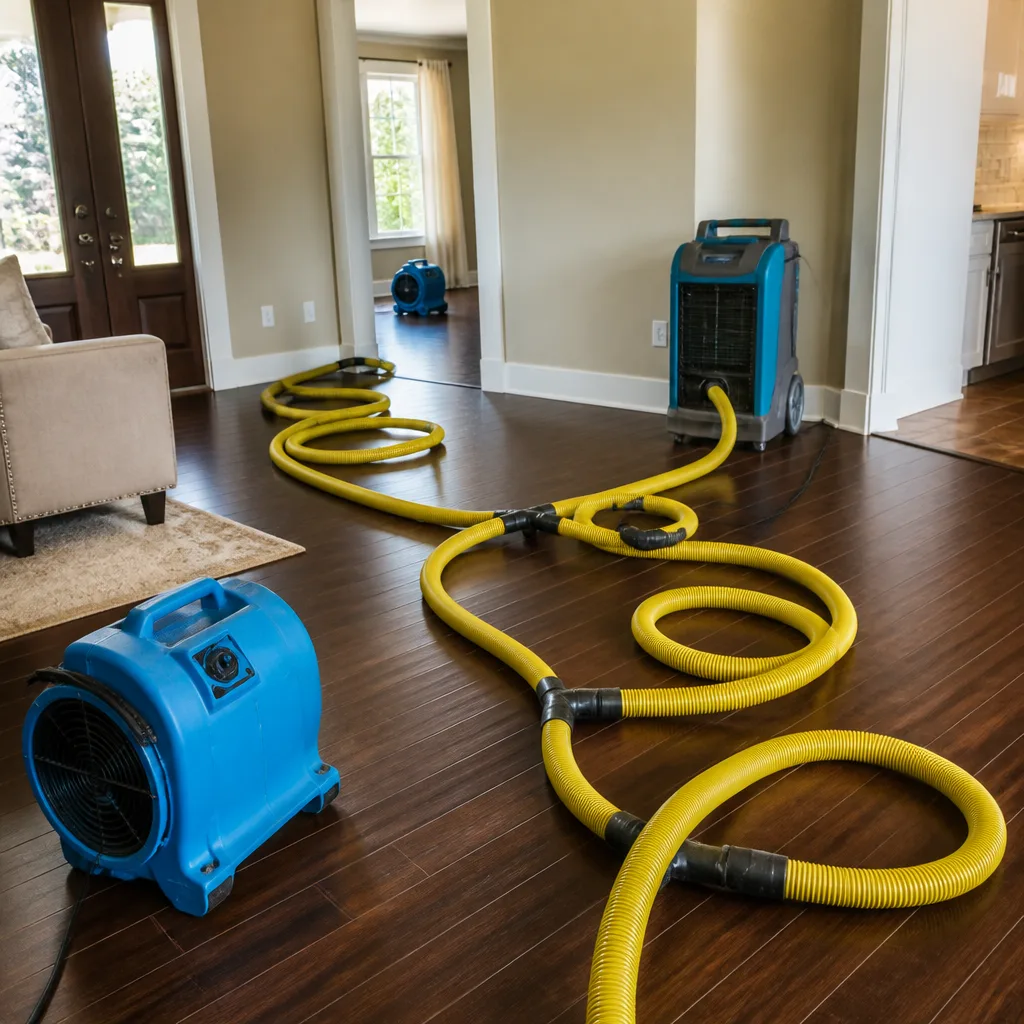

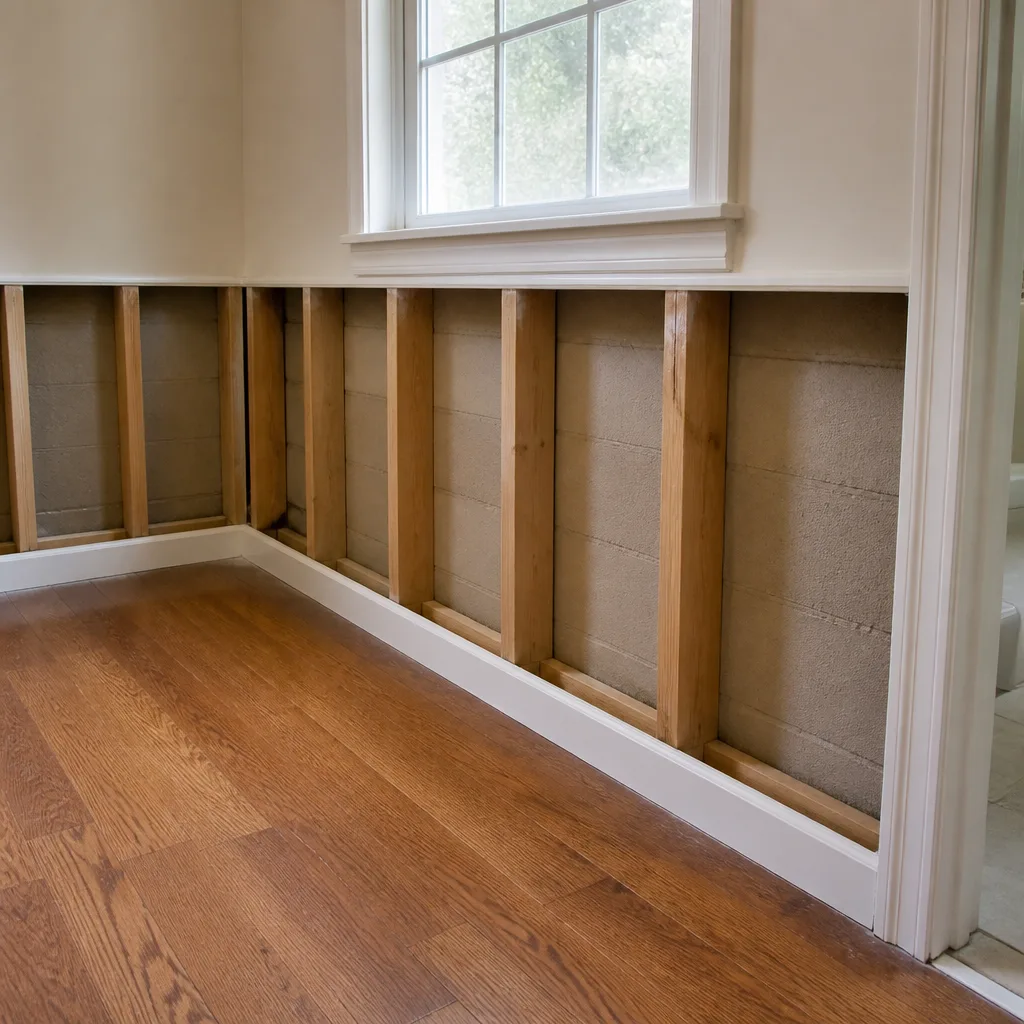

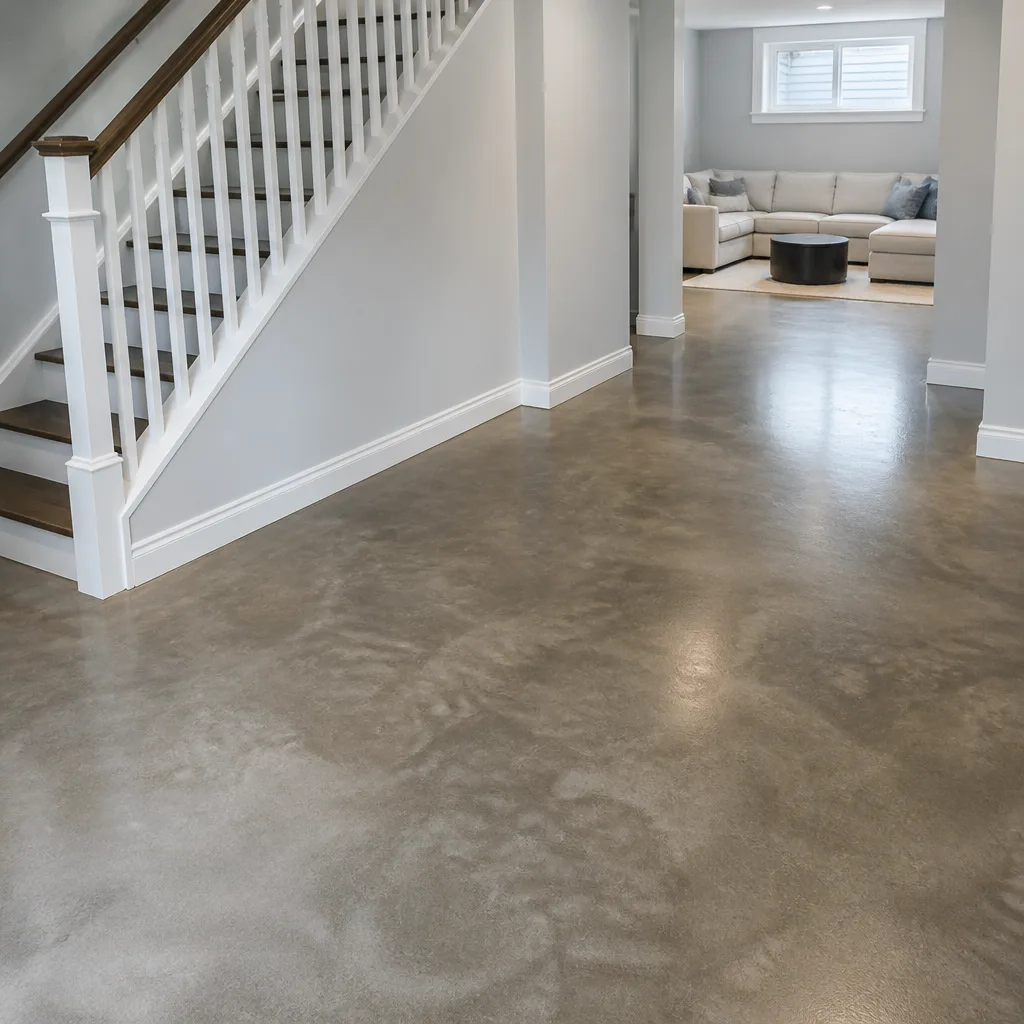

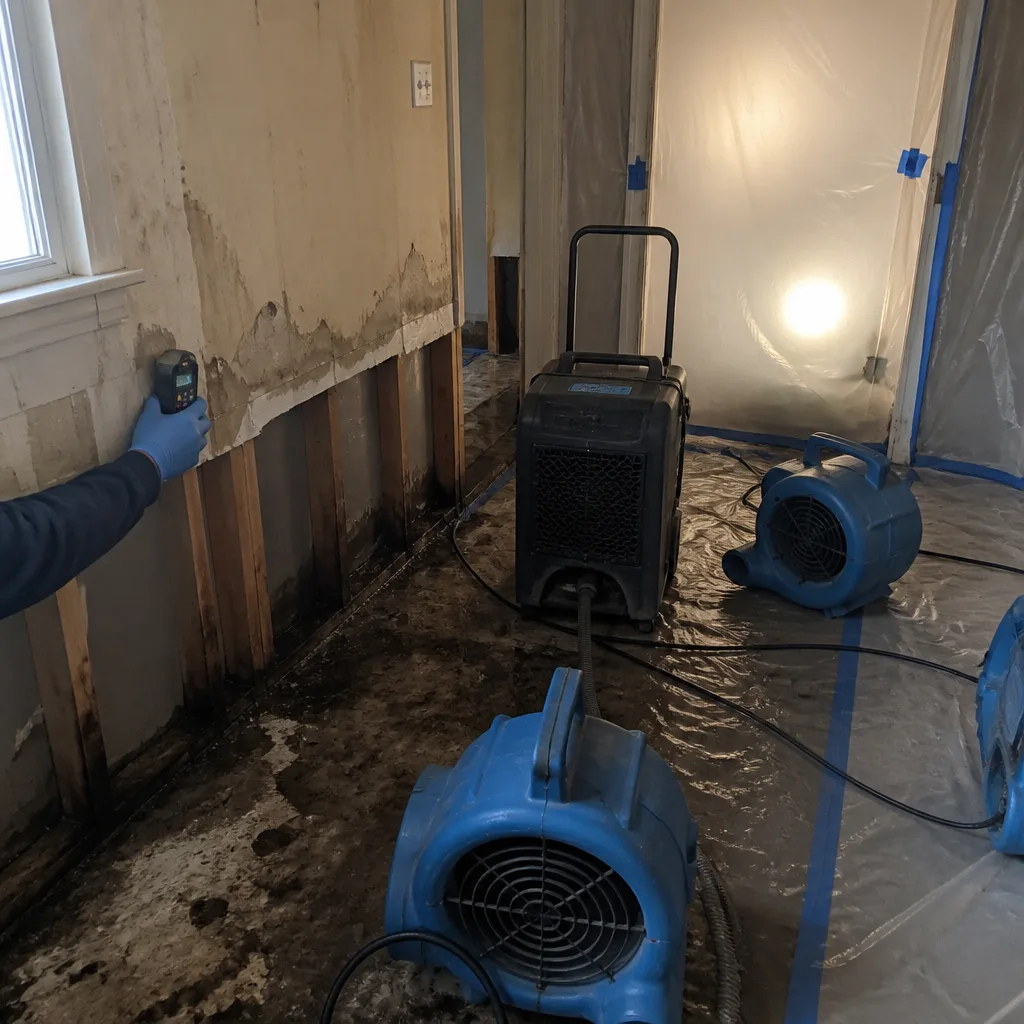 Before
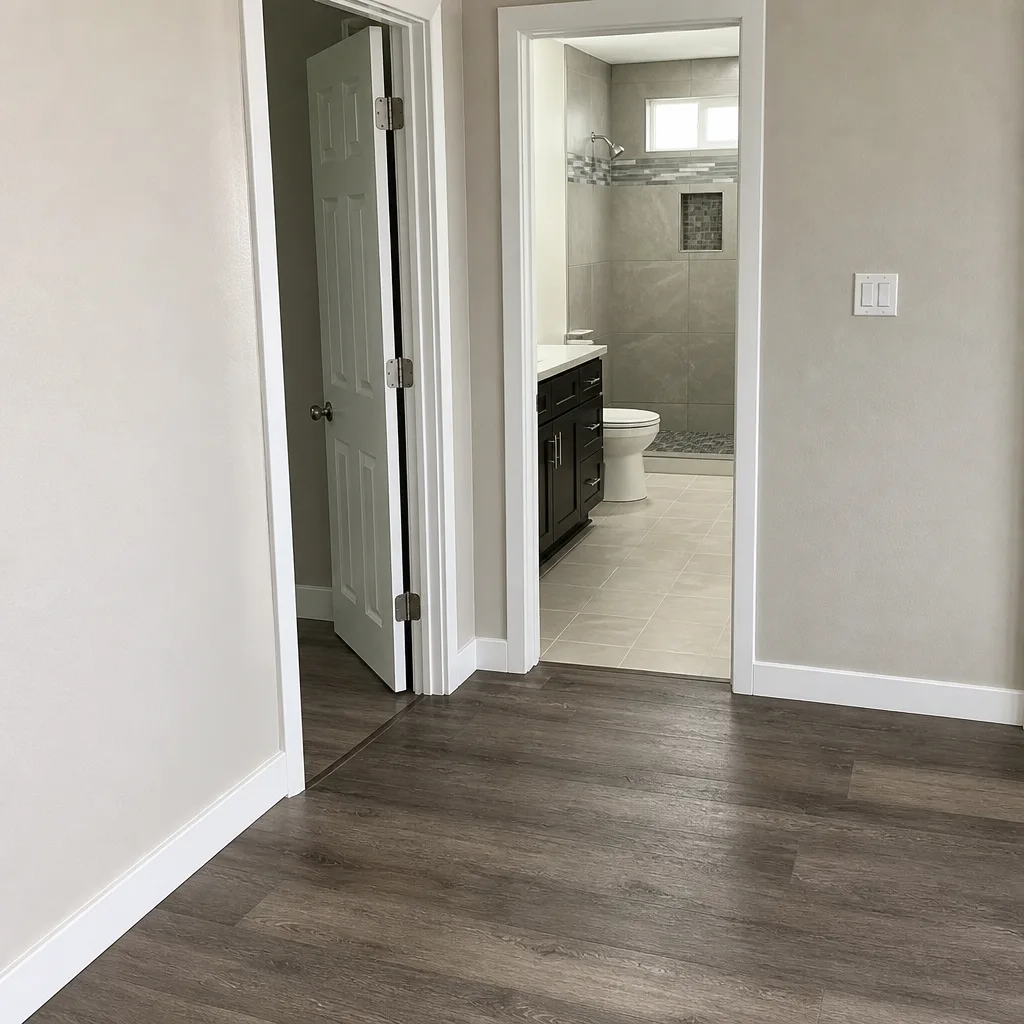 After
After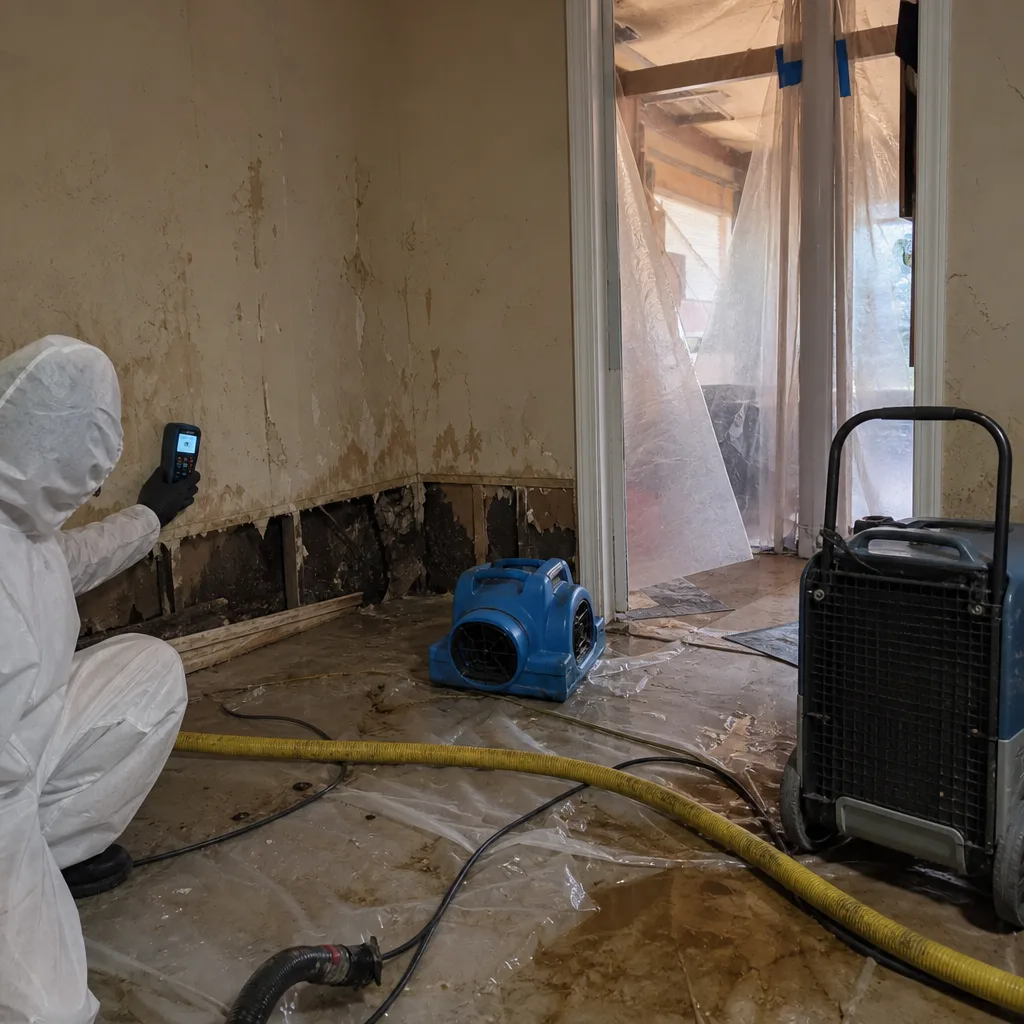 Before
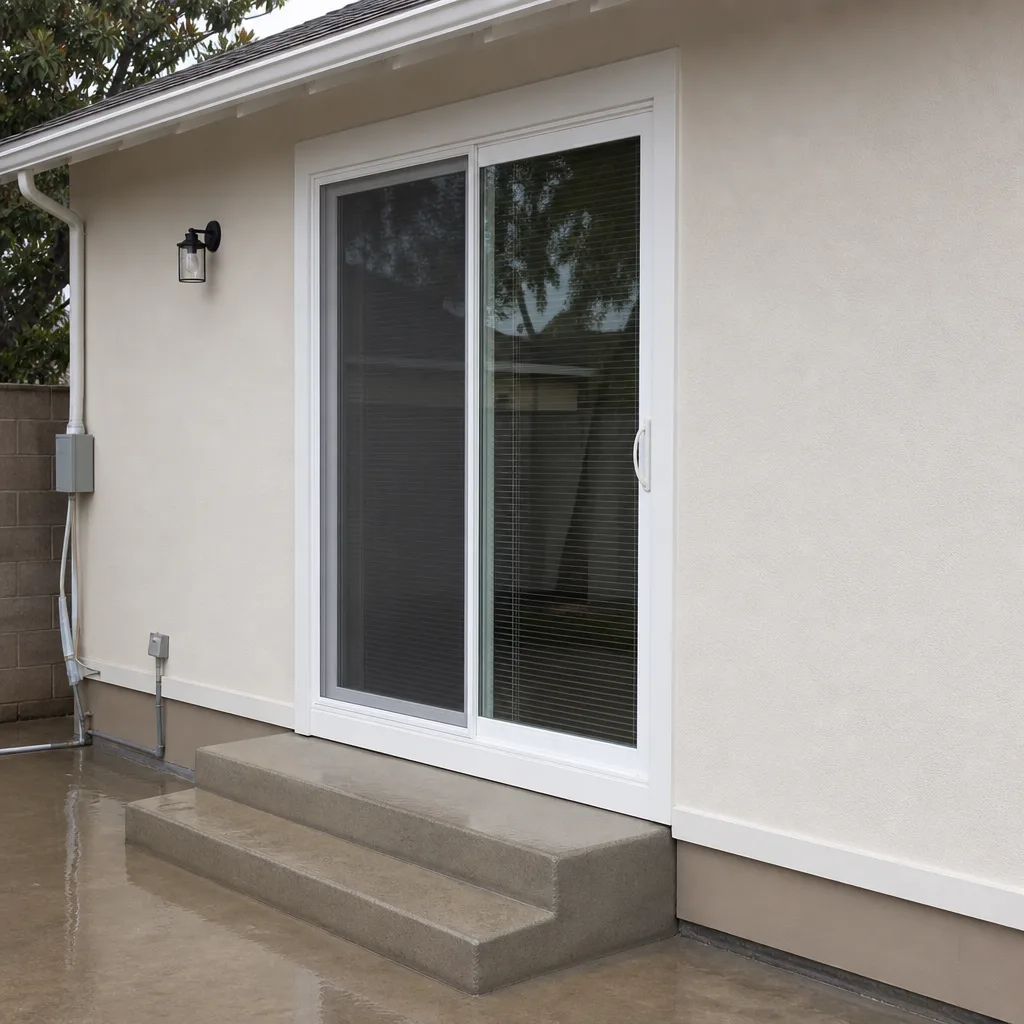 After
After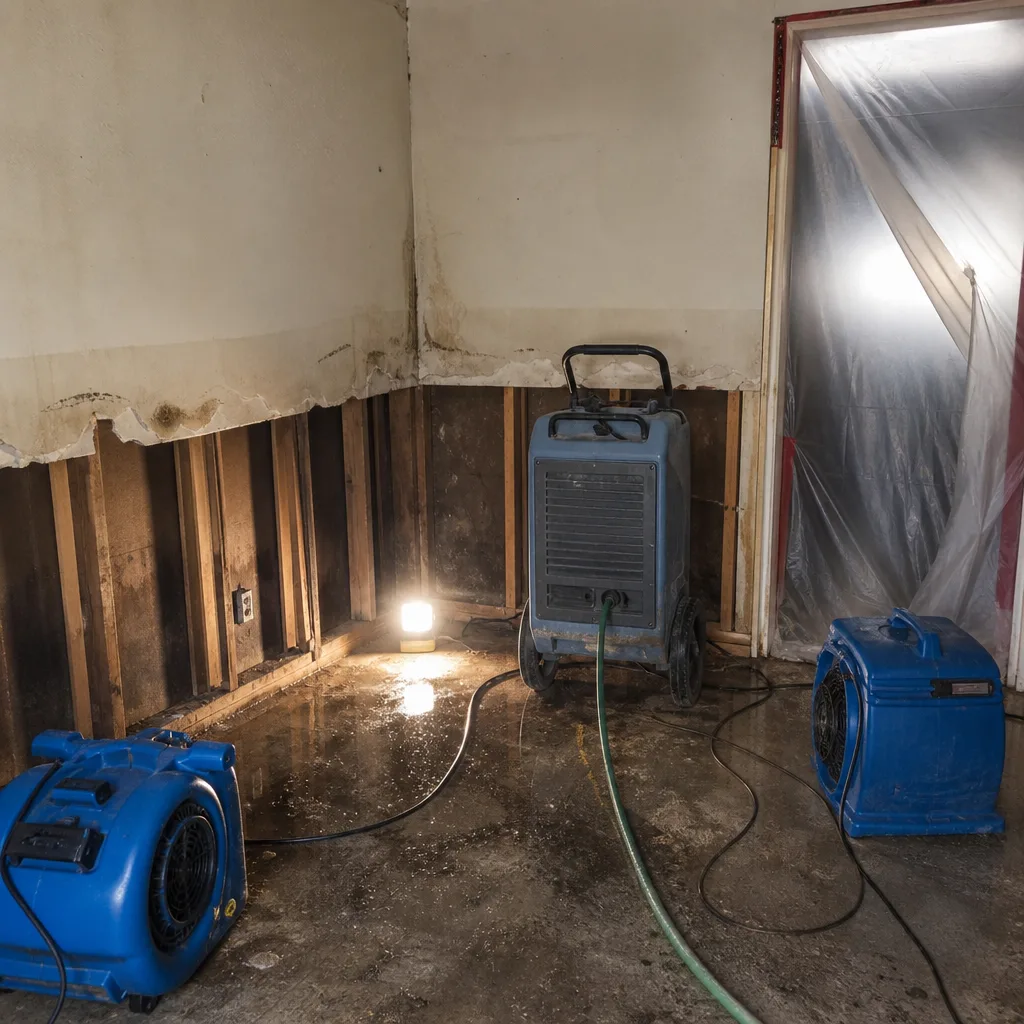 Before
 After
AfterSeasonal Damage Restoration Care for Bellflower: Year-Round Homeowner’s Guide
Bellflower averages fewer than 12 inches of rain per year, but 80% of that rain falls in four months - which means a drainage system that performs fine in September will be stress-tested to failure by January, usually at 2 a.m. We’ve restored over 12,000 homes since 2011, and the pattern is consistent: the homeowners who document their property before the emergency are the ones whose claims close without dispute. This guide gives you the inspection metrics, moisture baselines, and seasonal protocols specific to Bellflower’s climate - not generic national advice repackaged with a city name swapped in. For a deeper dive, see our Complete Guide to Damage Restoration in Bellflower.
Quick Answer
Seasonal damage restoration care in Bellflower means tracking four measurable inspection cycles: post-rain roof and gutter performance checks in winter, interior moisture baseline readings during spring marine layer conditions, AC condensate line flow tests in summer, and pre-season plumbing pressure tests in fall. Homeowners who document these readings create both an early warning system and pre-loss evidence that insurers accept without argument. Our Damage Restoration Cost Breakdown: The Bellflower Homeowner’s Reference for 2026 shows what these cycles can prevent.
Table of Contents
- Winter: Post-Rain Roof and Gutter Inspection Protocol
- Spring: Marine Layer Moisture Baselines
- Summer: AC Condensate Line Failure Prevention
- Fall: Pre-Rain Plumbing Pressure Testing
- Building Your 12-Month Property Moisture Log
- Common Mistakes to Avoid
- When to Call a Professional
- Frequently Asked Questions
 Before
 After
AfterWinter: Post-Rain Roof and Gutter Inspection Protocol
In Bellflower, winter rain arrives between November and February in concentrated bursts. A roof that sheds a 0.25-inch October drizzle without issue can leak catastrophically under a 2-inch January storm. The critical insight: inspect after the first significant rain, not before. Pre-rain inspections only confirm that shingles are present; post-rain inspections reveal where water actually traveled.
We developed this protocol after documenting hundreds of winter water losses in Bellflower neighborhoods from Somerset Ranch to the older tracts near Woodruff Avenue. Here’s what to measure and record:
- Attic moisture mapping: After any rain exceeding 0.5 inches in 24 hours, check attic sheathing with a pinless moisture meter. Document readings at six points: north and south ridges, east and west eaves, and two mid-roof locations. Baseline for dry sheathing in Bellflower’s winter conditions: 8-12% moisture content. Readings above 16% indicate active intrusion. Photograph each reading with location noted.
- Gutter flow timing: During active rain, time how long water takes to exit each downspout from gutter entry to ground discharge. In Bellflower, a 20-foot gutter run with proper slope should clear within 45 seconds of rain cessation. Delays indicate blockage, improper slope, or undersized downspouts - all of which back water onto fascia and into soffits.
- Ground saturation perimeter: Measure standing water within 6 feet of foundation 4 hours after rain stops. In Bellflower’s clay-heavy soils, water that pools longer than 6 hours creates hydrostatic pressure that drives moisture through slab joints and stem walls. Document with photos and depth measurements.
- Interior ceiling scan: Use an infrared thermometer or thermal camera to check ceiling temperatures in rooms below roof valleys and penetrations. A temperature differential of more than 5°F from surrounding drywall indicates moisture accumulation behind the surface. Mark locations on a floor plan for year-over-year comparison.
The documentation matters. When a Bellflower homeowner called us last January with a ceiling stain in their Somerset Ranch home, they had moisture readings from the previous March showing 9% sheathing content. Our post-loss reading showed 23%. The insurer paid the full scope without dispute because the pre-loss baseline established that the damage was sudden and accidental, not long-term maintenance neglect.
Equipment for this protocol: a pinless moisture meter (Delmhorst or equivalent), infrared thermometer, smartphone with timestamped photo capability, and a simple floor plan sketch. Total cost under $150. The alternative is a disputed claim and a $4,000-$12,000 out-of-pocket restoration.
Water Damage Restoration in Bellflower covers the full documentation protocol when winter inspections miss the intrusion.
Spring: Marine Layer Moisture Baselines
March through May in Bellflower brings the marine layer - low clouds and fog that roll inland from Long Beach, often persisting until mid-morning and keeping relative humidity elevated for days. This isn’t rain damage; it’s vapor pressure damage. And it’s invisible until it’s structural.
We’ve measured spring conditions in Bellflower homes for over a decade. The pattern: exterior relative humidity of 75-85% for 6-10 consecutive days creates interior humidity spikes in homes without active dehumidification. Older homes with original single-pane windows or minimal insulation see the most dramatic effects, particularly in the 1950s-1970s housing stock that dominates Bellflower’s established neighborhoods.
Here’s what normal looks like versus what warrants documentation:
- Normal spring interior conditions: Relative humidity 45-55%, no condensation on windows after 10 a.m., no musty odor, moisture meter readings on exposed framing in garage or attic: 10-14%.
- Elevated conditions requiring action: Relative humidity sustained above 60% for 48+ hours, condensation persisting past noon on north-facing windows, musty odor in closets or crawl spaces, moisture meter readings above 16% on any wood surface.
The critical metric is the vapor pressure differential - the difference between moisture content inside your home and outside. When exterior vapor pressure exceeds interior vapor pressure for extended periods, moisture migrates through walls and slab perimeters. In Bellflower’s spring conditions, this differential often favors inward migration for 72-hour stretches.
We recommend Bellflower homeowners establish a spring monitoring routine:
- Place a hygrometer in each major zone: living area, master bedroom, garage, attic access, and any crawl space. Log readings at 8 a.m. and 8 p.m. during marine layer events.
- Check window condensation timing. Note when it forms and when it clears. Persistent condensation past 11 a.m. indicates inadequate air exchange or insulation failure.
- Inspect closet corners and behind furniture on exterior walls with a moisture meter monthly. These are the first locations where vapor accumulation becomes measurable.
- Run bathroom and kitchen exhaust fans for 30 minutes after any steam-producing activity during marine layer periods. The exterior vapor load is already high; interior sources compound it.
Last spring, a homeowner in the Bellflower Estates area contacted us after noticing a musty odor in their guest closet. Our readings showed 19% moisture content in the drywall behind a dresser placed against an exterior north wall. The marine layer had created a microclimate with no air circulation. We dried the cavity with a Phoenix 200 HT dehumidifier and Injectidry floor drying system, documented the readings, and the homeowner’s insurer covered the work because we could prove the source was weather-driven vapor intrusion, not plumbing failure or maintenance neglect.
Mold Remediation in Bellflower addresses what happens when spring moisture baselines are missed until microbial growth is visible.
Summer: AC Condensate Line Failure Prevention
June through September in Bellflower brings the region’s most predictable water loss source, and it’s not storms. It’s the air conditioner condensate line. We’ve documented more summer water losses from AC condensate backup than from all other sources combined in Bellflower’s dry season.
The mechanism is simple: your AC evaporator coil produces 5-20 gallons of condensate daily during peak cooling load. This water exits through a 3/4-inch PVC line, often routed through an attic or ceiling plenum, to an exterior drain or condensate pump. When that line clogs with algae, dust, or biofilm, water backs up into the emergency pan. If the pan is cracked, improperly sloped, or missing a float switch, water overflows into ceilings, walls, and insulation.
In Bellflower’s summer conditions - days consistently above 85°F with AC running 12-16 hours - a clogged line can produce catastrophic damage in 4-6 hours. We’ve opened ceilings in Bellflower’s newer developments near the 91 freeway and in older homes near Bellflower Boulevard with identical damage patterns: saturated drywall, collapsed insulation, and moisture migration into adjacent wall cavities.
The inspection protocol:
- Primary line flow test: Pour 1 gallon of water slowly into the condensate pan while the AC is running. Water should exit the exterior drain within 60 seconds with steady, uninterrupted flow. Any gurgling, backup, or slow drainage indicates partial blockage.
- Emergency pan integrity check: Fill the emergency pan with 2 quarts of water. It should hold without leaking and drain completely through its own outlet within 90 seconds. Rusted galvanized pans - common in Bellflower’s 1960s-1980s housing - often fail this test.
- Float switch verification: If your system has a float switch in the emergency pan, test it by lifting the float manually while the AC is running. The system should shut down immediately. No shutdown means no protection.
- Flow rate benchmark: During peak cooling hours (2-5 p.m.), measure condensate output at the exterior drain. A 3-ton system in Bellflower’s summer conditions should produce 2-4 gallons per hour. Significantly less suggests the line is backing up; significantly more suggests the system is oversized or struggling with humidity load.
We recommend Bellflower homeowners schedule this inspection in May, before the first sustained heat wave. The cost of prevention: $0 if DIY, or $150-$250 for an HVAC technician. The average cost of a condensate line failure we restore in Bellflower: $3,800-$7,200, depending on ceiling height, insulation type, and whether the water reaches finished flooring below.
One detail competitors miss: Bellflower’s municipal water is moderately hard, and calcium deposits in condensate lines accelerate blockage in homes with whole-house humidifiers or swamp coolers converted to refrigerated air. If your home has either history, inspect quarterly, not annually.
Fall: Pre-Rain Plumbing Pressure Testing
October and November are Bellflower’s narrow window to verify plumbing integrity before winter rain and holiday occupancy stress the system. This is non-optional for homes built 1950-1979, which comprise the majority of Bellflower’s housing stock.
The risk profile in these older homes: galvanized supply lines with interior corrosion reducing flow diameter, original cast iron drain lines with scale buildup and joint deterioration, and copper lines with pinhole corrosion from aggressive water chemistry. We’ve opened walls in Bellflower homes where a 1/2-inch galvanized line had corroded to a 3/16-inch passage - not enough flow for a modern dishwasher, but enough pressure to burst the weakened section when a washing machine valve closed abruptly.
The pre-rain pressure test protocol:
- Static pressure test: Attach a pressure gauge to an exterior hose bib or laundry faucet. Record pressure with no water running. Normal municipal pressure in Bellflower: 45-65 psi. Readings above 80 psi require a pressure reducing valve; readings below 40 psi suggest supply line restriction or leakage.
- Dynamic pressure test: With the gauge installed, run the bathtub and kitchen faucet simultaneously. Pressure should not drop more than 10 psi below static. A 15+ psi drop indicates supply line corrosion, undersized piping, or a hidden leak.
- Drain line flow test: Fill all tubs and sinks simultaneously, then release. Drains should clear within 2 minutes without gurgling or backup into other fixtures. Slow drainage or fixture-to-fixture backup indicates vent blockage or line restriction.
- Water meter leak detection: Turn off all water fixtures and check the meter. If the flow indicator moves, you have a leak. In Bellflower’s older homes, slab leaks from corroded copper are common; the average undetected duration before we get called is 3-6 weeks.
Document all readings with date, time, and photo. A pressure reading of 58 psi static and 52 psi dynamic in October 2024 becomes evidence if a line fails in January 2025. Without it, the insurer may classify the damage as gradual deterioration rather than sudden failure.
We pressure-tested a home near Clark Avenue last October. Static pressure was 72 psi - above ideal. We recommended a pressure reducing valve; the homeowner deferred. In December, a washing machine solenoid closed against that pressure and a corroded galvanized tee failed. The damage extended through two walls and into the garage. The insurer paid, but only after we provided the October reading to establish that the line was functional at that time and the failure was sudden.
Sewage Cleanup in Bellflower addresses the consequences when aging drain lines fail under holiday occupancy load.
Building Your 12-Month Property Moisture Log
The four seasonal protocols above produce data. The moisture log organizes that data into a tool with two functions: early warning system and insurance pre-loss documentation. We’ve used these logs in claims disputes to establish pre-loss condition, and we’ve seen homeowners catch developing problems months before they would have become visible damage.
Here’s the structure we recommend for Bellflower homes:
| Location | Baseline Reading | Season Checked | Date | Notes |
|---|---|---|---|---|
| Attic sheathing, north ridge | 10% | Winter (post-rain) | 1/15/2024 | Dry, no staining |
| Attic sheathing, south ridge | 11% | Winter (post-rain) | 1/15/2024 | Dry, no staining |
| Master bedroom, north wall | 12% | Spring | 4/3/2024 | Normal marine layer |
| Garage, exposed framing | 13% | Spring | 4/3/2024 | Slight musty odor - monitor |
| AC condensate pan | Pass (1 gal/45 sec) | Summer | 5/20/2024 | Clear flow, float switch functional |
| Static water pressure | 58 psi | Fall | 10/12/2024 | Dynamic 51 psi - acceptable |
Store this log with your insurance policy, not in a cloud account you might lose access to during an emergency. A physical binder in your fire safe, plus a photo backup, is the standard we recommend.
The documentation standard matters because of how insurers evaluate claims. A moisture log with dated photos and meter readings transforms a “he said, she said” dispute into a documented timeline. When we arrive at a Bellflower water loss, the first thing we request is any pre-loss documentation the homeowner has. The homes with logs get faster claim resolution and fewer coverage disputes.
We document every job we perform to IICRC, RIA, and IFA standards using professional-grade drying systems from Phoenix, XPOWER, and Injectidry. The daily drying logs we produce mirror the format above - location, reading, date, condition - because that’s what adjusters are trained to read. A homeowner who maintains their own log speaks the same language.
DryMark Restoration Bellflower home has additional resources on documentation standards and the restoration process.
Common Mistakes to Avoid
- Inspecting the roof before the first rain instead of after. A dry inspection confirms shingles exist; a wet inspection reveals where water actually goes. We’ve restored dozens of Bellflower homes where the homeowner checked the roof in October and still had a January leak.
- Ignoring the marine layer because “it doesn’t rain.” Bellflower’s spring humidity isn’t dramatic, but it’s persistent. The vapor pressure differential over 72 hours drives more moisture into walls than a single rain event.
- Assuming a newer AC system won’t have condensate issues. Line clogs are installation and maintenance dependent, not age dependent. We’ve found completely blocked lines in 2-year-old systems with no filter changes.
- Skipping the fall pressure test in homes with visible copper or PEX replacement. Partial repipes leave original galvanized or cast iron in walls and slabs. The failure point is often the transition joint, not the visible new material.
- Storing moisture logs only on a phone or in email. After a major water loss, you may not have device access. Physical copies in a fire safe are recoverable when digital isn’t.
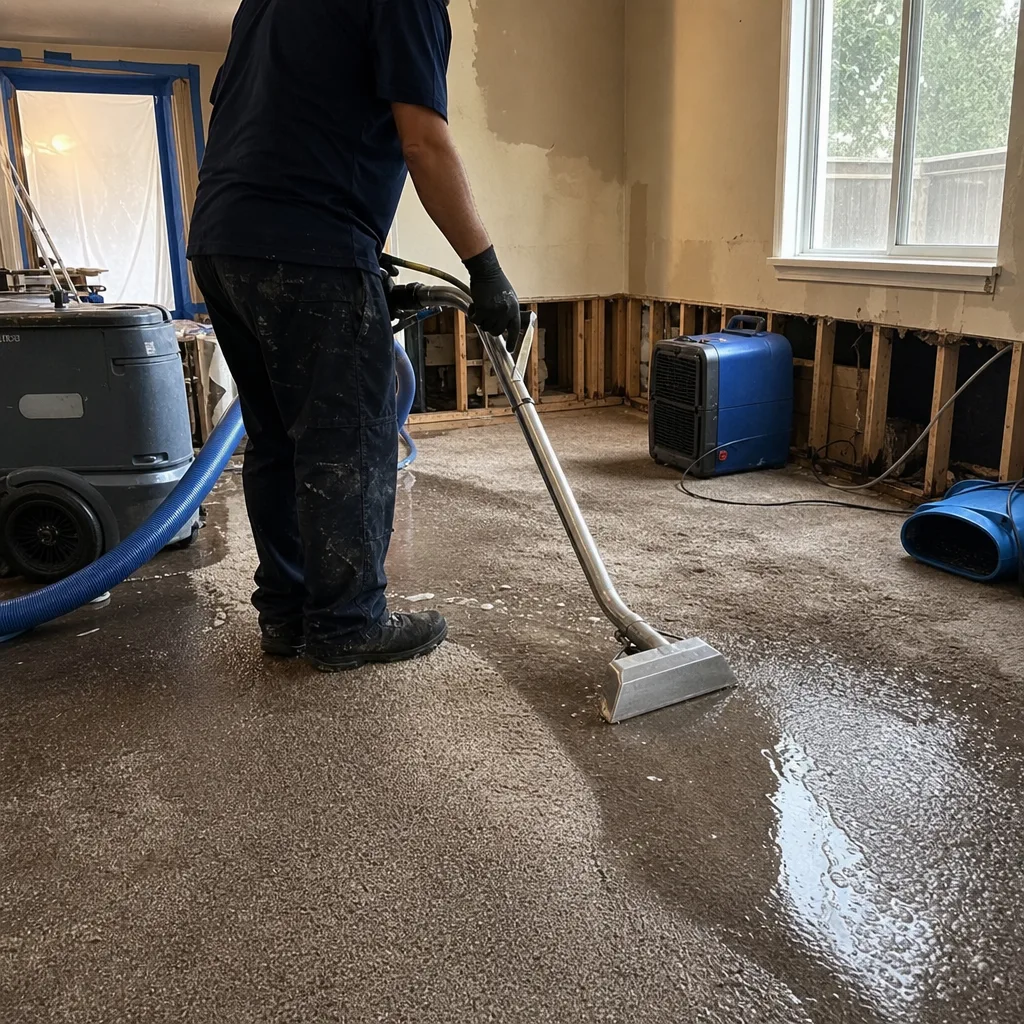
- Calling for restoration without documenting first. If it’s safe to do so, photograph standing water, damaged materials, and moisture meter readings before any mitigation begins. The first hours determine whether your claim is straightforward or disputed.
- Accepting verbal estimates for emergency work. Haven Standard, Clause 1 requires a written price before work begins. Any restoration company that won’t put scope and price in writing before starting is creating the documentation gap that costs homeowners their claims.
When to Call a Professional
Some conditions exceed homeowner capability and require documented professional response. Call for immediate assessment if you find: moisture meter readings above 20% on any structural material, water actively flowing from an unidentified source, sewage or gray water contamination, electrical outlets or panels in contact with water, or mold growth covering more than 10 square feet.
In Bellflower, we’re available 24 hours a day, 7 days a week with a live person on every call - no voicemail trees, no next-business-day callbacks while water is still moving. Every job is quoted in writing before work begins, documented with a photo record on every visit, and covered by our 365-Day Done Right Promise under The Haven Standard.
DryMark Restoration Bellflower offers free estimates in Bellflower - call (424) 347-8338. We also provide a Free Second Opinion on any competitor’s written estimate at no charge.
Frequently Asked Questions
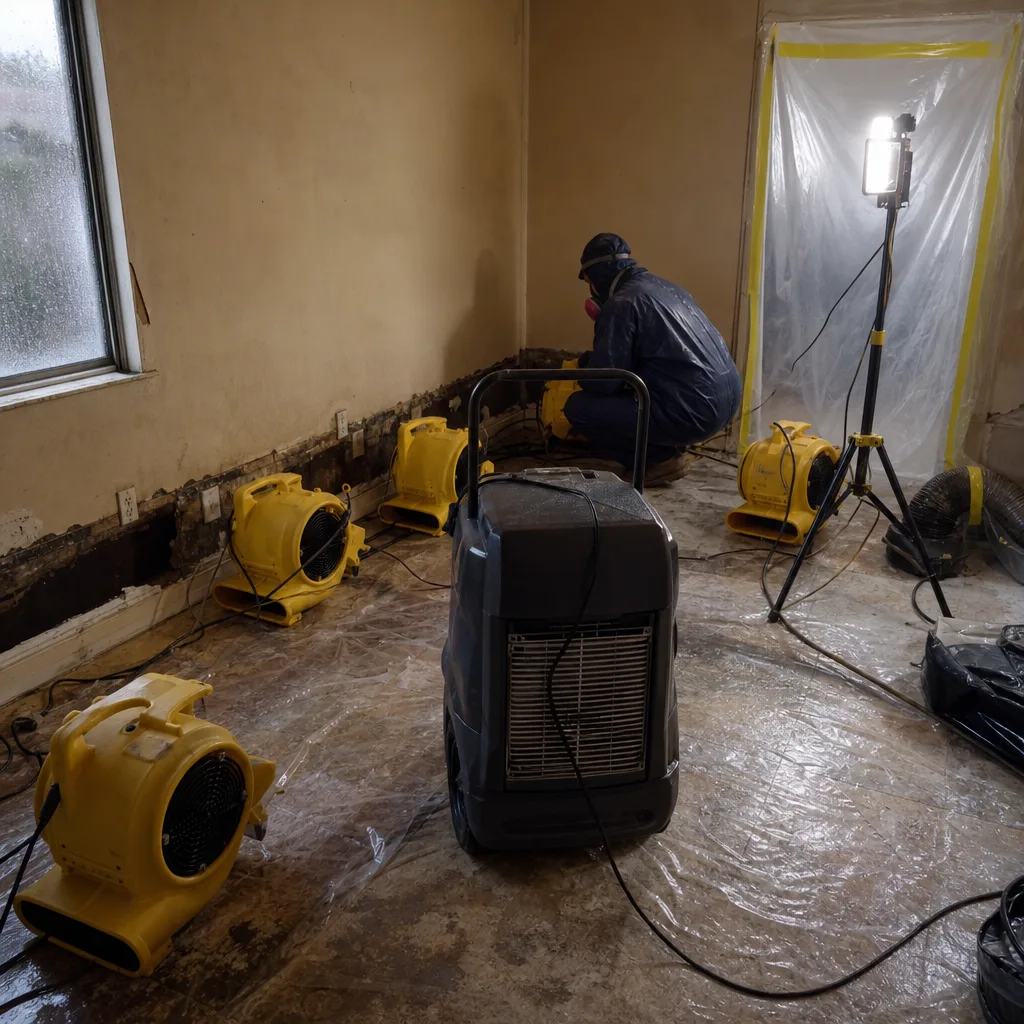
Documented seasonal prevention costs $200-$500 annually in equipment and minor maintenance, while the average water damage restoration we perform in Bellflower ranges from $3,200 for contained clean water losses to $18,000+ for Category 3 sewage contamination with structural drying. Prevention documentation also reduces claim dispute rates by establishing pre-loss condition. Call (424) 347-8338 for an exact assessment of your property’s risk profile - estimates are free.
Insurers typically deny claims for damage resulting from long-term maintenance neglect, but they cover sudden and accidental losses. A moisture log with dated readings proves the damage was sudden - a pipe that read normal in October and failed in January - rather than gradual deterioration. Without documentation, the burden of proof shifts to the homeowner. Call (424) 347-8338 to discuss how our documentation protocols support claim acceptance.
Our live dispatch operates 24 hours a day, 7 days a week with no voicemail on emergency lines. Response time to Bellflower addresses typically ranges from 35-55 minutes depending on traffic and current call volume. A written scope and price are delivered before any work begins, per Haven Standard, Clause 1. For immediate dispatch, call (424) 347-8338.
Remediation versus cleaning depends on three factors: the affected square footage, the material type (porous versus non-porous), and the moisture source. Surface mold on hard materials under 10 square feet with a resolved moisture source may be cleanable. Mold on porous materials, any growth exceeding 10 square feet, or mold with an ongoing moisture source requires professional remediation with containment and air filtration. We provide written scopes for either scenario before work begins. Call (424) 347-8338 for assessment.
We coordinate directly with adjusters as part of our standard service, not as an upsell. Every visit produces a photo record, moisture log, and written scope in the format adjusters expect. Our documentation is built around the same standards - IICRC, RIA, IFA - that adjusters use to evaluate claims. This direct coordination reduces back-and-forth and accelerates claim resolution. Call (424) 347-8338 to discuss documentation protocols for your policy.
Undetected slab leaks in older homes with original galvanized or copper lines cause the highest preventable losses we encounter. A leak running 4-6 weeks before discovery saturates foundation perimeters, buckles flooring, and requires extensive structural drying plus reconstruction. The fall pressure test protocol catches these before they fail catastrophically. Average preventable loss: $12,000-$28,000. Average pressure test cost: $0-$250. Call (424) 347-8338 to schedule fall testing before the rainy season.
The Bottom Line
Bellflower’s climate produces predictable, season-specific damage patterns that reward measurement and documentation. Post-rain roof inspections in winter, moisture baseline tracking in spring, AC condensate testing in summer, and plumbing pressure tests in fall create a year-round early warning system. The homeowners who maintain these logs don’t just prevent damage - they prevent claim disputes. Every reading you document is evidence that protects your coverage. The protocols above cost less than a single service call and take less time than a weekend project. Explore more guides & resources to protect your home year-round. The alternative is discovering a problem at 2 a.m. in January with no record of what normal looked like.
Written by Alicia Brennan, Owner at DryMark Restoration Bellflower, serving Bellflower since 2011.