
Last updated September 23, 2026
Free visual inspection and a written scope of work before any mitigation begins - photos, moisture readings, and drying logs go in your claim file
The scope we write is the scope we bill. Anything new gets shown to you, in writing, before we touch it.
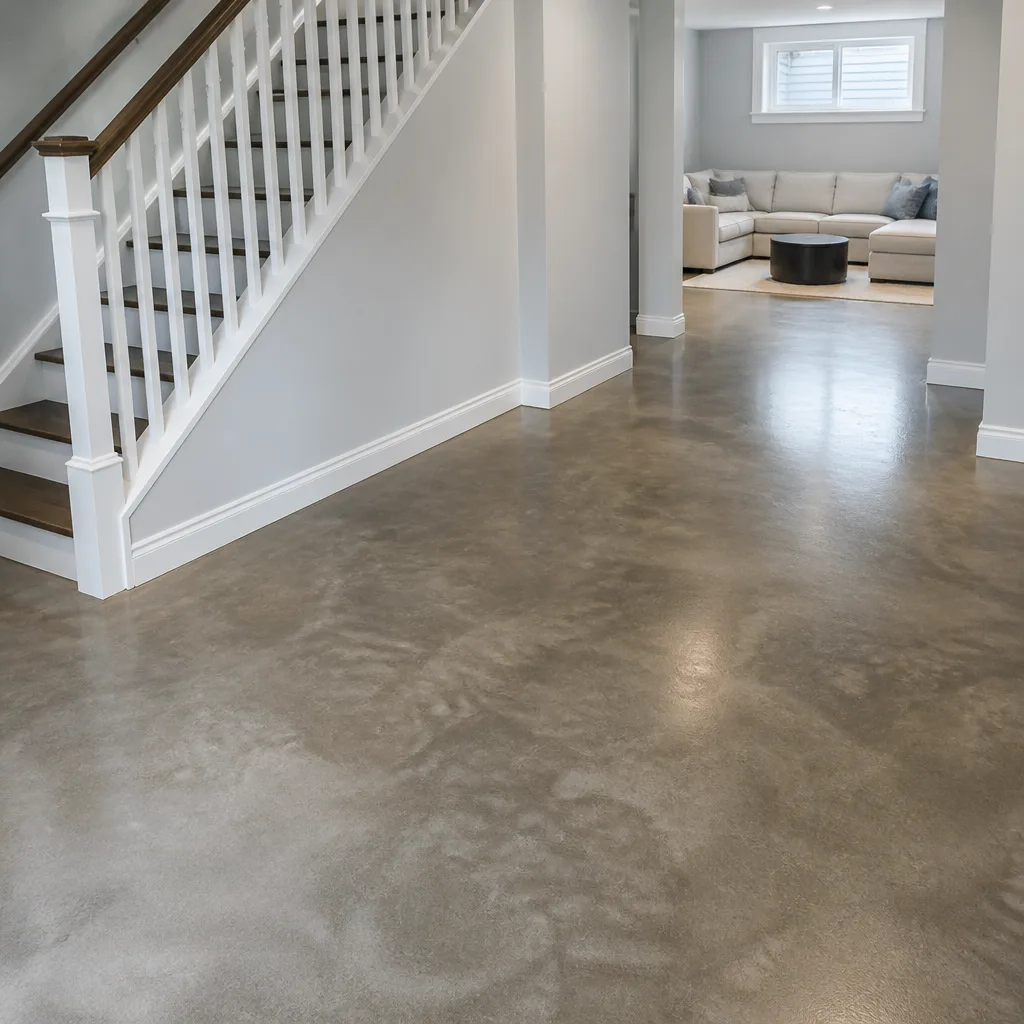

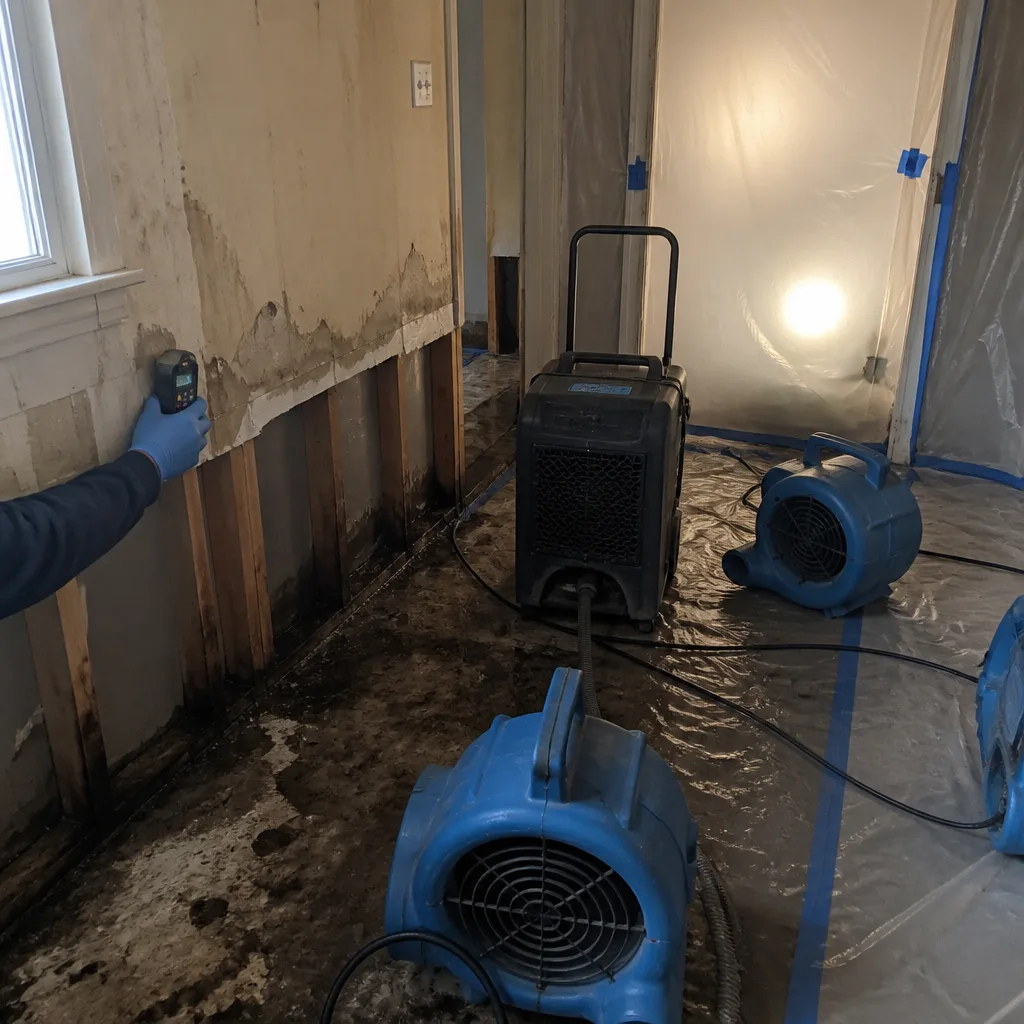 Before
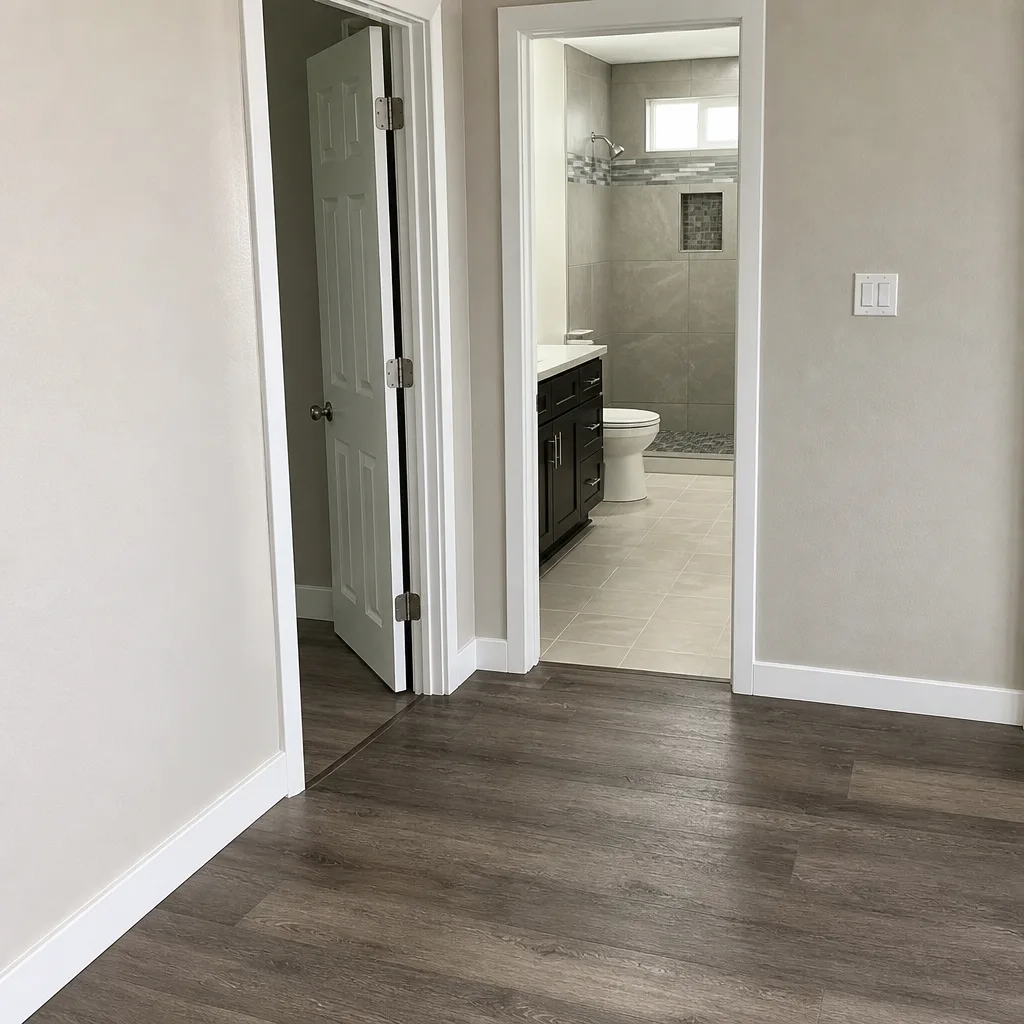 After
After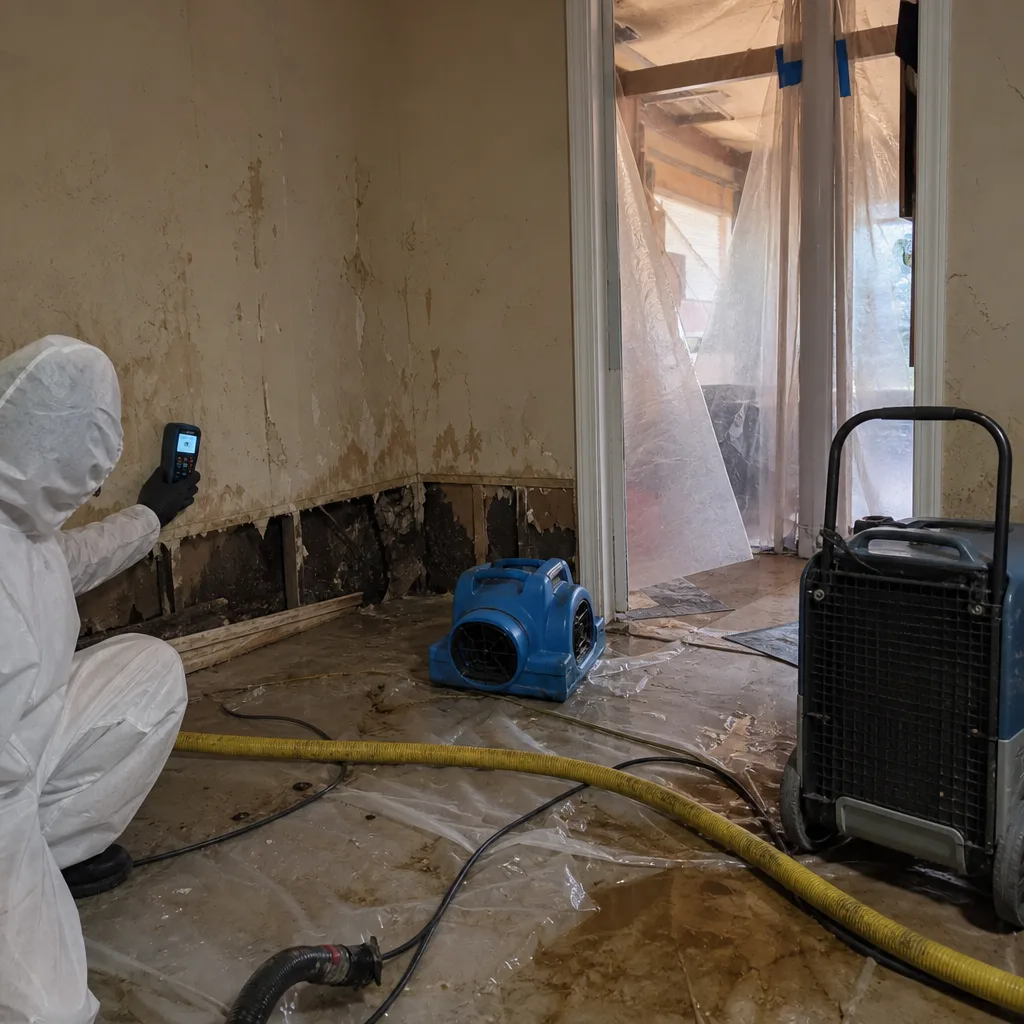 Before
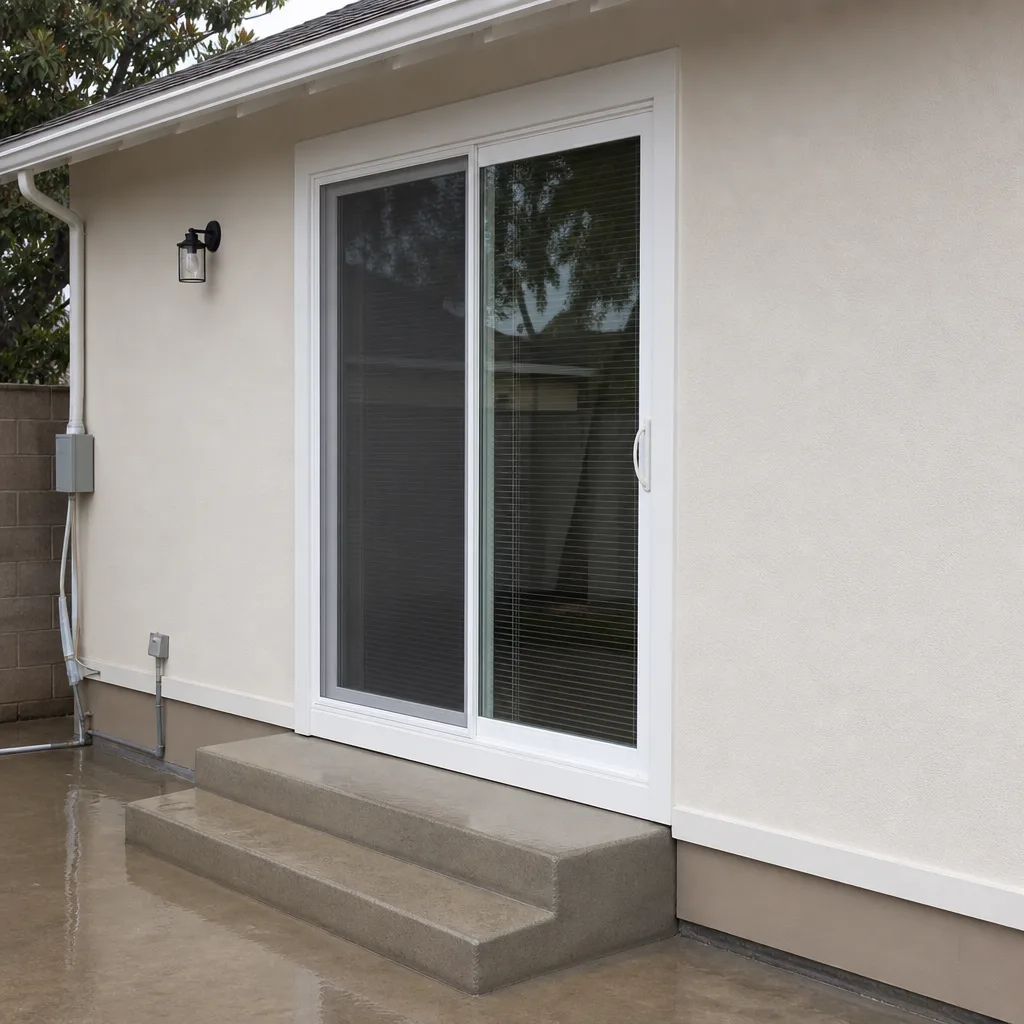 After
After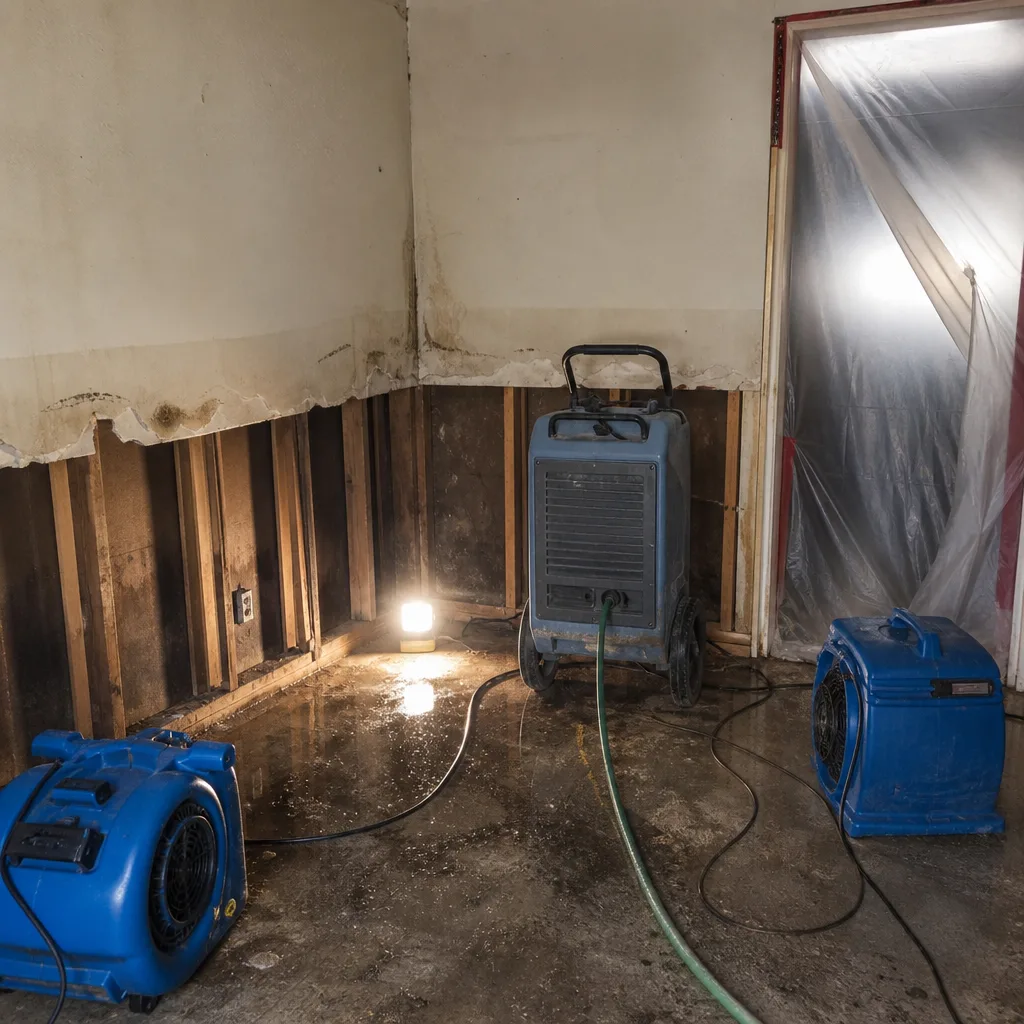 Before
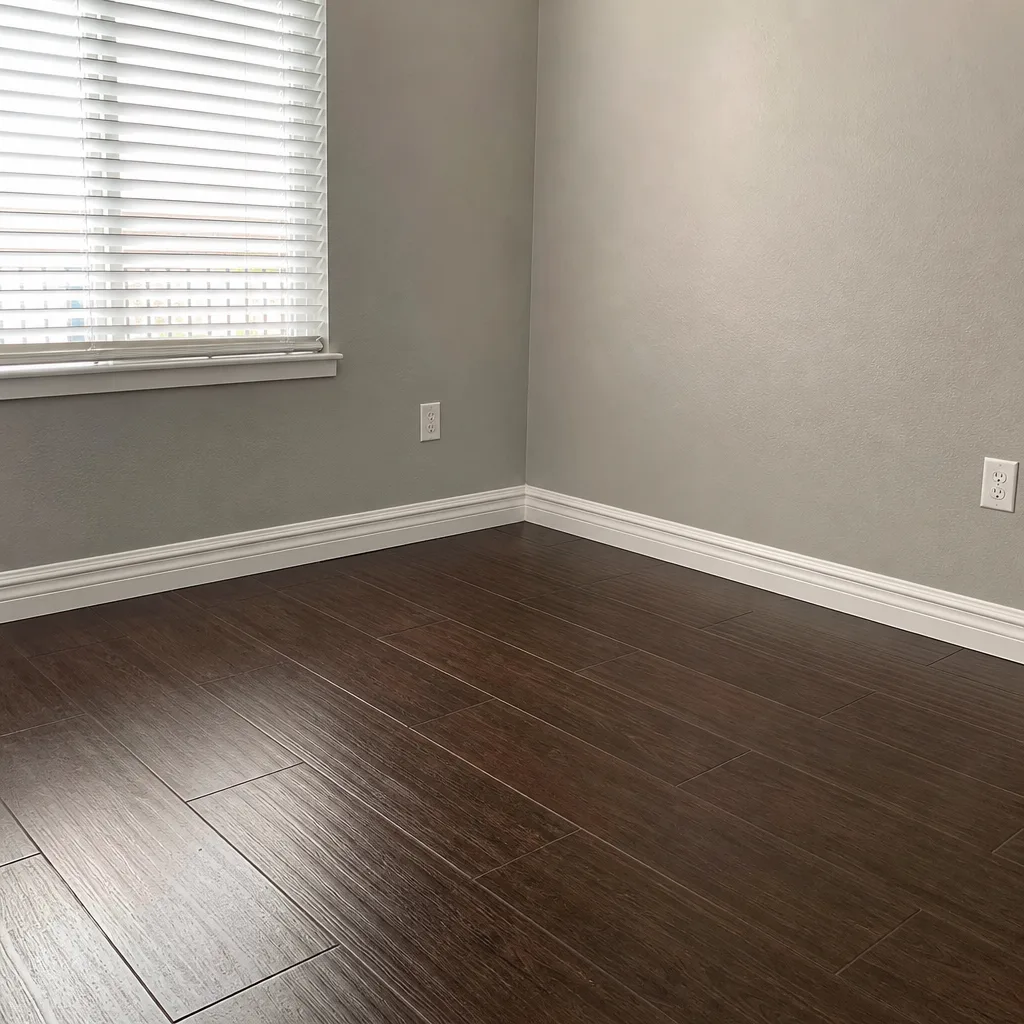 After
AfterDIY vs Professional Damage Restoration: The Bellflower Homeowner’s Decision Guide
A homeowner in Bellflower rents a consumer dehumidifier from the hardware store on Artesia Boulevard, dries a water-damaged bedroom in 72 hours, and calls it handled. The carpet feels dry. The drywall looks fine. What they’ve actually done is eliminate the drying log, the daily moisture readings, the equipment-placement record, and the psychrometric data that an insurance adjuster needs to validate the claim. Six months later, mold appears behind the baseboards, and the insurer denies secondary damage because no professional documentation exists to prove the initial mitigation met IICRC standards. In this guide, we’ll show you exactly where the DIY line sits for Bellflower properties, which damage categories legally require licensed contractors under California law, and how to self-document if you choose to handle early response yourself. For related reading, see our step-by-step guide on hiring a damage restoration contractor in Bellflower.
Quick Answer
DIY damage restoration in Bellflower makes financial and legal sense only for small, Category 1 water losses under 10 affected square feet where you can self-generate a written record of every action taken. For Category 2 or 3 water events, fire and smoke damage, mold contamination exceeding 10 square feet, sewage backup, or any damage involving structural materials, California contractor licensing law and health codes require professional mitigation - and your insurance claim depends on the documentation only a licensed restoration contractor can produce.
Table of Contents
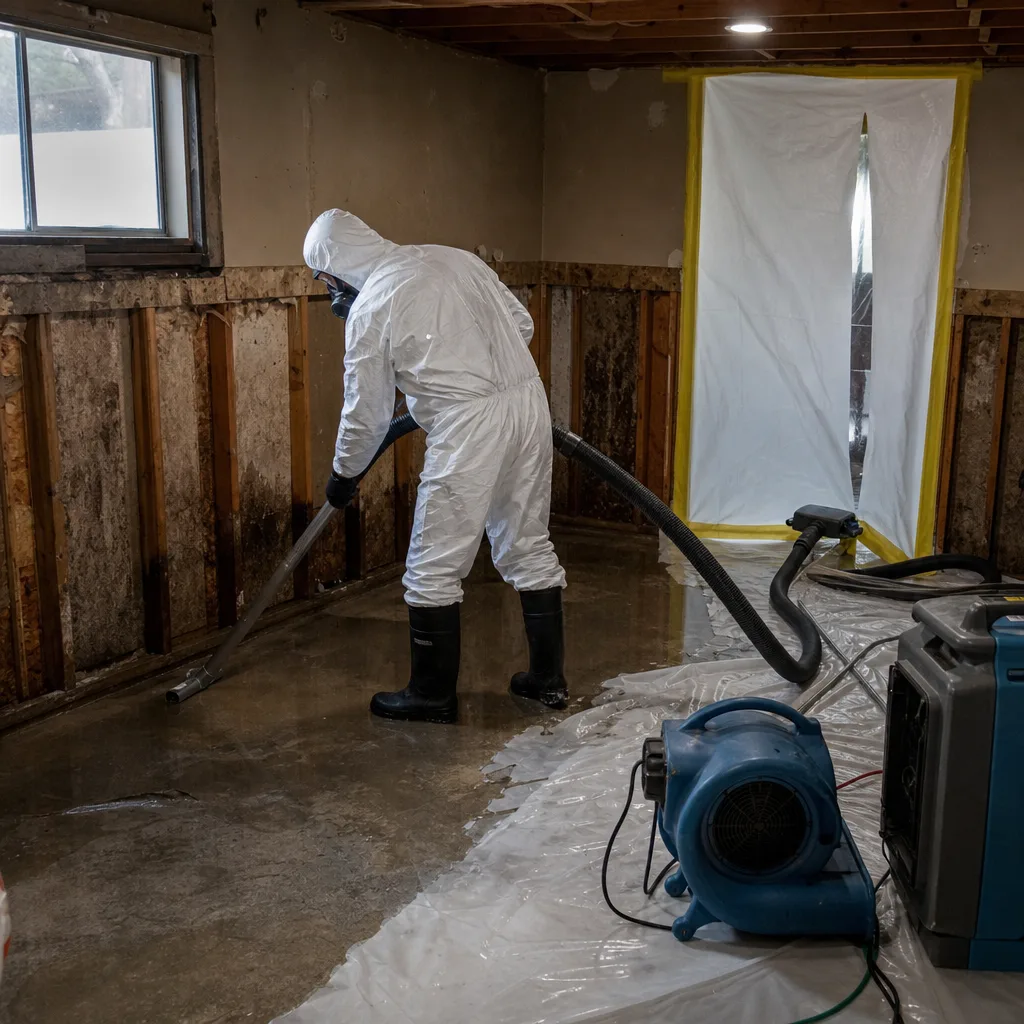
- The Four Damage Scenarios Where DIY Makes Sense in Bellflower
- California Contractor License Law: What Homeowners Can and Cannot Legally Do
- The Insurance Claim Documentation Gap: How DIY Drying Hurts Your Payout
- Category 2 and Category 3 Water: When DIY Becomes a Health Code Violation
- The “Partially DIY” Framework: Documenting Your Own Emergency Response
- Consumer Equipment vs. Professional-Grade Drying Systems
- DIY vs. Professional Costs in the Bellflower Market
- Common Mistakes to Avoid
- When to Call a Professional
- Frequently Asked Questions
- The Bottom Line
 Before
 After
AfterThe Four Damage Scenarios Where DIY Makes Sense in Bellflower
We’ve restored over 12,000 homes since 2011, and we’ve seen DIY mitigation work exactly four ways. Each requires specific conditions, and each demands that you generate your own documentation with the same rigor a professional would apply.
Scenario 1: Small Category 1 Water Loss on Hard Surfaces
A supply line to your Bellflower kitchen faucet leaks overnight. You catch it within 4 hours. The water pooled on tile or sealed concrete, never touched drywall, carpet, or insulation, and affected less than 10 square feet. Here, DIY is reasonable if you:
- Photograph the source, the standing water, and all affected materials before touching anything
- Record the exact time you discovered the loss and the time water stopped flowing
- Extract standing water with a wet/dry vacuum, noting the make/model and capacity
- Deploy air movement and dehumidification, logging equipment placement and hourly readings if possible
- Monitor for 48-72 hours with a moisture meter (pinless meters run $40-80 at hardware stores on Bellflower Boulevard)
- Document final moisture readings and photograph all materials at conclusion
Without this record, you’ve got a story. Insurers pay for evidence, not stories.
Scenario 2: Surface Mold on Non-Porous Materials
Mildew on a bathroom tile surround, less than 1 square foot, with no visible penetration into grout lines or substrate. Clean with detergent solution, dry completely, and photograph before/after. If it returns in 14 days, you’ve got a moisture source behind the wall - and that’s no longer a DIY situation.
Scenario 3: Minor Smoke Odor from Cooking
Not structure fire. Not electrical fire. Burnt protein in the kitchen that left odor on surfaces but no soot staining or thermal damage. Thorough cleaning with appropriate degreasers, HEPA vacuuming of textiles, and ozone treatment if you rent a generator. Document all steps. If odor persists past 72 hours, professional thermal fogging or hydroxyl treatment is indicated - and your documentation shows the insurer you made reasonable efforts before escalating.
Scenario 4: Storm Water Exclusion Before Professional Arrival
During Bellflower’s winter storm season, when atmospheric rivers push water through known roof vulnerabilities in the older neighborhoods near Simms Park, temporary tarping and interior water diversion are appropriate homeowner actions. For year-round preparation tips, see our Seasonal Damage Restoration Care for Bellflower: Year-Round Homeowner’s Guide. Photograph the exterior damage, the interior water path, your temporary measures, and the time each was implemented. This documentation becomes part of the professional scope when the crew arrives - it doesn’t replace their assessment, but it establishes the timeline insurers require.
The common thread: DIY only works when you can produce a written, photographic, time-stamped record that an adjuster can follow from loss occurrence through final condition. Most homeowners don’t. That’s why most DIY mitigation fails at claim time.
California Contractor License Law: What Homeowners Can and Cannot Legally Do
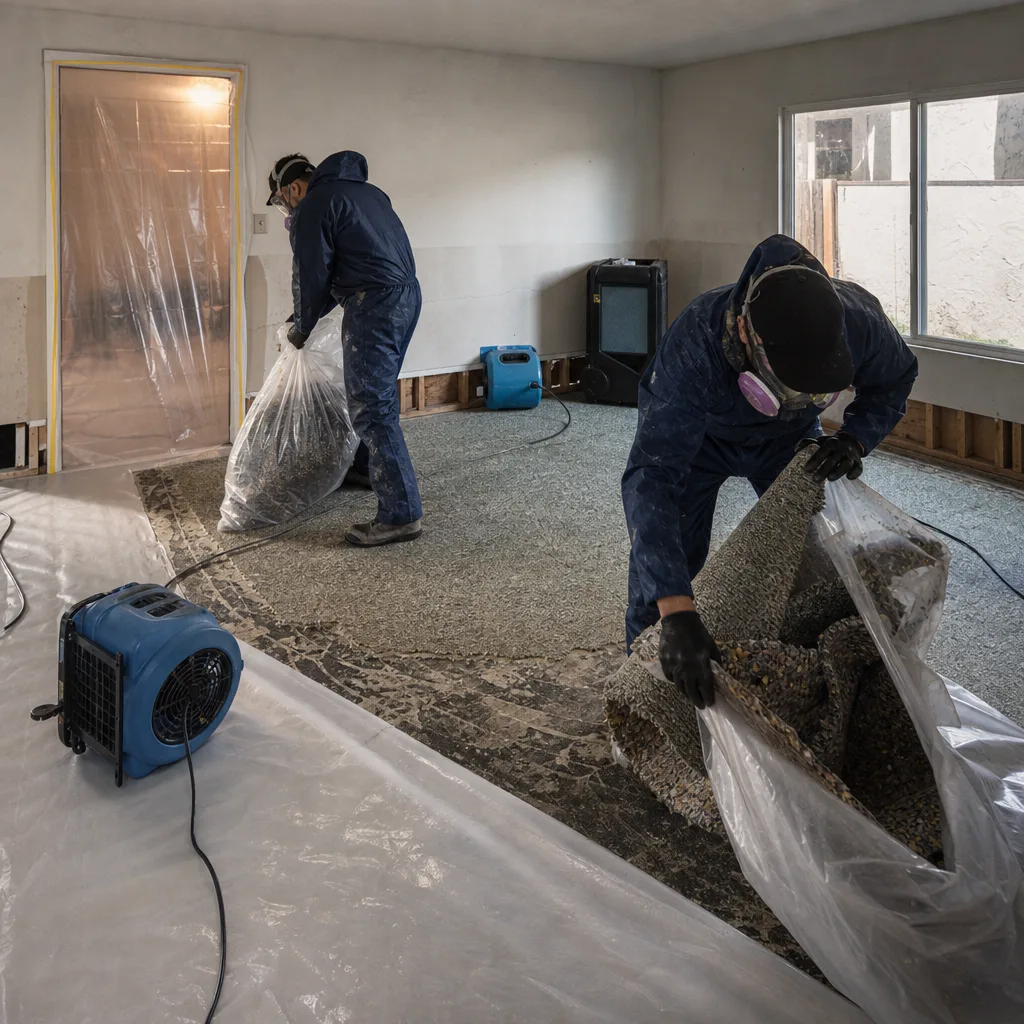
California Business and Professions Code Section 7048 allows homeowners to perform construction work on their own single-family dwelling without a contractor’s license, with critical exceptions that directly affect damage restoration decisions.
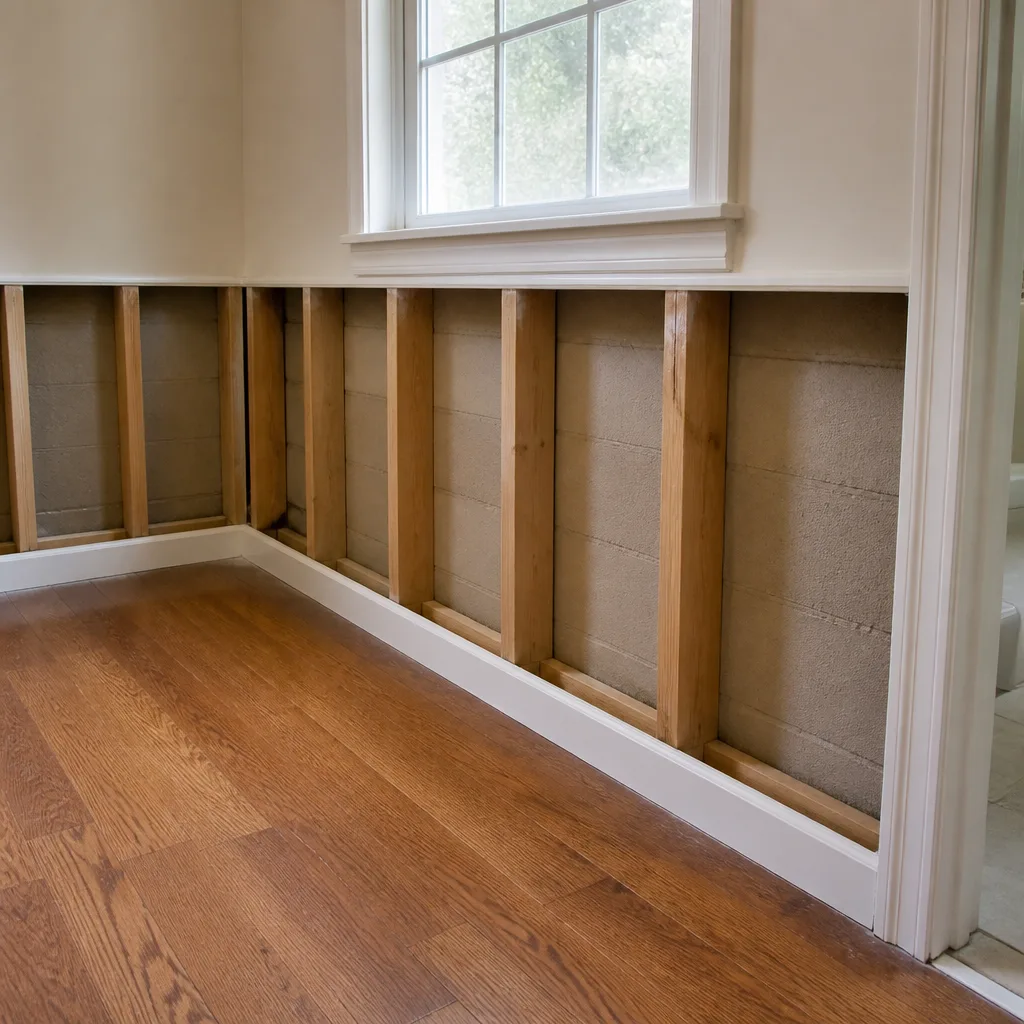
You may legally extract water, remove wet carpet, cut small sections of drywall for drying access, and operate consumer-grade drying equipment on your own property. You may not perform structural repairs, electrical or plumbing work beyond minor repairs, or any work that requires a building permit without proper licensing. More importantly, you may not perform mold remediation exceeding 10 square feet of visible contamination - this falls under the California Mold Remediation Licensing Act, and unlicensed mold work creates liability exposure that can void your homeowners policy’s pollution exclusion coverage.
For Bellflower homeowners in the 90706 zip code and surrounding areas, the practical boundary looks like this:
- No license required: Water extraction, content manipulation, setting consumer drying equipment, removing and disposing of unsalvageable materials (with proper waste documentation), temporary weatherproofing
- License required, homeowner may self-perform on own property: Drywall replacement up to $500 value, minor electrical/plumbing repairs, painting, flooring installation
- License required, homeowner may NOT self-perform: Mold remediation >10 sq ft, asbestos or lead abatement, structural engineering, gas line work, electrical panel replacement, sewage cleanup involving Category 3 water (California Health and Safety Code 116275)
The $500 threshold in Business and Professions Code 7048(a) is aggregate per project, not per task. A homeowner who replaces drywall, installs flooring, and repaints a water-damaged bedroom has likely crossed into licensable work territory. More critically, work performed without required licensing voids the workmanship warranty and exposes the homeowner to negligence claims if subsequent damage occurs - even if the original DIY work was competent.
We’ve reviewed claims where Bellflower homeowners performed competent water extraction but unlicensed drywall replacement, and insurers denied subsequent mold claims by arguing the unlicensed work created the conditions for mold growth. The documentation gap became a liability gap.
The Insurance Claim Documentation Gap: How DIY Drying Hurts Your Payout
Insurance adjusters are trained to look for three elements in every water damage claim: the event documentation (what happened, when, and why), the mitigation documentation (what was done to stop further damage), and the restoration documentation (what was required to return to pre-loss condition). DIY mitigation typically destroys the middle element.
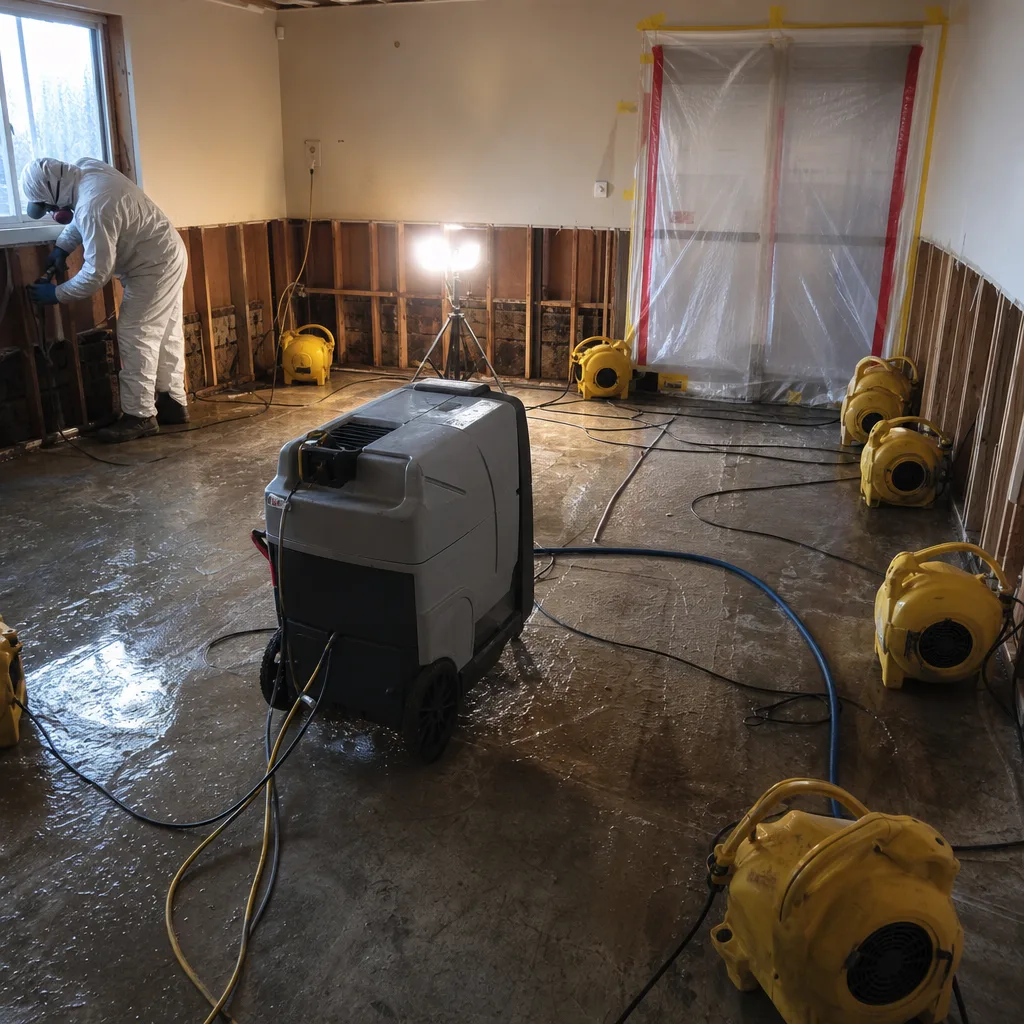
When a professional restoration contractor responds to a water loss in Bellflower, they produce:
- A written scope of work with line-item pricing, delivered before equipment is placed (Haven Standard, Clause 1)
- Daily moisture logs showing readings in affected materials, unaffected controls, and atmospheric conditions
- Psychrometric data: temperature, relative humidity, and vapor pressure differential readings that prove the drying environment was controlled
- Equipment placement diagrams with serial numbers, airflow calculations, and dehumidifier capacity ratings
- Photo documentation on every visit, geo-tagged and time-stamped
- A final dry standard verification showing materials returned to within 3-4 percentage points of unaffected controls
This documentation package does two things. It proves the mitigation was necessary and properly performed. And it creates a defensible baseline for the restoration scope that follows. Without it, adjusters apply standardized depreciation schedules and scope reductions that typically cut 30-50% from the claimed amount.
We’ve seen this in Bellflower specifically with the older slab-on-grade homes in the neighborhoods north of Alondra Boulevard, where groundwater wicking creates complex drying scenarios. A homeowner who self-dries visible water but misses the vapor drive through slab joints faces a common adjuster argument: “The professional assessment would have identified and addressed this condition. The homeowner’s failure to do so constitutes negligence, not covered peril.”
The documentation gap becomes a coverage gap. This is why our Water Damage Restoration in Bellflower service includes daily drying logs as standard deliverables, not upsells. The logs are the product.
Category 2 and Category 3 Water: When DIY Becomes a Health Code Violation
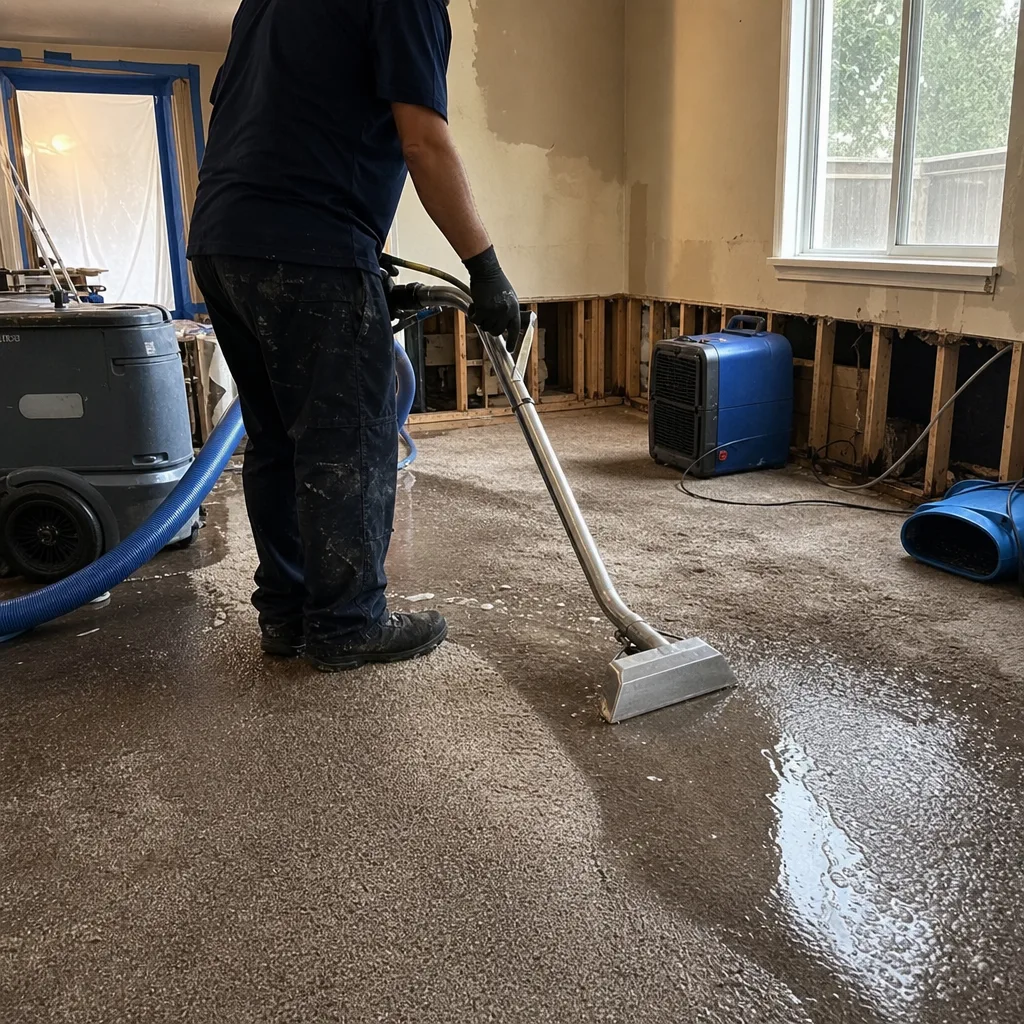
The IICRC S500 Standard defines three water contamination categories. Category 1 is clean water from a sanitary source. Category 2 is significantly contaminated - discharge from dishwashers, washing machines, or sump pump failures. Category 3 is grossly contaminated - sewage, seawater intrusion, or water from beyond the trap of any plumbing fixture.
In Bellflower, where many homes connect to aging sewer mains along major corridors like Woodruff Avenue and Lakewood Boulevard, Category 3 events are more common than homeowners recognize. Our Sewage Cleanup Maintenance Checklist for Bellflower Homeowners can help you prepare for and respond to these situations. A backed-up floor drain after heavy rain isn’t “dirty water.” It’s Category 3, and California Health and Safety Code 116275 requires that it be handled by personnel trained in bloodborne pathogen protocols with appropriate PPE and disposal documentation.
DIY handling of Category 2 or 3 water creates three problems no documentation can solve:
- Health code liability: Unlicensed handling of sewage-contaminated materials violates local and state health codes, with fines starting at $1,000 per day in Los Angeles County
- Insurance exclusion: Most homeowners policies contain pollution exclusions that void coverage for illness or property damage resulting from unprofessional handling of contaminated water
- Structural contamination: Category 2 water left untreated for 48 hours becomes Category 3 by definition. Category 3 water requires removal of all porous materials in the affected area - carpet, pad, drywall, insulation, and often structural wood - with antimicrobial treatment of remaining materials
The cost differential is stark. Professional Category 3 mitigation in Bellflower runs $7-12 per affected square foot for initial response, plus $4-8 per square foot for reconstruction. DIY “savings” that miss hidden contamination typically generate $15-25 per square foot in secondary damage remediation, often uncovered by insurance because the initial handling was documented as unprofessional.
Our Sewage Cleanup in Bellflower service includes full contamination assessment, proper waste manifesting, and the documentation package that satisfies both health code requirements and insurance standards. The alternative isn’t cheaper. It’s just undocumented.
The “Partially DIY” Framework: Documenting Your Own Emergency Response
There is a middle path that works, and we’ve refined it with hundreds of Bellflower homeowners over twelve years. The “partially DIY” framework accepts that you may be the first responder - you discover the loss at 2 AM, you stop the water source, you begin extraction - while ensuring your early actions create documentation rather than destroy it.
Step 1: Stop and Document Before Acting
Photograph the water source, the water path, all affected materials, and the surrounding unaffected areas for comparison. Note the time. This 5-minute delay costs nothing and creates the event documentation that anchors your entire claim.
Step 2: Implement Emergency Actions With Written Record
As you extract water, remove contents, or place temporary drying equipment, write down each action with timestamp:
- 02:15 - Discovered leak under kitchen sink, shut off angle stop
- 02:22 - Photographed standing water, approximately 4′ x 6′ on vinyl flooring
- 02:30 - Extracted standing water with Shop-Vac 12-gallon wet/dry vacuum, approximately 8 gallons removed
- 02:45 - Placed 2 box fans (Lasko 20″) for air circulation
- 03:00 - Contacted DryMark Restoration Bellflower for professional assessment
Step 3: Preserve Evidence for Professional Handoff
Don’t discard materials until photographed and documented. Wet carpet pad, damaged drywall, compromised insulation - these become line items in the professional scope. If you’ve already removed them, photograph the removal process, the disposal location, and the exposed substrate.
Step 4: Request Documentation Integration
When the professional crew arrives, provide your written record and request that it be incorporated into the official job file. A competent restoration contractor will do this; it demonstrates good faith mitigation efforts and can accelerate claim processing.
The partially DIY framework works because it preserves the documentation chain rather than breaking it. Your early actions become part of the evidence, not a gap in it. This is particularly valuable in Bellflower’s competitive insurance market, where carriers apply increasingly rigorous documentation standards to control water loss severity.
Consumer Equipment vs. Professional-Grade Drying Systems
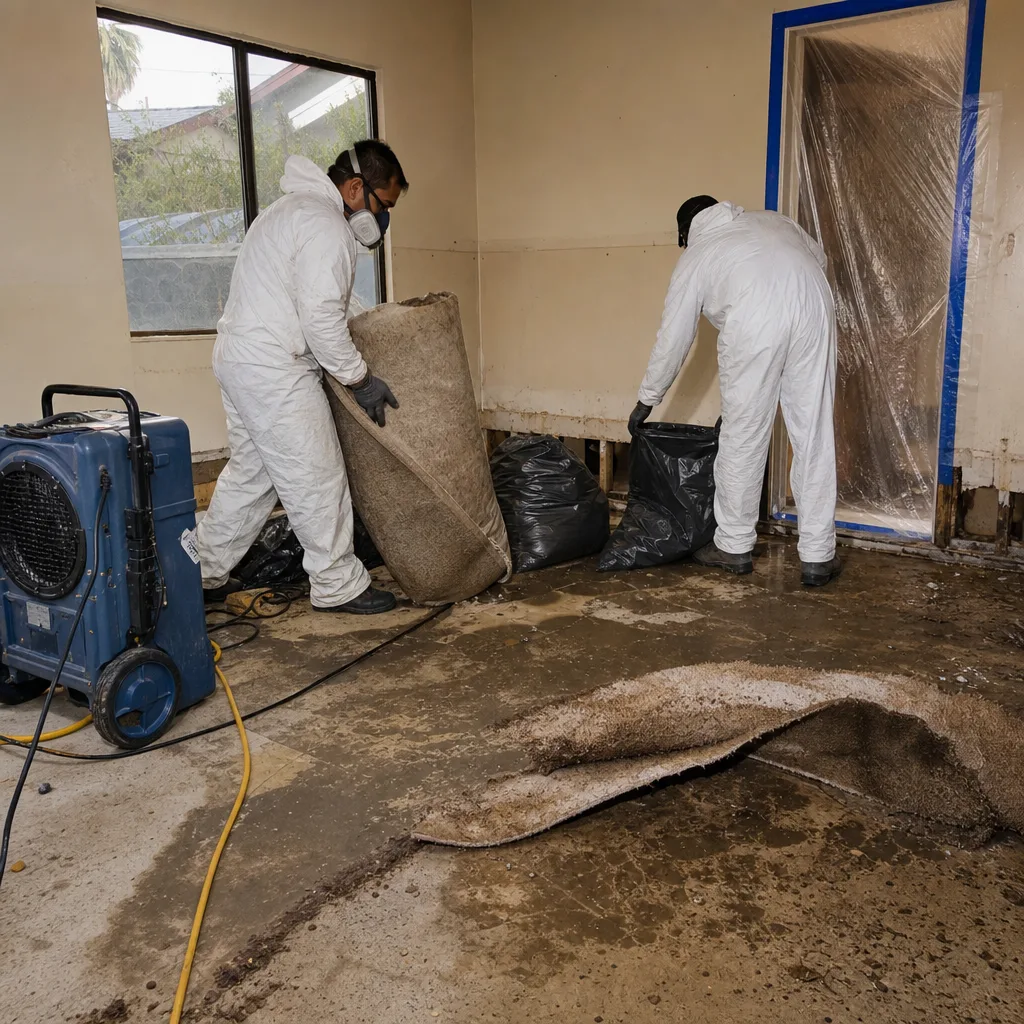
The dehumidifier you rent from the hardware store on Bellflower Boulevard removes moisture from air. It does not create the controlled drying environment that structural materials require. Understanding this distinction explains why DIY drying so often fails.
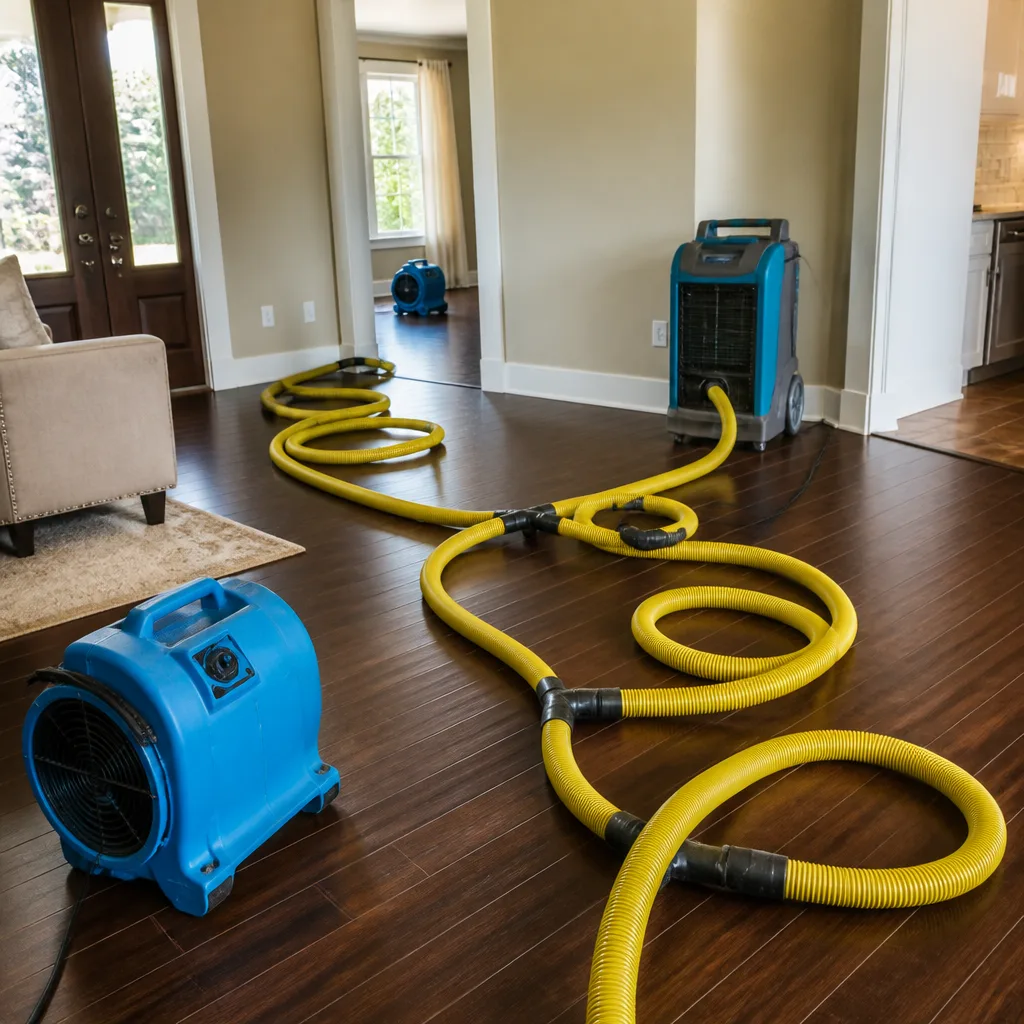
Consumer-grade dehumidifiers typically extract 20-50 pints per day under ideal conditions (80°F, 60% relative humidity). Professional-grade systems from Dri-Eaz and Phoenix extract 100-300 pints per day and maintain performance across temperature and humidity ranges. More critically, professional systems are sized to the specific vapor load of the affected space, calculated from cubic footage, material porosity, and moisture content readings.
Air movement equipment differs similarly. Consumer fans move air. Professional axial and centrifugal air movers from XPOWER and B-Air are positioned to create controlled airflow across wet surfaces at specific velocities, calculated to maximize evaporation without driving moisture into unaffected materials.
The Injectidry system represents a category unavailable to consumers: positive and negative air pressure drying for wall cavities, ceiling plenums, and subfloor spaces. In Bellflower’s older homes with lath-and-plaster or early drywall construction, cavity drying is often essential to prevent secondary damage. Consumer equipment cannot access these spaces.
Psychrometric monitoring - the measurement of temperature, relative humidity, and vapor pressure differential - requires calibrated instruments and trained interpretation. A homeowner with a $20 humidity gauge cannot produce the data that proves drying progress to an adjuster’s satisfaction. Our crews use meters calibrated to IICRC standards, with readings logged daily and reported to the property file.
The equipment gap is ultimately a documentation gap. Even if consumer equipment achieves adequate drying, it produces no record of having done so. The moisture meter reading you took on Saturday morning, scribbled on a notepad, does not carry the same evidentiary weight as a professional drying log with instrument calibration dates and technician certification numbers.
DIY vs. Professional Costs in the Bellflower Market
Pricing transparency matters to Bellflower homeowners, and we publish ranges because Haven Standard, Clause 1 requires a written price before work begins. Here’s what the local market actually looks like for 2024-2025.
| Service Category | DIY Cost Range | Professional Cost Range (Bellflower) | Documentation Value |
|---|---|---|---|
| Small Category 1 water loss (<100 sq ft, hard surfaces only) | $150-400 (equipment rental, supplies) | $800-1,800 | Professional drying log required for claim; DIY record may suffice if detailed |
| Category 1 water loss with carpet/pad | $300-700 | $2,500-5,500 | Professional documentation essential; pad replacement typically required |
| Category 2 water loss (appliance discharge) | $500-1,200 (incomplete mitigation risk) | $4,500-9,000 | Professional required for antimicrobial treatment and disposal documentation |
| Category 3 water loss / sewage backup | Not legally or safely DIY | $7,000-15,000+ initial; $4-8/sq ft reconstruction | Mandatory for health code compliance and insurance coverage |
| Mold remediation, <10 sq ft surface | $50-150 (cleaning supplies) | $500-1,200 assessment plus remediation | DIY acceptable with documentation; professional assessment recommended if source unclear |
| Mold remediation, >10 sq ft or hidden growth | Not legally DIY in California | $3,000-8,000+ depending on containment requirements | Licensed remediator required; documentation for insurer and future disclosure |
| Fire/smoke damage (minor, single room) | $200-600 (cleaning, odor treatment) | $2,000-6,500 | Professional required for structural assessment and soot residue testing |
| Fire/smoke damage (major, multiple rooms) | Not safely or effectively DIY | $10,000-50,000+ | Essential for claim; includes content inventory and restoration scope |
These ranges reflect Bellflower’s position in the Los Angeles metro market - labor rates align with LA County standards, but property values and construction types create specific cost drivers. The 1950s-1970s tract homes common in neighborhoods near Mayfair Park and Bellflower High School often have original plaster, limited access for drying equipment, and aging plumbing that complicates source identification.
The cost comparison that matters isn’t DIY versus professional on day one. It’s DIY day one plus professional remediation of secondary damage at day 30, versus professional mitigation that prevents secondary damage entirely. We’ve documented this repeatedly: the homeowner who spent $400 on rental equipment and $6,000 on mold remediation six weeks later paid more than the homeowner who paid $3,500 for proper initial drying with full documentation.
Our DryMark Restoration Bellflower home page details our full service structure, and our Free Second Opinion on any competitor’s written estimate ensures you can verify any quote against documented scope requirements.
Common Mistakes to Avoid
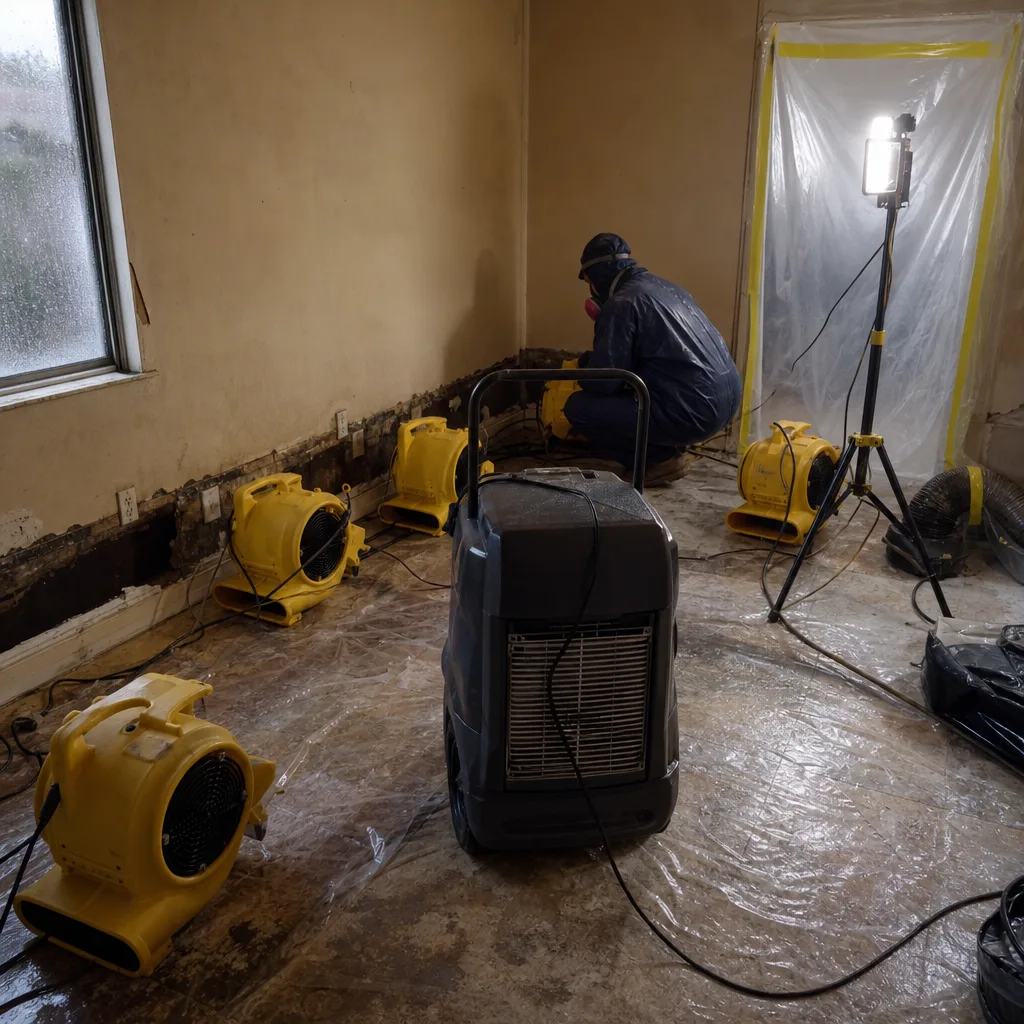
- Assuming visible dryness equals structural dryness. A surface that feels dry to touch can hold 20%+ moisture content in the substrate, well above the 12-16% threshold where mold colonizes. Bellflower’s mild coastal climate creates slow drying conditions that deceive surface assessment.
- Discarding damaged materials before photographing. Every removed material is a potential line item in your insurance claim. The carpet pad you threw in the dumpster on day one becomes “unverified damage” that the adjuster can exclude from scope.
- Using bleach on mold. Bleach kills surface mold on non-porous materials but drives moisture into porous substrates and can feed future growth. It also creates no documentation of proper remediation protocol for insurance or disclosure purposes.
- Failing to identify the water category correctly. That “clean” water from the washing machine discharge hose became Category 2 the moment it contacted the detergent residue in your machine. Misclassification leads to inadequate antimicrobial treatment and documented negligence.
- Neglecting to document equipment specifications. “Ran dehumidifier for 3 days” proves nothing. “Dri-Eaz Evolution LGR dehumidifier, 70 pints/day capacity, placed 6 feet from north wall, ran 72 hours with daily readings logged” creates evidence. Even DIY efforts need this specificity.
- Waiting to call for professional assessment. California’s fair claims settlement regulations require prompt mitigation. Delays beyond 24 hours for Category 1, or any delay for Category 2/3, can trigger “failure to mitigate” exclusions that reduce or deny coverage regardless of eventual professional involvement.
- Ignoring permit requirements for reconstruction. Bellflower Building Division requires permits for electrical, plumbing, and structural repairs beyond minor work. Unpermitted reconstruction creates title issues, insurance problems, and safety hazards that surface at resale.
When to Call a Professional
Call immediately when: water has touched drywall, insulation, or carpet pad; the source is unknown or recurring; you smell mold but cannot locate visible growth; any sewage or drain backup is involved; fire damage includes soot staining or odor beyond a single room; or your insurance claim will exceed your deductible by more than $1,000. The documentation value of professional response increases directly with claim complexity.
For Bellflower homeowners, Mold Remediation in Bellflower and our full damage restoration services include the written scope, photo documentation, and drying logs that transform restoration invoices into payable claims. DryMark Restoration Bellflower offers free estimates in Bellflower - call (424) 347-8338. Our live person answers every call, 24 hours a day, 7 days a week, with no voicemail on emergency lines.
Frequently Asked Questions
Not automatically, but they will pay less if you cannot document that your extraction met professional drying standards. Insurers apply “reasonable mitigation” tests; DIY without documentation fails that test. Call (424) 347-8338 for an exact quote - estimates are free. You can also browse more guides & resources on our blog.
Our live dispatch answers immediately, and emergency response teams typically arrive within 60-90 minutes for Bellflower addresses during normal conditions. Response time matters because Category 1 water becomes Category 2 in 48-72 hours, and Category 2 becomes Category 3 in the same window. Speed documentation is part of the claim record we create from arrival.
For areas under 10 square feet on non-porous surfaces, cleaning with proper documentation may suffice. For larger areas, hidden growth, or any porous material contamination, California requires licensed remediation. More importantly, cleaning visible mold without addressing the moisture source guarantees recurrence - and insurers deny repeated claims for the same unresolved condition. We provide free second opinions on any competitor’s mold assessment.
We coordinate directly with adjusters as part of our standard service, providing the daily drying logs, photo documentation, and written scopes that adjusters need to approve scope and pricing. You remain the policyholder and must authorize all work, but our documentation package reduces the back-and-forth that delays claims by weeks. The Haven Standard requires this coordination; it’s not an upsell.
For a typical kitchen water loss affecting 200 square feet with vinyl flooring and base cabinet exposure, DIY equipment rental runs $200-500, while professional mitigation runs $2,800-4,500. But the professional scope includes moisture mapping, cavity drying, cabinet toe-kick access, and documentation that typically recovers 85-95% of mitigation costs through insurance. Net out-of-pocket often favors professional response when insurance applies. Call (424) 347-8338 for a written price on your specific situation - Haven Standard, Clause 1.
Some equipment categories, like LGR dehumidifiers and air movers, are available through specialized rental channels at rates approaching professional service costs. But equipment without trained placement, psychrometric monitoring, and daily documentation produces dry air, not a payable claim. The equipment is a tool; the documentation is the product.
Photographs with timestamps of the loss event, all affected materials, and surrounding unaffected areas; written log of every action with time, equipment used, and readings taken; receipts for all equipment rental and supply purchases; and contact records with any professionals consulted. Provide this package to your restoration contractor for integration into the official job file. Without it, your early efforts become an undocumented gap rather than evidence of good-faith mitigation.
The Bottom Line
The DIY versus professional restoration question in Bellflower resolves to a single test: can you produce documentation that an insurance adjuster will accept as proof of proper mitigation? For small, clean-water losses on hard surfaces with no structural involvement, attentive homeowners can meet this standard. For everything else - Category 2 or 3 water, fire and smoke damage, mold beyond 10 square feet, sewage, or any loss touching structural materials - California law, health codes, and insurance requirements converge on professional response. The cost of professional mitigation is recoverable; the cost of inadequate documentation is not. We’ve built our practice since 2011 on closing the documentation gap that costs homeowners their claims. The written price before work begins, the photo record on every visit, and the daily drying logs that turn invoices into payable claims - these are not marketing promises. They are Haven Standard requirements, applied to every job we perform.
Written by Alicia Brennan, Owner at DryMark Restoration Bellflower, serving Bellflower since 2011.